
Ojos Azules (blue-eyed)
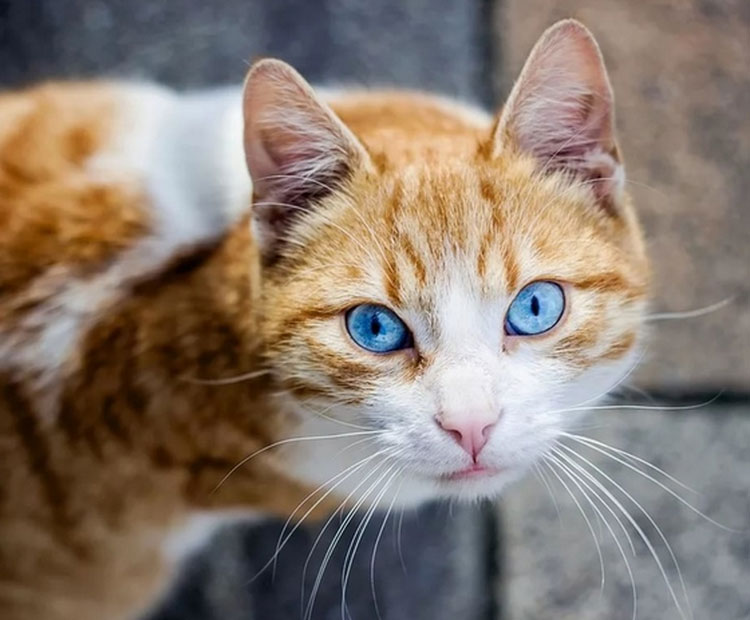
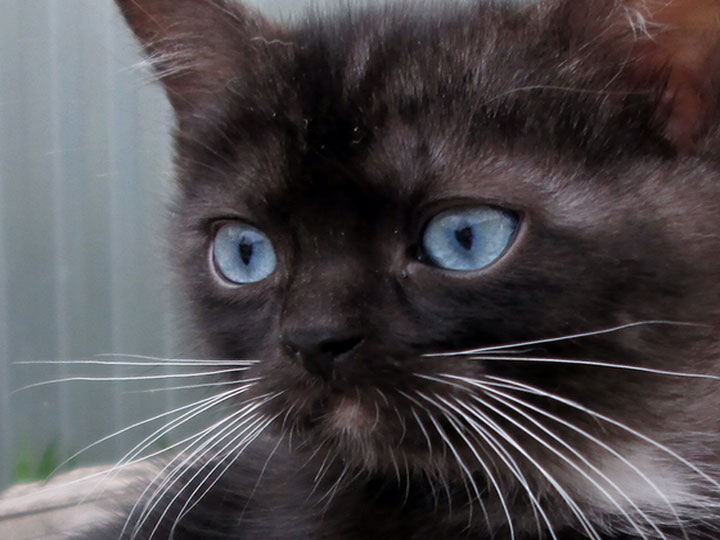
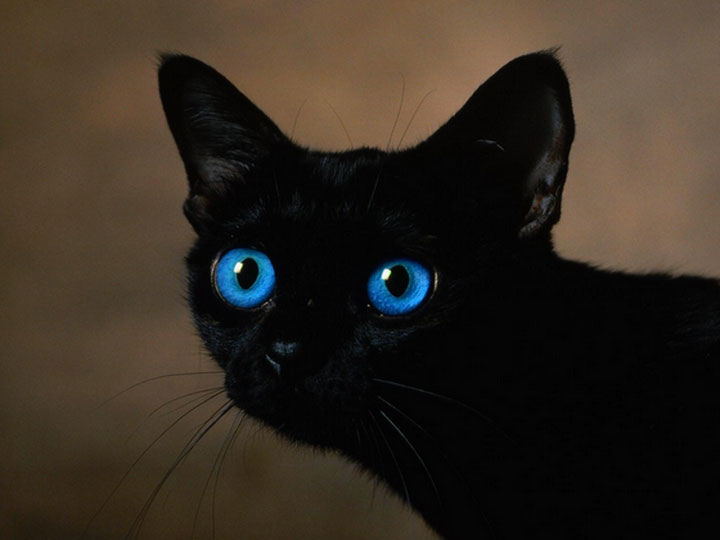
Ojos azules — another American breed, virtually unknown outside its homeland. The breed is very young and still in its infancy. The Ojos Azules's calling card is its expressive blue eyes.
Content
History of origin
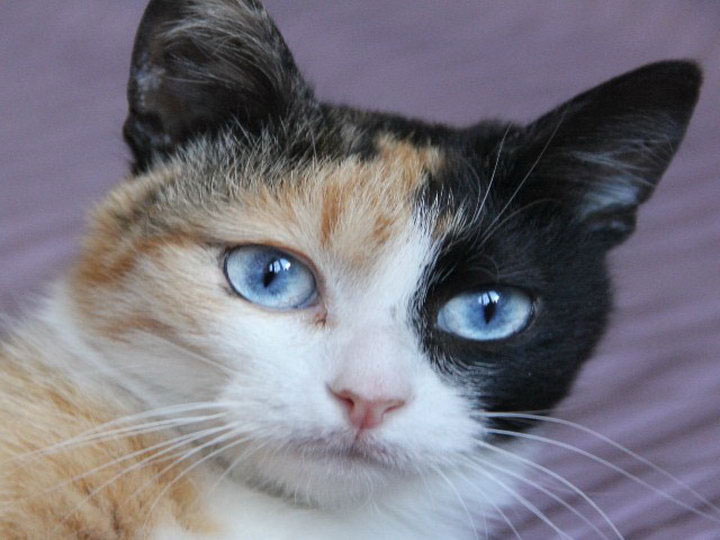
In 1984, American breeders were drawn to blue-eyed cats of normal, non-Siamese, coloring, for which green or yellow irises are more typical. The progenitor of the breed is a calico cat. With blue with eyes, named Conflaue (cornflower). This unusual cat lived in the state of New Mexico. The official name of the breed, Ojos Azules, means "blue-eyed" in Spanish.
The first standard for the Ojos Azules breed (English: ojos azules) was written and accepted in 1991. However, the cats remained unnoticed. To this day, the population remains very small and is concentrated primarily in the United States. The breed is recognized by the international association TICA. Breeders working with Ojos follow a TICA-approved program and submit annual reports to monitor the breed's development.
Interestingly, blue-eyed tortoiseshell cats are found throughout the world, particularly in the Altai region, where a few breeders are working on a new breed called the Altai Blue-Eyed.
Video review of the Ojos Azules breed:
Appearance
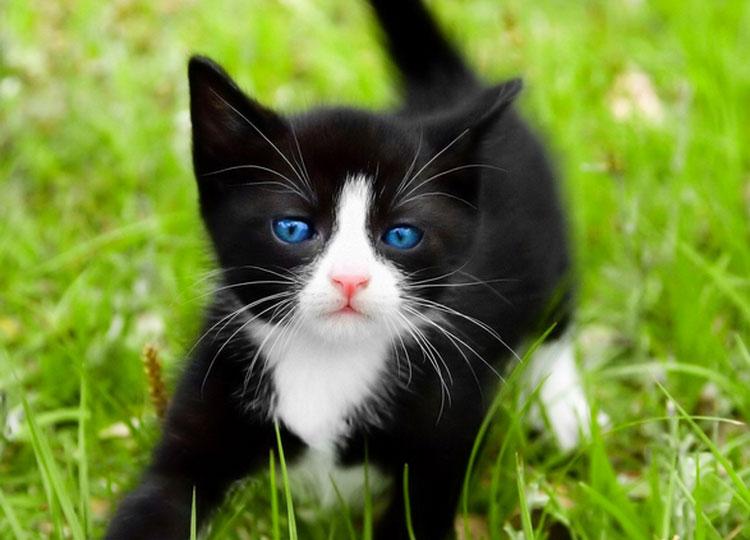
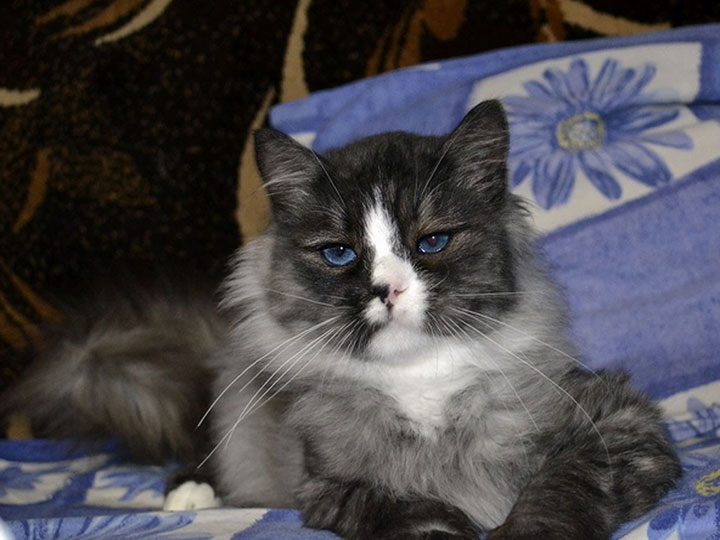
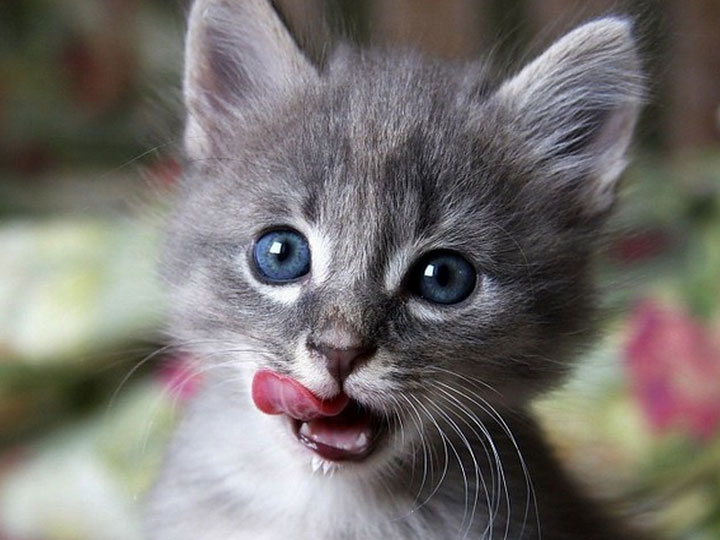
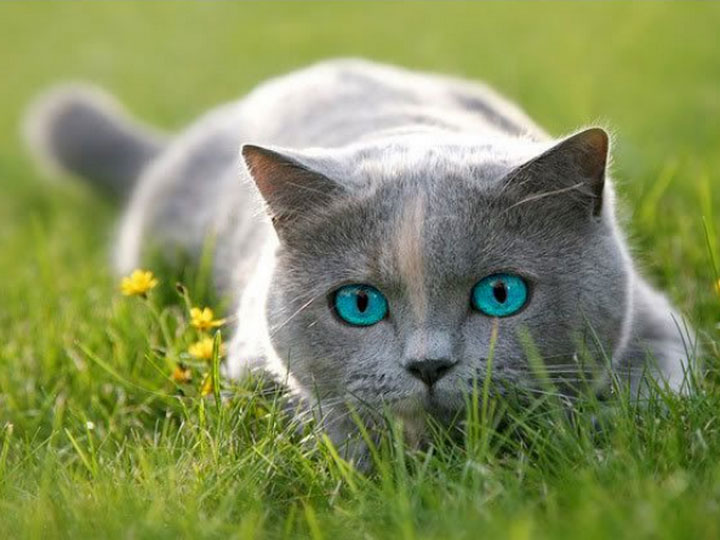
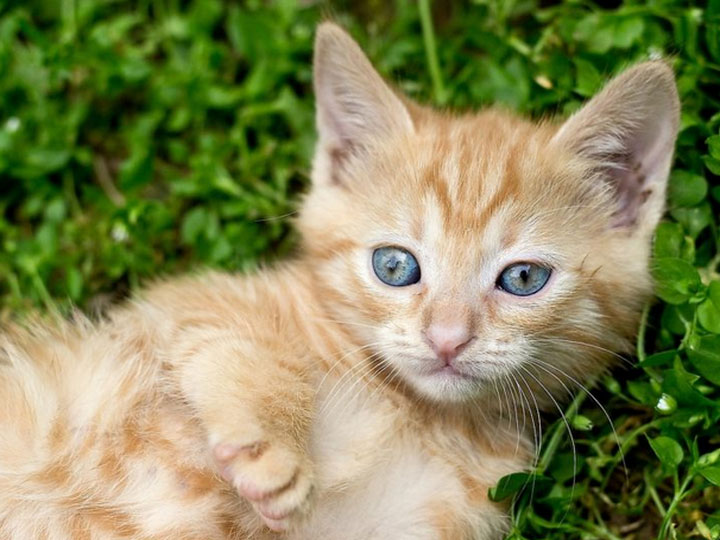
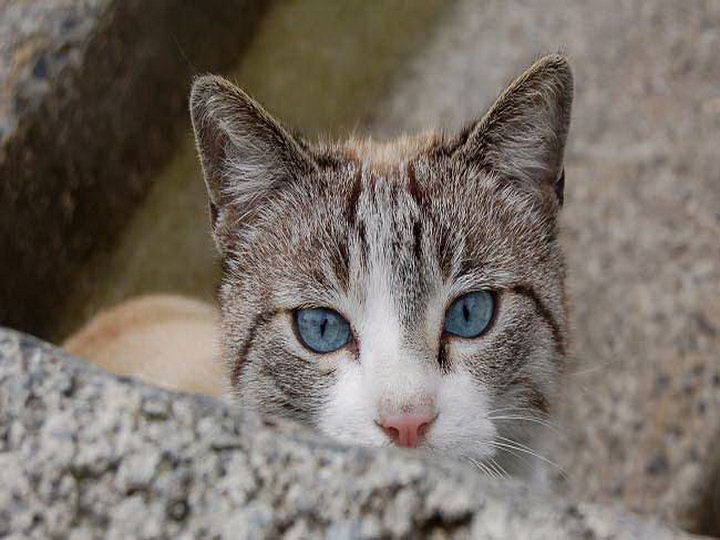
Ojos Azules have one distinctive feature: blue eyes. However, it's important that the coat color not be white. Only small white patches are allowed. In fact, any cat with sapphire-colored eyes that aren't white can potentially be classified as part of the breed or used for breeding. It's not necessary for both eyes to be blue. Heterochromia is allowed, and such cats are actively used for breeding. There are over 20 shades of blue. As for the Ojos Azules' eyes, the richer and brighter they are, the more valuable they are.
Most members of the breed are medium-sized cats with a compact, well-proportioned build. They are also quite slender and graceful. Ojos Azules have a short coat with a moderately developed undercoat. It is very soft to the touch and should appear smooth and shiny. White spots often adorn the tip of the tail, paws, muzzle, or chest. This is due to the gene responsible for the blue iris. The colors can be any, except solid white, acromelon (colorpoint, typical for Siamese and some other cat breeds) and those in which white color predominates.
Character
It's difficult to describe the general character of these cats, as the breed is very rare and few in number. According to breeders, Ojos Azules are good-natured, affectionate creatures who get along well with people and other cats. They are very attached to their owners but also adapt well to new environments.
Maintenance and care
There are no special recommendations for housing, feeding, or care for blue-eyed cats. They require everything that other shorthaired breeds require: regular brushing, ear cleaning, a well-balanced diet, and, most importantly, love and care from their owners.
Health
The main goal of breeders today is to preserve the deep blue eye color without any genetic pathologies or health problems. Often, when two blue-eyed cats are mated, homozygous kittens are born, which are either nonviable or carry a host of genetic diseases.
Where to buy an Ojos Azules kitten, price
Buying a kitten of this new breed will be very difficult. They are virtually unheard of outside the United States. If you come across an ad for a kitten of this breed, be extremely vigilant. It's likely the work of scammers who know the breed's rarity and unique characteristics. Cats with similar characteristics are found all over the world, but if they don't have papers, they are not considered purebred and cannot be worth tens of thousands of rubles.
Photos
Photo of the rare Ojos Azules cat breed:
Read also:


-550x418.jpg)


Add a comment