
Cucumber tapeworm (dipylidiosis) in cats: treatment, symptoms
Cucumber tapeworm in cats is a tapeworm that parasitizes the small intestine of animals. Its larvae, sometimes found in pet feces, resemble cucumber seeds, hence the name of this parasite. In medicine, the disease is called dipylidosis, after the Latin name of the worm, Dipylidiidae Hymenolepidate. It's helpful for pet owners to know the main symptoms of the infection and what to do for effective treatment.

Content
Characteristics of the pathogen
The cucumber tapeworm is a type of tapeworm up to 3 mm thick and 40-70 cm long. However, there have been cases where the worm has reached 1.5 m in length. Its body consists of segments, each of which is fully viable and contains up to 30 future wormsThe main danger of tapeworm lies in the process of its development, when it takes away much of the vitality and energy of the host.
During its life cycle, the worm uses two hosts:
- Temporary - fleas and lice, which swallow the larvae and become their carriers.
- The parasite is a persistent parasite found in cats, dogs, and even humans. It lodges in the intestines and develops into an adult in approximately four weeks. Subsequently, its segments and larvae are excreted in the feces. Some remain in the fur, while others spread throughout the animal's environment and await the next host.
Cucumber tapeworm larvae are often ingested by fleas, which are then ingested by cats when they groom their fur, and the cycle repeats. Therefore, an important step in getting rid of from a parasite is not only the destruction of the worm itself, but also getting rid of its carriers (fleas, Vlas-eaters etc.).
Symptoms of dipylidiasis
The initial stages of infection are usually asymptomatic until the cat's body is completely weakened by the dangerous toxins the cucumber tapeworm produces during its life cycle. These toxins can also cause allergies, intestinal obstruction, intestinal bleeding, and other health problems. Common symptoms of cucumber tapeworm infection include:
- Alternating increased appetite with its complete absence.
- Weight loss.
- Bowel movements are disrupted (constipation, diarrhea, or alternation of the two).
- Lethargy, drowsiness, fatigue.
- Dullness and loss of hair in clumps.
- Paleness of the mucous membranes.
- Nervous and restless behavior.
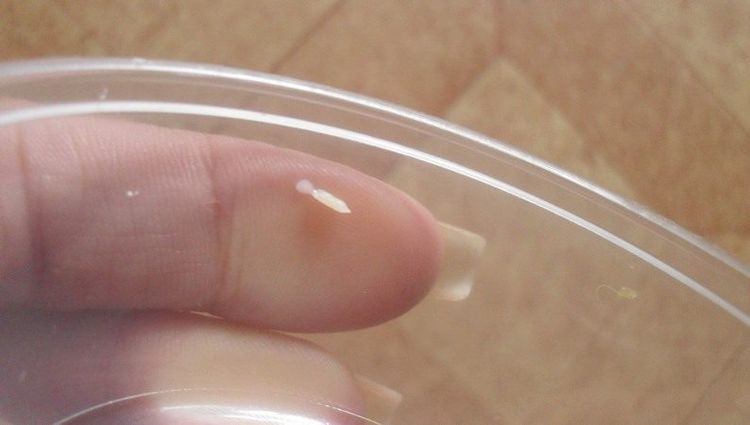
A sure sign of dipylidosis infection is the appearance of worm larvae in the feces, so it is recommended to periodically inspect the litter box. They look like white rice grains and are often found in clusters of up to 20.
Any changes in your pet's behavior require closer observation. Periodic scraping of the bottom on the floor, pacing around the apartment, and aggressive outbursts are all the result of discomfort and constant itching caused by the tapeworm. If your cat exhibits any of the symptoms listed above, you should immediately consult a veterinarian for an examination.
Important! Cucumber tapeworm infection is generally not a major threat to adult cats, but can be fatal for kittens.
Diagnosis and treatment
A diagnosis of dipylidiosis can only be made by a veterinarian after a cat's examination, which includes a visual inspection and blood, urine, and fecal tests. To detect tapeworm in the body, a fecal test using the Fülleborn method is used. This involves mixing the feces with a solution of table salt. The resulting mixture is filtered and left undisturbed for 1.5 hours, after which time the worm larvae will surface. The test is repeated several times to rule out false negatives.
Successful treatment of cucumber tapeworm requires a comprehensive approach:
- usage anthelmintic drugs;
- antiparasitic treatment of animals (against fleas, ticks, etc.);
- disinfestation of habitat;
- restorative diet.
The determining factor is the selection of effective medications administered once daily (usually before the first morning feeding). Dosages are adjusted based on the animal's weight, and the medication's effectiveness varies depending on the individual's individual characteristics. The following are commonly prescribed for the treatment of dipylidosis in cats:
- Preparations containing praziquantel: Quantum, Caniquantel, DrontalThe dose is prescribed at a rate of 1 mg of praziquantel per 1 kg of body weight.
- Niclosamide-containing preparations (usually used for severe infestations):
- Phenasal is a powder that is added once to cat food at a rate of 0.2 g of active substance per 1 kg of the cat’s body weight.
- Fenagel is a paste administered before feeding at a dose of 0.1 g of active ingredient per 1 kg of body weight. The paste is placed directly on the tongue, with a small amount of food added if necessary.
- Bunamidine at a dosage of 25-35 mg per 1 kg of body weight. The drug is administered once, 3 hours after feeding.
- Mebendazole at a rate of 40 mg per 1 kg of weight for 3 days.
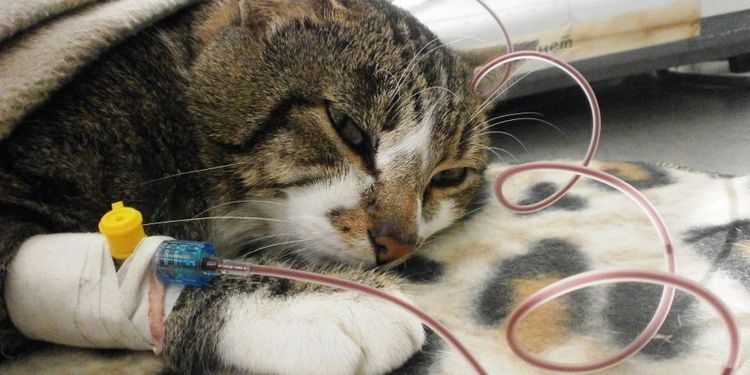
In cases of severe exhaustion and dehydration, the veterinary clinic will administer a saline drip to the cat to restore the body's water balance.
Preventive measures
Since various parasites are the carriers and sources of dipylidiasis, prevention should focus on antiparasitic treatment of the pet and general pest control of the home. It's important to remember that cucumber tapeworm infection is often fatal in kittens, so regular treatment is recommended to prevent infestations. Specialized pest control products (such as Ardex, Perol, Actol) and a 1.5% dichlorvos solution can be used to disinfect the home and household items. These products can also be sprayed on the fur of cats. It's recommended to periodically treat rugs, carriers, and litter boxes at high temperatures (for example, by scalding them with boiling water) or take them outside in the cold during the winter.
One of the reliable means of preventing infection with cucumber tapeworm is flea collarBut if your pet has a large number of parasites, you should first bathe it using an anti-flea shampoo.
A domestic cat may never become ill with dipylidiasis, but taking preventative measures will provide additional confidence that this disease will not affect your pet.
Read also:
- Can a person become infected with worms from a cat?
- How to deworm a cat at home
- Roundworms in cats: symptoms and treatment


Add a comment