
Shortness of breath in a dog after giving birth
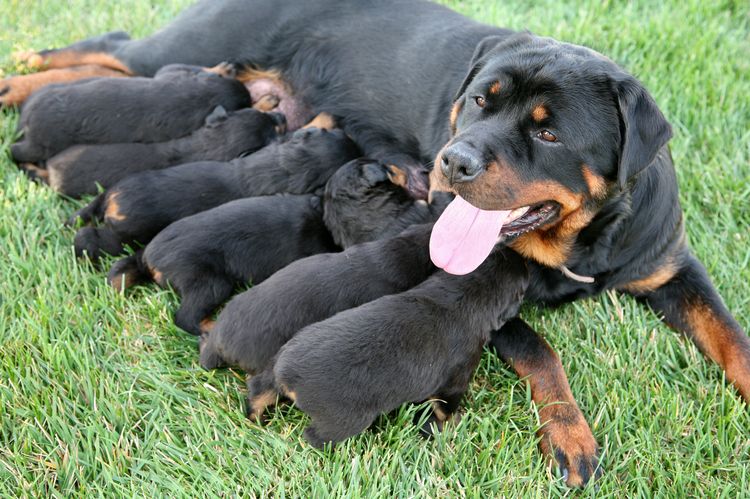
During the first 24 hours after birth, a dog often experiences rapid breathing, which is caused by fatigue, mild hyperthermia, or increased hormone production due to mechanical stimulation of the nipples during nursing. Postpartum panting in a dog is considered a medical condition if its intensity has not subsided by the second day after delivery. In this case, a visit to a veterinarian is necessary to determine the cause and initiate appropriate treatment.
Signs
A dog's normal respiratory rate is 10-30 times per minute (the smaller the animal, the higher this rate). Increased respiratory rate in a dog after giving birth is caused by respiratory failure, which manifests itself with the following symptoms:
- noticeable efforts when performing the inhalation-exhalation cycle;
- the presence of wheezing, whistling or other uncharacteristic sounds;
- replacing nasal breathing with oral breathing;
- frequent changes from an excited state to a depressed one and vice versa;
- unusual posture (extended neck, wide-set front legs, inability to lie down for a long time);
- pallor or bluish tint of the lips.
It's important to know that in dogs, external changes in breathing are symptoms of not only respiratory problems but also circulatory problems. Therefore, respiratory failure always increases the strain on the heart muscle, significantly worsening the animal's overall condition.
Reasons
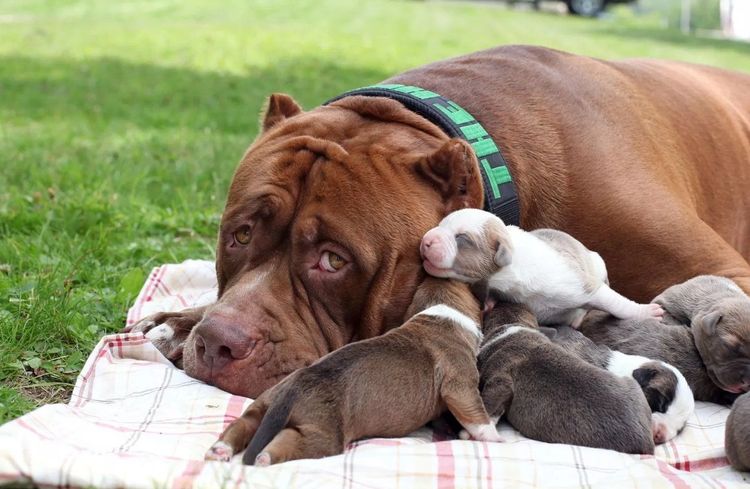
The causes of shortness of breath in dogs after giving birth can be both specific and general. Specific causes include problems arising from pregnancy and delivery. General causes, in turn, are divided into three groups:
- respiratory – diseases or mechanical damage to the respiratory organs, the presence of tumors or fluid accumulation in the sternum;
- Cardiological – weak heart or poor circulation;
- neurological – postpartum stress, pain shock, CNS pathologies, brain tumors, head injuries.
Rapid breathing in a dog after giving birth is, in any case, only an external sign of pathological processes occurring in the body. The most common reasons why a dog may experience shortness of breath are:
- fear, stress;
- high body temperature;
- exacerbation (during childbirth) of diseases of the bronchopulmonary or cardiovascular system;
- infectious diseases.
Also, a dog's frequent and heavy breathing, sometimes with its tongue hanging out and mouth open, can be caused by problems with the birth process, resulting in unborn puppies or a retained placenta remaining in the womb. In nursing dogs, panting can be caused by eclampsiaThis pathology is accompanied by a sharp decrease in glucose and calcium levels, which leads to the development of milk fever with convulsions and the risk of asphyxia (suffocation).

Dyspnea, which occurs alongside general weakness, vomiting, bloody discharge, anemia, and other clinical signs, poses a particular danger to a dog's health and life. In all these cases, immediate medical attention is required, as the risk of death is high, regardless of the type of dog you have: Chihuahua, Yorkie, Pomeranian, Pug, or Lab.
First aid
The most important thing to avoid is self-medication and delaying veterinary care. You can only provide first aid to your pet until the veterinarian arrives.
Important! Panting after birth causes severe stress in the dog, as it can cause an irregular heartbeat, which can overexcite the nervous system. Therefore, do not force the dog to lie down or force her to drink or eat, as this can worsen the situation.
Furthermore, if your pet's lungs become oversaturated with oxygen while lying down, the lung tissue may rupture. It's best to leave her alone or move her to a quiet place and reassure her by stroking her chest.
In general, the first aid algorithm for a dog with difficulty breathing should be as follows:
- rub any decongestant under the tongue - ½ tablet for every 7 kg of the dog's weight;
- rub your back, chest and ears intensively, perform closed heart massage;
- Inject an immunostimulant intramuscularly, dividing the dose required according to the instructions by 4 and giving an injection into each paw;
- Slowly inject potassium chloride into a vein, 3 to 15 ml depending on the size of your pet.
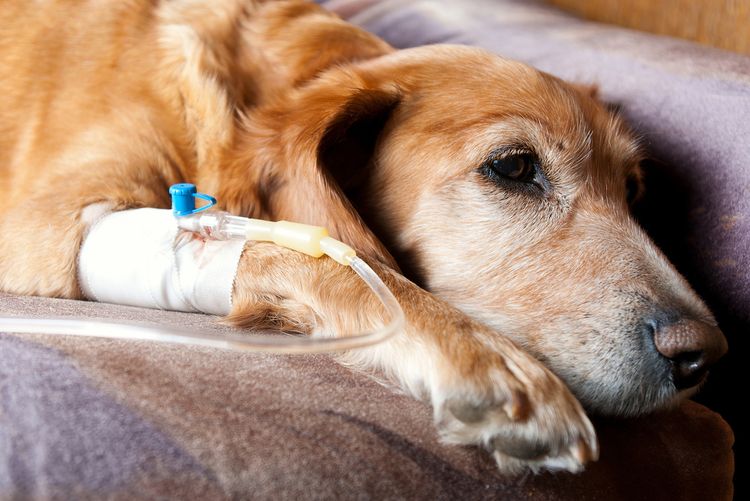
All of the above measures are carried out after calling a veterinarian to your home or while waiting for the opportunity to deliver the animal to the clinic.
Treatment
Shortness of breath in a dog after giving birth is not an independent condition, but a consequence of one of the pathologies mentioned above. Therefore, it is important to address the underlying cause and establish a correct diagnosis.
Depending on the nature of the origin of breathing problems, therapeutic measures should be as follows:
- For respiratory disorders, treatment involves symptom relief and increased oxygen delivery by administering an oxygen mask or performing mechanical ventilation. Subsequent therapy is directed toward treating the underlying condition or eliminating the cause of shortness of breath, including surgical interventions (fluid aspiration, foreign body removal, or tumor removal).
- For cardiac pathologies, X-ray and ultrasound examinations, hormone tests, blood and urine tests, including parasite infestation tests, are performed. In cases of severe pain, analgesics are prescribed. with pulmonary edema - diuretics and anti-inflammatory drugs.
- For neurological problems, diagnosis and treatment are the same as for cardiology, but for a more accurate diagnosis, an MRI is additionally performed.
If anemia is also a contributing factor to a dog's dyspnea after giving birth, nutritional adjustments are necessary. In cases of eclampsia, intravenous fluids with glucose saline and calcium supplements are required. Antihistamines may be helpful in certain situations, and antibiotics may be helpful if inflammation is present. In any case, treatment should only be prescribed by a veterinarian after a thorough examination and diagnosis based on laboratory and clinical testing.
To reduce the likelihood of panting in a dog after whelping, it's important to provide the right living conditions, a balanced diet, and pay close attention to her well-being, especially during pregnancy. It's also important to avoid obesity, prevent stress, promptly treat even minor ailments, and keep vaccinations up to date.
Read also:






Add a comment