
Reverse Sneezing in Dogs: What It Is, Causes, and Treatment
Sometimes dog owners visit veterinarians complaining that their pet suffers sudden attacks upon waking or during a walk, resembling an asthmatic cough or a strange "sneezing while inhaling." This condition is called reverse sneezing syndrome.
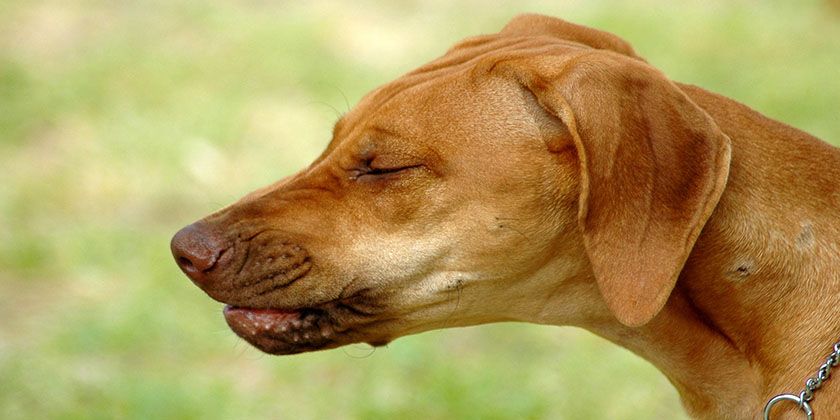
Some dogs experience occasional bouts of reverse sneezing throughout their lives without causing any harm if they are caused by individual anatomical or physiological characteristics, rather than a disease.
Content
The mechanism of development of reverse sneezing
A dog's respiratory system includes the nasal passages, nasopharynx, larynx, trachea, bronchi, and lungs. Before entering the lungs, air is cleared of small foreign particles, dust, and mucus by contraction of the respiratory muscles. These particles are expelled toward the nasopharynx by the oscillatory movements of the ciliated epithelium and are either swallowed or expelled with forceful exhalation.
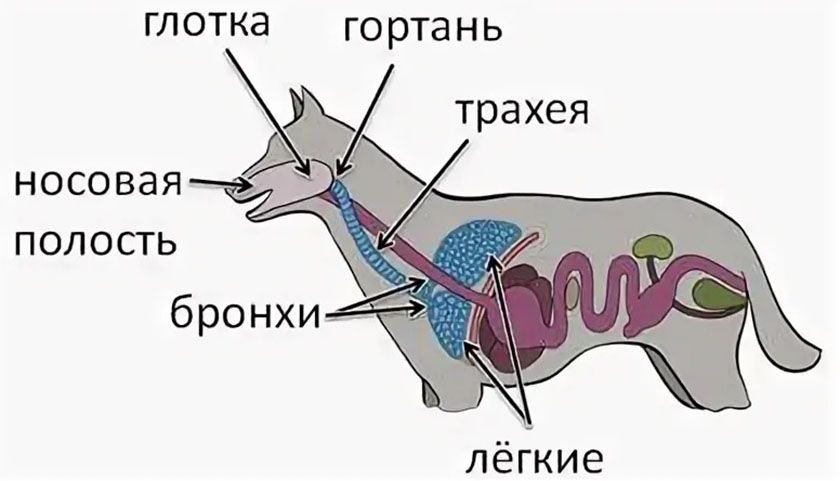
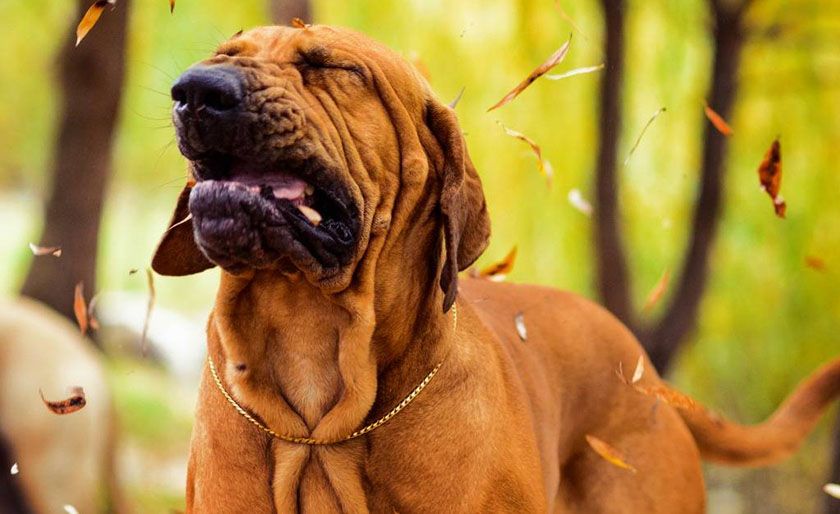
Sneezing is an unconditional protective reflex that helps remove an irritant from the upper respiratory tract. However, sometimes severe irritation of the laryngeal mucosa or the soft palate leads to an atypical respiratory response, similar to spasms. This is called reverse sneezing or so-called paroxysmal breathing: the dog attempts to inhale air internally, rather than exhale it as usual, as if suffering from an asthma attack.
The animal assumes a tense, unnatural posture: spreading its paws wide, stretching its neck, throwing its head back, opening its eyes wide, and may salivate profusely. A reverse sneezing attack in dogs typically lasts no more than a minute, after which the pet's behavior returns to normal and it resumes its normal activity.
Causes of reverse sneezing syndrome
Factors that can trigger an attack of reverse sneezing in dogs may include:
- household dust, plant pollen;
- strong odors of paints, household chemicals, deodorants, fragrances and air fresheners, strong perfumes;
- cigarette smoke;
- stress, strong arousal or increased individual emotionality;
- the habit of hastily eating food or drinking water;
- overheating or hypothermia;
- too low air humidity;
- a tight collar or other dog equipment;
- unusually high physical exertion.
Reverse sneezing in dogs can be caused by pathological conditions, including:
- brachycephalic syndrome (adhesion of the epiglottis to the larynx);
- hypertrophy of the palatine tissue (this pathology is most often found in older animals);
- benign or malignant neoplasms in the respiratory system;
- foreign bodies in the throat, trachea or nasopharynx;
- injuries resulting in displacement of the nasopharyngeal cartilages;
- helminths parasitizing the respiratory system (in particular, roundworms nematodes);
- diseases of the upper respiratory tract, oral cavity, gastrointestinal tract.
There is also a genetic predisposition to breathing problems in some dog breeds, most often related to the anatomical structure of the animal's skull. Small breed dogs and dogs with short, flattened muzzles (brachycephalic dogs) are prone to developing paroxysmal (excited) breathing.
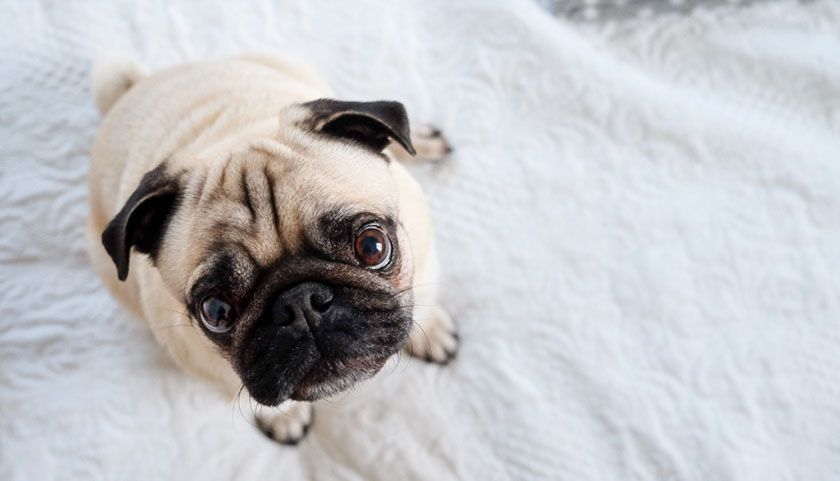
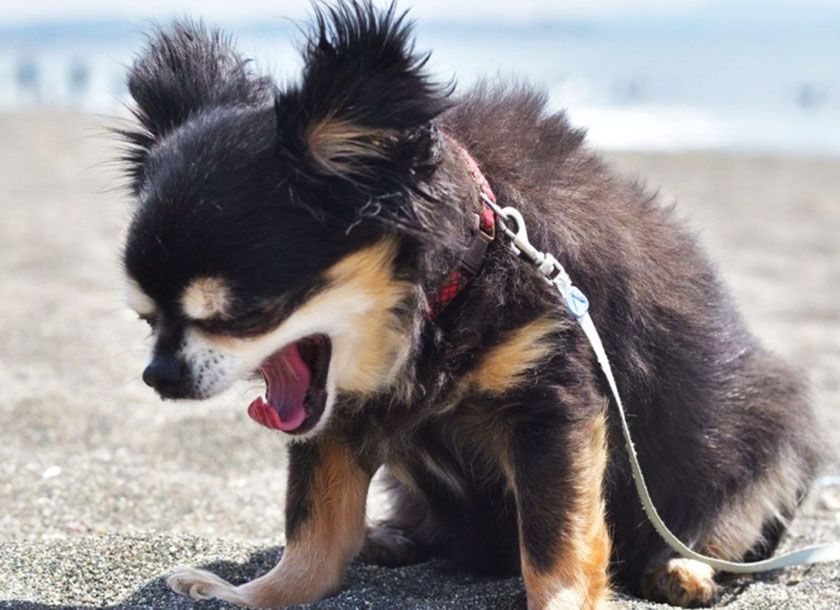
Reverse sneezing in small breed dogs (dachshunds, spitz, corgis, toy terriers, and Chihuahuas) occurs due to narrow tracheal rings that impede airflow. The trachea is a hollow tube located between the larynx and bronchi, the framework of which is formed by cartilage. When the tracheal rings are underdeveloped (hypoplasia), the animals develop paroxysmal breathing syndrome due to the insufficient width of the tracheal tubes.
In brachycephalic dogs (bulldogs, boxers, Pekingese, pugs), breathing difficulties are caused by the fact that they have narrow and short nasal passages, and the palate is thick and elongated, and can fall into the windpipe, partially blocking the airway.
Interestingly, paroxysmal breathing is not typical for brachycephalic cats, which include the Scottish and British breeds.
How to stop a reverse sneeze attack
At home, you can help stop reverse sneezing in your dog by using one of these proven methods:
- Blow air into the dog's nostrils. This will clear the airway and distract the animal.
- Relax the throat muscles by stroking the dog's throat several times.
- Temporarily encourage mouth breathing by covering the dog's nostrils with your hand. The dog will instinctively inhale deeply through its mouth, and the first breath will stop the reverse sneezing attack.
- Stimulate the swallowing reflex by giving the animal a sip of water.
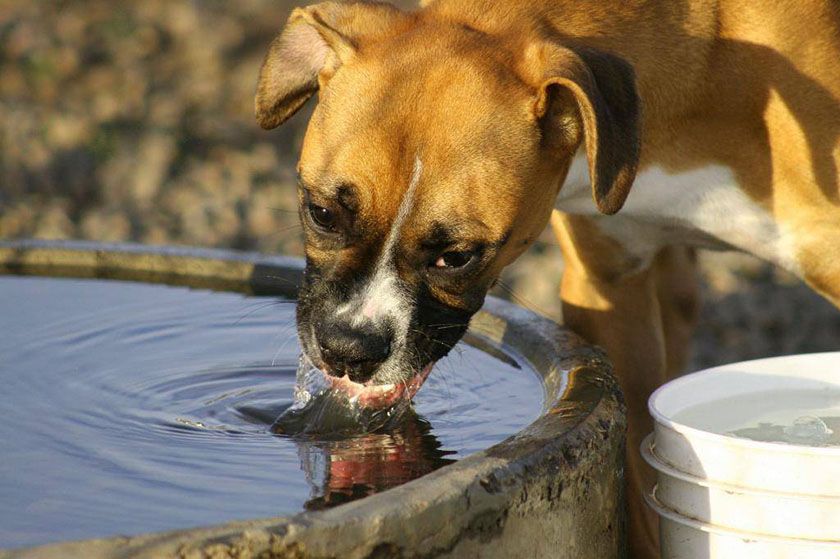
These methods only provide temporary relief, and to get rid of paroxysmal breathing syndrome in dogs, the underlying cause must be eliminated. To do this, we recommend:
- minimize the use of fragrances and air fresheners in the home;
- eliminate exposure to tobacco smoke;
- carry out regular wet cleaning of the premises;
- use a loose collar for your dog or replace it with a soft harness;
- If your pet eats and drinks too quickly, get him an interactive drinking bottle and a dispenser feeder that will help him slowly absorb food and water;
- It is recommended to use a portable humidifier in the room where a dog with brachycephalic syndrome lives.
Treatment
Reverse sneezing itself, unless it's severe or frequent, is harmless and doesn't require treatment. However, if the condition is chronic and accompanied by other alarming symptoms (difficulty breathing, loss of appetite, profuse nasal or ocular discharge, or loss of consciousness), or if it's caused by a serious anatomical pathology or disease, it's important to consult a veterinarian.
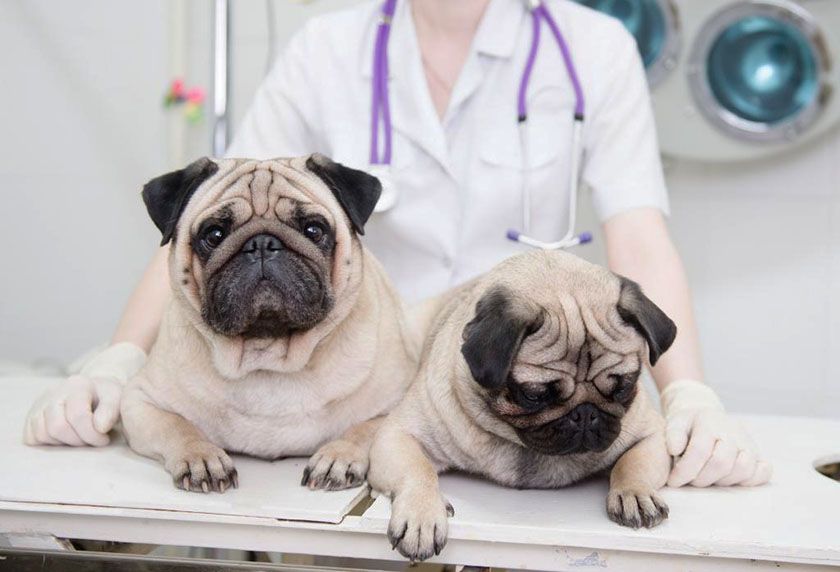
To determine the cause of a dog's paroxysmal breathing, the veterinarian will examine the animal and check for any tumors or foreign bodies in the airways. They will carefully review the owner's medical history (if possible, it is recommended to record the dog's reverse sneezing on video) and, if necessary, suggest testing for viral, bacterial, fungal, parasitic, or other respiratory infections.
In most cases, treatment for reverse sneezing is limited to conservative methods. Once the underlying cause is addressed, the episodes of respiratory distress disappear.
Depending on the underlying cause of reverse breathing in a dog identified during examination, the animal may be prescribed certain medications:
- In infectious diseases, it is recommended to take antiviral or antibacterial drugs that selectively act against a particular pathogen, or broad-spectrum antibiotics (Baytril, Dioxidine, Kanamycin, Gentamicin).
- To eliminate allergy symptoms, antihistamines are prescribed (in veterinary medicine, Suprastin, Tavegil, Zyrtec, Loratadine, Cetirizine are used).
- For severe, persistent, and prolonged allergy attacks, which can sometimes cause shock in dogs, medications based on natural hormones—corticosteroids (Dexamethasone, Kenalog, Megadexan, Medrol, Prednisolone)—are effective. If you have a brachycephalic dog prone to allergies, it's a good idea to have a corticosteroid in an ampoule—in some cases, its use is the only chance to save the animal's life by quickly relieving severe laryngeal swelling.
- If the cause of reverse sneezing in a dog is a helminthic infestation - the presence of endoparasites in the dog's body - the animal will be prescribed a course of treatment with anthelmintic drugs (Caniverm, Dirofen, Drontal, Procox, Milprazon).
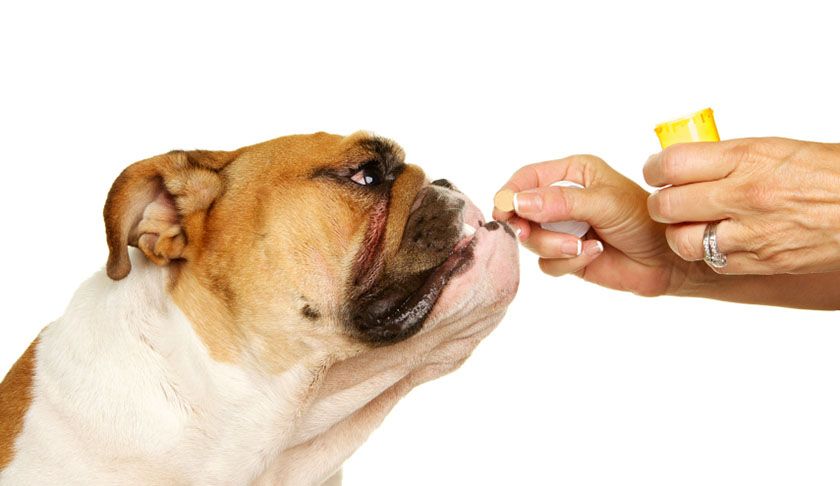
For dogs with brachycephalic syndrome due to allergic or inflammatory swelling of the upper respiratory tract, complex treatment is used, including diuretics, antihistamines, and anti-inflammatory drugs. Diuretic medications used in veterinary medicine to remove excess fluid from tissues include:
- Furosemide;
- Indapamide;
- Hydrochlorothiazide;
- Loperamide;
- Xipamide;
- Lasix.
In cases of severe airway obstruction and/or respiratory tract obstruction syndrome, symptoms that contribute to oxygen starvation and therefore threaten life, surgical treatment is usually used.
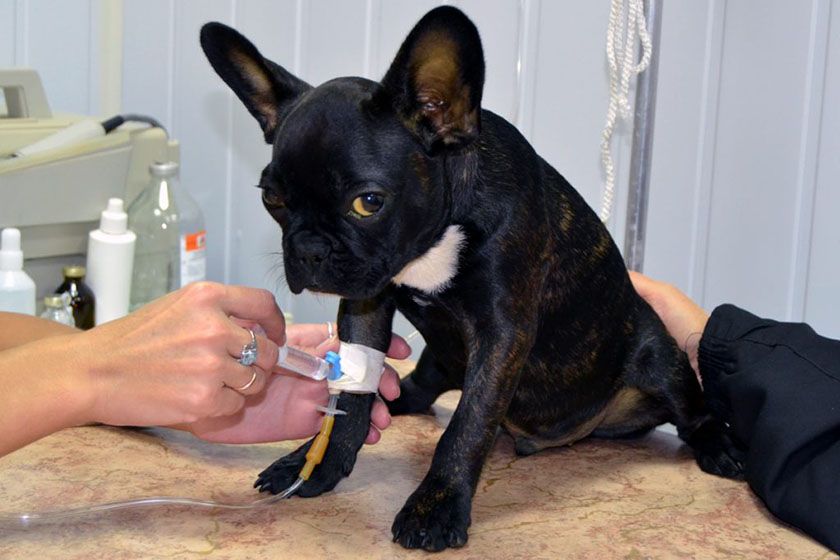
For stenosis of the nares, rhinoplasty is performed to widen the nasal passages. For hyperplasia of the soft palate, the portion of the soft palate that obstructs airflow into the airways is resected (palatoplasty). Indications for surgical intervention also include eversion of the tracheal sacs, laryngeal collapse, and tracheal hypoplasia.
These surgical procedures for reverse sneezing syndrome in dogs improve the quality of life and are typically performed once, with the need for repeat surgery extremely rare. Surgical treatment of reverse sneezing syndrome is recommended for dogs at an early age; puppies tolerate the procedure better, and further progression of the condition is prevented.
Read also:
- Bronchial asthma in dogs
- Tracheal Collapse in Dogs: Symptoms and Treatment
- Boxer Dog - Breed Characteristics


Add a comment