
Pain relievers for cats
Pain is the body's physical response to damaging factors. Pain causes the body to avoid such factors whenever possible, but this also triggers pathophysiological processes that are harmful to the body: increased blood pressure, elevated sugar and cortisol levels, and respiratory depression. Severe pain can cause shock and lead to death. Therefore, pain management is essential not only for humane but also medical reasons. Changes in behavior indicate that an animal is experiencing pain.
Content
Signs of pain in cats
Cats are very patient creatures and show pain less often than dogs. Most often, a cat will retreat into a corner and silently endure the pain, openly expressing its suffering only when it's at the brink of shock. An owner must be able to understand their pet so that they can come to its aid in a critical situation.
Symptoms of pain in cats may include:
- an increase or, conversely, a decrease in normal activity;
- attempts to avoid contact with a person, even to the point of displaying aggression;
- loss of appetite;
- an unusual posture that an animal adopts in an attempt to relieve discomfort;
- constrained movements;
- constant change of place;
- salivation;
- rapid breathing and pulse.
Types of veterinary pain relievers
Pain-relieving medications are divided into 2 types:
- Narcotic analgesics. These are primarily morphine-based medications (opioids). These drugs provide a strong pain-relieving effect because they act directly on the central nervous system, blocking the pain center in the brain. Opioids also act as hypnotics and sedatives.
- Non-narcotic pain relievers. Nonsteroidal anti-inflammatory drugs (NSAIDs) are most often prescribed for pain relief in pets, many of which are also used in humans. These medications are effective in relieving moderate pain caused by joint or muscle inflammation or gastrointestinal disorders.
Caution! Cats are very sensitive to medications, so remember to administer any painkillers only as prescribed and under the supervision of a veterinarian. The slightest error in the type of medication or dosage can lead to dangerous consequences.
Analgesics approved for use in cats
The number of painkillers used to treat cats is quite limited. This is because many medications that are harmless to other animals are toxic to cats.
Narcotic analgesics
For animals, and cats in particular, both natural and synthetic narcotics are prescribed in exceptional cases: they can be addictive, can cause severe side effects, and are difficult to obtain from a veterinary pharmacy. Narcotic analgesics adapted for cats include:
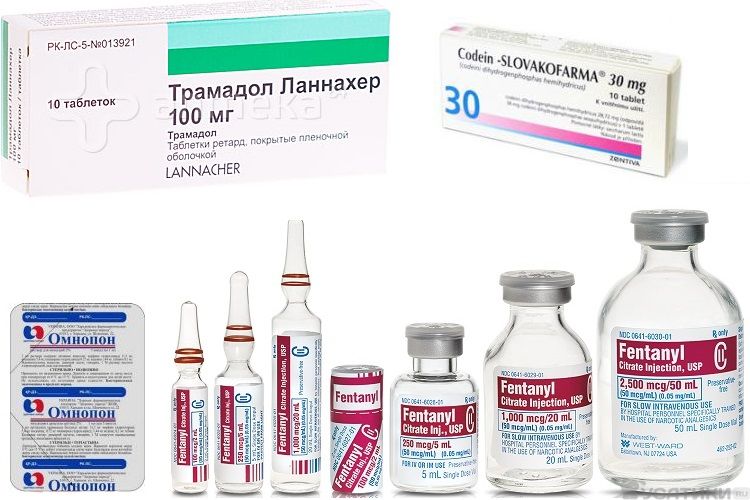
- Tramadol, Fentanyl. Opioid analgesics that can relieve severe pain associated with injuries or malignant tumors. Possible side effects include vomiting, drowsiness, and diarrhea. Available as tablets, capsules, drops, and ampoules. Available by prescription, approximate prices: 10 2 ml ampoules of Tramadol cost approximately 200 rubles, and 5 ampoules of Fentanyl cost 48-50 rubles. Fentanyl patches are also available as a local anesthetic and can be used on pets.
- Omnopon. A narcotic analgesic, a mixture of morphine, codeine, noscapine, thebaine, and papaverine. It effectively relieves post-traumatic and post-surgical pain, as well as cancer-related pain. Overdose can cause side effects typical of narcotics, including muscle weakness, drowsiness, vomiting, and respiratory depression. It is available as a 1% or 2% injection solution and is sold by prescription.
- Codeine. A derivative of the opioid methylmorphine, it is less effective than fentanyl and tramadol. It is intended for the relief of moderate pain. Codeine can cause vomiting, constipation, food aversion, and lethargy in cats. It is available as tablets and injectable solutions and is sold by prescription. A blister pack of 10 codeine tablets costs 42-45 rubles.
Helpful information! Whenever possible, narcotic analgesics are best administered to cats by injection. Giving the medication orally can irritate the stomach lining, which is thin and easily damaged in cats.
Nonsteroidal anti-inflammatory drugs
These medications not only relieve pain but also address its cause. Unlike narcotics, they are not addictive. However, in cases of severe pain caused by serious injury, surgery, or cancer, these medications may not be effective enough. There are specialized NSAIDs for pets:
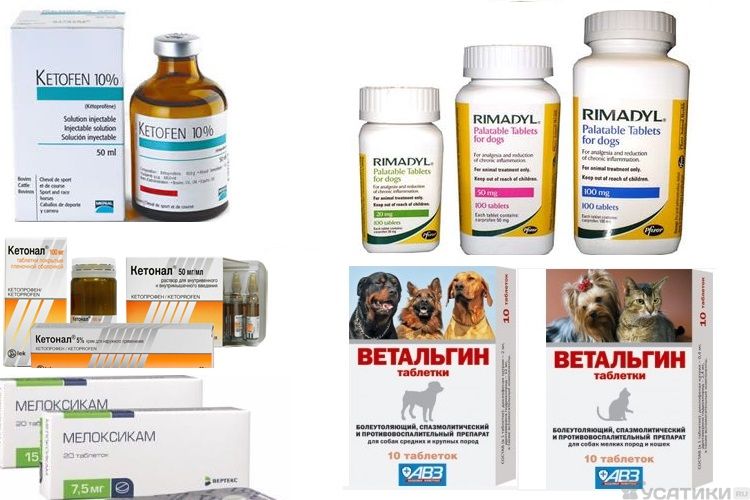
- Ketofen. A carboxylic acid analgesic that effectively relieves pain and inflammation. It is available as tablets, injection solutions, and gels and ointments. A package of 10 tablets costs 425–515 rubles.
- Quadrisol (active ingredient: vedaprofen). Recommended for musculoskeletal disorders, it has virtually no side effects, making it suitable for long-term use. Available as a gel for oral use.
- Ketonal. The active ingredient is ketoprofen, a propionic acid derivative. Available as tablets for oral use, injection solution, and topical gel. It has a fairly strong analgesic effect, making it suitable for the relief of post-traumatic and post-surgical pain, as well as cancer pain. Twenty Ketonal tablets cost between 230 and 260 rubles.
Caution! There's a drug with a similar name to Ketonal. It's Ketorol, a potent medication strictly prohibited for cats. Even minimal doses of Ketorol cause stomach bleeding in cats.
- Meloxicam. An NSAID of the oxicam group, available in tablets and ampoules, with moderate analgesic and anti-inflammatory effects. In cats, it is primarily used to treat bone diseases and during rehabilitation after injury or surgery. Long-term use may cause gastrointestinal upset. The average cost of a package of Meloxivam (10 tablets) is approximately 150 rubles.
- Rimadyl. The active ingredient is carprofen. The drug is available in two forms: an injection solution and tablets. It is prescribed to cats to relieve swelling and pain in the postoperative period, after injuries, and for inflammatory diseases of the musculoskeletal system. Side effects are rare; they are typical of most NSAIDs and mild. Rimadyl is one of the more expensive veterinary medications: 20 tablets cost from 500 rubles.
- Vetalgin. A combination broad-spectrum NSAID containing drotaverine hydrochloride and diclofenac sodium. It is used to relieve pain associated with urolithiasis, gastrointestinal smooth muscle spasms, and bone and joint disorders. For cats, it is available as tablets containing 0.4 mg of diclofenac and 2.4 mg of drotaverine. When administered correctly, it does not cause side effects. A blister pack of 10 tablets of Vetalgin costs 45-55 rubles.
Caution! Due to their irritating effect on the gastric mucosa, NSAID painkillers are recommended to be given to cats after meals.
How much do they cost?
To relieve pain in cats, medications intended for humans are also used as prescribed by a veterinarian. Their dosage is approximately the same as for children under 3 years of age. The list of approved medications includes:
- Aspirin;
- Papaverine,
- No-shpa;
- Baralgin;
- Analgin;
- Amidopyrine;
- Butadion.
All painkiller dosages for cats listed in the instructions are approximate. When prescribing a particular medication, the single and daily doses are calculated by a veterinarian based on the animal's weight and age, as well as the severity of the pain.
You can also ask our website's staff veterinarian a question, who will answer them as quickly as possible in the comments box below.
Read also:
- How long does it take for a cat to recover from anesthesia after castration?
- How to prepare a cat for neutering
- Sterilization of a cat


198 comments
Elena
Could you please tell me what dosage of drotaverine 40 mg I can give my cat? He pees blood and sits on the ground for a long time.
Marina
Hello! My cat had the tip of his tail amputated. What pain reliever can I give him at home that people take? What's the dosage? Thank you very much!
Daria is a veterinarian
Hello!
I understand that my answer is no longer needed, but to make sure such questions arise less frequently in the future, I will answer.
Medications and dosages should only be prescribed by a doctor during an in-person examination! All medications found in human medicine cabinets are not safe for animals.
Please don't ask for prescriptions online—it's wrong! Online consultations can only refer you to the right doctor and suggest a diagnosis, but treatment will not be prescribed without an examination and diagnosis.
When people are sick, they go to the doctor. Your pet also deserves to show off itself and you, as the most attentive owner, to its doctor.
Let the little highlight of your furry friend only decorate him.
Natalia
Good afternoon. My cat is putting his paw in his mouth, eating less, and meowing. We understand he has problems with his mouth. We took him to the vet, where the doctor said he needed to have his tartar removed and, with our consent, took him in for surgery. He told us to come back in an hour. A few weeks passed, a week and a half, and we went back for a couple more appointments. According to the doctor, everything is normal and healing well, as three teeth were removed during the cleaning (they were held in place by tartar, according to the doctor). However, the problem persists: the cat still puts his paw in his mouth, refuses to eat, and even liquid food causes him discomfort: he clicks his tongue, grinds his teeth, and sometimes it feels like he's choking (even on liquid food).
What do you think it could be? For pain relief and anti-inflammatory medication, we were prescribed Onsior for cats, 1 tablet daily for 5 days, and gabapentin, 1/6 of a capsule twice daily for 14 days. Onsior helped us on the 4th or 5th day; the cat's pain subsided, his appetite returned, and he asked for more.
But after stopping it, we remained on gabapentin, and all the symptoms returned. The cat refuses to eat; it's clear something's bothering him in the mouth and he's trying to help himself with his paw again. Three times after brushing his teeth, various specialists at the veterinary center examined the cat's mouth (albeit briefly, inattentively, and without any interest in helping), but none of them found anything wrong. They say everything is fine. What should we do? The doctor says the X-rays aren't helpful and won't reveal the problem. Gabapentin is a lifelong treatment, but it's not helping the cat at all.
Tatyana Shmonina - veterinarian
Hello! I need to take a closer look at my mouth; it's possible there's a foreign object (like a piece of string) stuck in my sublingual space.
Elena
Hello, my 11 year old cat is urinating blood. How can I help at home?
Daria is a veterinarian
Hello! Without a thorough examination and a definitive diagnosis, starting treatment is not only impossible, but also extremely dangerous. Self-medication without understanding the animal's true condition can lead to a sharp deterioration in condition and even death. Older pets are susceptible to kidney disease. Urolithiasis is also possible. A stone can lead to a urinary tract obstruction. A basic ultrasound, blood biochemistry, and complete blood count and urine tests are all necessary. A complete blood count will determine whether kidney damage is present. A complete blood count will determine whether there is inflammation, and a urine test will check for crystals, foreign bodies, protein, red blood cells, white blood cells, and bacteria. An ultrasound will then reveal the exact location of the problem, whether a blockage is imminent, whether surgery is necessary, or whether medications will suffice.
Irina
Hello, could you please recommend a pain reliever for my 9-year-old cat? He got into a fight with another younger cat and started limping on his front paw. At first, it was a little, then he couldn't move at all. We took him to the vet, who examined him and prescribed a pain reliever. It helped, and he stopped limping. But two months later, he started limping again, and severely. The paw isn't swollen, and there are no visible injuries.
Daria is a veterinarian
Hello! What exactly was prescribed? It would be best to get an X-ray to determine the cause of the relapse. To rule out joint pathologies and possible injuries. Basically, get at least a preliminary diagnosis and then decide on the medication.
Irina
Good day. We bought Ketonal for our cat's pain; he had surgery today and his paw was amputated. What dose should we give him? The medication comes in capsules and the dosage is 50 mg. Thank you.
Daria is a veterinarian
Hello! The clinic should have given you recommendations for caring for your pet, including pain medications and dosages. Without knowing your pet's weight, it's impossible to give you a dosage. Your pet's exact weight is needed. And dosing these capsules is very inconvenient! You only need a small amount for a cat. It would be better to use Meloxivet or other suspensions specifically designed for animals! They're easier to dose based on your pet's weight.
Olesya
Hello! What can I give my cat? He screams, licks, and bites his penis! He screams loudly, and his lower body trembles! He's not neutered!
Daria is a veterinarian
Hello! Don't give anything at home; rush to the clinic and investigate the cause. It's possible that the cat has an inflammatory process in the urethra (it could be sand or stones lodged and causing pain). The cat may have balanoposthitis, requiring antibiotic therapy and topical treatment. Something hard may have gotten into the penis. Random pain relief is not the answer! The underlying cause must be addressed. If there is inflammation, then using anti-inflammatory and painkillers without addressing the underlying cause will lead to a chronic course with periodic exacerbations.
Elena
Hello. Can you tell me if I can give my cat Ketonal Dul 150 mg? If so, what is the dosage? She weighs 2.4 kg and is 1 year old.
Daria is a veterinarian
Hello! No, you can't. The active ingredient is ketoprofen, which carries a high risk of gastrointestinal ulcers and bleeding. Kidney problems may also develop. There are other medications from the nonsteroidal anti-inflammatory drug (NSAID) group. Self-medication is extremely dangerous!
Anna
Hello, please tell me what kind of painkiller can I give to a cat (2 years old), weight 3 kg
He got his tail caught in the door. His tail looks fine, he moves it, but he won't let me touch him and starts screaming. We can't take him to the vet until the morning. How can I ease his pain?
Daria is a veterinarian
Hello! Meloxicam (the active ingredient) is suitable for cats, but even the smallest doses in human pharmacies contain far too much active ingredient. This could lead to an overdose.
Alena
Are you out of your mind?! Aspirin, analgin?! For a cat???? People, think about this doctor's competence! And take care of your pet.
Yana
Hello! Last night my cat felt ill and threw up some mucus, something unknown. She fell on her feet and was rocked when she walked, she didn't want to eat anything, her pupils were dilated, she was lying in one position, I even thought her paws, nose and ears were cold. I don't know how to help her. Her stomach has also been swollen for a week now, or something, it's not like usual. She's lost all activity. When she walks she rocks and has no strength at all. Please tell me what to do, I can't take her to the clinic.
Daria is a veterinarian
Hello! Your pet has had a bloated stomach for a week and is feeling unwell, and you're hoping to help them at home? You need to rule out a foreign body in the intestines, which can cause vomiting, bloating, abdominal pain, loss of appetite, and bowel movements (if not a foreign body, then intussusception or intestinal volvulus can cause obstruction). Without surgical intervention, the animal may die. It's good if the problem is just indigestion. However, a definitive diagnosis is impossible without an in-person medical examination.
Dasha
Hello, can you tell me how to apply ointment to my kitten's inflamed bottom? She either wipes it on everything or tries to lick it, but do I need to apply the ointment somehow, or can I apply a bandage for half an hour and walk around with it without letting go of my hands, or what?
Daria is a veterinarian
Hello! Did your doctor prescribe an ointment, or are you self-medicating? What ointment was prescribed, and what is the animal's diagnosis? It's possible the itching is caused by frequent loose stools, helminths, or an inflammatory process in the lower gastrointestinal tract. It's possible that giving anti-inflammatory medications, and after identifying the underlying cause, antihistamines will be sufficient, and everything will go away. Otherwise, you need to hold the animal until the ointment is absorbed. A collar won't help, as the animal will start squirming and rub it off.
Adema
Hello! Our cat climbed into a transformer and was electrocuted. His ear, eye, and paws are intact, but there are fractures. We live in a village where there is no veterinarian, and we don’t know what to do. We washed the wound on his ear with chlorhexidine and put eye drops on it.
Daria is a veterinarian
Hello! There are long-term effects from electric shock, and they affect internal organs. A fracture should also not be left without veterinary care. It is essential to immobilize the bones and joints near the fracture. Movement should also be restricted, stress should be reduced, and pain medications should be administered. Many humane medications are not suitable for cats (most can even be harmful). Meloxicam and its analogs are most commonly used for pain relief. However, I DO NOT recommend self-medication of your animal.
Natalia
Hello, my cat has gingivitis. It's incurable, as after numerous veterinary visits, she was advised to have her teeth cleaned. They are strong and have inflammation in the teeth. There's no veterinary dentist nearby. My question is, what medication can I use to relieve the swelling and pain in my cat's mouth to keep her in a reasonable condition?
Daria is a veterinarian
Hello! Get an x-ray of your pet's jaw. Let veterinarians assess the condition of the tooth roots and the extent of the inflammation. Just because they look fine on the outside doesn't mean the roots are in perfect condition. Inflammation will begin in the roots, deep within the jaw, and even removing all the teeth won't help. Relieving tooth pain without addressing the underlying cause is like bandaging a leg with gangrene. Sooner or later, it will end badly. Imagine if your teeth were constantly hurting. Would you take painkillers or go to the vet for help?
Elena
Hello! Unfortunately, my cat is sick, he's not young anymore - almost 15 years old. He vomited in the evening, and in the morning he stopped eating, sniffed, licked, and then moved on. I took him to the doctor, who turned out to be a foreigner. I don't care what country the doctor is from, believe me, but I can see he doesn't speak Russian well, and not only does he speak it poorly, but he also doesn't understand everything I tell him about the symptoms of the disease. He suspected acute or chronic gastritis; hepatopathy, pancreatitis. It's a good guess, since there's no examination yet. He prescribed: Cerucal 0.4 ml intramuscularly, Acilok 0.4 ml intramuscularly, Hepatozhdekt 1.5 ml subcutaneously, sodium chloride 50 ml + vit. B12 250 mg subcutaneously infusion, and Baralgin 0.4 ml intramuscularly. The cat's weight is 3 kg 700 g. Immediately after all these injections, the cat almost died. White foam began coming out of his mouth and didn't stop for about 10 minutes.
They started reassuring me, saying everything was OK—it was a reaction to the baralgin. I brought the cat home, and he barely recovered. I didn't see any improvement after the injections. The next morning, I took him back to the clinic for a blood test. It took me two tries. After that, we got the same injections again, and I immediately took him home—we live close to the clinic. Ten minutes later, I saw my cat lying in an unnatural position in his litter box, his eyes rolled back in his head. I thought he'd died. But five minutes later, he came to. Turns out, he'd fainted. His blood tests were normal, and another doctor did an ultrasound and found lymphoma of the duodenum. I'm giving him hormones.
And today, I came across your comments online, browsed some more, and was stunned... It turns out that giving the cat Baralgin injections wasn't advisable at all, but if I were to give them an injection, it certainly wouldn't have been 0.4 ml, considering the cat weighs less than 4 kg. So, 0.2 ml max?! So, a foreign doctor nearly killed my furry friend, and he somehow miraculously survived after such a lethal dose... To say I'm in shock is an understatement.
Daria is a veterinarian
Hello! It's strange that a cat with lymphoma and repeated vomiting (loss of appetite) suddenly has normal test results. Especially in an elderly cat. I don't believe it. Most likely, either the clinic interpreted the results incorrectly or they messed something up. It's best to treat a cat for lymphoma with a veterinary oncologist. A general practitioner won't be as meticulous about the treatment, as oncology has its own nuances, and treatment should focus not on hormones, but on cytostatics (chemotherapy) or even surgery to remove the lymphoma.
Elena
Thank you very much, Doctor, for your concern and responsiveness, and for your prompt response. I took my cat to the oncologist, and we discussed in detail the diagnosis (alimentary lymphoma), the outlook, and treatment options. After weighing everything, taking into account the cat's age (15 years), we decided to use conservative treatment. I started giving him prednisolone 5 mg, 3/4 tablets once a day; mirtazipine, 1/8 tablet once every 48 hours. If vomiting occurs, Cerucal, 0.3 ml intramuscularly, was recommended. Thank goodness! My furry friend has become more cheerful, persistently following me and demanding food, until vomiting returns (I'm afraid to jinx it—knock on wood). I hope I can support his health as much as possible, and he will be with us for a while longer. And then we’ll see what to do, depending on the dynamics... Good health to you, doctor, and success in treating your such difficult patients!
Daria is a veterinarian
Hello! Thank you so much for such kind words. I'm so glad you responded so quickly and saw a specialist, selected a treatment plan, and started it. I'm happy it's helping your pet.
All the best to you too. And may your kitty live many more years without pain and suffering with such a responsible and caring owner! Happy holidays =)
Tatiana
Hello, please tell me what to do. According to the biochemistry results (my cat is 13 years old), ALT is 153, AST is 90.9, and Amylase is 3198. He won't eat or drink anything and has lost half his weight (he's down to 3 kg). We've been giving him Thioprotectin, Hepadol, Amil, Katozal, Hepotafite, and electrolytes (Ringer's solution + saline, glucose) for almost two weeks. Yesterday, he started hiding and is unsteady. This morning, he asked for food, ate some chicken, a little, and after a while, he vomited it all up. I gave him pills, then fed him whipped oatmeal with pate (given at the clinic for the sick and recovering) with a syringe. After a while, he vomited it all up. I'm crying, I don't know how to help or what to do. I think the treatment was weak, just to maintain his immunity, because he's not that old. Please give me some advice!
Alena
Hello. My cat is 5-6 years old and weighs 6.2 kg. He had all 19 teeth removed. He was prescribed Flexoprofen, a painkiller, 0.25 ml daily. But it only provides daytime relief. I give it to him at 8 a.m., and by 6 p.m., the pain is back. The instructions say not to use it with other NSAIDs. What painkillers can I inject him with to prevent him from suffering at night?
Alena
Hello. My cat had all his teeth removed due to severe dental disease. He's 5-6 years old and weighs 6.2 kg. He was prescribed Flexoprofen as a pain reliever, 2.5 ml once a day. I give him an injection at 8 a.m., but by 6 p.m. he's in severe pain again, really suffering. Can I buy him some Ketonol and give him an injection in the evening?
Daria is a veterinarian
Hello! You may have misdiagnosed the dosage. Given your cat's weight, the maximum daily dose is 0.5 ml (assuming a 2.5% Flexoferon concentration). If Flexoferon is 5%, the maximum daily dose is 0.25 ml. The dosage depends on the medication chosen. As you correctly noted, it should not be combined with other anti-inflammatory and pain-relieving medications. The alternative is to split the daily dose into two doses and administer them 12 hours apart, or replace the medication entirely. Unfortunately, animals don't have a wide range of NSAIDs to choose from, and virtually none of the human medications are suitable for them (and can even be extremely dangerous to their health and life).
Xenia
Hello, please help. My cat came home from the street with a sore above his tooth. He started chomping, isn't eating, meows, and isn't active. Please tell me what this is and how to treat it.
Daria is a veterinarian
Hello! Your cat either has a gum injury (scratched by something) or infectious stomatitis (in which case antibiotics will be necessary). In either case, soft food and plenty of clean water are recommended. Either way, rule out a tooth injury to avoid having to have it extracted.
Maria
Hello, please help. My cat has stopped eating and drinking, has difficulty breathing, and only lies on her stomach. She's vomiting.
Daria is a veterinarian
Hello! In this case, you don't need painkillers, but rather emergency medical attention and a mandatory examination and checkup by a veterinarian. These symptoms could be anything, but most of the possible diagnoses are life-threatening. Self-medication will only lead to worsening and even death of your pet.
Iraida
Hello! My cat is 12 years old. She had surgery to remove a mammary tumor! She was given antibiotics and painkillers for five days. She was eating well. On the fifth day after surgery, we introduced a new food, Royal, for post-operative animals, and she developed diarrhea. She stopped eating and drinking. We haven't given her painkillers for two days. What should I do? She's stressed out from the injections! Should I give her more painkillers?
Daria is a veterinarian
Hello! Diarrhea could have developed either after taking antibiotics or due to a sudden change in diet. Smecta, Fortiflora (or another probiotic/prebiotic). Regarding stopping painkillers on your own, you should discuss this with your pet's veterinarian. They know best what the animal's current condition is. However, such medications are usually not prescribed for longer than 5 days. You didn't specify which painkiller was administered. Perhaps a longer-term use of the analgesic is acceptable. Don't force-feed, but give your pet water. Fluid is being lost from the body and needs to be replenished. Is your pet experiencing diarrhea or loose stools?
Olga
We gave my cat clintomiesin, but we didn't have time to finish the course; it was gone from the pharmacy. He's doing better on it, but now he's leaking from his mouth and smelling like crazy. He's started marking again. His mom is scolding him, and it's heartbreaking: "(((. What should I give him now, like painkillers from a human pharmacy?
Daria is a veterinarian
Hello! Perhaps you meant Clindamycin? But it's an antibiotic, not a painkiller. Did you prescribe it yourself or did a veterinarian prescribe it? The animal needs to be examined to determine what's wrong. How often and how much antibiotics are you giving? Does the bad breath persist or has it happened after stopping the antibiotics? Gastritis, stomatitis, and infections need to be ruled out. Meloxicam is a suitable human painkiller for a cat. No profens (Ibu or Keto) are allowed, as they can cause stomach bleeding. Is the cat neutered? If not, neuter him, and he won't mark the apartment.
Natalie
Good evening. My cat fell from the balcony. How can I ease his pain? He vomited, lies there constantly, and is breathing heavily. What painkiller should I give him now from the human medications?
Daria is a veterinarian
Good night! The situation is certainly unpleasant. You're unlikely to find Meloxicam, a medication approved for cats, in your medicine cabinet right now. Under no circumstances should you give paracetamol, aspirin (yes, it also has pain-relieving properties, although not as strongly as analgin), analgin itself (not well tolerated by cats), or ibuprofen/ketoprofen (they can cause stomach bleeding). Meloxicam is given to cats at a dosage of 0.1 mg of active ingredient per 1 kg of body weight, with the dose reduced by half on the second day. It's best to purchase an oral suspension (easier to dose, and you only need a small amount of the injection solution; you'll spill a lot)—for example, Loxicom. Go to the vet in the morning! Rule out internal injuries (heavy breathing is a concern).
Svetlana
Hello. Could you please tell me what painkiller is best for my cat with viral leukemia? His internal organs are enlarged, and the doctor said his spleen is 10 times larger. It's visibly painful to lie down, and he's constantly rolling over. What painkiller would be appropriate?
Daria is a veterinarian
Hello! Administering painkillers for this type of internal organ damage will only worsen the animal's condition. All NSAIDs (non-steroidal anti-inflammatory drugs, which also have analgesic properties) are contraindicated in organ or system failure. The only real painkillers are narcotics, but they are not available over-the-counter. Did they give you any injections at the clinic? Judging by the condition you described, the chances of recovery are, unfortunately, practically nonexistent.
Nina
Good afternoon. Could you please tell me my unspayed cat is currently crying, purring, and raising her tail. She seems to be in heat, but we can't take her to the vet yet; she'll be back in two weeks. I've heard that they experience the same pain as we do during our periods. Can I give her a quarter of a drop of analgin in water or less, and then buy some Stop Sex drops in the evening? Could you tell me which drops are best?
Daria is a veterinarian
Hello! Where did you read that? In rare cases, there may be some pain, and that's due to ovulation (when the egg is released from the follicle). But even then, it doesn't last more than a few days. She meows because she's looking for the cat, calling for him. Analgin is given to cats with extreme caution, but is often avoided due to its many side effects. Hormonal medications should not be given, as they can trigger the development of tumors in the future (they significantly affect the natural hormonal balance). Heat in cats is short-lived, so you can tolerate it for a while. And then it's time for spaying.
Galina
Please tell me how to numb my cat's mouth. We were in the hospital for 5 days and were given antibiotics and antivirals. I picked her up from the clinic in the morning and by evening all the symptoms had returned. She's not eating or drinking, and it's obvious she's in a lot of pain. When they examined her mouth, they said it was all covered in ulcers.
Daria is a veterinarian
Hello! What was the diagnosis? What exactly was the treatment? Can you give nonsteroidal anti-inflammatory drugs for pain relief? You can also try lidocaine (the same spray or baby teething ointment, but read the ingredients to make sure there are minimal additives). Did they prescribe anything for home use? Will they continue treatment or abandon the animal to its fate?
Marina
Good afternoon! Our cat got into a really bad fight. We can't take him to the vet; he has scratches on his head and stomach near his front paws. He's eating and drinking normally, but it's clear he's in a lot of pain, especially on his stomach. Can you tell me what I can give him to ease the pain?
Daria is a veterinarian
Hello! Just start treating the wounds, and the pain will subside within a day or two. Pain is most often due to inflammation. Therefore, clean the wounds with chlorhexidine or an aqueous solution of furacilin. Then, at least apply a thin layer of Levomekol ointment. You can add antibiotics (usually amoxicillin, synulox, and similar medications) for about 5 days, or longer only in cases of serious wounds. You can also relieve pain on the first day with a nonsteroidal anti-inflammatory drug. Meloxicam is not contraindicated for cats. It should not be given for more than 3 days. Cats generally adapt quickly to pain after skin damage.
Julia
Hello! My beloved pet was badly mauled by a dog. She's in terrible shape. There's no doctor in our village. We need to wait until Monday to take her to the clinic. Can we give her some human painkillers? She's trying to meow, but she's silent. She even purrs, but she's very weak. The wound was treated. She's lying down, occasionally getting up and moving to another spot. Her eyes are glassy.
Daria is a veterinarian
Hello! I prescribe meloxicam for my cats. So far, it has minimal side effects compared to other medications in the human medicine cabinet. However, antibiotics are needed. And always consult a veterinarian.
Julia
Good afternoon! Could you please tell me what painkiller I can give my cat for urolithiasis? He's having a hard time peeing, or rather, he's squeezing out a few drops. We went to the vet a few days ago, had him punctured with a syringe, draw out some urine, and did an ultrasound. They said there were no stones. They prescribed Cornam for four days and plenty of fluids. We did everything as the vet recommended, but the pain has returned. My cat is in pain, and today he's even started crying when he tries to pee! How can I help him?
Daria is a veterinarian
Hello! First of all, you need to give an antispasmodic, not a painkiller, to make it easier for the animal to empty its bladder (relax the urinary sphincter). Papaverine, drotaverine, or No-Spa (for example, take your pick). For a painkiller, choose a nonsteroidal anti-inflammatory drug (meloxicam is the most commonly prescribed human drug for cats), but don't use it for too many days (one to five, no more!). Antibiotics are essential to suppress pathogenic microflora to prevent further inflammation.
Well, if you're using homeopathy, you can continue it in addition to the main treatment regimen. But don't give homeopathy alone; it will only dull the symptoms, and once you stop, they'll relapse. If you neglect it, the animal will become a chronic case of relapse. Also, review the diet and be sure to increase the amount of water they drink.
Irina
Good day! My cat, 2 years old, jumped a day ago and hit his eye, he was howling, his eye was like a ball coming out of its socket, a bloody tear started to flow from this eye... I can't describe the horror of the picture, I live in a village, the veterinarian treats or vaccinates only cows and pigs, there is no point in going to see a doctor, the city is far away, I found a phone number through the Internet of one of the clinics, through the answer - "bring it to us ...", I barely begged what could be injected right away, under my responsibility they prescribed dexamethasone 0.5 + analgin 0.5 + No-shpa 0.5, I bought everything at the pharmacy, I injected No-shpa and dexamethasone, I was afraid to inject analgin, I heard that it is fatal for cats, in general the cat calmed down a bit, after 2-3 hours he even ate a "treat", liquid, in general, everything as it should be, I put him to bed in a clean, quiet place...
The cat ran away this morning and didn't come out until evening. His eye is deflated, but it's clear the "apple" hasn't burst yet. It's all covered in blood. I tried rinsing it with furacilin and chamomile tea, but it's not working. He barely ate or drank, and now he's lying there, breathing as if his nose is completely stuffy, but there's no discharge. I read on some website that dexamethasone works for 7 days. What kind of painkiller can I inject? What dose? Preferably from a pharmacy. What eye drops should I put in my eye? (Can I use navocaine? I read about 2%?) I need to rinse my eye. My eyelid won't close. I'm sure my eye has already lost its ability to see, but maybe it will at least stay whole?! Please help! I don't have the money to take it to the city.
Daria is a veterinarian
Hello! Yes, unfortunately, the eye is lost. Ideally, it should be removed, as it causes nothing but discomfort to the animal. Vision will no longer be possible. Since the eyelid doesn't close, it will begin to dry out (the cornea), and if you've ever worked at the computer for long periods, watched TV, read, or otherwise stressed your eyes, you know about "dry eye syndrome" and how painful it can be. Meloxicam is an NSAID, but not for more than 3 days. There's no point in using any eye drops anymore—not natural tears, not novocaine. The nerve endings will soon die, and the eye will become "foreign" to the body. And you'll still have to go to the vet.
Alina
Good afternoon! My cat screams every day. What's wrong? He's lost his appetite, lost weight, and has to go outside frequently. What could it be?
Daria is a veterinarian
Hello! Well, based on what you've written, I can make a very broad diagnosis – your cat is in pain. Who can give you a diagnosis without seeing the animal, examining it, running tests, and conducting additional examinations? Perhaps the cat fell outside, or was hit by a car? And has internal injuries, cracked bones. It could be an inflammatory process. Or maybe it's screaming because it's indoors but wants to go outside (if it's not neutered)? To figure it out, you need to have as much information as possible and see your pet in person.
Elenara
The cat had the tip of its tail removed (8 cm due to trauma). The doctor prescribed the antibiotic ceftriaxone and said that pain medication was not required. But maybe it is, and which one?
Daria is a veterinarian
Hello! Well, you can also administer nonsteroidal anti-inflammatory drugs to reduce the risk of developing serious inflammation, relieve pain, and even lower the body temperature if a fever develops. Postoperatively, you can give meloxicam (available at human pharmacies; the initial dosage is 0.1 mg of active ingredient per 1 kg of body weight, then 0.05 mg of active ingredient per 1 kg of body weight once a day for 1-3 days), or Ricarfa (the active ingredient is carprofen, available at veterinary pharmacies; for a cat, the dose is 0.24 ml per 3 kg of body weight, administered subcutaneously once, but this should have been done within the first 24 hours after surgery).
Elena
Thanks a lot
Catherine
The cat was spayed and the doctor prescribed ceftriaxone. What painkiller can I give her?
Daria is a veterinarian
Hello! If you're talking about a painkiller to dissolve the antibiotic powder, then use lidocaine. If you're simply trying to relieve pain immediately after surgery, then use a nonsteroidal anti-inflammatory drug (NSAID) (it's antipyretic, anti-inflammatory, and analgesic). Meloxicam (available at human pharmacies) is suitable. Give it for 1 day, maximum 3 (after that, the animal's body will begin producing its own "painkillers"). Giving it too frequently or in large quantities can cause complications.
Xenia
What kind of painkiller can I give to a 16-year-old cat? What is the dosage?
Daria is a veterinarian
Hello! Painkillers for what? There's no specific information regarding the situation. One is suitable for musculoskeletal conditions, another for cancer, and a third for wounds. Each problem must be approached individually. In one case, a regular nonsteroidal anti-inflammatory drug (like meloxicam), which can be purchased over-the-counter at a human pharmacy, will do. In another case, only narcotic medications (as in cancer cases) are needed. How can one suggest the correct dosage without knowing the animal's weight or any other medical conditions?
Victoria
A fracture is suspected. The cat is breathing rapidly, not eating, drinking water, and has clearly been licking his side. He barely walks and lies in an unnatural position. He meows hoarsely and quietly when called. None of the vet clinics are open, they're all on weekends. How can I help him, at least relieve the pain, and get him to eat?
Daria is a veterinarian
Hello! Well, let's say you manage the pain with at least meloxicam (given once a day for 1-5 days, no more), but what then? The animal is suffering. Perhaps it has a more serious injury and internal organs are damaged? Perhaps it needs surgery? Public clinics may be closed on weekends, but private clinics will not miss the opportunity to make money, so they will remain open. In any case, an X-ray is necessary! But how will you transport an animal with a suspected fracture? Don't expect miracles. Pain medication is not a panacea, but a temporary measure. Emergency IN-person qualified care after an examination is essential.
Alexander
My cat has a fever of 104.8 degrees Fahrenheit and a sore eye. How can I lower the temperature?
Daria is a veterinarian
Hello! A veterinary pharmacy will carry any nonsteroidal anti-inflammatory drug approved for use in cats (at least meloxicam is available in human pharmacies, but definitely not paracetamol, aspirin, or ibuprofen—they are all contraindicated for cats). Antibiotics should be added, as the fever is the body's reaction to the proliferation of pathogenic microflora (since there's inflammation). However, an in-person visit to a veterinarian is essential so that an accurate diagnosis can be made after an examination (whether it's just conjunctivitis or a serious infection, and the sore eye is just a symptom).
Victor
Good evening. My cat is 14 years old. She had a mammary tumor three years ago. She had surgery, and everything is fine. Then a year ago, the tumor returned, and the vet told her over the phone that nothing needed to be done except give her Cytostat tablets. Everything was fine for the past year, but about a month and a half ago, a lymph node appeared under her arm on one side and quickly grew to the size of a walnut. Five days ago, she started choking. Today, she breathes with her mouth open, lies in one position (almost sitting), and it's impossible to pick her up, and her choking is getting worse. She doesn't cry or meow at all, she just has difficulty breathing. She doesn't sleep, doesn't eat, and only drinks water.
She can barely move today; she starts short of breath and has to lie down right away. Is this cancer? And has it metastasized everywhere? The vet just said on the phone, "Don't even come, it's too late to save her, just give her a quarter of a bottle of Ketanov painkiller (which is what we did, dissolving it in water)." But I think maybe we should do an ultrasound, you never know. Or is this the only option? Anyway, if this is the case, we're planning to take her for euthanasia tomorrow, as she's really starting to suffer (even though she's not screaming at all!). But could you tell me the best way to transport her? She only feels more or less comfortable in one position, so we'll have to take her by public transportation. Should I give her some strong painkillers, or a higher dose of Ketanov? Even though we'll be taking her for euthanasia, I really don't want her to suffer even more during the trip... Sorry for the long text. I'm really looking forward to your reply...
Daria is a veterinarian
Hello! It's impossible to diagnose the disease remotely. An X-ray is required to confirm or rule out metastases. However, given the symptoms described and the previous surgery, it's safe to assume they are indeed metastases. Indeed, the most humane option is euthanasia. Why was the animal transported? A veterinarian could have made a house call. Don't any clinics in your city offer house calls? In any case, please accept my condolences and stay strong. Losing a pet is always very difficult.
Elena
Good day. Our 5-month-old kitten has a fractured front left paw. Today is Saturday, and our surgery isn't until Monday. He was prescribed Flexoprofen 2.5%, 0.2 ml once a day, as a pain reliever. However, the pain is severe, and once a day probably won't be enough. Can we give him more frequent injections, or is there something else we can do?
Thank you very much in advance for your reply.
Daria is a veterinarian
Hello! Unfortunately, mixing with other nonsteroidal anti-inflammatory drugs is not recommended. Injecting more than the prescribed dosage is dangerous (especially for a kitten). Furthermore, the maximum permitted course is 5 days. It's strange that the pain relief is short-lived in you, as a similar medication typically lasts for about 16-18 hours (it's important to stick to the schedule and not delay repeat administration). However, it's important to understand that a fracture can cause severe pain, and only a narcotic medication will provide truly powerful pain relief. Other available options only reduce the pain, but don't completely eliminate it.
Sveta
Hello! I need some advice! Our 19-year-old cat is failing in every organ system, her biochemistry is terrible, she has a cyst in her liver, kidney problems, and a weak heart. The doctor said there's no point in treating her and that the most humane option would be to euthanize her. I can't bring myself to take such a step as betraying her, and on the other hand, my heart breaks when I see her suffering. No painkillers seem to be working. She hasn't eaten for four days, but she drinks. Today, she started screaming after drinking water... Are there really no painkillers for our situation??? (((((((( Please tell me... or is euthanasia the only option left for us? (( ...
Daria is a veterinarian
Hello! Now read what you wrote, but imagine it's not your pet. Put your emotions aside. A cyst, organ failure, painkillers aren't helping. Tell me, is it humane to keep an animal and watch it suffer? Honestly. Don't you think it's selfish to cling to your feelings while forgetting that the animal is suffering? Believe me, I sincerely feel sorry for both the cat and you, but it's really much better to end the animal's suffering. In your case, only opioid painkillers will help, but you won't be able to get them yourself, and few clinics are licensed to handle narcotics. And they'll only delay the inevitable.
You'll just prolong the suffering. The organs will start to fail one by one, but since the biochemistry is terrible, this process has already begun... The decision is yours. But think about what you really want: to end the animal's suffering and let it go, or to keep it by your side no matter what. I apologize if my words offend you.
Julia
My cat was beaten by another cat. There are no visible injuries. He limps heavily and can't stand on his front paw. We can't take him to the vet. What should we do? It's obvious he's in a lot of pain.
Daria is a veterinarian
Hello! Give painkillers (at least meloxicam—it's available at a human pharmacy). But an X-ray is needed. We need to determine why he can't stand on his paw, whether there's any bone damage, or if it's just a bruise or sprain. Antibiotics may also be necessary if there are any wounds.
Natalia
Hello. Our vet diagnosed our cat (1 year 8 months old) with gingivitis. We treated him with Lincomycin and Adonin injections, but the disease returned. His gums are swollen, and it's painful for him to eat. He won't let anyone put anything in his mouth! What do you recommend?
Daria is a veterinarian
Hello! A stronger antibiotic should be given intramuscularly (I think 5-7 days, depending on the severity of the illness), and a nonsteroidal anti-inflammatory drug (NSAID)—like meloxicam, for example. Ideally, wiping the gums with a furacilin solution would be helpful, but I doubt it will help. Instead of water, try chamomile tea as an anti-inflammatory. In general, we need to find the underlying cause. My cat is young, so what's causing the recurring gingivitis? Could it be tartar? A dental injury, or just trauma? What are you feeding him?
Julia
Good afternoon. Could you recommend a pain reliever for a cat's burn? My cat suffered a burn when a pot of boiling water fell while she was cooking potatoes. The vets came and gave her a bunch of injections. They prescribed saline solutions (chloride and Ringer's) for her kidney and liver problems. But she's crying in pain and won't let me apply any ointment.
Daria is a veterinarian
Hello! Meloxicam can be taken orally. A topical spray with lidocaine would be a good option. Panthenol D spray is available at a human pharmacy. It's easier to apply than ointment. Trim the hair on and around the affected area. No bandages are needed. If the burns are severe, antibiotic therapy is necessary. Include vitamins A and E in the diet to promote tissue regeneration. DO NOT PRESCRIPTION ANALGIN AND BARALGIN FOR CATS.
Victor
Doctor, please advise me what to do! I live in a village, and there aren't even any veterinary pharmacies or vets nearby! One of the neighbors hit my cat so hard he can barely walk. If you run your hand along his spine, he starts meowing after the middle of his spine. He moves his back legs, but doesn't let you touch them. He hasn't eaten or drunk for 2 days, and he hides in a corner. I haven't seen him sleeping yet! There are no visible wounds, including a hematoma. We haven't really examined him, which is a shame, especially since we don't know how to do it and don't want to hurt him unnecessarily! Please tell me what to do!
Daria is a veterinarian
Hello! All you can do now is give painkillers (meloxicam is suitable for cats, especially for musculoskeletal problems), ensure rest, and administer rehydron or other solutions via a syringe without a needle to prevent dehydration. You can also give glucose or other saline solutions subcutaneously (you can alternate: glucose in the morning, Ringer's-Locke's solution in the evening, or vice versa). Do not force-feed, but you should give the animal water. Ideally, the animal needs an X-ray and ultrasound to rule out serious damage to internal organs (including internal bleeding). Check the visible mucous membranes for paleness.
Catherine
Hello, my cat is 4 months old. She fell or landed awkwardly and is limping. When you pick her up, she meows. Should I take her to the vet or wait a couple of days? She seems to be leaning on her paw a little.
Daria is a veterinarian
Hello! You should definitely take him there. If there's an injury, swelling will occur, which will make it more difficult to diagnose later (it's harder to feel the paw manually). If necessary, they'll order an X-ray. This will help determine the current condition of the paw. They'll apply a splint or cast if necessary, and recommend painkillers if needed.
Catherine
Hello, my cat doesn't have a fracture and everything is fine. I was advised to give her 1/4 Nise, but I don't have that kind of painkiller at home. What else can I give her?
Daria is a veterinarian
Hello! How did you rule out a fracture? X-ray or visual inspection? If you went to the clinic, why didn't you pick up the prescribed medications at the pharmacy on the way? Meloxicam is best for cats. But I doubt they have that at home. In a pinch (for overnight pain relief), analgin will do—about 1/5 of a tablet after meals. In the morning, pick up meloxicam from the pharmacy (a nonsteroidal anti-inflammatory drug with analgesic properties, most often used for musculoskeletal disorders).
Alena
Hello, doctor.
Help, please!!! I'm just begging for help!!!! My cat is 10 years old. He's been sick for 2 weeks. I live in a very small town and there aren't many doctors ((((, nor is there the necessary equipment. I was diagnosed with pulmonary edema and heart disease. We're treating him with the medications the doctors prescribed. But now the cat is feeling very bad. He's been meowing pitifully since the morning (((( The doctors advised me to inject 0.3 analgin + 0.5 papaverine + 0.3 diphenhydramine. But it's gotten even worse ((((( What can I use for pain relief???
Thanks for the answer !
Daria is a veterinarian
Hello! My cat has pulmonary edema, and they're prescribing triple therapy??? What else did they prescribe? Where's the forced diuresis with potassium monitoring? Where are the cardiac support medications? How was the diagnosis made? Of the painkillers available at least in a pharmacy, meloxicam is available. However, all such painkillers have side effects on the heart, kidneys, and liver. A budget option is still analgin, but it's harmful to the heart, and your cat already has heart problems, according to your doctors. The cat is meowing because breathing is difficult and painful. The problem needs to be addressed, not the symptoms.
Name
What should I give my cat if she has a broken paw?
Daria is a veterinarian
Hello! Medications containing meloxicam as the active ingredient are suitable for pain relief. These medications are also available in human pharmacies, but dosing them is more difficult than veterinary medications (the cat requires too little). Did the clinic tell you how to care for your pet while the bones are healing? Did they even put a cast on it?
Olga
Hello, please help. My lop-eared cat has problems with his hind legs; it looks like joint inflammation. The vet recommended meloxicam and calculated the dosage, but I didn't ask where to inject, into the withers or into the muscle. Could you please tell me if there's anything else you can suggest?
Daria is a veterinarian
Hello! It's administered subcutaneously. However, for your convenience, you could have taken the suspension or, in a pinch, the tablets. The dosage has been calculated, so be careful not to overdose. Use after feeding, as, like all other NSAIDs, it affects the gastrointestinal tract.
Inna
Hello! Kitty's pupils have completely darkened. She ate a little and vomited. She slept all day. I suspect she has a concussion. (She sometimes jumps on the window when she plays, but apparently she hit it when it was closed.) What first aid measures can I take?
Daria is a veterinarian
Hello! At home, the only thing you can do is provide rest. A diagnosis is needed. It might not be a concussion, but rather an issue within the eyeball. A thorough examination is needed, perhaps surgery. Are the pupils different sizes or the same? How do they react to light? Is the pupil shape unchanged? Is there nausea? Lethargy? Loss of coordination?
Natalia
Good evening! My cat is 9 years old and spayed. In early December, her appetite decreased, but she had no other symptoms. I took her to the vet, they examined her, and said there was nothing alarming. Around the 20th, she stopped eating and started vomiting after eating. The vet diagnosed gastritis and prescribed Venter and Creon, with frequent force-feeding. In early January, things got worse; she's hiding and constantly changing positions. How can I alleviate her condition and reduce the pain?
Daria is a veterinarian
Hello! Animals are never force-fed (only if they are emaciated, then through a tube or syringe with special food). What have you fed and are you feeding your animal now? How often does it drink? Creon is an enzyme (it helps the pancreas). What about the stomach? Is Venter the only coating? What about omez/omeprazole/ultop/losec as a gastroprotector? The dose for cats is 0.75-1 mg of active ingredient per 1 kg of body weight orally twice a day, every 12 hours. Pepsin before feeding 0.2-0.5 mg 2-3 times a day, Festal 1/2 tablet during or after feeding three times a day. Almagel is also good. Metronidazole - 10 mg/kg orally 2 times a day, every 12 hours. Perhaps sulfonamides or other antibiotics (Baytril, Enroxil, for example) will be required.
Increase fluid intake, including oak bark decoction, rice/oatmeal/flaxseed decoction, to help coat the stomach walls. Eat light foods to avoid prolonged exposure to hydrochloric acid on the inflamed stomach lining. Vitamin supplements with thiamine, cyanocobalamin, ascorbic acid, pyridoxine, and niacin are recommended. Don't forget probiotics (Fortiflor has good reviews). Porridge with low-fat meat broth for the first few days; the broth itself can be given as a drink. Meat is introduced, a couple of tablespoons daily, starting with the fourth treatment. Vegetables and fermented milk products should be reintroduced only a week after the gastritis symptoms have disappeared and treatment has been discontinued.
Natalia
Thank you for your quick response! Before getting sick, she was on RK veterinary food for cats over seven years old. Now, she's on Proplan Gastro canned food, a teaspoon every four hours with a syringe. In the last few days, she's been drinking little clean water, but she's going to the bathroom normally. She's refusing food with Fortiflora. They haven't prescribed anything else except Venter and Creon. Is there anything that can help relieve the pain?
Daria is a veterinarian
Hello! Nonsteroidal anti-inflammatory drugs (NSAIDs) have analgesic properties, which also relieve other signs of inflammation (redness, swelling, and dysfunction of damaged tissue). Look for meloxicam-containing medications in your local pharmacies (there are many on the veterinary market). However, like other NSAIDs, they have side effects, including gastrointestinal ulcers and kidney, liver, and heart failure. If these are ruled out, you can try them. Consider adding omeprazole or their analogs. Reducing gastric acidity will reduce the pain.
Tatiana
Hello! Could you please recommend an NSAID for my cat that can be purchased at a human pharmacy? My cat (he weighs 2.3 kg) has joint problems. The vet told me so. I won't go into detail, but I'm currently in the countryside, and the pharmacy is human-only. The nearest town has a veterinary pharmacy attached to a veterinary clinic, which is closed until January 9th, and treatment is long overdue. Please advise, and thank you in advance!
Daria is a veterinarian
Hello! Meloxicam is available in human pharmacies, as are similar medications that contain this active ingredient. You'll just need to calculate the dosage yourself, depending on which medication you buy and how much active ingredient it contains. On the first day, 0.1 mg/kg (0.23 mg of active ingredient for your cat's weight), then 0.05 mg/kg once a day (approximately 0.12 mg of active ingredient). Check the dosage per tablet. Divide it accordingly. I calculated the dosage for you based on the active ingredient and your pet's weight. However, NSAIDs alone won't cure your pet. You'll need to take a lot of other medications, including feeding adjustments.
Julia
Hello, my cat has become passive, changes his position, salivates, and constantly touches his face with his paw. A visual examination at home revealed no obvious injuries or diseased teeth. He readily eats soft food but is unable to drink. There are no vets available. What painkillers can be used for toothache? My cat is 11.5 years old and weighs 4 kg.
Daria is a veterinarian
Hello! Have you decided that there are no diseased teeth? It's very likely that your cat has either stomatitis or a foreign object lodged in its mouth, which is bothering it and causing it to rub its face. Human painkillers are not recommended (analgin is an option as a last resort, but since the cat is older, heart and stomach problems need to be ruled out, as analgin can exacerbate existing health issues). If there are no veterinary clinics or pharmacies, where will you get medications? NSAIDs, which contain meloxicam, are most commonly prescribed. However, in addition to NSAIDs, antibiotics or antifungal medications (if there is oral thrush) may also be needed. This could be due to tartar, root caries, periodontitis, trauma to the oral mucosa, etc. An examination is necessary.
Thai
Hello. My Scottish Fold cat has developed joint inflammation in response to the weather. She's painful because she lifts her paw when she sits, and she walks with a limp. We're giving her Nutrevet gel. Are there any gels or tablets that can help relieve the pain and inflammation? I'd be grateful for your help.
Daria is a veterinarian
Hello! So you're only giving vitamins; they help restore cartilage tissue. There are medications like Stop-Arthritis. Nonsteroidal anti-inflammatory drugs (NSAIDs) can be used for pain relief. Meloxicam, Loxicom, Meloxivet, and Metacam are suitable for cats. There are injectables, oral suspensions, and tablets. The dosage is based on the animal's weight (depending on what you choose; the instructions will specify the recommended dose depending on the route of administration).
Nelya
Hello, our cat got into a fight outside and only came home on the second day. It looks like his right eye is damaged, tears are flowing from his eyes, he can't open his eyes, he breathes through his mouth and sneezes. We live in a village and there is no veterinary clinic. How and what should we treat him?
Thanks in advance!
Daria is a veterinarian
Hello! First of all, you need to start treating the eyes. Wipe them with a sterile aqueous solution of furacilin (easily available at a human pharmacy) 3-4 times a day, more often from the outer corner to the inner corner. Then apply antibiotic drops 2-3 times a day for a week (tobramycin is easiest, but only if the animal doesn't have kidney damage). Intramuscular antibiotics will also be needed to prevent more serious health problems. If there is no improvement within a few days (mouth breathing persists), and discharge from the nose and eyes appears, you'll need to go to a clinic in the city to rule out a viral infection, as I suspect your cat is not vaccinated and has daily access to the outdoors and other unvaccinated animals.
Elena
Hello! My 5-month-old kitten jumped off the table and injured his back paw. He's hissing, meowing, and walking on three legs. How can I provide first aid? Should I bandage him or give him a pain reliever from my first aid kit? I'll be going to the vet in the morning.
Daria is a veterinarian
Hello! The only suitable (approved) painkiller in your medicine cabinet is analgin. But the dosage is very small. You could apply a splint, but make sure you don't displace the injured limb (if there was a fracture). Otherwise, you'll need an x-ray.
Anna
My cat has coronavirus and is experiencing inflammation. Please tell me what painkiller to inject so as not to hurt the cat and at least relieve the pain a little.
Daria is a veterinarian
Hello! Are you referring to feline viral infectious peritonitis? Unfortunately, it's an incurable disease. Antivirals, corticosteroids, antibiotics, immunomodulators, and symptomatic medications (antiemetics, antidiarrheals) are used. Meloxicam-based medications are suitable for pain relief in cats, but NSAIDs for viral gastroenteritis (if the coronavirus is intestinal, not FIP) can cause ulcers. It's a double-edged sword. There's also Cerenia, which is both an antiemetic and an anti-inflammatory, and is useful for pain relief.
Tatiana
Please tell me how long I can administer diphenhydramine to my kitten to calm her down after an accident. It looks like she has a severe concussion.
Daria is a veterinarian
Hello! A sedative effect occurs at a dosage of 2-4 mg of active ingredient per 1 kg of body weight for a kitten. Use the lower limit. It can be administered orally, subcutaneously, or intramuscularly, with an interval of 8-12 hours (i.e., 2-3 times a day). However, a doctor's consultation is essential! Especially if you suspect this condition. Therapy should be prescribed to promote a faster recovery. If you can't calculate how many ml to administer, please write down the specific medication you chose (the percentage of active ingredient, everything listed on the package, plus the kitten's body weight). I'll help you calculate. But please go to the clinic tomorrow for an emergency.
Elena
Good afternoon! My cat has suspected inflammation of the joint in his hind leg. The paw is swollen and he's limping. I can't take him to the vet. Can I give him human meloxicam 15 mg, and what is the dose? My cat weighs approximately 3 kg.
Daria is a veterinarian
Hello! It is not recommended to give human medications (the dosage per 1 ml or tablet is much higher than what a pet needs). Your cat should be given 0.3 mg of the active ingredient on the first day (there are 15 mg in a tablet—can you imagine how hard it is to crush it and calculate a single dose?), and 0.15 mg on the following days (for a three-kilogram cat). It's better to look for an injectable one. But the cat needs to be seen by a vet, diagnosed, and prescribed other medications in addition to the NSAID.
Olga
Hello. Are there any cases of cats being euthanized with morphine?
A 22-year-old male cat. He hasn't been able to walk for almost a month—something's wrong with his hind legs. A week ago, the fur on his right shin fell off, revealing a dark spot on the exposed muscle. We stopped washing him, afraid of hurting him. We don't put him on that side anymore. It turns out he's constantly lying on one side—all the urine concentrates there. We only change his diapers; we can't wash him anymore. He still eats (though he's started eating very little) and drinks. We keep expecting him to die on his own, but his body seems strong. For the past month, I've been getting up every two hours at night to change his diapers and pet him.
Let me just say that we live in a remote village, and there are no veterinarians nearby. My mother, who died of cancer in 2017, left behind 1 ml of morphine, not in an ampoule, but loaded into a syringe. It was in the refrigerator.
Question: will this medication be able to put a cat to sleep, since it's intended for adults? How does morphine affect animals? I've read a lot recently and haven't come across any morphine-based sedatives. I'm really afraid of making my cat even worse. But I can't bear to watch him suffer any longer.
Daria is a veterinarian
Hello! The medication loses its potency after it is withdrawn from the vial or ampoule (maximum 28 days after opening). Please find a way to get to a clinic. The animal will be humanely and painlessly euthanized: first a muscle relaxant, anesthesia, and then the euthanasia medication to ensure a painless and painless death. Some medications are administered intravenously, others directly into the heart. You won't be able to do this on your own. You'll cry and your hands will shake, and the animal, sensing your distress, will cling to life. Entrust this matter to specialists.
Olga
Today, November 21st, our cat died. He must have been in pain for about 10 hours before his death—he cried.
Daria is a veterinarian
My condolences. The animal should have been taken to a clinic long ago; at least someone could have taken it. A veterinary clinic would have done it carefully, and the pet would have slept peacefully without suffering. It's a shame it turned out this way, but he suffered enough. And now he'll sleep peacefully...
Olga
I wanted to ask one more question. My kitten is seven months old. Recently, we noticed his inner eyelid is lifting, sometimes even covering almost half of his eye. It doesn't affect his mood or appetite. What could this be and what should I do?
Daria is a veterinarian
Are you talking about the third eyelid? Is it in one eye or both? What are you feeding it? If it happens periodically and disappears as suddenly as it appears, plus there are no other eye lesions (discharge, redness, tears, etc.), then you need to rule out an allergic reaction. Have you dewormed and vaccinated your dog age-appropriately?
Olga
Thank you so much for your condolences. Regarding our old cat, we couldn't part with him, or give him to someone else to take him to a clinic. We spent practically most of our lives together, and we wanted to be with him until the very last minute. I sat next to him on his last night, petting and talking to him (even though he was deaf). But I think he felt and understood everything. He looked at me very intelligently and with hope.
Now about the young cat. It's probably the third eyelid. There's a veil under the lower eyelid on the inside of the eye. Both eyes are covered symmetrically. Like curtains—they rise and then disappear.
They eat boiled eggs, raw capelin, pollock (I scald it to remove the sharp bones), ground chicken, ground liver—sometimes raw, sometimes boiled for broth—and milk. These are specially prepared for them. And they also get all sorts of things from our table.
Our cats have not received any vaccinations (we now have 5 of them left).
Daria is a veterinarian
If this all appears suddenly and disappears just as suddenly, and there are no other symptoms of eye damage (or other clinical signs such as fever, lethargy, refusal to eat, vomiting, diarrhea, etc.), and other cats don't have similar symptoms, then I would suspect an allergic reaction. Review the diet. Don't feed table food; it's not healthy for cats. Alternatively, if the reaction reoccurs, give suprastin (1/5-1/4 tablet, depending on how plump the cat is, twice a day) for up to three (!) days. No longer than that, as it affects the kidneys. To prevent bacterial conjunctivitis, you can administer sofadex 3-4 times a day, ciprovet, or tobradex (your choice). And again, review the diet; it's very unbalanced.
Svetlana
Hello, please help me calculate the dose for my cat. I was prescribed Loxicom for lameness, taking it for 5 days as directed. This medication is no longer available in Russia. At the veterinary pharmacy, I was given Meloxidil. Firstly, it says it's for dogs, and secondly, the ingredient is also meloxicam, but at 1.5 mg/ml, while Loxicom's meloxicam is 0.5 mg/ml. Can I give it to my cat and how? Follow the instructions for dogs, or should I reduce the dose? Also, what should be the loading dose given on the first day, and what should be the dose on subsequent days? If we use the small syringe for small dogs that comes in the package, what should be the dose?
Daria is a veterinarian
Hello! Well, since you don't have the cat one and found the dog one, then use this one. Regarding the dosage: You understood correctly. The dog dosage should be reduced until the amount of active ingredient is what the cat needs. I just don't know what you were prescribed: ml or mg of active ingredient (hereinafter - AI)? Look. If you were prescribed, let's say, 3 ml of Loxicom (0.5 mg / ml). In 3 ml you have 1.5 mg of active ingredient (0.5 mg / ml * 3 ml = 1.5 mg). This means that the cat needs to be injected with 1 ml of Meloxidil with 1.5 mg / ml of active ingredient. Let's show it with a more "crooked" number: 2 ml (0.5 mg / ml) is prescribed. This means 1 mg of active ingredient is needed for the injection (2 * 0.5). We convert to Meloxidil using the following proportion: 1.5 mg of active ingredient in 1 ml, 1.0 mg of active ingredient in X ml (then simple math: X = (1 ml * 1.0 mg): 1.5 mg, X = 0.67 ml of Meloxidil per dose).
If the dosage is in mg (active ingredient), it's even simpler. Let's say they prescribed 4.0 mg of active ingredient. So, if Loxicom is 0.5 mg/ml, you'd need 8 ml. If Meloxidil is 1.5 mg/ml, you'd need 2.67 ml (the required 4 mg of active ingredient is 1.5 mg/ml in Meloxidil). I hope I've explained it clearly. If you're confused, please refer to your veterinarian's instructions.
Daria is a veterinarian
A loading dose is a dosage that is twice the therapeutic dose. So, if a daily injection of 1.0 ml is prescribed—that's the therapeutic dose—the loading dose would be 2.0 ml (2 x 1.0 ml). ALL NUMBERS (IN THIS COMMENT AND IN THE COMMENT ABOVE WITH CALCULATIONS) ARE PROVIDED AS AN EXAMPLE AND ARE NOT RECOMMENDED FOR USE. So, if you need help calculating the dosage, please reply to this comment. I'll do my best to help. =))
Sveta
Hello, please tell me, what effective painkillers can I use for osteomyelitis and osteosarcoma of the jaw in my cat? My cat is 17 years old.
Dasha is a veterinarian
Hello! The best pain relief is provided by narcotic painkillers, which can only be administered to a cat at a veterinary clinic licensed to handle such medications. Ketonal is a good option for non-narcotic painkillers available for oncology, but it's much weaker and can cause side effects (risk of gastric bleeding, especially if there's inflammation in the gastrointestinal tract). Generally, if the cat was diagnosed with this condition, they should have been referred to an oncologist who could have determined the prognosis. Unfortunately, it's far from ideal; relapses are common, and chemotherapy doesn't always help.
Svetlana
Hello, my kitten was diagnosed with rickets, his back legs hurt a lot, he can't get up, he cries to go to the toilet, he has been lying down for two weeks, what painkillers can I give him so that he can at least walk around and go to the toilet on his own.
Dasha is a veterinarian
Hello! Meloxicam-containing medications are often prescribed for pain relief for musculoskeletal disorders (there are many similar medications, such as Inflaret, Loxicom, Meloxidil, Metacam, Petcan, Meloxicam, and others). These are nonsteroidal anti-inflammatory drugs, but they still need to be dosed carefully. However, until you treat the rickets itself, the pain will persist. Begin the treatment prescribed by your veterinarian after diagnosis.
Anna
Hello! Our cat is already 17 years old and weighs 2-2.5 kg. Yesterday, she suddenly became ill, bleeding in clots from her mouth and became very disoriented, swaying violently from side to side. She isn't eating, only drinking water. She also developed a foul odor, as if her organs were rotting inside. She currently lives in a village where there is no veterinarian, and taking her to the nearest city is not an option. She doesn't travel well, and in her current condition, she will only get worse. We want to ease her suffering. Could you please recommend a pain reliever that can be purchased at a regular pharmacy (there is no veterinary pharmacy in the village), and what is the dosage for a cat weighing 2-2.5 kg?
Dasha is a veterinarian
Hello! What kind of pain relief are you talking about? My pet is bleeding from its mouth! It's possible there's a gastric ulcer, gastric bleeding, or something else serious. Even some veterinary painkillers can cause gastric bleeding in cats, so they should be given with caution. Do you want to buy medication from a human pharmacy and thereby worsen the situation (our tablets irritate the gastrointestinal tract)? With these symptoms, you need to seek an examination as soon as possible. Hemostatic medication may be necessary, but other symptomatic treatment will also be needed. A putrid odor is also a worrying symptom. Something is wrong with the stomach! What if the ulcer perforates and the animal dies?
Julia
Hello, my cat hurt his paw and is now meowing loudly, constantly pacing, and is tense. What painkiller can I give him? Analgin or No-shpa?
Dasha is a veterinarian
Hello! No-Spa is an antispasmodic, not a painkiller. Analgin is an NSAID that should be given with caution and under the supervision of a specialist. Just think about it: you hit an object (let's say the most painful thing is your little finger hitting a corner). You don't take painkillers, even though it hurts. It's the same with the cat. And under what circumstances did the injury occur? A paw hit—this could be something like simply running and tripping over something, or a fall from a height, which is how the injury occurred.
Tamil
Hello! Yesterday I found a kitten lying near my house, meowing loudly and lying there. He's limping, and I think his back leg is damaged. He was probably hit by a car. I brought him home and wanted to feed him, but he sniffed him and threw up. He only drinks water. There's no way to get an x-ray. Today I fed him with a syringe. When I get close, he meows painfully. What painkillers would you recommend?
Dasha is a veterinarian
Hello! Okay, so there's no X-ray, but is there a veterinary clinic nearby? The little one needs to be examined. He may have internal injuries. Or maybe he has a viral/bacterial/parasitic infection, which is causing his tummy pain. Perhaps the kitten hasn't been hungry for a long time and has a stomach ache, which is why he's meowing so pitifully. It's dangerous to give medications thoughtlessly and without at least a preliminary diagnosis. Has the kitten had any bowel movements while you've been with him? Does he only meow when approached? And if he's left alone in a secluded area, how does he act?
Tamil
We live in a village where there is no clinic or even a veterinary pharmacy.
He has loose stools... When you get close, he meows, but when no one is around, he's calm. He only meows occasionally. Today I went to the pharmacy looking for Vetanalgin, but they don't even have it. (((The first day, when I found it, there was a drop of blood, but I couldn't figure out where it came from. He barely moves his back paw...)
Dasha is a veterinarian
Since he doesn't meow when alone, it means the pain isn't that severe. A kitten, like a child, will constantly squeal and meow if it's in pain, regardless of whether anyone is around. It's possible he's meowing out of fear (you're a stranger to him). If you don't have any vetanalgin, try 1/5-1/6 of an analgin tablet (I don't know how much he weighs). Give it once after feeding. See how he behaves after 30 minutes. But a question arises: there are no clinics or veterinary pharmacies, but you've been to pharmacies looking for vetanalgin.
Where did you look for it if there are no veterinary pharmacies? In human pharmacies? The prefix "VETAnalgin" indicates that the drug is strictly veterinary. Feeding needs to be addressed now, too, given the loose stools. It's necessary to "reinforce" the kitten, giving it rehydron and other saline solutions designed to restore the water-salt balance. I can't prescribe a treatment regimen without seeing the animal. The simplest treatments for loose stools are: charcoal/enterosgel, probiotics (preferably Fortiflora), smecta, and Vetom 1:1. Be careful with analgin! It's unknown how the kitten's weakened body will react, or what condition its kidneys, liver, and heart are in.
Catherine
Good afternoon! My cat and I had a problem. She suddenly felt ill, had loose stools, and her bottom was swollen. We called the vet, but he turned out to be a strange specialist. He didn't say anything, didn't ask anything, just made 10 guesses based on his own eyes! He said he needed three injections, but it was unclear what they were for. We refused.
We're currently applying human hemorrhoid ointment to her butt, as the doctor suggested. She's quiet, not crying, just sleeping. She's not going to the bathroom, but she's not eating either. I'm worried her butt is hurting. Is there any pain relief I can give her?
Dasha is a veterinarian
Hello! My pet's bottom is swollen due to irritation from loose stools. If the stools are still loose, it's important to immediately find the cause and address it. It's best to wipe it with chlorhexidine or chamomile tea to reduce inflammation. What are you feeding them? How long has it been since they were dewormed? Have they been vaccinated? Is they vomiting? Are they going outside? Have they had their temperature checked? Be extremely careful with human medications! Many active ingredients that are safe for us are poisonous to animals (for example, paracetamol, aspirin, ibuprofen, and diclofenac are fatal to cats). Let's gather some information about the pet; maybe we can get at least a rough idea of what's wrong. Do you remember which three injections you prescribed?
Catherine
She hasn't had a bowel movement for two days now, and she hasn't had a bowel movement. She hadn't eaten for a day, but on the second day, I started giving her a little something and giving her a bottle. I'm adding Vetom 1.1 to her water. They recommended this powder at the pet store. It's supposed to restore the stomach and intestinal environment and boost the immune system. After the first time, she really became more active. Her bottom still hurts, but it's not as inflamed, so it's already better.
We missed the opportunity for vaccinations and other procedures, since the cat is completely indoors and doesn't go outside. It seems there's no need...
We feed Grandin, they say it's the most natural food.
Dasha is a veterinarian
It's a shame you vaccinated. Even if your cat is a completely indoor cat, there's a risk of catching an infection (you can easily bring pathogens, both infectious and parasitic, into the house on your shoes and other things). Don't force-feed; just give it water. Vetom 1:1 is good, but I'm a bit dubious about its immune-boosting properties. You could also give it Fortiflora—a good probiotic that helps restore the microflora. You can also give it a light broth (without salt or spices). First, you need to "get the bowels going" before feeding. The bum won't go away quickly. Continue wiping it with chamomile tea.
Sofia
My 16.5-year-old cat has a blocked anal gland. The vet, under general anesthesia, squeezed out the pus and prescribed cefotaxime and ketoprofen. He said the best approach was to cut it open and clean it out, but we have diabetes, and he was afraid the wound wouldn't heal. Four days later, the pus had built up again. What should we do? I'm afraid my cat won't survive the anesthesia any longer. Is there a way to anesthetize him locally and try to clean the gland myself?
Dasha is a veterinarian
Hello! You absolutely cannot do this on your own! What if the abscess ruptures and the purulent contents spill into the surrounding tissue? Ask for local anesthesia instead (they'll inject novocaine into the surrounding tissue), but sedatives are essential to keep the animal calm during the procedure and prevent it from struggling. It's quite painful. Don't stop using antibiotics. It's like a boil: you've removed it, but it can still fester if even a little pus remains. Therefore, antibiotics are essential!
Tatiana
Hello, my cat had his paw amputated. He only eats after a painkiller injection. We took him to a vet clinic, but we can't go there. What medications can I give him? He's 1 year old and weighs 3,200 kg.
Dasha is a veterinarian
Hello! Did they not tell you the name of the medication (could you suggest a similar one)? It's most likely something very strong (a "narcotic"), which is why they didn't give it to the owner (we give simple medications, like antibiotics, vitamins, heart medications, and others, in a syringe and explain where and how much to inject if it's inconvenient for the owner to travel or if the injections need to be given 2-3 times a day). Unfortunately, over-the-counter analgesics won't provide such a long-lasting or potent effect.
Alexandra
Hello. My six-month-old kitten jumped off the armrest, and afterward, his paw hurt. He can't put weight on it, and it's slightly swollen. How can I ease his pain?
Dasha is a veterinarian
Hello! It's very simple. Bring the kitten to an appointment. Get an x-ray. Rule out a fracture, crack, dislocation, or severe bruise. In any case, they'll apply a tight splint, and reduce the weight on the limb. But be sure to attend the appointment while the kitten is young—it will heal very quickly. Ignore it, and it turns out there was a crack or dislocation, which will cause limping and constant pain in the paw.
Maria
Hello, my grandmother's cat in the village was either bitten by a dog or fell on his own. He's not eating, refusing water, and his neck and face are swollen (he seems to be a little swollen, too). His limbs aren't broken. He's walking. A day has passed since the accident and he seems to be feeling better. There's no veterinary clinic or pharmacy nearby. We don't know what to do. We tried calling for a house call, but it's too far. He's salivating excessively, which suggests severe bruising and swelling. What should we do? Should he drink water?
Dasha is a veterinarian
Hello! Giving water is absolutely necessary. Don't force-feed; as a last resort, give a light broth with a syringe without the needle. Did you treat the wounds with anything? Don't give any human medications on your own! Many medications are fatal in cats (they damage the kidneys and liver). Can the cat eat and drink on its own? Is its jaw moving? Has it at least been vaccinated against rabies (to be on the safe side)? How is the animal behaving now? Is its body temperature normal?
Maria
Hello, we haven't given him any medication. He's feeling better, he's vaccinated, he's active, his jaw is moving (he's been licking himself a bit). He refuses food and water. We've been giving him a syringe, but only a little because we're afraid it might hurt. We think he's lost his sense of smell, as he's not responding to food at all.
Dasha is a veterinarian
Hello! It's possible he's lost his sense of smell due to a severe bruise. Or severe swelling may have caused it. Alternatively, he's simply not eating due to severe pain. Can you find medications like Vetanalgin, Ainil, Letainil, or at least Ketoprofen? They can be used as anti-inflammatory medications (don't worry, they also have antipyretic properties), and an antibiotic is necessary. The first line of defense is the universally beloved and readily available amoxicillin (especially if the wound is open).
Elena
Good evening! My cat was diagnosed with abdominal lymphoma a month ago, and now she's in severe pain and meowing loudly. Could you recommend some painkillers? Vetalgin isn't helping. We don't have the option to euthanize her. Thank you.
Dasha is a veterinarian
Hello! Lymphoma is extremely painful, and only very strong narcotic painkillers, which you won't find anywhere else, can relieve the pain. Option 2: either euthanize the animal or find a clinic and undergo chemotherapy. Lymphoma isn't surgically treated; it responds well to chemotherapy unless it's in an advanced stage. However, this decision should be made by a veterinarian during an examination. The situation may be so advanced that only euthanasia can end the suffering. And giving painkillers only delays the animal's death.
Inna
My cat had a catheterization under general anesthesia. He developed kidney stones, and there's already a kidney complication. They prescribed Nurofen tablets for 5 days, but I know it causes kidney complications. What should I do?
Dasha is a veterinarian
Hello! What's the Nurofen for? To bring down a fever or relieve pain? Did the vet suggest Vetalgin, Analgin, or similar medications? Did they prescribe anything else? Canephron? No-shpa? Or something else? Is Nurofen the only one?
MARIA
Daria, please help! My cat has kidney nephrosis and liver problems. He's been getting treatment with IVs and injections. Everything was fine for a month, and he even started gaining weight. But then he suddenly felt ill for no apparent reason. He was vomiting and meowing. We took him to the clinic, got IVs, and No-Spa injections. We did blood tests, and they said he's not a survivor. We need to make a decision. He's in pain, so we're giving him Ketonal (a quarter). How long does its pain-relieving effect last? Or is it better to inject No-Spa? (But last time, after an intramuscular injection of No-shpa at the clinic, the cat started limping on his entire foot instead of the pad of his hind paw... (even though everything was fine with the injections I gave him before). And now I'm afraid to inject this No-shpa into his other paw... what if the same thing happens!? The cat hides, doesn't get up, doesn't eat, doesn't drink (we're trying to give him small doses of water and diluted pate with water through a syringe). So, the question is: how long does Ketonal last? And which is better to do at home: an intramuscular injection of No-shpa or Ketonal?
Dasha is a veterinarian
Hello! Don't play around with ketonal! It's even given to humans with caution. Find vetanalgin, ainil, letainil, and similar medications (painkillers, anti-inflammatory, antipyretic). Don't inject analgin (human grade) or baralgin (human grade)! They're not recommended for our pets. Only veterinary medications. No-shpa is painful, which is why the cat is limping. What are the signs that the cat isn't going to survive?
Sergey
Hello! My kitten is 9 months old and drags his back legs behind him. He also screams loudly. What painkillers should I prescribe?
Dasha is a veterinarian
Hello! Perhaps we should first establish a diagnosis? What caused the animal's condition to change so much? An injury, an accident, a previous illness? Bring the animal in for an examination, and don't medicate it at home. It could be neuralgia, an injury, a pinched disc, a herniated disc, impaired nerve conduction due to intoxication, or something else entirely. Treating the symptoms alone is cruelty to the kitten. First, we need to find the cause, and then choose a treatment plan based on that. In one case, analgin will help, in another, the kitten will feel better after surgery, and in a third, stronger medications are needed.
Natalia.
Hello. Could you please tell me what to do? My kitten suddenly jumped up (he was startled), screamed loudly, and fell on his side. He stretched out his left paw, but he can't put any weight on it. He's constantly looking for a comfortable place to lie down, and he's breathing rapidly. I'm gently pressing him under my arm, and he screams and hisses. He's acting restless. I carried him to the bathroom in my arms. What human painkiller can I give him? Thank you.
Dasha is a veterinarian
Hello! What kind of painkiller? What are you talking about? The animal needs an urgent appointment. We need to rule out heart problems. An ultrasound and an electrocardiogram are the most ideal tests for diagnosis and treatment.
Lena
Hello! Please advise what painkiller to give my cat and what measures to take at home. He came home from outside and his tail was so badly cut that the bone was visible. I only applied chlorhexidine to the wound. He's about 4 years old and weighs about 5-6 kg. Thanks in advance.
Dasha is a veterinarian
Hello! At home, you can only give him analgin (if it's not in solution, then no more than 1/5 of a tablet). Avoid paracetamol and aspirin, as this will damage his kidneys. He's taking him to the vet tomorrow. The wound needs to be examined and stitched, otherwise he'll get an infection. Bandaging won't work; he'll tear it off anyway. The hair around the edges of the wound needs to be carefully trimmed. Avoid applying iodine or brilliant green, as this can cause tissue burns. At the clinic, they can treat the wound with a special spray (containing the antibiotic tetracycline) called Chemi-Spray.
Valentin Sergeevich
My cat is 18 years and 2 months old. He's stopped eating and only drinks water. He's lost a lot of weight. He's constantly licking his mouth and drooling. I suspect he has a toothache. Can you tell me how to treat it and what to do?
Dasha is a veterinarian
Hello! Why assume? Take your pet in for an in-person examination, let the veterinarian EXAMINE it, and then prescribe treatment. I can't recommend a treatment plan without knowing exactly what's wrong with the animal. Keep in mind that the cat is elderly. There are plenty of illnesses affecting "retirement"-aged animals.
Alexandra
Hello, my cat got into a fight, there is a wound on his paw, there is no skin... you can see the veins and bone... he is lying down... he is not eating... I carried him to the toilet in my arms, he is trying to get up... he is shaking and lies back down, there is no vet in the city... tell me what to do
Dasha is a veterinarian
Hello! Find a doctor!!!!! Urgent! The wound needs to be stitched up immediately, and the animal needs to be put on antibiotics. There's a high risk that the wound has already become infected, and sepsis (blood poisoning) is just around the corner. Get to the clinic immediately. The animal is in danger. He's in pain. The cat needs not only intramuscular antibiotics, but also the wound itself needs to be closed to prevent further infection and spread.
Dmitry
Hello, my 13-year-old cat has had mammary cancer. She had surgery. Everything was fine for two years until new tumors appeared. We decided not to torment her. Now the tumor has grown to an enormous size, lymph nodes are affected, and most likely metastases have appeared in the lungs. She is breathing heavily. She hasn't eaten anything for two days, but she drank a lot and sleeps all the time. We can't euthanize her. We took her to the vet today. The prognosis is grim, but they gave her injections of sodium chloride, vitamins B12, and analgin. They said that we can't come every day for IVs. I bought a catheter with NaCl B12 and analgin. I will inject 60-80 ml per day into the withers myself. Now the question is, will these measures help her at least temporarily and how can I give her analgin if she doesn't eat?
Dasha is a veterinarian
Hello! Analgin injections are best, but unfortunately, they won't help much. The animal isn't in the kind of pain that analgin can relieve. It's a long shot, but it's far more humane to let the animal go. No matter how painful and difficult it is, you're only prolonging your pet's suffering. It's impossible to save it; it's in pain and suffering. Show some humanity, overcome yourself, and save the cat from suffering.
Martha
Hello!
My cat is 16 and a half years old and spayed. She started limping a month ago (we thought it was due to 15% Amoxicillin injections to treat cystitis). However, after a while, her hind leg became severely swollen near the femur, making it difficult for her to move.
A few days ago, we took him to the vet again, got an x-ray, and were diagnosed with stage 3-4 soft tissue sarcoma. We're afraid to operate, and they said it would only exhaust the animal at this age.
The cat eats well, but moves little and is clearly bothered by pain in her paw (she often fidgets, trying to find a position that doesn't hurt). She sometimes starts meowing loudly and twitching if she bumps into that paw in an awkward way. The paw itself is usually held back in an unnatural position (as if it's out of place). :((((
Please tell me how I can relieve the pain?
The veterinarian prescribed Gabagamma 100 mg and Pk-Merz 100 mg. I bought these medications today, but I'm very confused by the pharmacological action (these medications mention Parkinson's disease and epileptic seizures) and side effects. Are there other medications that are more targeted (specifically for cancer pain), gentle, and at the same time effective?
I hope for your response, thank you!
Dasha is a veterinarian
Hello! Many medications prescribed to animals are sold in human pharmacies and are used for completely different indications. What might be prescribed for cancer pain relief isn't so easy to find or purchase. A veterinarian would have written you a prescription right away or told you to come in for daily injections. Do the humane thing and put an end to your pet's suffering. The disease is incurable, and the cat is only suffering.
Irina
My cat is 16 years old. She started having problems with her back paw moving, started dragging it, and falling over. She became completely bedridden and wouldn't eat. She had involuntary bowel movements. We took her to the vet, the only thing they did was an ultrasound, and the diagnosis was a shock. She had liver cancer, a large tumor inside, and a questionable tumor in her intestines... They offered treatment, but the chances were slim... They decided not to torture her with injections and took her home to die. She lay there for a few days, losing weight to the point of impossibility... And then it seemed to get better... her appetite returned, ravenous... It's been two months now. She's walking, but poorly. She mostly lies down, goes to the bathroom anywhere, not sitting down, but standing up... There's mucous discharge from her anus, and now her front paws are swollen... My husband says we should put her to sleep so she doesn't suffer. My daughter won't let me. I'm not sure. Can any medications help us?! What can you advise?
Dasha is a veterinarian
Hello! Don't torture your pet. The swelling is already there. The heart and kidneys are failing. The animal is suffering. The liver is falling apart, and it's about to metastasize to the lungs. You were offered treatment, but you refused, stalling, waiting for the cat to die. And now you've suddenly decided to find a miracle cure? Show some humanity and euthanize the poor animal. May it rest in peace.
Vladimir.
If a cat is injured, what should I give it?
Dasha is a veterinarian
Who or what? Did a dog bite, was hit by a car, fell out of a window, was hit by a person, or was she injured? What kind of injury? A bruise? A fracture? A wound? An injury to what body part? There's no information available. Should I use a card reading to determine the animal's injury, its severity, and what to administer? Take it to a clinic for an examination; it might require emergency care, not just painkillers.
Valentina
Hello. My cat is in pain after being spayed today. She's 7 months old. What can I give her?
Dasha is a veterinarian
Hello! Ketonal, Analgin, Papaverine, and NSAIDs are all acceptable, but all doses should be calculated by a veterinarian. All animals experience pain after surgery. It usually occurs during the first day. It usually resolves on its own within the second or third day. The most important thing is that the sutures are in good condition: no pus, no bleeding, no blood clots, no swelling, and no severe redness. Monitor body temperature and activity.
Lyudmila
Hello. A few days ago, we noticed that our 2-year-old cat was limping. A couple of days later, he started walking on three legs, holding one up. He spends more and more time lying down. He has a good appetite and goes to the bathroom. His nose seems warm—I think he has a fever. I also noticed a slight swelling above the pad. I suspect he was scratched by cats outside. He's been missing for a couple of days. We live in the countryside and can't take him 50 km to the vet. Is there any way to help him? P.S. He's a simple country cat, but he's a super mouser—so it's a shame to lose him. Please help, Lyudmila.
Dasha is a veterinarian
Hello! Without seeing your pet, it's extremely difficult to tell what's wrong. Temperature should be measured rectally with a thermometer, not by the nose (read up on how to do this correctly to avoid damaging the rectum). The paw should be examined. If it's a wound, you can trim the hair around it, wash the wound itself several times a day with chlorhexidine, or at least apply Levomekol, improve the feeding, and add vitamins to speed up healing. If lameness is due to an injury or bruise (a bad jump, a cat being hit, etc.), you should check for the integrity of the bones and ligaments. If it's a bruise, it will resolve with time; you should reduce the load on the paw. Feel the paw itself, but very carefully: is it sore? Inspect it for any wounds.
Lydia
Hello! Could you tell me what could be causing this? My cat is 6 years old, spayed 4 years ago. For several days, starting at 6 a.m. sharp, she's been meowing nonstop. She's restless, won't lie down, sit, or sleep. She paces the apartment and yells. She rubs her face everywhere. About two months ago, she didn't eat, drink, or go to the bathroom for several days. We went to the clinic, had an ultrasound done, blood drawn, and an IV drip. We suspected she ate something bad, had a blockage, or was poisoned. The ultrasound showed nothing, but the blood tests suggested a possible pancreatic issue. After the IV, she recovered and started eating and going to the bathroom. We gave her injections of No-Spa. Now she's eating, drinking, and going to the bathroom just as before. But every morning she seems to be crying. What's the cause of this behavior?
Dasha is a veterinarian
Hello! Your pet needs to undergo further treatment to assess its progress (blood chemistry will tell you if there's improvement, worsening, or if things are staying the same). Without further testing, it's impossible to say what's wrong with your pet. It could be something painful or bothersome. My cat has been meowing like a cuckoo every hour for the past 11 years, starting at 4 a.m., just out of spite. What else was prescribed besides No-Spa? Were antispasmodics the only solution?
Anna
Good afternoon, our cat has a bruise at the base of his tail. He's clearly in great pain. He's even urinating under his own skin. The vet has been to see him and prescribed Ketorol as a pain reliever! But your website says Ketorol should never be used! Could you please recommend an injectable and what else besides a pain reliever can be given?
Dasha is a veterinarian
Hello! Replace it with Ketonal (1 mg per 1 kg of body weight), either in tablet form or injection. But in that case, administer it into the withers in the evening. Take the animal to a veterinary clinic immediately for an X-ray and MRI. If the cat has started urinating on its own, it's possible the lumbosacral spine is injured. Surgery may be necessary. So don't delay; take it to the clinic for further examinations. Based on the results obtained and interpreted, the veterinarian will advise what to expect and what other injections to administer (symptomatic therapy). It's possible there's something more serious going on than just a bruise.
Elizabeth
Hello. My cat came home from outside and saw a scratch, thinking he'd lick it and everything would be fine. But after a while, he started feeling unwell and stopped licking himself. Today, I examined him and saw pus, treated him with hydrogen peroxide, and then noticed a hole in the skin, which sounds like a fistula. It's 2 a.m., and nothing's working. He's not feeling well. It feels better when I blow on the wound. It would be great if there was some way I could help him at home.
Daria is a veterinarian
Hello! Antibiotics should be given intramuscularly or at least orally, such as amoxiclav. Meloxicam should be injected as an anti-inflammatory and analgesic (1-3 days). Apply ichthyol ointment or Vishnevsky ointment to the fistula area to further draw out the pus from within. If it has already burst, rinse the fistula cavity with furacilin, and sprinkle at least a crushed streptocide tablet inside, if nothing else is available. Place a collar around the neck to prevent licking the wound (otherwise, the animal will swallow more pus and bacteria, and its rough tongue will constantly damage the healing tissue). No brilliant green or iodine! Otherwise, the animal will also get burned.
Julia
Hello! We've been diagnosed with osteochondrodystrophy. We already know it's an incurable disease. Her walking is getting worse and worse every day. She mostly sleeps and lies on her back. Today, she started meowing when she comes. Please advise what medications we can use to relieve the pain. Perhaps a gel, a compress, or oral medication, even in very small doses, could help. Thank you in advance.
Dasha is a veterinarian
Hello! For this condition, you can give meloxidil (in suspension) to dogs and cats according to the instructions. It is both an analgesic and anti-inflammatory. You can also use injectables such as Mucosat or Aflutop (up to 30 injections, administered subcutaneously at a dose of 0.3 ml once every 48 hours). And Vitabon (a vitamin complex) for maintenance, according to the instructions, for a course of up to 2 months.
Zhanna
The cat was chased into a pipe by dogs. There were no obvious wounds for several days, but it hurts to step on her hind legs. She ate, her breathing is normal, but she meows, especially when touched by her paws. What should I do? The cat is from a breeder, what should I inject, or maybe Quadrisol? Help.
Dasha is a veterinarian
Hello! Before giving an injection, you need to find the cause of the illness. It could be a bruise, a sprain, a nerve issue, or something else entirely. It may require medical intervention, or it may require rest, warmth, enhanced nutrition, vitamins, and medications to speed up recovery. Don't just give the animal an injection. While painkillers might alleviate the condition, in some cases they can worsen the illness. Therefore, an in-person examination by a veterinarian is ideal.
Julia
Hello! Our cat broke his hind leg on the evening of the 9th. He had surgery on the evening of the 10th, and they inserted pins. He's 10 years old, and the vet said he has mild renal failure (RF) due to his age. He was given morphine injections for the first 1.5 days, up to 0.1 mg/kg/h (CHS). They said other painkillers weren't allowed because of the RF. We consulted with another vet, who told us we should stop the morphine for the first 24 hours, then switch to more or less appropriate painkillers for his mild RF. The vets at the clinic refused to do this, but we insisted. They also said that due to the surgery, the cat has mild hematuria (blood in the urine), and they're taking tests every other day. As of today, the 13th, his urine is better, almost normal.
They said his red blood cell count was low. Fluid constantly leaks from the wounds where the pins are sticking out, like ichor or blood—it's hard to tell. His paw and tail are swollen, like a large red-brown-blue bruise. The cat isn't eating or drinking on his own. After the surgery, he's been fed through a tube (put to sleep for a few seconds or minutes). Regarding fluid intake, the doctors say IVs are enough. He has a urinary catheter with a urine collection bag. He currently receives Cefazolin 300 mg twice daily IV, Analgin 0.1 mg 3 times daily IV, Etamsylate 0.5 mg twice daily IV, and Lincomycin 0.4 mg twice daily IV.
After we stopped the morphine, we started giving him Meloxicam twice a day. He's moody, unresponsive, and seems to be constantly sleeping. He sometimes crawls around. He'll look at us with half-open eyes and then close them. The doctors say his lethargy isn't due to the surgery or the pain in his paw, but to low red blood cells. Could you please tell me if this treatment is appropriate? Perhaps we should take him home for injections and IVs at home? He might recover faster at home.
Dasha is a veterinarian
Hello! You shouldn't take your cat home, as you're unlikely to be able to provide him with qualified care. Experience shows that in most cases, owners feel sorry for their pet and can't give him an injection or perform any procedure that could cause pain. Regarding the red blood cells, they should give him iron supplements and vitamins. Could the cat be lethargic because of the therapy (maybe they're giving him some medication to help him rest more and recover faster)? How is your pet feeling now? Has there been any improvement?
Anna Butrimova
Good afternoon
My cat really needs help. We're in a difficult situation, and no one can help. We've already been to several veterinary clinics.
I'll start from the beginning: the cat is 1.5 years old, spayed, tested for leukemia, FIV, toxoplasmosis, CBC, and biochemistry for concomitant infections.
The cat was diagnosed with FIV (ViC), all other tests were negative.
FIV is accompanied by a rise in temperature in the cat (almost every day up to 40), as well as lameness in the paws, sometimes the front, sometimes the back, sometimes both.
Treatment history:
1. This condition began to manifest itself 1-2 months after the cat's spaying, although the spaying itself went well. The spaying occurred when the cat was 1 year old.
2. Treatment #1, which was prescribed, was Sinulox, 1 tablet twice a day for 14 days. Loxicom, 0.4 ml, on the first day, then 0.2 ml for 6 days. Arthroglycan, 1 tablet twice a day for 2 months. The treatment did not help, and the condition worsened.
3. Treatment #2: Prednisolone was prescribed for two weeks. During this time, we tried to reduce the fever with Loxicom and Children's Nurofen. The treatment didn't help.
They checked my cat's joints and said they were fine, but advised me to go to another clinic. When I went, they prescribed treatment #3—Feliferon (they said the cat would feel better as soon as they gave it to her), and also gave her a fever injection (analgin and diphenhydramine). During the course of Feliferon, my cat actually recovered, stopped having a fever and laying around all the time, and even started playing a little. But as soon as the course was finished and we were sent home, the day after it ended, the fever returned, and my cat became bedridden.
Analgin and diphenhydramine injections should not be given to cats frequently. We tried giving Nurofen and Loxicom, and the temperature went down a bit, but my cat is still lethargic, doesn't get up, and limps on her paws when she walks.
How can we help? At the very least, what specific medication can relieve pain in this situation (one that's accessible to more than just veterinary clinics) or, for example, narcotics, which are only available to vets.
Maybe you can recommend something else? We're desperate—veterinary clinics are throwing up their hands and can't offer us anything other than Nurofen for children or Loxicom, which doesn't help us at all.
Dasha is a veterinarian
Hello! Unfortunately, FIV is incurable, similar to HIV and AIDS for humans. All medications only alleviate the symptoms but do not treat the disease itself. Alternatively, the animal can be placed on immunostimulants and modulators. Corticosteroids will only provide temporary relief. Vitamins and minerals help provide the animal with all the necessary nutrients (by enriching the diet). Antibiotics and antifungals are given if a secondary infection develops (hence the elevated body temperature, as the already weakened immune system struggles to fight the infection). All therapy is aimed only at improving quality of life (symptomatically).
Margarita
Hello, my cat's third eyelid is protruding, she's been crying and shaking, I don't know what's wrong with her, please tell me how I can help her now, as I can't drive from the village to the vet at night.
Daria is a veterinarian
Hello! Unfortunately, there's nothing you can do at home in an emergency. In this situation, antibiotic therapy is most often required. Sometimes, surgery is also necessary. The most you can do is wipe the eye with chamomile tea or an aqueous solution of furacilin to relieve some of the inflammation. Meloxicam is the only pain reliever and anti-inflammatory available. Antibiotics are essential: both eye drops (like Tobradex with dexamethasone) and intramuscular injections (starting with amoxicillin and its derivatives, as they are the most readily available and the easiest to administer). However, these are unlikely to be readily available in a standard medicine cabinet.
Add a comment