
Nail clippers for cats
To renew their nails, cats need to sharpen their claws—it's a natural process. However, the upholstery of sofas, armchairs, and other soft furniture is most often affected by cats' "madness." Scratches also appear on wallpaper, doors, and even on their owners' bodies, as cats are often unable to control their movements.
Scratching posts can partially solve the problem, but many cats ignore them, preferring more "interesting" ways to ruin their home. In such cases, they have to trim their claws using special nail clippers. claw trimming.
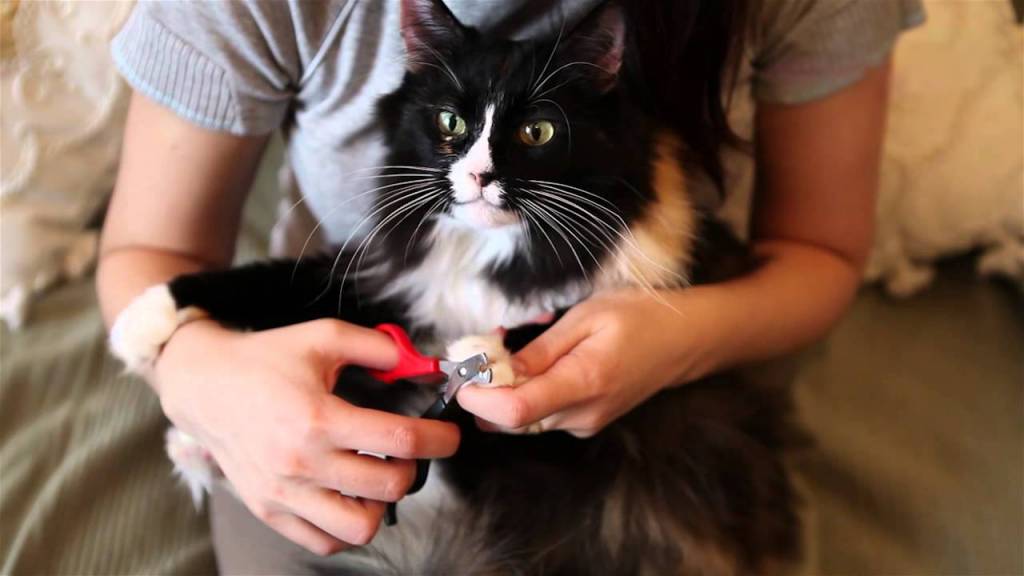
Types of nail clippers
There are several types of nail clippers, each with its own advantages and disadvantages. Choosing one is a personal decision. It all depends on the quality of the material, ease of use, blade sharpness, and other factors.
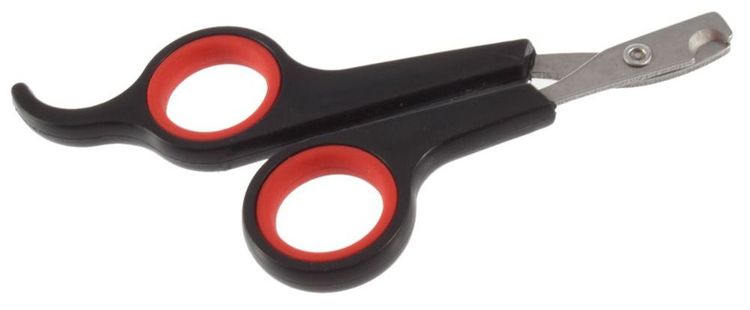
- Scissors. They look like regular nail scissors, the only difference being the shape of the blades. They have a rounded concavity with a hole in the center. This is where the cat's claw is inserted for trimming. Average price: 150-350 rubles.
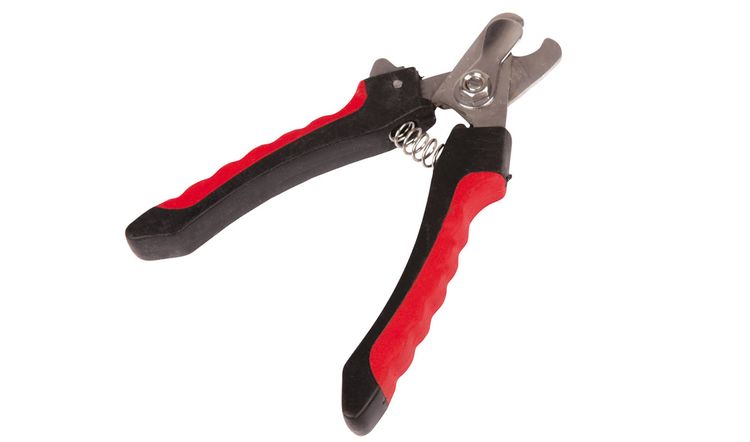
- Nail clippers. These look like working pliers with the same thick rubberized handles. Almost all models feature a special stop that allows you to lock the nail at a specific length and prevent excess trimming. The tool also features a safety lock that prevents the blade from opening. A safety mechanism allows you to store the clippers safely out of reach of children. Average price: 350-500 rubles.
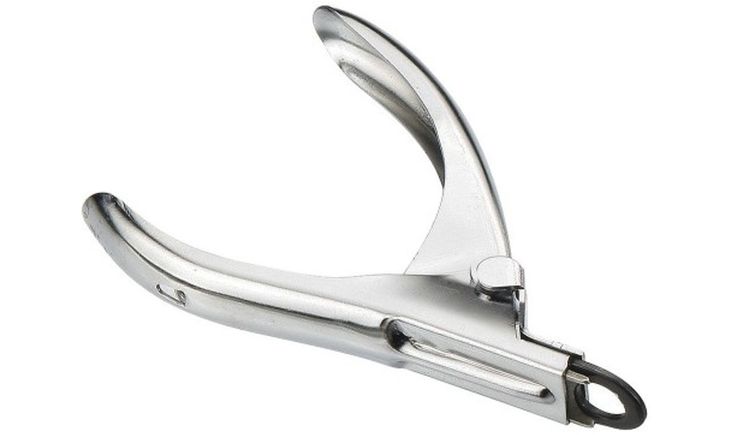
- Guillotine. The name speaks for itself, so it's easy to guess how this nail clipper works. The only drawback is the lack of full visibility when clipping the nail. Despite this significant drawback, guillotines are considered the most popular among cat owners. The device requires some skill, but once you get the hang of it, you can trim cats' nails quickly and efficiently. Average price: 200-400 rubles.
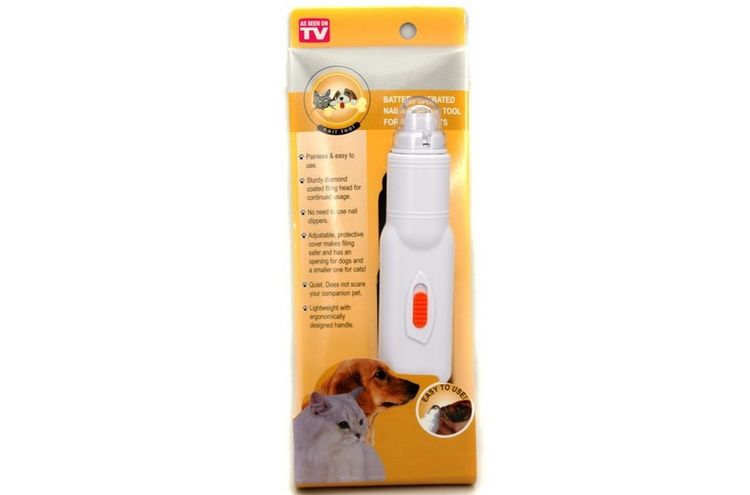
- Electric grinders. These are devices equipped with removable attachments with an abrasive coating. When plugged in, the grinder head rotates, filing down the nail like a "quick file." Some models include special stops that control the nail's safe length. These devices are most often used in professional grooming salons. Mastering their operation at home is somewhat challenging, although not impossible. Average price: 1,500-2,000 rubles.
General recommendations
Claw trimming is performed as needed, usually every 3-4 weeks. To ensure the kitten tolerates the procedure as calmly as possible, it's recommended to acclimate kittens to it starting at 2-3 months of age.
- If trimmed incorrectly or using a low-quality tool, there's a risk of nail splitting. To avoid causing pain to your pet, it's important to choose a nail clipper carefully—it should be sharp and easy to use.
- Before the procedure, carefully examine the claw's structure. The "live" part, which contains blood vessels and nerve endings, has a darker appearance, while the lighter part is numb because it consists entirely of dead cells. Avoid going beyond the whitish edge, as this will cause significant pain and increase the risk of bleeding.
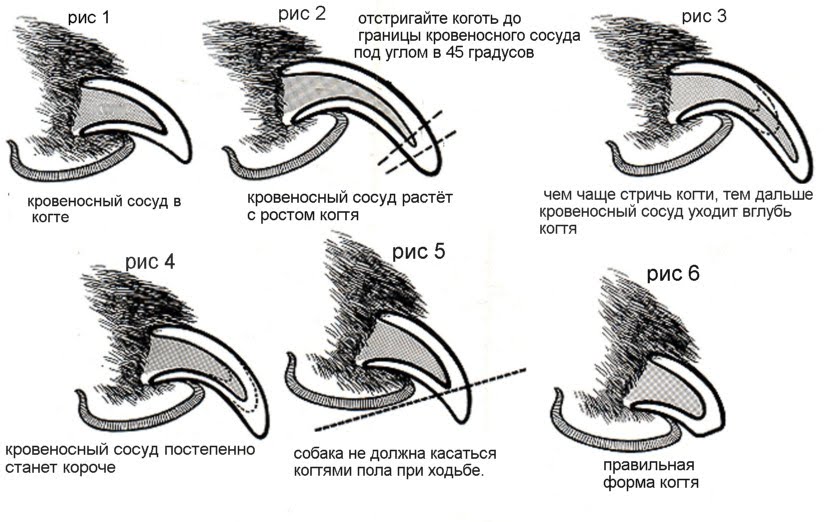
Important: It can be difficult to determine the appropriate limits for dark-breed cats, as dark pigment can stain even the non-living surface of the nail. It's best to consult a veterinarian about the appropriate course of action in this case.
- If you can't avoid an injury, you should try to stop the bleeding quickly. You can use a styptic pencil, hydrogen peroxide, or apply a tight bandage to the paw. Alternatively, rub the cut with a bar of soap—this will stop the bleeding if the wound is minor and also speed up the healing process.
- Even with regular claw trimming, cats should be able to sharpen their claws naturally. It is essential that a nail clipper be installed in the home. scratching post.
How to trim a cat's claws
There's really nothing special about this procedure. The key is to act quickly, but not impulsively.
- Take the cat on your lap, with its back facing you. Let it know that nothing bad will happen in the next few minutes—pet, talk to, scratch behind the ear.
- Press on the paw and lightly squeeze the pad so that the claws protrude forward.
- Carefully grab the overgrown edge of the claw with the tool and trim it.
- Treat the cut with hydrogen peroxide and polish with a nail file.
If you're not skilled enough to do this yourself, it's best to ask someone else to help. One can hold the cat in the correct position, while the other trims its claws.
How to trim a cat's claws: video
Read also:



Add a comment