
Neoplasms in pets: what to do?
Pets age faster than we do. One year of their life is equivalent to 7-8 years of ours. So, after living with a person for 9 years, a cat or dog is considered a true old man by our standards, and their health is starting to fail.
Old-age diseases abound, and they can hinder the happiness of our beloved whiskers. Hypertension, for example, often plagues these animals, weakening their hearts and slowing their metabolism. Obesity, diabetes, and even kidney stones can develop. But recently, cases of tumors being discovered in cats and dogs have become increasingly common.
What types of neoplasms are there?
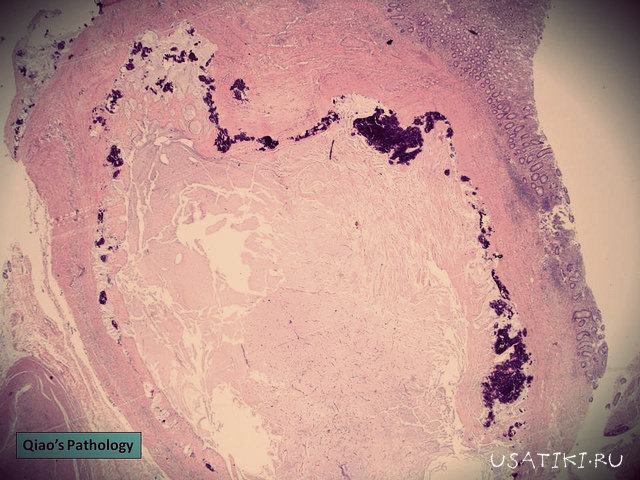
Generally speaking, without going into detail, they can be benign or malignant (cancerous). Yes, Mother Nature is such a "joker" that even animals develop cancer.
Only a veterinarian can determine whether a pet has cancer or a harmless benign tumor after a ton of additional testing (including a biopsy). An ultrasound can help pinpoint the exact location of the tumor. tumor, whether important blood vessels are compressed, the size of the tumor, its consistency, and other minor details. X-rays allow for a nearly complete view of the animal, detecting the presence or absence of metastases that occur with cancer. Histology and cytology examine tissues and cells, allowing one to determine whether the animal contains cancer cells.
What to do if an animal has a tumor
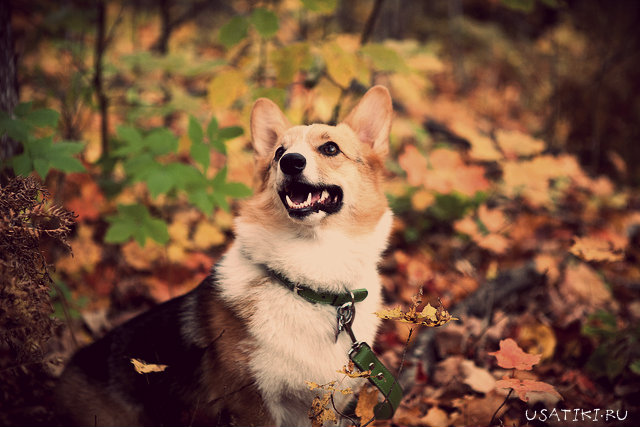
An attentive owner regularly examines their pet, especially if the pet is elderly. It's still possible to feel something on or under the skin. However, if a tumor has formed on an internal organ, it won't be possible to detect it at home. This is why it's so important to visit the veterinarian at least once a year (older pets should be taken to appointments more often). A blood count changes if something is wrong. If the veterinarian suspects something is wrong, they'll order additional tests (ultrasound, X-ray) to confirm or refute their suspicions.
Don't panic if you notice a lump on your pet. Just take it to the vet and have it examined by a specialist. A lump can be any shape or size. So if you notice something, it's best to seek help.
If your veterinarian suspects cancer, they'll recommend a referral to a specialized oncology hospital, where they'll prescribe treatment that will help your pet, or perform surgery if indicated. Additional tests at this hospital will provide more information about the tumor and help select the most effective medications (chemotherapy is also used in animals and almost always produces positive results).
To save your pet's life and ease their suffering, seek veterinary care. Don't hesitate, even if the swelling seems harmless. It's better to be safe than sorry about wasted time.
Any questions? You can ask our website's staff veterinarian in the comments below, who will answer them as quickly as possible.
Read also:
- My dog has a lump: what should I do?
- Oncology in dogs: symptoms and treatment
- Lipoma in dogs: what does it look like and how to remove it




Add a comment