
Notoedric mange in cats: symptoms and treatment
Pet parasites can be not only internal (helminths), but also external. It's a mistake to consider only fleas, lice, and blood-sucking mites as external parasites. We shouldn't forget about parasites that live in the skin—scabies mites. There are many diseases caused by these insects.demodicosis, otodectosis(Notoedrosis, sarcoptosis, and others). However, now we'll discuss what notoedrosis is in cats and what symptoms are characteristic of it.
Content
The causative agent of the disease notoedrosis in cats
Notoedric mange in cats is caused by the mite Notoedres cati. The pathogen is highly specific, although rodents and dogs can also be affected. Guinea pigs and rabbits are particularly susceptible to the disease. Females lay a limited number of eggs per day: two to eight. Although the life cycle is short (fifteen to eighteen days), the parasites reproduce very quickly in the deep layers of the skin.
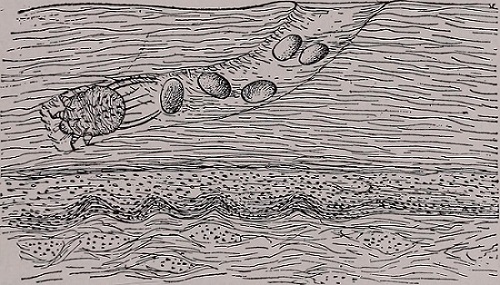
Yes, get infected with it scabies mite Humans can, but the good news is that the parasite can't take hold. Even without treatment, the infection usually resolves within a month, but don't let it slide.
If you suspect your cat is sick, don't try to treat it yourself. Be sure to consult a veterinarian, as treating notoedric mange in cats in advanced cases can be challenging.
A cat can become infected after contact with a sick, meowing cat or a dog. Less often, humans are the culprit. Therefore, if your pet goes outside or comes into contact with other cats, any symptoms of notoedric mange in cats should raise concern.
Symptoms of notoedrosis
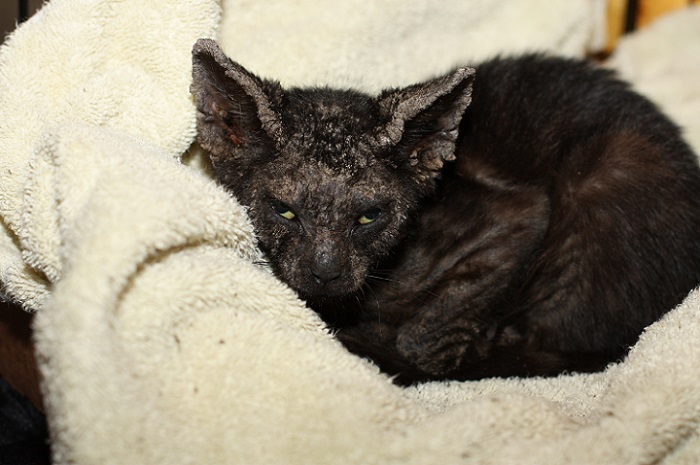
- Since the disease is caused by scabies mites, it's clear that the main symptom of notoedric mange in cats is itching. This occurs because the mites first burrow through the epidermal layer and then create burrows underneath. This is what causes the itching.
- If you look closely at the muzzle, ears, tummy, and groin area, you'll notice blisters on the skin, which become crusty after scratching. The animal is injuring itself by scratching with its paws.
- Another symptom of notoedric mange in cats is hair loss (especially in areas where there are crusts).
- If notoedric mange in cats isn't treated promptly, the parasites will "attack" the entire body. The skin will thicken, dry out, and crack. These cracks are wounds, openings for infection. The mite's activity weakens the immune system, and secondary infections (bacteria, viruses, and fungi) are readily available. The cat will then develop new symptoms, which will complicate both diagnosis and treatment planning.
Treatment of a cat with notoedric mange
Before treating an itchy cat, a diagnosis must be established. Mites are impossible to see with the naked eye (or even see). Therefore, a further examination, called microscopy, is required. For this, the veterinarian will take a scraping with a sharp scalpel at the border between healthy and damaged skin. The specialist will then search for the pathogen under the microscope. If a mite is found, the diagnosis is confirmed, and treatment begins.
- The first step is to isolate the sick pet (not only from other pets, but also from people, since notoedrosis in cats is highly contagious).
- Then, trim the hair from the affected areas. This is necessary to facilitate access to the areas where the parasite is most concentrated.
- Your pet should be bathed (preferably with shampoos that have acaricidal and keratolytic/exfoliating properties). This will help loosen the crusts and soften the thickened skin.
- Then, using a glass rod or spatula, apply medications: ointments, suspensions, which kill the scabies mite. These include Demos (apply 5 times, with a 3-4 day interval between treatments), avermectin ointment (applied twice with a week interval), aqueous emulsion of neocidol (application is similar to avermectin ointment). They also help Ivermectin, 15-20% sulfur ointment, Stronghold (just remember that many medications are contraindicated for babies under six months, so only a veterinarian should select a treatment regimen).

Why is it necessary to repeat treatments when treating notoedric mange in cats? This is because the medications do not kill the parasite eggs. If not repeated within a week, new parasites will hatch from the eggs, and the disease will reoccur. This is why it's so important to follow all the recommendations of the specialist treating your pet!
Prevention of notoedric mange in cats
- Prevention is simple: keep your pet away from strays or visibly sick, meowing, and barking cats. And try not to touch strays or other cats yourself.
- Avoid using used items or toys to care for your pet, as they may contain ticks or other pathogens (including infectious ones).
- Don't forget about deratization, because rodents (mice, rats) are carriers.
- Always examine your pet. As soon as you notice itching, hair loss, or crusting on the skin, consult a veterinarian immediately. Veterinarians rarely treat advanced cases, but in the early stages, recovery usually occurs within a month with strict adherence to the prescribed treatment regimen.
You can also ask our website's staff veterinarian a question, who will answer them as quickly as possible in the comments box below.
Read also:
- Ear mites (otodectosis) in cats: symptoms and treatment
- What types of parasites are there in cats and how can they be removed?
- Demodectic mange in dogs


2 comments
Svetlana
In addition to the article about notoedrosis, you have posted a photo of a cat with an affected face and ears on your website - it looks very similar to what our kitten looks like.
Daria is a veterinarian
Good afternoon
I hope you contacted a veterinarian!
If you see similar lesions in your pet's photo, be sure to consult a veterinarian for a diagnosis to confirm or refute the diagnosis.
Don't self-medicate using photos from the internet! You could harm your pet.
Only competent doctors for everyone!
Add a comment