
Norwich Terrier
The Norwich Terrier is a small, sturdy dog breed originally from England. These confident, cheerful, and active little dogs were once used to hunt rodents. Today, they are kept as companions. The breed is ideal for apartment living because it sheds virtually nothing.
Content
History of origin
The breed originated in the east of England. It is believed that its ancestors were small red and black and tan terriers, from which they also descended. Yorkshire TerriersNorwich Terriers were renowned as excellent ratters and even then had a wiry coat, often nicknamed "rags," meaning disheveled or shaggy. The breed's popularity was particularly boosted by its popularity among Cambridge students in the 1880s. Furthermore, they were the university's mascot and had a practical purpose: these small dogs caught rats, which were plentiful at the time.
In the late 19th - early 20th century, Norwich breeding terriers concentrated in the county of Norfolk, the administrative center of which is the city of Norwich (by the way, there is also Norfolk Terrier breed). In 1932, the breed was officially recognized, a club was established, and a stud book was started. Norwich Terriers began appearing more and more frequently at shows. They were red or black and tan in color, with erect or drooping ears. After World War II, very few dogs remained, but enthusiasts managed to restore their numbers. In 1964, the English Kennel Club decided to divide Norwich Terriers into two breeds: dogs with erect ears were called Norwich Terriers, later shortened to Norwich Terriers, and those with drooping ears were called Norfolk Terriers. The breed is recognized by almost all international organizations.
What should a Norwich Terrier look like according to the standard?
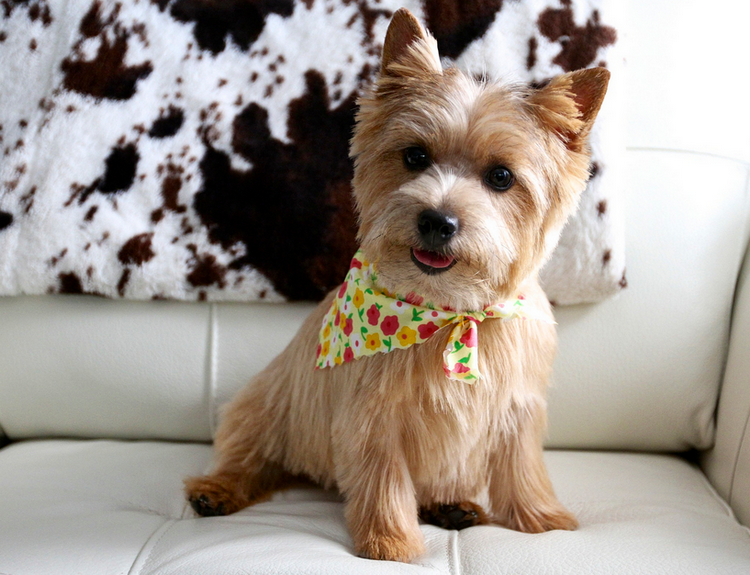
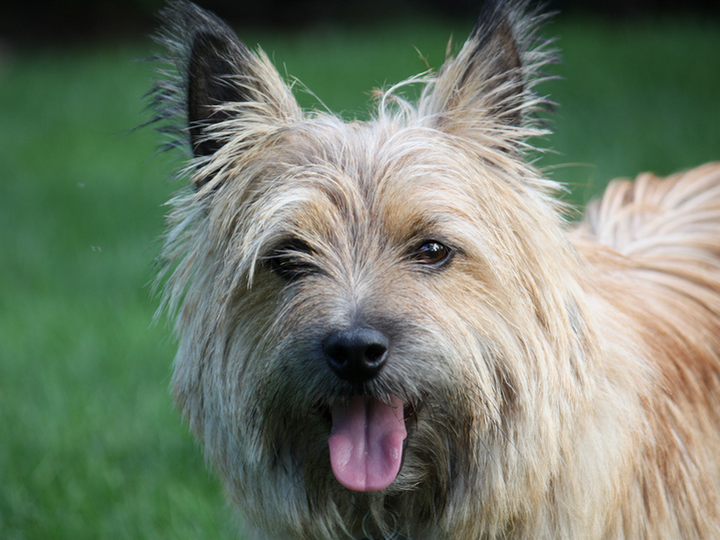
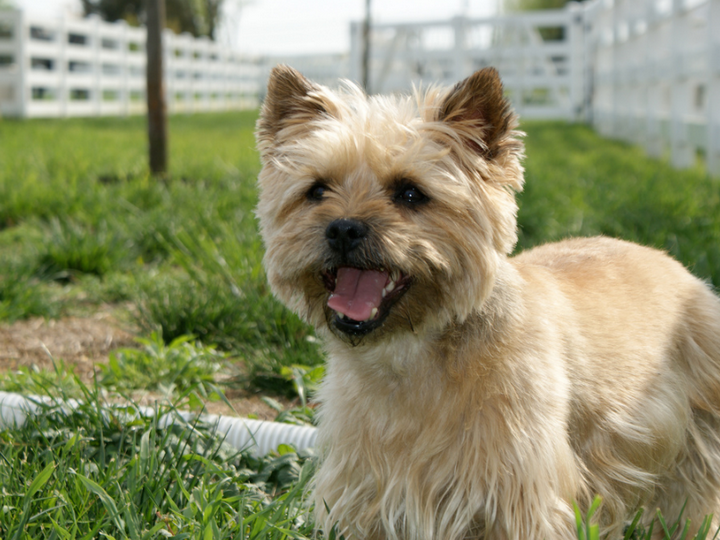
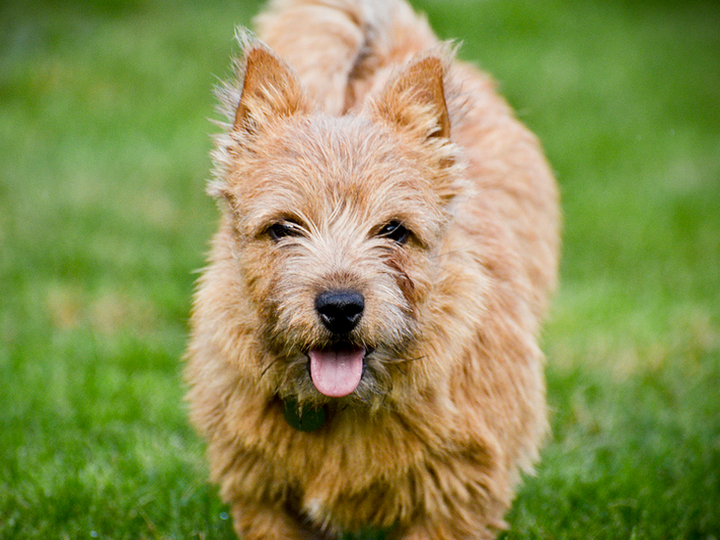
The Norwich Terrier is a small, compact dog with a strong bone structure and short legs. It is one of the smallest terriers, standing 26 cm at the withers and weighing 5-6 kg.
- The skull is rounded, wide, with a well-defined stop.
- The muzzle is strong, wedge-shaped, and approximately one third less in length than the head.
- The lips are tightly fitting, the jaws are strong, even, with massive teeth and a correct scissor bite.
- The eyes are oval-shaped, small, expressive, dark in color.
- The ears are erect, not set too wide, the auricle is of medium size with pointed tips; when alert, they are raised, but when relaxed, they can be laid back.
- The neck is long, powerful, and flows smoothly into the shoulders.
- The back is compact, the topline is level; the loin is short.
- The chest is long, the ribs are well sprung, providing good depth.
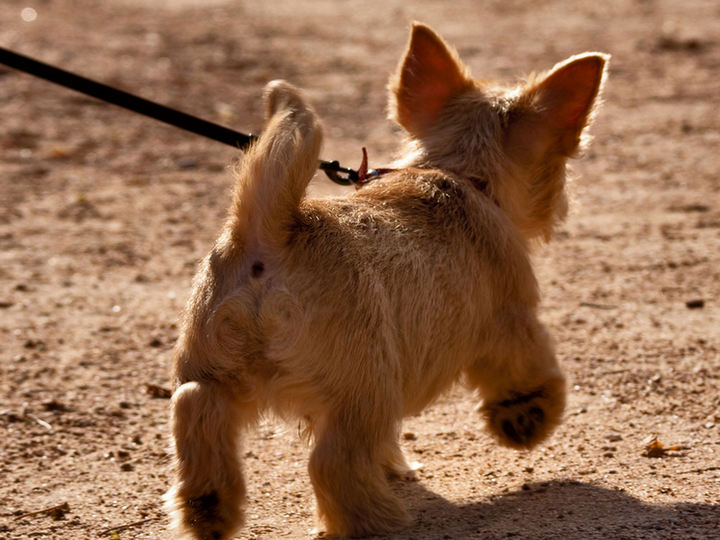
- The tail may be docked, set high, and ideally complements the topline; an undocked tail is of medium length, wide at the base and tapering smoothly towards the tip, carried high.
- Elbows are close to the body, legs are short and straight.
- The hind legs are wide, muscular, with well-defined stifles; the paws are round, short, and directed backwards when moving.
The coat is double, consisting of a stiff, wiry, straight coat that lies loosely against the body, and a dense undercoat. The hair on the neck is longer and stiffer, forming a ruff that frames the muzzle. The hair on the head and ears is shorter and smoother, with the exception of the small eyebrows and whiskers. Several colors are recognized: all shades of red, wheaten, black and tan, and grizzly with gray. White markings and spots are undesirable.
Character
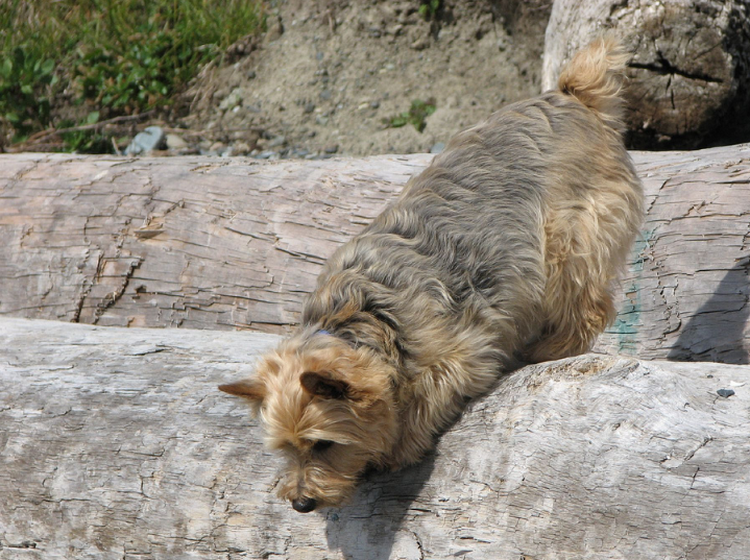
The Norwich Terrier has a balanced, pleasant disposition; he is very active and courageous, but not quarrelsome. This cheerful and happy dog is capable of displaying courage and fearlessness when circumstances require it.
The Norwich is a true aristocrat with a proud bearing. His beauty and charm are hidden beneath his simple coat and lie in his clean lines, sparkling energy, flexible mind, and docile nature. Being close to his owner is crucial to him. He is very sensitive to tone and mood.
This breed gets along well with other pets, especially dogs and cats, but may have problems with rodents and birds.
Norwich Terriers are kind, energetic, and cheerful dogs that are popular in many countries. They have a wonderful personality and can brighten the home. These dogs quickly bond with their owners, get along well with children, and are always ready to join in on the fun and keep the family active.
However, the Norwich Terrier retains its hunting instincts, so it requires training and respect for its nature. Owners without training experience may need professional help, as Norwich Terriers, despite their sociable nature, can sometimes be stubborn.
Education and training
From the moment a puppy arrives in its new home, rules of conduct are established for it and it is monitored to ensure it adheres to them. Training a Norwich Terrier usually ends with learning a few simple commands. These dogs are very intelligent. After two or three months in the family, it seems the dog understands human speech and quickly follows instructions. For this reason, the Norwich Terrier is an excellent first dog.
Teams looking to train Norwich will undoubtedly enjoy working with him. When a Norwich Terrier is interested in learning and expects a treat or praise, they quickly learn and follow commands. Thanks to their high intelligence and people-oriented nature, Norwich Terriers excel in agility, freestyle, Frisbee, and other sports.
Content Features
Norwich Terriers are ideal for apartment living. They adapt to their owner's personality and lifestyle, perking up quickly and calming down just as quickly when needed. They don't require the same amount of fuss as other toy breeds. As early as 3-4 months, Norwich Terriers can skip up and down stairs and jump on and off the sofa. These qualities make them ideal for families with small children. Another undoubted advantage is very little shedding. A specific odor may be present after active recreation or walks in wet weather, but regular bathing will reduce it to a minimum.
Nutrition
Most Norwich Terrier owners and breeders feed their dogs high-quality food. Super premium or holistic diets designed for small active breeds are suitable. If desired, you can feed your Norwich Terrier a natural diet. In this case, the dog will benefit from they are preparing porridge With meat and vegetables, they are occasionally given fermented milk products, fish, eggs, and fruit. It should be noted that natural feeding requires vitamin and mineral supplements as recommended by veterinarians.
Care
The Norwich Terrier's wiry coat is trimmed twice a year, usually during the shedding season. The rest of the year, the dog sheds virtually nothing and requires brushing with a long-toothed comb several times a week. Bathe the dog every 3-4 weeks. It is important to use cosmetics that are suitable for the given coat type. Ears should be cleaned once a week, and eyes should be wiped if necessary, removing accumulated secretions and dust from the corners. Nails don't require trimming if the dog regularly walks on hard surfaces. If they don't wear down on their own, they should be trimmed with special scissors as they grow. Norwich Terriers have strong teeth and are not prone to oral diseases, but brushing their teeth once a week is recommended to prevent tartar buildup.
Health and life expectancy
Norwich Terriers are very robust dogs, both anatomically and physiologically. They are free of hereditary diseases and rarely get sick, provided they are well cared for, receive a balanced diet, and receive timely veterinary preventative measures, such as vaccinations, deworming, and treatment for external parasites. Their lifespan is typically 10 to 15 years. Even in old age, Norwich Terriers retain their energy and playfulness.
Choosing a puppy
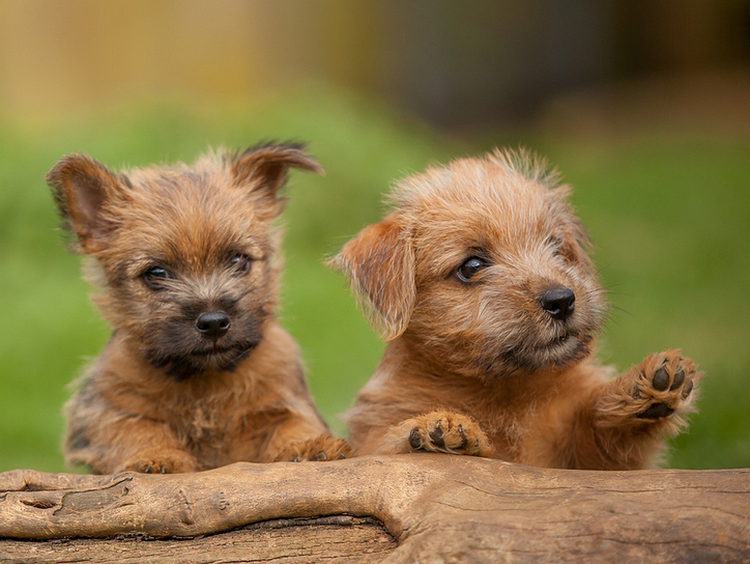
A healthy Norwich Terrier puppy should be active, alert, round, and stocky. It's best to choose a puppy with a good appetite, inquisitiveness, and a very playful and friendly nature. It should have a shiny coat, a moist nose, and a pleasant puppy scent. As early as 2-3 months, the set of the ears and tail, the basic body proportions, the quality of the coat, and the color are easily determined.
Price
In Russia, the average price of a Norwich Terrier is 35,000-50,000 rubles. The price is influenced by the puppy's class, gender, and sometimes color. Females generally cost more. In some cases, there are reasons for a price reduction, such as breeding defects, incomplete dental records, white spots, floppy ears, and other imperfections that do not affect their character or health.
Photos
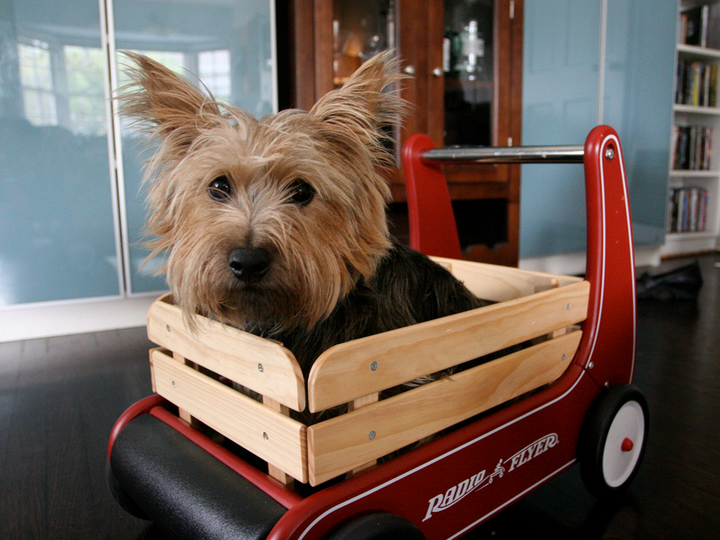
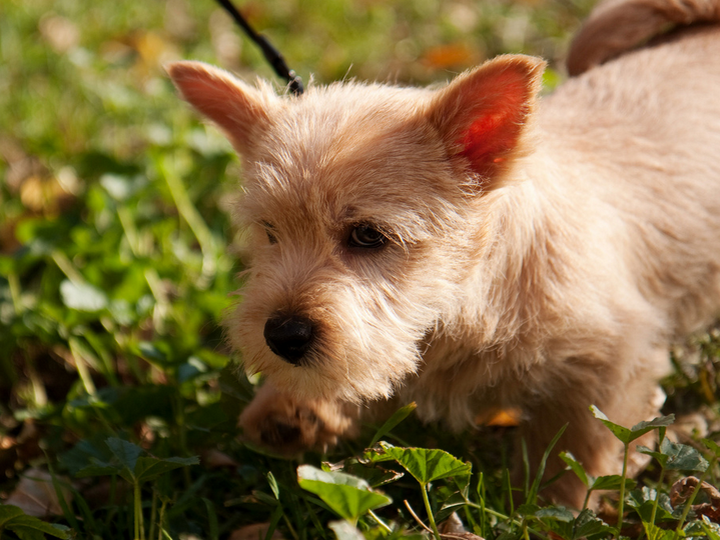
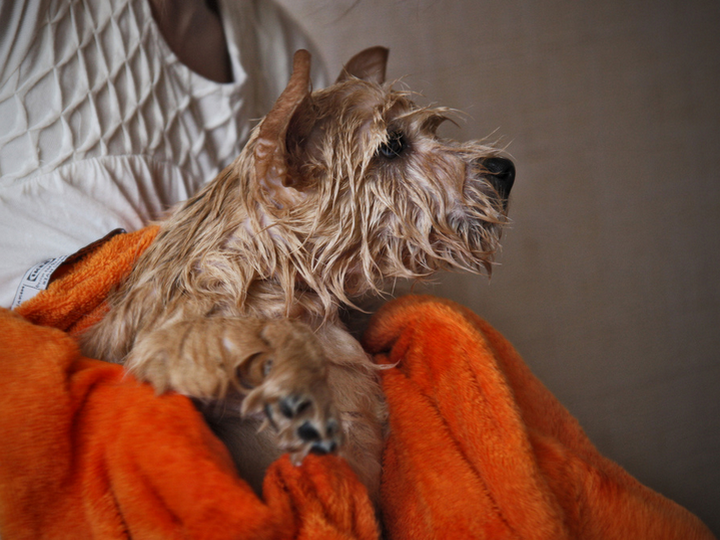
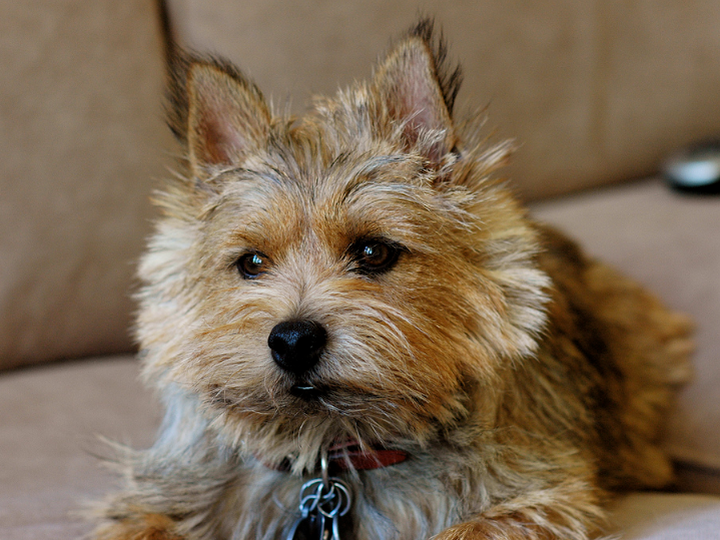
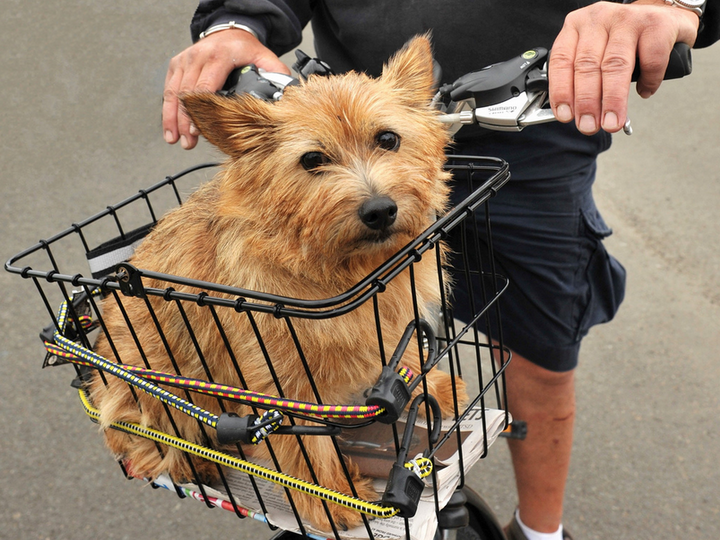
Photos of Norwich Terrier dogs are collected in the gallery.
Read also:


Add a comment