
Feeding standards for cats with dry and wet food
Cats are carnivores, and their bodies require food of animal origin. For a domestic cat to thrive, maintain good physical condition, and have a beautiful coat, they need a diet that provides a balance of organic (proteins, fats, carbohydrates) and inorganic (micronutrients, vitamins) nutrients.
Feeding your cat leftovers from the table is the worst option. Not everyone can provide a natural diet, meaning they have to prepare food specifically for their pet every day. Therefore, many opt for commercial cat food, ensuring it consistently provides their pet with the necessary nutrients. There are two types of cat food: dry and wet. Each has its own advantages and disadvantages.
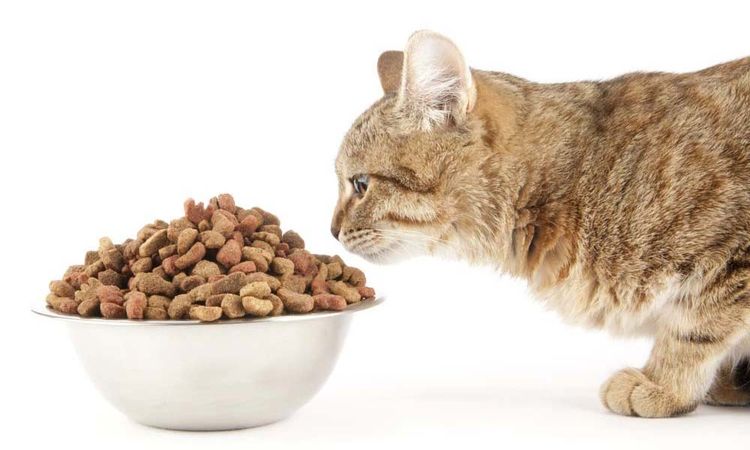
Dry food
These small kibble-shaped treats are made from a mixture of meat, vegetables, grains, and by-products dried at low temperatures. The moisture content in these foods is minimal, only 6-10%, so fresh water should always be available near the feeder to prevent dehydration.
Important to know! A sedentary cat needs about 70 ml of water per kilogram of body weight per day, while an active cat needs about 85 ml. This equates to approximately four to six tablespoons.
Dry food is very convenient if your pet is left home alone for long periods of time. It doesn't spoil quickly, so you can keep a supply for the entire day. Another advantage of dry food is that the cat "cleans" its teeth by eating the pressed briquettes, preventing plaque buildup.
The kibble is intended to be eaten dry, but if your older cat has worn teeth and swallows food without chewing, or if you are unsure if your cat is drinking enough water, you can soak the kibble.
Helpful information! It's best to keep the opened package tightly sealed—exposure to air will cause the ingredients to gradually oxidize and lose their nutritional value.
It's impossible to tell what ingredients the pellets are made from by their appearance. Some cheap pet food manufacturers use crushed bones, feathers, and intestines, which can cause kidney stones or kidney disease. Therefore, it's best to choose premium or super-premium brands that have earned the trust of customers.
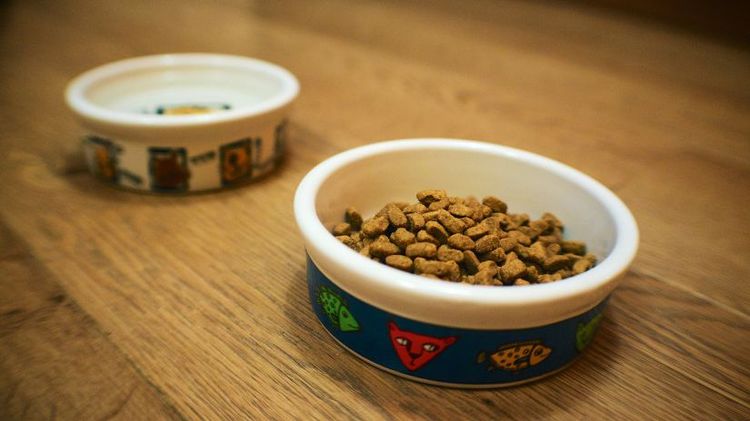
Wet food
Such feeds They come in two types: canned and pouched. They taste and look like natural, homemade food. However, leaving such food out for the entire day is not recommended, as it may spoil or dry out.
Important! If the wet food package is opened, store any leftovers in the refrigerator for just a few days, transferring them to a glass container. Warm the food slightly or add a little warm water before serving.
Spiders
A pouch contains 85-100 grams of natural meat, vegetable, or grain pieces, coated in jelly or sauce. The moisture content of the pouched cat food is approximately 50%. The pouches are hermetically sealed and have a long shelf life.
Canned goods
Canned cat food Canned foods are available in the form of pâtés or stews. They contain meat or fish, vegetables, and vitamin and mineral supplements that fully meet the animal's nutritional needs. This type of food has the highest moisture content—up to 80%. Canned foods can replace a complete natural diet and are usually eaten with great appetite due to their excellent taste.
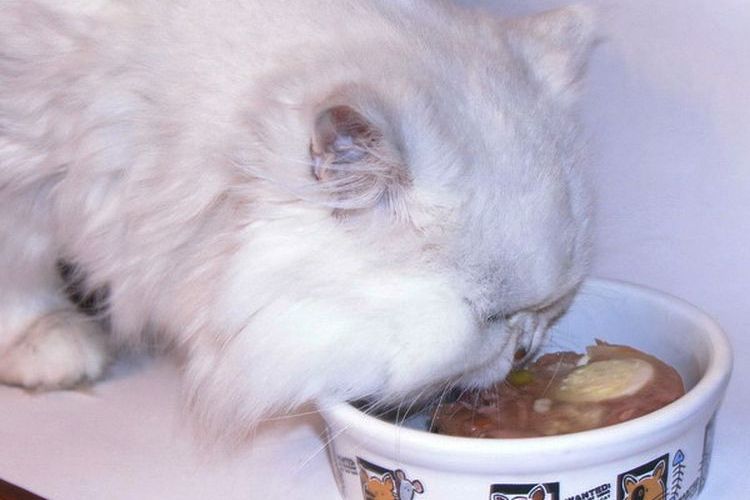
Daily diet for a cat, norms
Almost all cat food packaging includes a chart indicating the recommended daily serving in grams, which varies based on the pet's weight and age. The smaller the serving, the better, as this indicates the food's high nutritional value and digestibility.
The recommended wet food intake is 5% of the animal's body weight. For example, if a pet weighs no more than 5 kg, up to 175 g of the contents of a pouch or can per day will be sufficient.
Approximate daily norm of dry food for adult cats:
- for weight up to 3 kg – 25 g;
- for weight 3÷4 kg – 40 g;
- for weight 4÷5 kg – 55 g;
- for weight over 5 kg – 12 g per 1 kg of body weight.
For kittens, the daily norm is:
- for body weight up to 2 kg – 35 g;
- for body weight 3 kg – 50 g;
- for a body weight of 4 kg – 70 g.
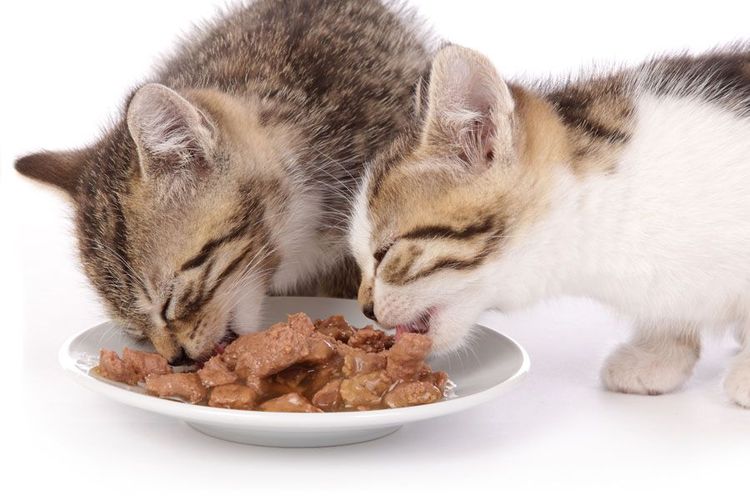
Pregnant cats Feed 55 g of dry food per day for cats of large breeds, 12 g per 1 kg of body weight for large breed cats. For older animals, this amount may be slightly lower.
Active young animals can be fed on a free schedule, with larger portions. Neutered and older animals often develop obesity. In these cases, veterinarians recommend feeding them smaller portions twice a day.
Read also:



Add a comment