
How much dry food should I give my dog per day?
A pet's life and health depend largely on nutrition. A balanced diet should contain all the necessary vitamins and minerals. Dry food designed for complete dog nutrition includes the necessary components. A daily intake of this food ensures good health and activity.
Content
Types of feed
Depending on their composition and calorie content, foods are divided into classes. Before introducing them into your four-legged friend's diet, it's important to understand the main differences:
- Economy. Low-quality foods containing waste and grains. They contain almost no vitamins, requiring additional mineral supplements. These foods offer little benefit. Examples of budget-friendly products include Pedigree, ChappiPrice: about 100 rubles per 1 kg. Nutritional value: 260-300 kcal per 100 g.
- Premium. Along with corn and wheat, the formula also includes chicken meat and by-products. Premium foods contain sufficient vitamins and minerals. Examples of brands include Royal Canin, Arden Grange, and Grandin. Club 4 PawsThe price of the product ranges from 700 to 1500 rubles per 3 kg, the nutritional value is 300-360 kcal per 100 g.
- Super premium. High-quality foods include by-products, meat, and fish. Potatoes and rice are used to replenish carbohydrates. The manufacturer is required to indicate the source of antioxidants and preservatives on the packaging; otherwise, the product is not considered to be of the stated quality. Karmy, Ontario, and Brooksfield are considered super-premium. They cost between 600 and 1900 rubles per 2 kg. Nutritional value: 350-450 kcal per 100 g.
- Holistic. A premium product containing natural meat and fish, vegetables, rice, and lentils. This dry dog food provides a full daily supply of vitamins and minerals. Leading brands include NOW FRESH, Belcando, AcanaTheir price starts from 1000 rubles. Caloric content is 350-450 kcal per 100 g.
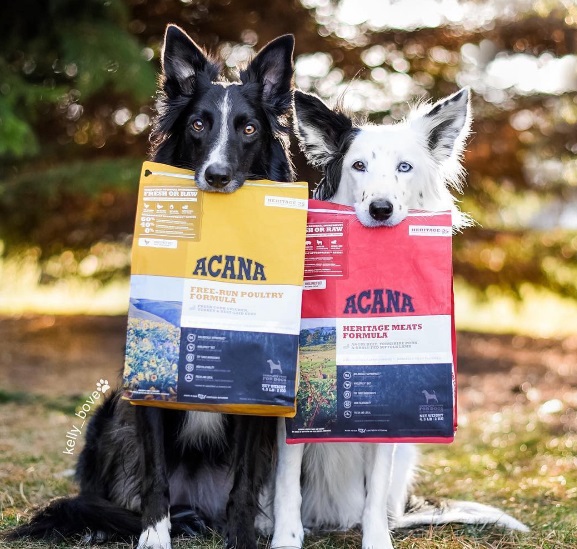
Since foods vary in calorie content, their daily requirements will also vary. The dog's breed, age, weight, and activity level are also taken into account.
Rules for the use of dry food
Due to evolutionary factors, dogs eat everything they're given. This is the behavior of their ancestors, who were often short of food. If you don't limit your dog's food intake, overeating will lead to obesity.
If the owner chooses dry food, other food is removed from the animal's diet. Supplementing with natural foods leads to illnesses:
- meat and fish – an excess of protein and phosphorus is formed in the body, which disrupts the functioning of the kidneys;
- porridge and bread - a lot of carbohydrates lead to obesity;
- alternating dry and natural food – the digestive system does not have time to adjust, gastritis develops.
During training, rewards such as crackers, pieces of cheese, or cooked meat are acceptable, but only in small quantities. Since dry food swells in the stomach, a clean water bowl should be provided near the food bowl to prevent the dog from becoming thirsty regularly. The recommended fluid intake is 40 ml per 1 kg of body weight.
You can pre-soak pieces of dry food in kefir, yogurt, or warm drinking water to regulate the amount of fluid in the animal's body and facilitate digestion.
Calculation of daily intake
The amount of dry food to feed a dog per day depends on the type of product, the dog's weight, age, and health. If possible, it's best to purchase premium-quality products to ensure your pet receives a comprehensive range of vital nutrients. A shiny coat and good activity indicate proper nutrition. If your dog's condition worsens, consider switching to a different brand.
Dietary choices depend on the breed. Small dogs are active and burn a lot of energy, requiring a higher-calorie diet. Large breeds are prone to obesity and heart disease, so their diet should be lower in carbohydrates and higher in protein.
Calorie content is calculated based on the dog's weight and breed, whether it's a Spitz, Yorkie, German Shepherd, or Labrador. Here's how to calculate feeding rates for small and large dogs:
|
Breeds, weight |
Calories per 1 kg of body weight |
|
Dwarf (up to 5 kg) |
100-130 |
|
Small (5-10 kg) |
50-100 |
|
Medium (10-20 kg) |
75-85 |
|
Large (20-40 kg) |
65-75 |
|
Giant (over 50 kg) |
60-70 |
Puppies are introduced to the food gradually, starting with 1 teaspoon. If the animal tolerates it well and no allergies occur, the dosage can be increased. When purchasing dog food at the store, pay attention to the age indicated on the packaging. The nutritional needs of puppies and adults differ.
The manufacturer also specifies the frequency of feeding dry food depending on the animal's age. One- to two-month-old puppies eat 6-7 times a day. After three months, the number of feedings is reduced to four. Adults are fed twice a day.
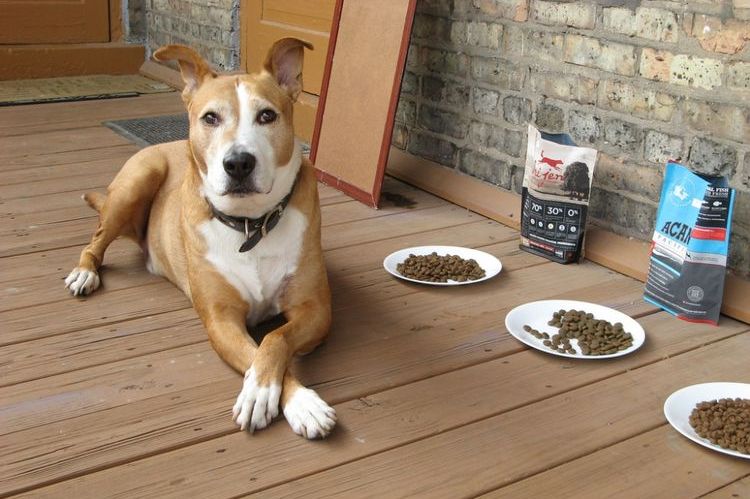
The feeding amount is calculated based on the quality of the dry food. For premium brands, the feeding dosage is 60 g per 2 kg of body weight. For economy and premium products, the feeding amount is determined by the pet's age and weight.
Dry food feeding chart for puppies:
|
Puppy weight (kg) |
2 |
3 |
4 |
5 |
6 |
7 |
8 |
10 |
12 |
14 |
15 |
16 |
18 |
20 |
|
Age (month) |
|
|
|
|
|
|
|
|
|
|
|
|
|
|
|
2 |
50 |
65 |
80 |
94 |
104 |
114 |
125 |
147 |
164 |
183 |
193 |
201 |
216 |
232 |
|
3 |
55 |
72 |
88 |
106 |
110 |
133 |
1461 |
172 |
193 |
215 |
227 |
237 |
258 |
278 |
|
4 |
56 |
75 |
92 |
111 |
124 |
132 |
154 |
184 |
206 |
231 |
243 |
255 |
277 |
299 |
|
5 |
55 |
75 |
94 |
111 |
126 |
143 |
157 |
186 |
209 |
235 |
247 |
260 |
283 |
307 |
|
6 |
48 |
68 |
85 |
100 |
125 |
142 |
156 |
185 |
208 |
234 |
248 |
259 |
283 |
307 |
|
7 |
41 |
63 |
75 |
91 |
112 |
128 |
141 |
168 |
189 |
218 |
230 |
241 |
264 |
286 |
|
8 |
40 |
56 |
66 |
81 |
100 |
115 |
127 |
148 |
170 |
203 |
214 |
225 |
246 |
267 |
|
9 |
40 |
54 |
66 |
78 |
90 |
102 |
113 |
134 |
152 |
186 |
196 |
206 |
225 |
243 |
|
10 |
40 |
54 |
65 |
77 |
90 |
101 |
112 |
133 |
150 |
169 |
178 |
187 |
204 |
222 |
To properly feed an adult dog dry food, consider not only its weight, but also its daily activity:
|
Weight (kg) |
Low activity (1-2 hours per day) |
Average activity (3-5 hours per day) |
High activity (from 5 hours per day) |
|
2-5 |
45-90 |
55-110 |
75-145 |
|
5-10 |
91-155 |
111-205 |
146-245 |
|
10-15 |
156-210 |
206-245 |
246-330 |
|
15-20 |
211-260 |
246-300 |
331-410 |
|
20-25 |
261-310 |
301-355 |
411-490 |
|
25-30 |
311-350 |
356-410 |
491-555 |
|
30-40 |
351-440 |
411-510 |
556-690 |
|
40-50 |
441-520 |
511-600 |
691-820 |
|
From 50 |
521-595 |
601-690 |
821-935 |
For pregnant females, the daily ration is increased by 20-50%. For nursing females, food should be available at all times. For older animals and those suffering from obesity, the number of feedings remains the same, but the dosage is reduced.
Despite general nutritional calculations, it's important to follow the manufacturer's recommendations. The calorie content and composition of foods vary, so it's important to measure calories, not grams. Before feeding your dog, carefully read the instructions and calculate the amount.
Dosage of wet food
Wet food is a great way to add variety to your pet's diet and improve their appetite. There are several ways to use wet food:
- feeding exclusively wet food;
- mixed (dry food is given in one feeding, wet food in the second);
- mixed (to improve the consumption of dry food, it can be mixed in a 1:2 ratio).
For small dog owners, pouches are the easiest way to buy food. This eliminates the need to worry about how much wet food to feed and how to measure it, as the manufacturer has already thought of the details and individually packaged just the amount your dog needs for a single feeding.
Wet food is also available in 300-500 gram cans. When purchasing this economy package, you'll need to inquire about how much wet food to feed per day and per feeding for a puppy or adult animal, taking into account its weight and activity level.
Important! Each manufacturer has its own recipes for pâtés and "meat" pieces in broth, so the calorie content per 100 grams of food can vary significantly.
Knowing a dog's daily calorie requirement allows you to calculate the appropriate amount of wet food for your pet. The calculation also takes into account the animal's body condition and daily physical activity level.
A serving is possible increase a little, If:
- the dog looks too thin and there are veterinarian recommendations for weight gain;
- you walk a lot, and your pet spends a lot of time actively playing with other dogs;
- The animal undergoes daily training with high physical exertion.
A serving is possible reduce a little, If:
- the animal is prone to uncontrolled weight gain;
- the dog is sterilized;
- There are recommendations from a veterinarian for weight loss.
Breeders and veterinarians often advise against mixing dry and wet food in the same bowl. This is primarily due to the impossibility of accurately calculating the animal's calorie intake, which can lead to excess weight gain and health problems.
If the dog doesn't get full
You can tell if your pet is hungry by whether its bowl is clean and its general condition. Lethargy and low activity indicate a nutritional deficiency. Solutions may vary:
- read the manufacturer's recommended dosage and strictly follow the instructions on the packaging;
- change the food brand;
- Review the feeding schedule and adequately assess the dog's activity.
If these tips don't help, it's best to consult a veterinarian. Starvation may be caused by helminths or gastrointestinal diseases.
Proper feeding is the key to your pet's health. It's important to carefully select the brand, ingredients, and calorie content. Feeding dosage is flexible and can be adjusted based on your dog's condition, activity level, age, and weight.
Read also:


1 comment
Yaroslavmor
I put dry food and water in one automatic feeder. It's very convenient and doesn't make my cat thirsty. And the food size is precisely adjustable.
Add a comment