
Norfolk Terrier
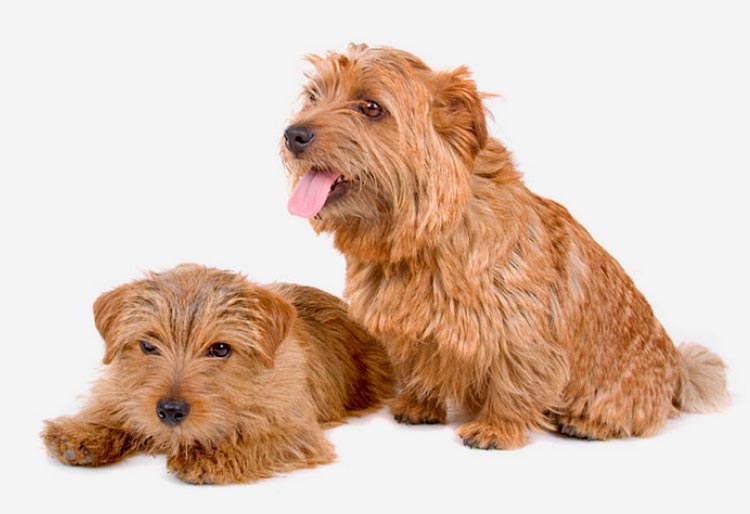
The Norfolk Terrier, or Norfolk Terrier, is a contradiction in terms. These small, toy-like creatures are actually strong and resilient working dogs; they are courageous, intelligent, and independent, yet playful, affectionate, and loyal. The Norfolk Terrier originates in Great Britain, where it is a popular breed. Although rare outside its homeland, it is attracting increasing attention each year.
Content
History of origin
The histories of the Norfolk Terrier and the Norwich Terrier are not only intertwined, but inextricably linked. Until the 1960s, they were considered the same breed. Norwich Terriers are believed to descend from small, red-and-tan working terriers, which were also the ancestors of Yorkshire and Irish Terriers. They primarily lived on farms, were used to catch rats and other small rodents, and were stocky, short-legged, and sandy-colored. These dogs had their ears and tails docked. They were popularly known as "rugs," meaning "shaggy." By the late 19th century, their breeding was concentrated in the area around Norwich, a city in Norfolk.
The Norfolk and Norwich Terriers are closely related, differing in the placement of their ears.
In 1932, the Norwich Terrier breed was officially recognized. A club was established and a stud book was opened. At that time, dogs with erect and drooping ears were shown in the same ring and considered to be of the same breed. As was later noted, erect-eared dogs won more often, while fold-eared dogs were overshadowed. Naturally, this was displeasing to many breeders who sought recognition for their fold-eared Norwich Terriers. In 1964, they got what they wanted. Dogs with erect ears remained. Norwich Terriers, and those with hanging ears began to be called Norfolk Terriers and were singled out as an independent breed, which is today recognized by almost all cynological associations.
Video about the Norfolk Terrier dog breed:
Appearance
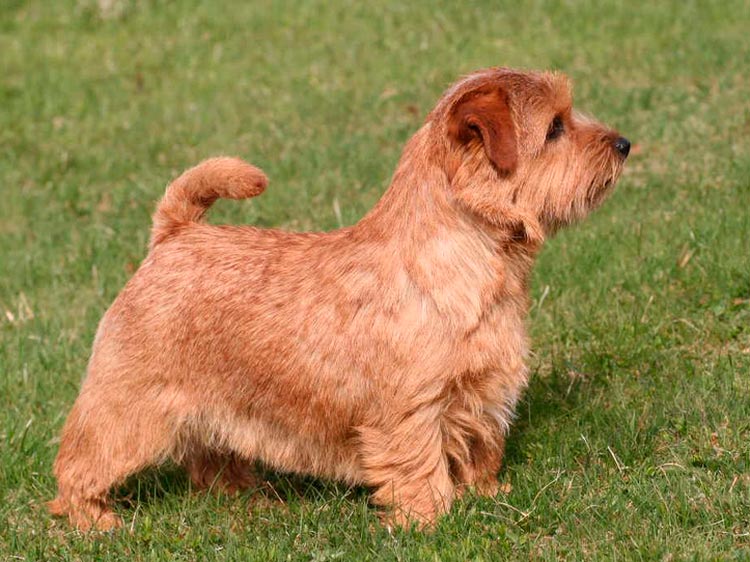
The Norfolk Terrier is a small, compact, stocky dog with a short topline, bony, and massive build. Sexual dimorphism is moderate. The height at the withers is 25-26 cm, and the weight is about 6 kg. For its size, the Norfolk is heavy and very strong. In appearance, Norfolks are very similar to Norwich Terriers, but they are also often confused with Cairn Terriers And Australian Terriers.
The skull is broad between the ears and strong, with a distinct stop. The muzzle is wedge-shaped, its length being one-third shorter than the length of the skull. The eyes are oval, deep-set, and dark brown or black. The ears are medium-sized, triangular in shape, with rounded tips, hanging forward and pressed tightly to the cheekbones. The lips are tightly fitting. The jaws are strong. The teeth are fairly large with a correct scissor bite.
The neck is strong and medium in length. The body is compact with a short, level top. The tail may be docked to moderate or medium length. It is thick at the base, tapering to a straight tip. The forelegs are short, straight, and powerful. The hind legs are short and straight, providing the dog with a strong drive. The paws are rounded with dense pads and strong, short nails.
The coat is harsh, straight, and wiry, lying close to the body. It is much longer and coarser on the neck and shoulders than on the body. The hair on the head and ears is short and smooth, with the exception of small whiskers and eyebrows. Several colors are acceptable: all shades of red, fawn, black and tan, or gray. White markings are undesirable but permitted.
Character
The Norfolk Terrier is a dog with a balanced temperament and a strong character. It is characterized by alertness, fearlessness, loyalty, and a zest for life. At home, it is very sweet, sociable, and not quarrelsome, with a moderate amount of energy.
The Norfolk Terrier is a dog without any serious flaws. It thrives on close human contact and adores all members of its family. It accepts leadership from its owners, providing it with a peaceful and stable existence, but can take control if allowed. It will always alert you to danger, the arrival of guests, or other unusual noises. Its attitude toward strangers is generally friendly.
The Norfolk Terrier is primarily a companion dog, making it a wonderful companion for energetic people who enjoy long walks. It's also a good choice for families with children of all ages.
They get along well with other dogs, but conflicts between males are possible on walks. They can learn to live in the same house with a cat, but will enthusiastically chase other dogs. Small animals and birds awaken the Norfolk Terrier's hunting instinct, which, incidentally, is very strong. Some owners even train their dogs to hunt rodents, which they subsequently successfully catch. In rare cases, the Norfolk Terrier gets along peacefully with small pets.
Education and training
The Norfolk Terrier is very trainable and quickly learns commands, but performs them more for a treat or a favorite toy than to please its owner. Training and raising a Norfolk Terrier always requires positive reinforcement; it must be motivated to follow commands. Generally obedient and docile, it can sometimes display extraordinary cunning and stubbornness to get what it wants.
The Norfolk is smart, cunning and independent, can be stubborn, and at a young age is also very active, which greatly complicates the process of education and training.
An owner who sees a Norfolk Terrier as a small toy dog rather than a brave, independent terrier will be making a mistake. If left untrained, the dog will quickly become dominant and become the boss of the family, which can lead to problems in everyday life that are very difficult to correct in adulthood. Early training is essential. socialization, especially for city dogs. They must learn to get along with other dogs and control their hunting instincts.
Content Features
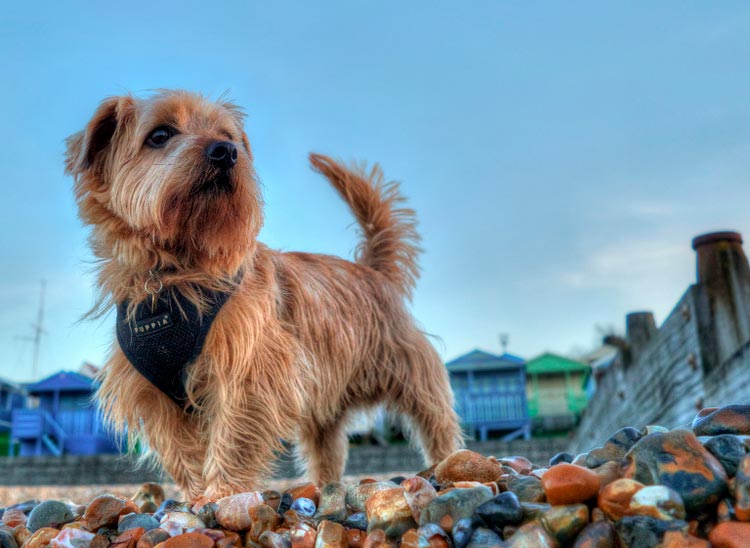
The Norfolk Terrier is easy to maintain and low-maintenance. This small dog thrives even in a small apartment, provided it receives regular walks. However, given the terrier's working heritage, a private home with ample opportunity for outdoor walks would be more suited to its temperament. Norfolk Terriers can even live outdoors year-round.
Those considering buying a Norfolk Terrier puppy should be aware of some of this little ratter's characteristics. They bark loudly and frequently, love to dig, especially out of boredom, and can be aggressive toward other dogs, including larger ones.The Norfolk Terrier requires moderate exercise. Daily long walks should be supplemented with active games and intelligence training. Training, repeating old commands, and learning new ones should be a key part of the Norfolk Terrier's life.
Care
Norwich Terriers are great because they don't require a lot of grooming, especially if they're a pet rather than a show dog. They have a wiry, harsh coat that needs to be plucked at least twice a year, in spring and fall. The rest of the year, they shed very little. Show dogs are plucked once a month to maintain their show appearance. They are brushed at least weekly. Excessive shedding trimming This is undesirable for the Norfolk Terrier. Furthermore, the wiry coat should not be clipped. After the first clip, you may notice a change in the coat's texture, which is not good. Bathing a Norfolk Terrier is infrequent, usually every 2-3 months. This does not apply to rinsing the paws and belly after walks.
It's also important to monitor the ears and clean them as needed. The same goes for the eyes. They should be clean and free of inflammation. If hairs get caught on the cornea and irritate it, they should be carefully trimmed. Dental problems are uncommon in the breed, but given that most dogs live to a ripe old age, when dental problems become common, it's best to prevent dental disease from an early age. As a puppy, Norfolk Terriers are accustomed to having their teeth brushed once or twice a week. They can also be given special toys, beef tendons, and hard fruit to remove plaque. Nails are trimmed as they grow. If the dog spends a lot of time walking on hard surfaces, they wear down naturally.
Nutrition
A balanced diet is an important part of dog care. Norfolk Terriers are rarely picky eaters; even though they have a good appetite, they often overeat and gain weight. It's important for owners to control their dog's food portions and avoid training their little beggar to rely on the table.
Norfolk Terriers thrive on both a balanced natural diet and high-quality prepared dry food. Diets are selected based on the dog's age and size. Portions are calculated based on weight and adjusted according to activity level. Highly energetic dogs may benefit from slightly larger portions, while more sluggish dogs may benefit from smaller portions.
Health and life expectancy
Norfolk Terriers boast robust health; they are hardy and easy-to-care-for dogs, rarely getting sick. With good care, timely vaccinations, and other preventative measures, they live an average of 13-15 years. However, it's worth noting that the breed is susceptible to a number of hereditary diseases:
- Upper respiratory tract syndrome (various pathologies of the development of the respiratory organs that lead to respiratory failure);
- Congenital and acquired problems with the cardiovascular system;
- Epilepsy;
- Portosystemic shunt in the liver;
- Tumor diseases in adulthood;
- Tendency to skin diseases, in particular demodicosis;
- Pancreatitis;
- Patellar dislocation;
- Urolithiasis;
- Monarchism and cryptorchidism;
- Eye diseases (corneal ulcer, cataract);
- Allergies;
- Untimely loss of baby teeth, which leads to polydontia.
Norfolks tend to have low fertility, with litters ranging from 1 to 4 puppies. By birth, the puppies are quite large, with large heads, making birth difficult and often requiring a cesarean section.
Choosing a Norfolk Terrier Puppy
In Russia and neighboring countries, the Norfolk Terrier, like the Norwich Terrier, is gaining popularity. New kennels are being registered, and more and more breeders and dog owners are joining the scene, but not all of them have a competent approach to breeding. Given these facts, it's important for potential owners to carefully consider their choice of breeder, ensuring that their dogs are healthy, have a good exterior, and possess a good temperament.
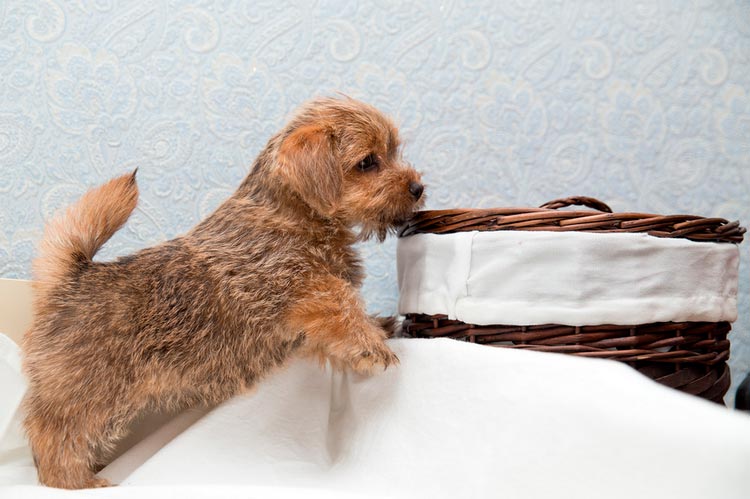
It will be difficult to buy a Norfolk Terrier in Russia and neighboring countries.The care and nutrition of young puppies are important. They should be healthy and well-fed in appearance. This significantly increases the likelihood of getting a strong, happy dog, rather than a major headache. Baby Norfolk Terriers have a softer coat than adult dogs. This is normal; it will become coarser after a year. Their coloring will also change slightly. Their bodies are proportionate, but their heads and ears are larger in relation to their bodies.
You shouldn't get a puppy with a docked tail if you plan to participate in foreign shows.
Price
The breed's scarcity and increasing demand allow breeders to keep prices very high. Typically, a Norfolk Terrier puppy for breeding costs from 70,000 rubles. Dogs with breeding faults or defects such as an overbite, unusual coloring, or a kinked tail cost from 30,000 rubles.
Photos
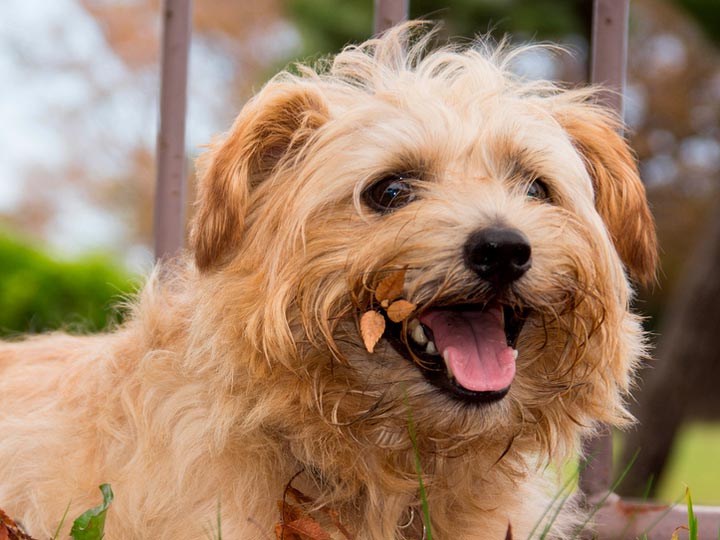
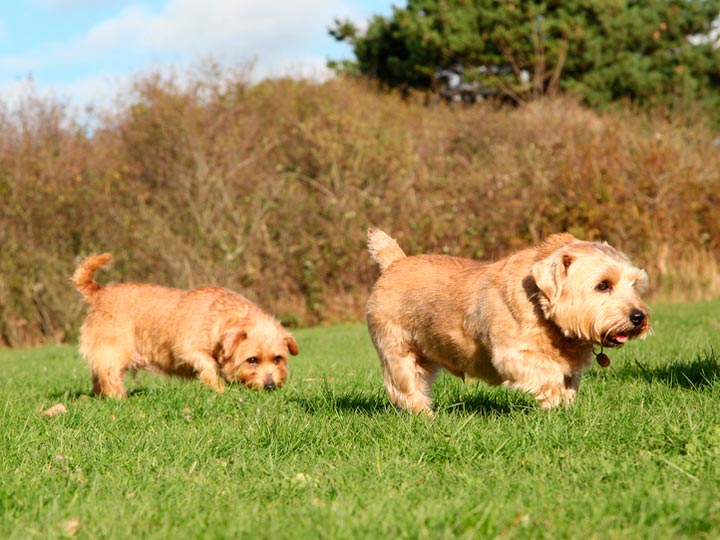
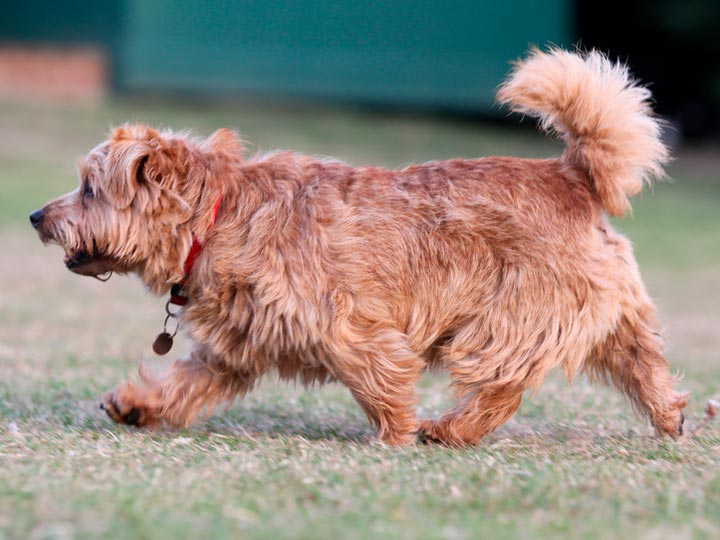
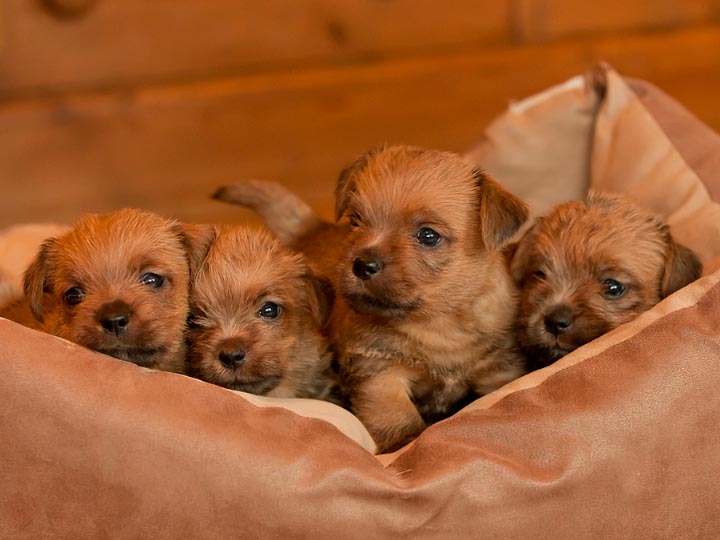
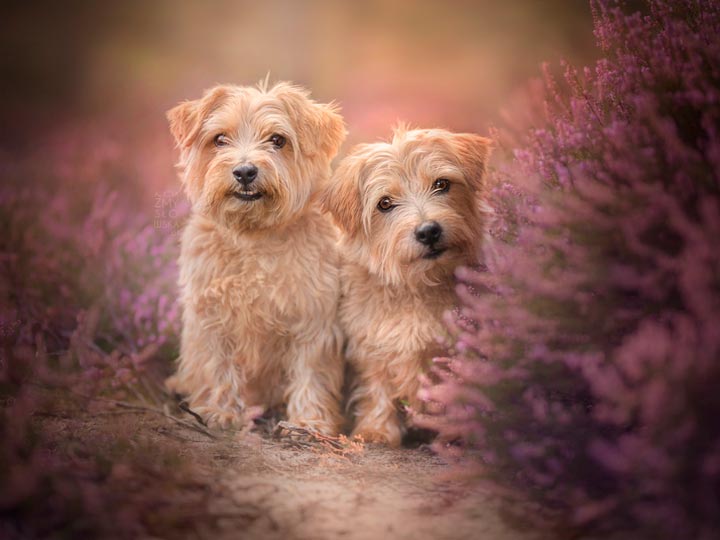
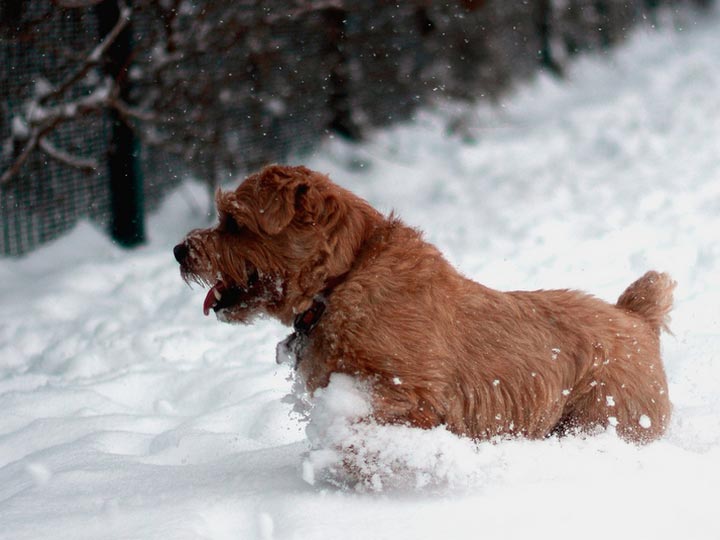
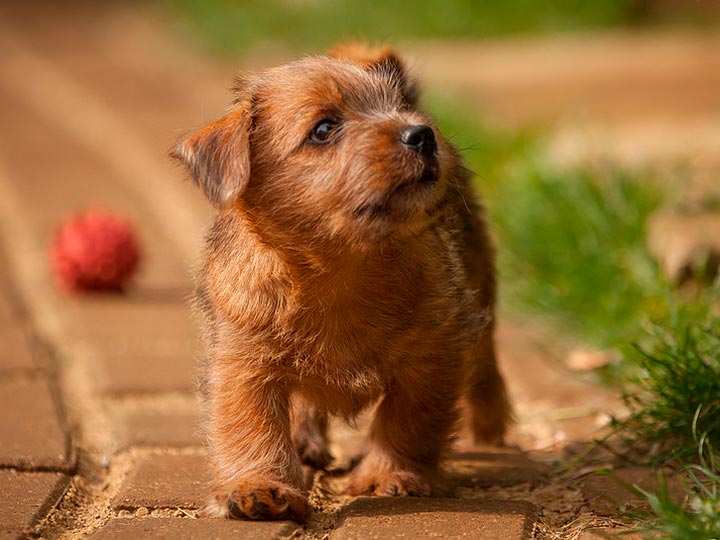
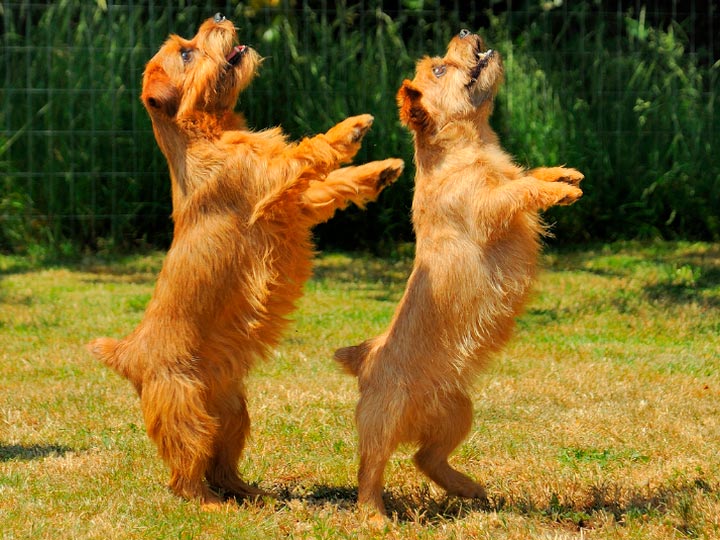
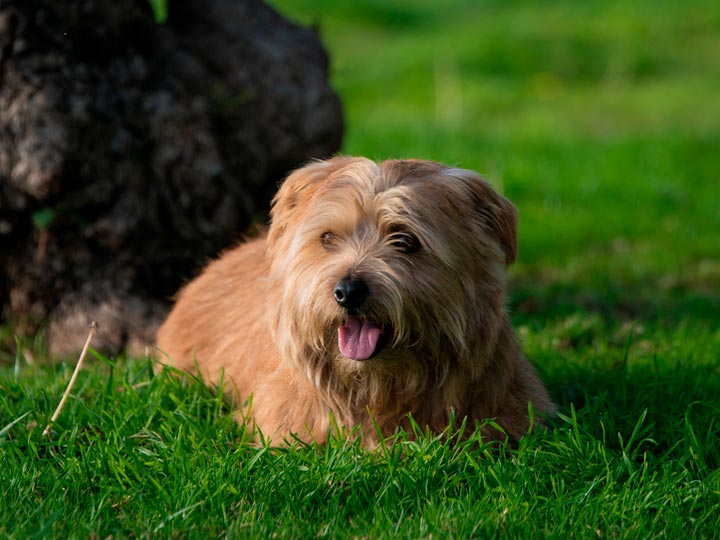
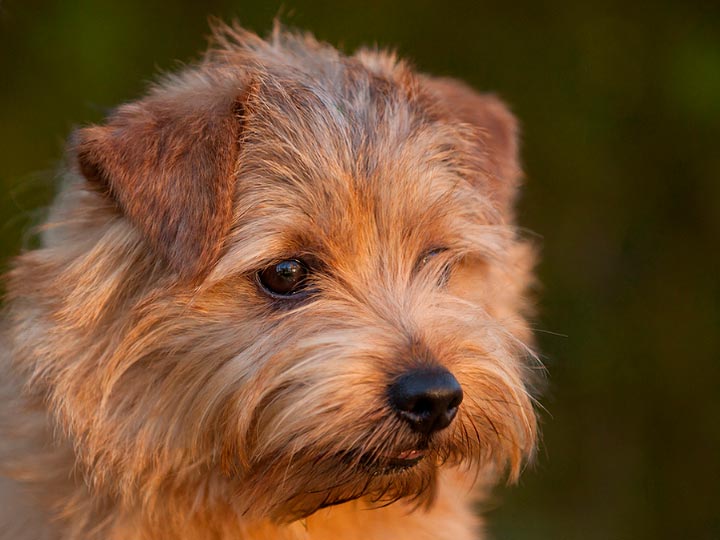
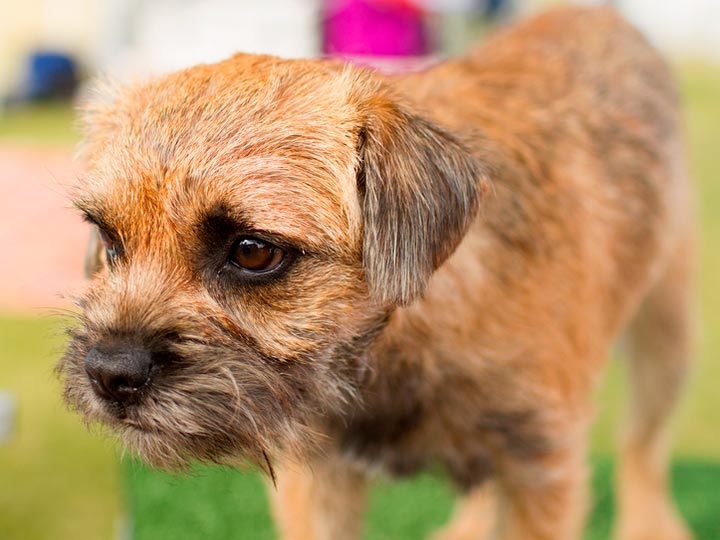
The gallery contains photos of adult Norfolk Terrier dogs and puppies.
Read also:


Add a comment