
Diabetes Insipidus in Dogs: Symptoms and Treatment
Diabetes is a general term for endocrine disorders characterized by polyuria, or increased urine output. A distinction is made between diabetes mellitus and diabetes insipidus. In the former, the pancreas either produces insufficient insulin or the body uses it poorly, preventing glucose from entering cells and accumulating in the blood.
Diabetes insipidus is associated with insufficient production or impaired absorption of the antidiuretic hormone vasopressin, which is responsible for the kidneys' ability to concentrate urine by reabsorbing water. Diabetes insipidus is relatively rare in dogs. Despite similar symptoms to diabetes mellitus, the treatment approaches for these chronic diseases are fundamentally different.
Content
Causes and symptoms of diabetes insipidus
Diabetes insipidus can be neurogenic (central) or nephrogenic (renal). Neurogenic diabetes insipidus develops due to dysfunction of the hypothalamus (a region in the diencephalon that regulates homeostasis and neuroendocrine activity) or the pituitary gland (an endocrine gland at the base of the brain). Nephrogenic diabetes insipidus occurs due to tubulopathy, a condition associated with poor water reabsorption in the kidneys.
The causes of the pathology may be brain infections (meningitis, encephalitis), traumatic brain injury, or low sensitivity of the kidneys to the hypothalamic peptide hormone vasopressin.
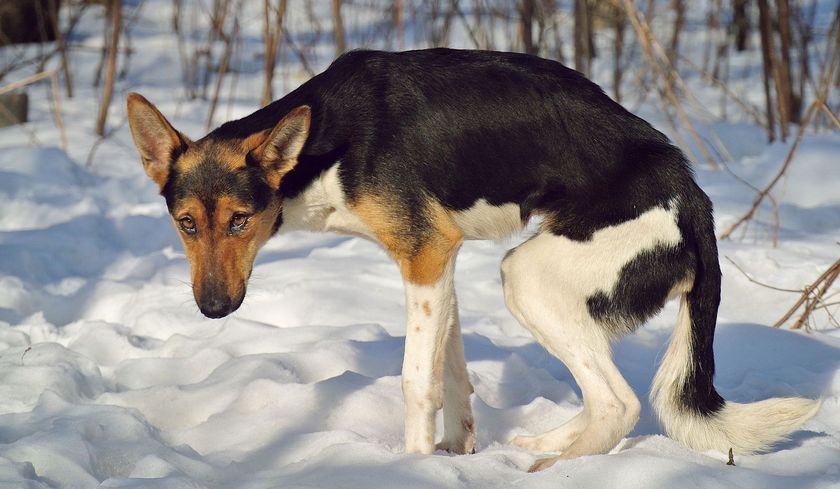
Symptoms of diabetes insipidus in dogs may include:
- frequent urination, while the urine is virtually colorless and odorless;
- increased thirst;
- decreased energy, fatigue and weakness due to metabolic disorders;
- decreased or loss of appetite;
- nausea, vomiting;
- dry skin;
- periodic increase in temperature;
- Cachexia (a decrease in fat and muscle mass). Dogs with diabetes insipidus may gradually lose weight due to a lack of glucose utilization and the breakdown of fats and proteins.
Diagnosis of diabetes insipidus in dogs
If you notice symptoms characteristic of this disease in your dog (constant thirst, frequent urination, weight loss, etc.), consult a veterinarian without delay.
Diabetes insipidus is preliminarily diagnosed according to the following criteria:
- polyuria (excretion of large amounts of urine);
- polydyspepsia (increased need for water);
- low density and osmotic concentration of urine ("liquid urine").
A complete diagnosis of diabetes insipidus in dogs involves several stages. The following are performed:
- Blood glucose testing. This is the first and most important step in diagnosing diabetes insipidus in dogs. Elevated glucose levels may indicate diabetes mellitus.
- Urine analysis. This test detects the presence of glucose, which is also a sign of classic diabetes.
- Hormone level analysis.
- Examination of the pancreas (ultrasound, tomography, secretin-pancreozymin test).
The animal may also undergo a test in which the dog is deprived of water for about half a day, and if the urine remains clear and not concentrated, the cause is most likely diabetes insipidus.
In diabetes insipidus syndrome, it is important to determine the source of the disorder—the brain or the kidneys.
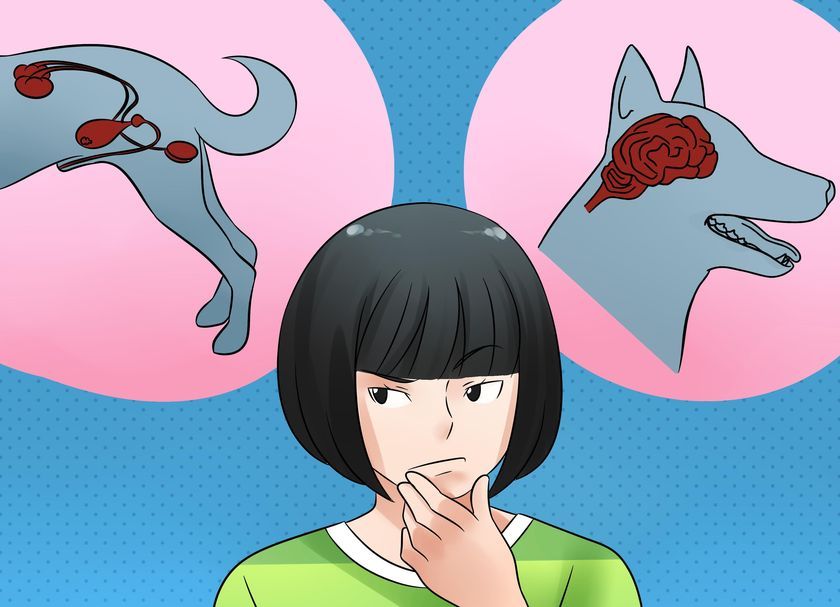
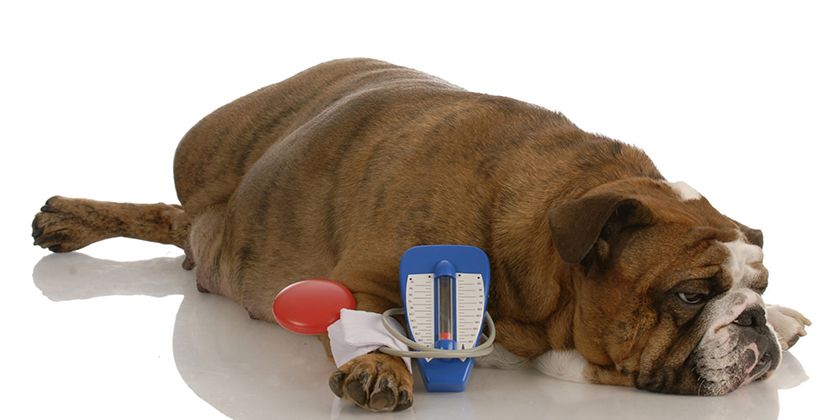
There are two possible causes of the disease: central diabetes insipidus or tubulopathy, which is most often congenital. To confirm the diagnosis, the dog is given a CT or MRI scan of the pituitary gland, which can detect tumors in this region of the brain. A kidney ultrasound is performed, and blood pressure is measured.
Treatment
Hormone replacement therapy (HRT) is used to treat diabetes insipidus in dogs, compensating for the missing hormones in the body. Treatment for this condition is usually carried out at home and involves several aspects depending on the type of disease.
For neurogenic diabetes insipidus, lifelong therapy is prescribed with medications containing desmopressin, a synthetic analogue of the natural peptide antidiuretic hormone arginine vasopressin. These medications are available at veterinary pharmacies and are available as tablets and nasal sprays.
Inexpensive and effective thiazide diuretics are used for nephrogenic diabetes:
- Hypothiazide (active ingredient hydrochlorothiazide)
- Piretanide (loop diuretic, promotes the elimination of sodium, potassium, calcium, and magnesium ions from the body).
- Torasemide (highly active diuretic, active ingredient torasemide).
- Furosemide (a fast-acting diuretic, inhibits the absorption of sodium and chloride ions, its pharmacological action is limited by the kidneys).
To eliminate inflammatory processes in the kidneys, the dog is prescribed non-steroidal anti-inflammatory drugs:
- Nimesil (active ingredient nimesulide);
- Ortofen (active ingredient sodium diclofenac);
- Dexalgin, Ibuprofen (propionic acid derivatives, effective analgesic and anti-inflammatory agents);
- Ketonal (active ingredient ketoprofen);
- Indomethacin (has a pronounced anti-inflammatory effect).
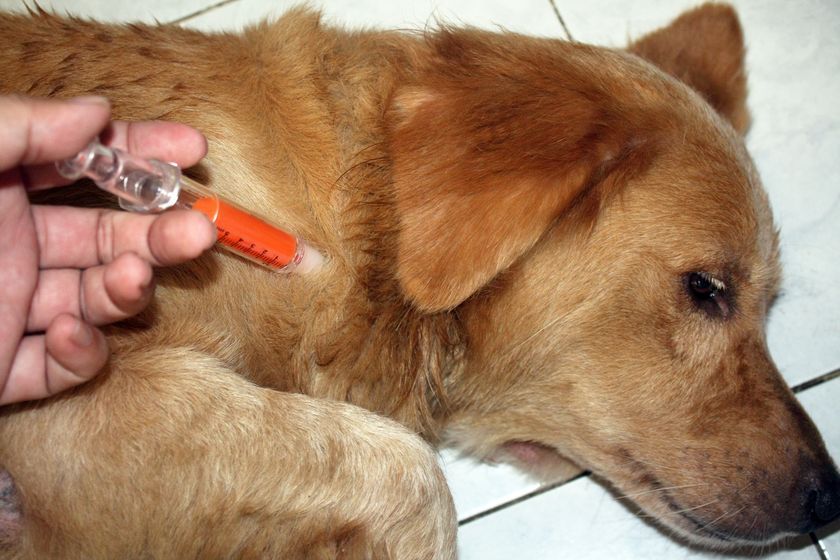
If the problem is renal insensitivity to the hormone, it's important to reduce the burden on the kidneys. Therefore, an endocrinologist will develop a personalized diet for your pet based on its specific needs, breed, age, and any underlying medical conditions. They may recommend a special diet low in carbohydrates and with an appropriate protein content. Feedings should be regular and follow a specific schedule.
A dog with diabetes insipidus should see a veterinarian regularly to monitor its condition and the effectiveness of treatment. The veterinarian will monitor hormone levels and adjust medication dosages.
How to find a good veterinarian
When choosing a veterinary clinic, don't hesitate to request certificates and licenses confirming their right to conduct veterinary activities. Reliable organizations value their reputation and carefully select their staff.
The ideal option would be a veterinary endocrinologist or nephrologist whose services your friends have already used. A specialist with specialized expertise will be able to provide more precise recommendations and conduct a thorough diagnosis than a general practitioner.
It's not recommended to search for a veterinarian through social media. Private specialists often work unofficially, so filing a claim if complications arise will be extremely difficult.
Possible complications
If the disease is detected late, two serious complications can develop: ketoacidosis and cataracts. The former carries the risk of rapid and severe toxicity, potentially leading to death, while the latter can lead to complete or partial vision loss.
Prevention
Prevention of diabetes insipidus in dogs includes all the rules of a healthy lifestyle.
Here are some basic recommendations:
- Proper nutrition. A balanced diet of nutrients, vitamins, and minerals, regular meals, avoiding excess carbohydrate consumption, and portion control are all important for maintaining digestive health and preventing weight gain.
- Moderate exercise. An active lifestyle and regular walks help dogs maintain a healthy weight and reduce their risk of developing any type of diabetes.
- Regular veterinary visits. Routine checkups will help you detect any changes in your dog's health early and take appropriate action. Regular blood tests and other necessary examinations are also recommended to monitor glucose levels and pancreatic function.
Closely monitor your pet for any changes in behavior or health. If any abnormalities are observed, consult a veterinarian promptly for professional advice, diagnosis, and treatment.
Read also:


Add a comment