
Intestinal Obstruction in Dogs: Symptoms and Treatment
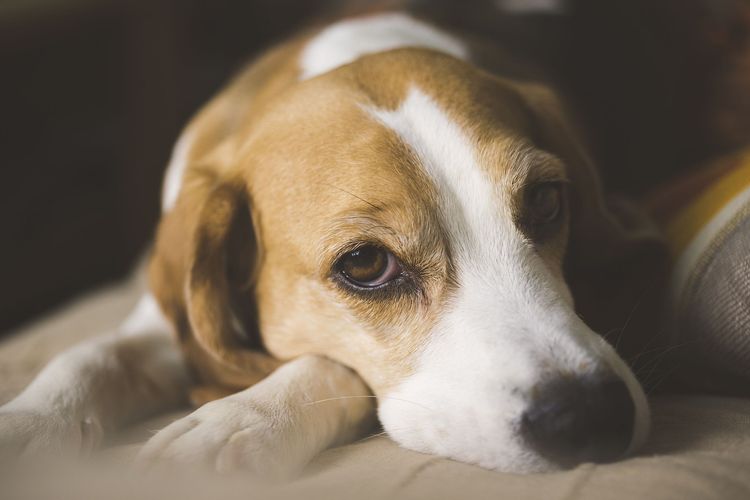
There are two types of gastrointestinal obstruction. Upper obstruction occurs when a blockage occurs in the esophagus or stomach. Lower obstruction occurs when the blockage occurs in the small or large intestine. The latter type is called intestinal obstruction. This is a very serious condition; without timely and proper treatment, the dog will die within a few days. Therefore, if you notice symptoms in your pet that indicate intestinal coprostasis (stoppage of food movement through the digestive tract), you should seek qualified help as soon as possible.
Content
Causes of coprostasis
Intestinal obstruction in dogs can occur due to:
- When the intestinal lumen is blocked by a foreign body. According to statistics, obstructive ileus (as this condition is called) is the cause of coprostasis in 80% of cases..
- Due to the accumulation of worms in the intestines that died as a result of deworming.
- In the presence of a bowel tumor. Of all types of neoplasms, coprostasis is most often caused by carcinoma growing into the intestinal lumen.
- Due to a blockage of a section of the intestine by fecal stones. Such stones often form in the intestine when a dog is fed coarse food with low nutritional value.
- Intussusception (the protrusion of one intestinal segment into the lumen of an adjacent one). This phenomenon is commonly called intestinal volvulus. The typical site of intussusception is the entry point of the small intestine into the colon.
In much rarer cases, coprostasis is caused by a strangulated hernia, paralysis, or congenital stricture (narrowing) of the intestine.
Symptoms
Symptoms of intestinal obstruction in dogs are most pronounced when the upper gastrointestinal tract—the stomach or duodenum—is affected. With coprostasis of the colon, symptoms are usually milder.
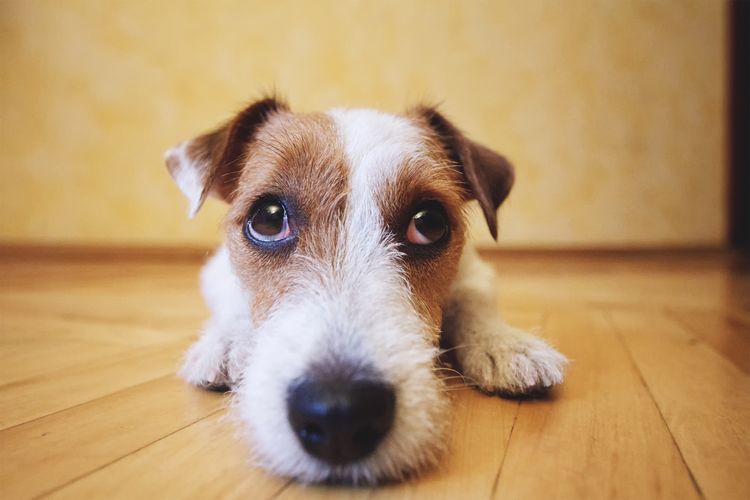
Clinical signs of intestinal obstruction in dogs may include:
- Bloating, a noticeable increase in its volume due to the lack of gas discharge;
- Tense abdominal muscles, pain in the abdominal wall even with light pressure on it;
- Forced unnatural posture;
- Scanty, loose stool or no stool at all. The dog frequently and unsuccessfully tries to empty the bowels, making characteristic groans;
- Refusal of food and water;
- The urge to vomit or vomiting with foam, vomit may contain feces;
- Temperature below 38 degrees.
Important! If your dog shows signs of intestinal obstruction, do not attempt any measures on your own. Take the animal to a veterinary clinic as soon as possible. Do not feed, force-feed, give absorbents, laxatives, antiemetics, enemas, or gastric lavage. If the owner is skilled in administering injections, you can administer a painkiller to help the dog cope with the trip to the vet.
Diagnostics
To establish a diagnosis, a medical history is taken, a clinical examination with bimanual abdominal palpation is performed, and blood and/or urine tests may be performed if necessary. Instrumental diagnostic methods are considered the most informative when intestinal obstruction is suspected.
X-ray examination. X-rays are taken in both frontal and lateral views, allowing for precise determination of the location of any intestinal blockage, narrowing, displacement, or intussusception. For improved visualization, radiographs are often performed using contrast agents (such as barium salts), which are administered orally as a solution into the dog's gastrointestinal tract.
Ultrasound diagnostics. With the help of ultrasound it is possible not only to accurately determine the area of stagnation, but also to determine its cause, as well as to obtain information about the presence of fluid in the abdominal cavity, even when symptoms of ascites have not yet manifested themselves. Furthermore, an ultrasound examination can assess the intensity and nature of bowel movements: with coprostasis, they become pendulum-like.
Magnetic resonance imaging (MRI) and computed tomography (CT) are rarely used to diagnose coprostasis in dogs. Since they require the patient to be completely immobile, MRI and CT scans are performed under general anesthesia and under the supervision of an anesthesiologist.
Treatment
Depending on the cause of intestinal obstruction, the dog may be prescribed: conservative treatment, removal of the blockage using gastroscopy, or surgery.
Therapy methods
Conservative treatment is usually used in cases of partial functional obstruction caused by gastrointestinal disease (eg, parvovirus enteritis). Without using a scalpel, it is often possible to get rid of the “plug” of dead worms or soft fecal stones.
In such cases, the doctor may prescribe:
- Laxatives (castor, vaseline or sunflower oil, lactulose).
- Enemas with a 1% solution of table salt or with salt and vegetable oil. However, when using laxatives and cleansing enemas, the doctor must be sure that the intestinal obstruction is not complete, otherwise, when the intestines fill and contract strongly, a rupture may occur.
- Antibiotics or antiparasitic agents.
- Antispasmodics and painkillers.
- Probiotics (cultures of beneficial microflora) and/or prebiotics (growth stimulators of beneficial microflora).
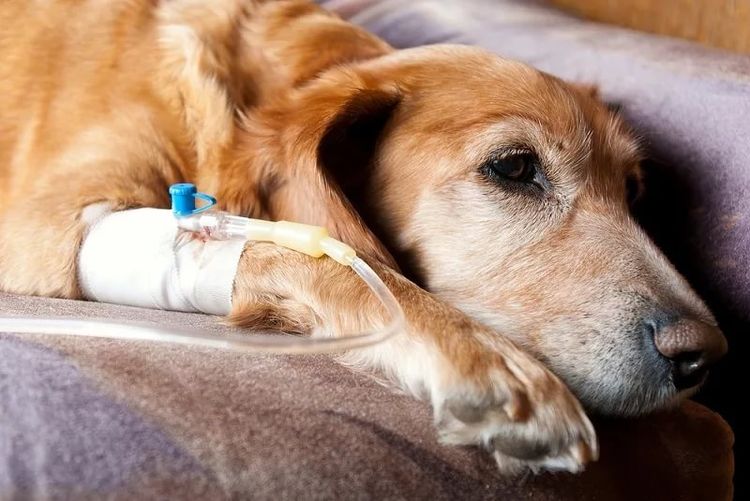
- In cases of severe intoxication or dehydration, the dog is given IV drips with glucose or saline solution.
Endoscopy
Sometimes the only chance to save an animal by quickly removing a foreign object lodged in the esophagus, stomach, or adjacent duodenum is endoscopy. The procedure is performed under general anesthesia and involves a special instrument inserted through a long, thin tube through the mouth. No preparation is required for this procedure.
Surgical treatment
In many cases, intestinal obstruction can only be corrected through open surgery, performed under general anesthesia. The technique depends on the location of the foreign body, tumor, or intussusception. If a necrotic area is identified, resection (removal) of the affected portion of the intestine is performed.
This is important! After abdominal surgery, your dog should be constantly monitored for the first 24 hours and given only water. On the second day, you can feed your dog a small amount of broth or liquid porridge. Your veterinarian will then advise you on a diet during the recovery period (usually 1-2 weeks).
Prevention
To prevent intestinal blockage in a dog, the owner should:
- choose the right toys for your pet - they shouldn't be small;
- When walking, make sure that the dog does not rummage through trash cans or try to swallow a pebble, piece of wood or other inedible object;
- immediately after feeding, do not force the dog to run and jump a lot;
- adhere to the animal's deworming schedule.
Read also:
- Enterocolitis in dogs: symptoms and treatment
- Why does a dog ride on its butt?
- Vomiting blood in a dog


Add a comment