
Bad breath in dogs
Bad breath in dogs can be a result of improper oral hygiene or a symptom of a medical condition. The owner's job in this case is to quickly identify the cause and take steps to eliminate it.
Possible reasons
When a dog develops bad breath, the causes may be related to the following circumstances:
- Problems with the oral cavity. Possible in dogs of different ages: in puppies, the period of replacement of baby teeth with permanent teeth is sometimes accompanied by decay of the old enamel, in older individuals, when the poor condition of the teeth is due to age. In adult animals, it sometimes develops tartar, gum inflammation develops (gingivitis), stomatitisThe last two can be either an independent pathology or a consequence avitaminosis, gastrointestinal disorders.
- Oral injuries. Chewed pieces of sticks, toys, branches, and bones can injure the gums, which can subsequently lead to inflammation. As a result, the healthy microflora in the mouth gradually gives way to putrefactive bacteria, which causes an unpleasant odor.
- Worms. Advanced helminth infestations can sometimes cause bad breath. Rapidly reproducing parasites can practically fill the animal's intestines, which slows down digestion and triggers putrefaction. Similar problems can occur with roundworms, tapeworms, or tapeworms.
- Oncological neoplasms of the oral cavity (often in the form of cones) or gastrointestinal tract organs can provoke the appearance of a sweetish rotten smell from the animal’s mouth.
- Disorders of the kidneys and genitourinary system. In pathological disorders, ammonia is retained in the body and enters the blood, saliva, and other fluids, which ultimately provokes the appearance of "ammonia breath."
- Hormonal disorders And certain autoimmune processes trigger so-called acetone breath. This is one of the characteristic symptoms of diabetes, which only intensifies as the disease progresses.
- Serious liver disease (for example, advanced cirrhosis) can also cause a cadaverous odor from the mouth. A putrid smell occurs when the liver has already decomposed, that is, its tissues are dying and rotting.
Pathological processes aren't always the cause of a pet's cadaverous odor. It can also be related to a bad habit—picking up carrion or spoiled food.
- Improper nutrition. An unbalanced diet negatively impacts a dog's breath. A high-protein diet can sometimes cause a foul odor from the dog's mouth, as the stomach struggles to digest meat and offal. A diet high in carbohydrates or chlorinated tap water can also cause foul odor.
- Breed characteristics. One of the reasons, not related to health problems, is that short-muzzled pets with drooping lips may have a foul-smelling mouth due to food debris that has already begun to rot and accumulate in their cheeks.
What should the owner do?
Obviously, the appearance of bad breath in a dog should be a reason to monitor your pet more closely. The first thing to do is:
- Examine your mouth. You may find food particles stuck between your teeth or behind your cheeks, as well as plaque. In these cases, brushing your teeth can help. A soft toothbrush or a piece of gauze wrapped around your finger and soaked in an antiseptic solution will do the trick. However, if you notice large areas of inflammation or tartar, you should absolutely not attempt to treat the problem yourself.
- Assess the presence of other alarming symptoms: loss of appetite, drowsiness, thirst, vomiting, diarrhea, sudden weight changes, lethargy, fever, etc.
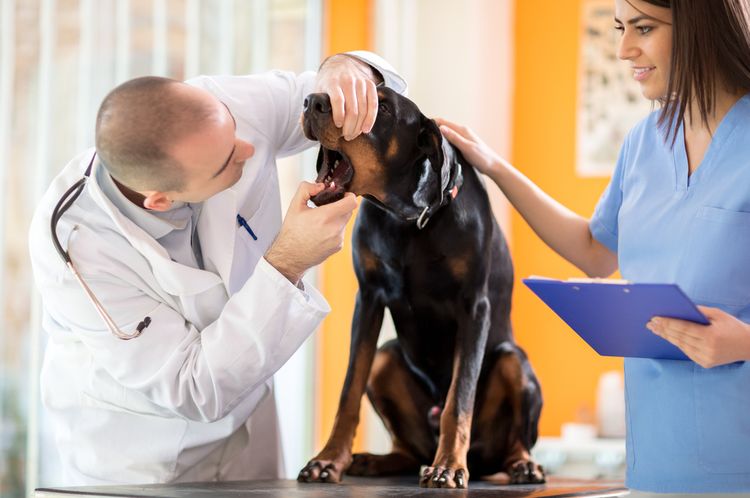
If you notice one or more of these symptoms in your dog, it's best to consult a veterinarian immediately. They will conduct an examination and necessary tests, make a proper diagnosis, and advise on how to eliminate bad breath depending on the underlying cause:
- For tartar, especially in advanced cases, ultrasonic cleaning is considered the best method for removing it. During the procedure, an antiseptic solution and fluoride are also applied to protect the tooth enamel from rapid plaque buildup. Eating tomatoes (including in the form of juice) will facilitate plaque removal at home.
- In cases of oral trauma, the foreign body causing tissue inflammation and, consequently, decay is removed first. If necessary, the wound should be sutured and treated with an antiseptic until complete healing.
- For gastrointestinal diseases. In addition to the primary treatment for the identified condition, a special diet based on dietary food or mucous cereals with lean meats (turkey, veal, chicken) is required. In the first few days, to relieve acute inflammation, it is recommended to only give the animal clean water.
- For diabetes, it is necessary to maintain acceptable glucose levels with the help of special medications and diet. The latter involves the use of high-quality dietary foods or natural foods with a minimum of carbohydrates and fats, but without food from the human table.
- For helminthiasis. In addition to medications aimed at eliminating parasites, sorbents are used to speed up the body's detoxification and eliminate bad breath. In cases of severe intoxication, intravenous saline solution is required.
Preventive measures
The following steps will help reduce the risk of foul odor from your pet's mouth:
- Regular brushing of teeth (at least once every 4-5 days) with a special toothpaste for dogs.
- Eating a healthy diet based on meat, grains, vegetables, and fruits, but avoiding fatty, sweet, and salty foods. Constant access to clean, filtered water is also important.
- Purchasing chew toys will also help clean your pet's teeth.
- Systematic treatment against helminths.
- Regular veterinary visits will help identify potential health problems early. Regular dental visits are also recommended.
Read also:


Add a comment