
German Miniature Spitz (Kleinspitz)
The German Miniature Spitz, or Kleinspitz, is a small toy dog with a fox-like face and a beautiful coat. Energetic, lively, and alert, it has an independent nature and a strong attachment to its owner. This miniature spitz originates from Germany and belongs to the large German Spitz family.
Content
History of origin
Most cynologists believe that Spitz-type dogs descended from the so-called ancient peat dogs, which lived in Europe during the Stone Age, and are therefore rightfully considered one of the oldest breeds.
Spitz dogs were primarily kept by commoners, large dogs used to guard their estates and property, while smaller dogs were prized for their excellent hearing, quick reactions, and resonant bark, which alerted others to intruders. Later, when they caught the eye of the nobility, breeding efforts focused on reducing their size and improving their appearance.
The modern history of the German Spitz is considered to have begun in the 18th century. During this period, each region of Germany bred dogs of a specific size and color, focusing on their appearance. Krefeld, Düsseldorf, and Aachen primarily bred Wolfspitz, Württemberg bred medium and large dogs, and Pomerania bred small and miniature dogs. At the end of the 19th century, Germans founded a Spitz fanciers' club and developed standards for dogs of different sizes, which were later officially recognized by the FCI. The German Spitz family includes five breeds: Keeshond (Wolfspitz), Grossspitz (Large Spitz), Mittelspitz (Medium Spitz), Kleinspitz (Small Spitz), and Zwergspitz (Dwarf Spitz/Pomeranian).
Appearance and standards
The Kleinspitz is a small, square-shaped dog with a pointed muzzle, small, pointed ears, and a thick coat. Height: 23-29 cm; weight: 5-10 kg.
The wedge-shaped head gradually tapers toward the nose; when viewed from the side, the transition from the forehead to the muzzle is clearly visible. The nose is usually black, but may be brown in light-colored dogs. The lips are thin and close-fitting. The ears are small, set high, close together, and triangular with pointed tips. The eyes are oval and always dark in color. The neck is medium in length with a well-defined withers. The back is short and straight. The chest is deep and oval, with a tucked-up belly. The tail is set high, curled over the back in a ring, and may lie on the right or left side.
The German Spitz has a double coat, consisting of a straight, long topcoat and a short, dense undercoat. A lush mane, bushy tail, and breeches on the backs of the legs are essential.
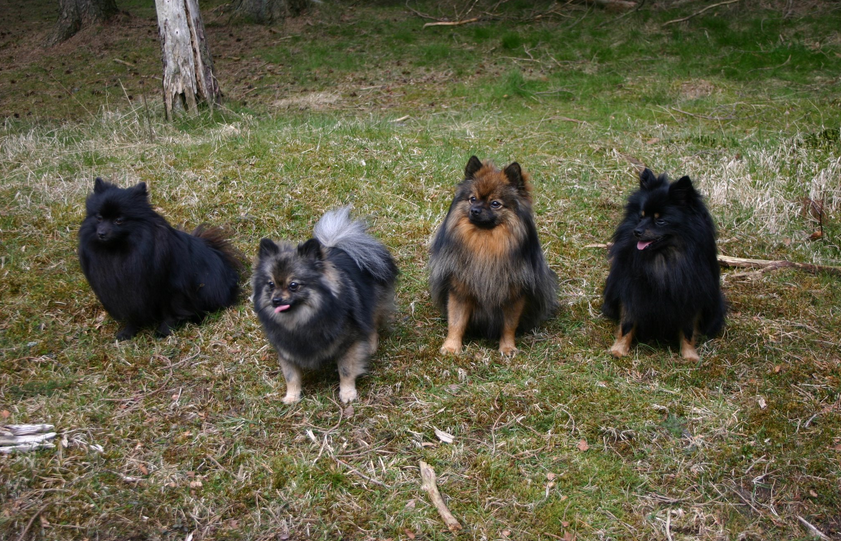
Colors: solid black, brown, white, orange, as well as wolf and other colors. The standard defines "other" as cream, cream-sable, black and tan, orange-sable, and spotted. Spotted dogs have a white base color, with spots that can be black, orange, brown, or gray.
Training and education
German Spitz are intelligent and capable dogs; they are easy to train and even require regular physical and mental stimulation. They quickly learn and follow commands, but to achieve excellent results, it's important to engage them in training from an early age and provide as much variety as possible. Socialization is crucial during training, with an emphasis on eliminating negative traits and personality traits such as jealousy, persistence, aggression, and unprovoked barking.
Training a German Spitz requires firmness, persistence, and methodicalness, just like training any large dog. It's important to maintain a leadership position in your pet's eyes, but avoid harshness or unfair treatment.
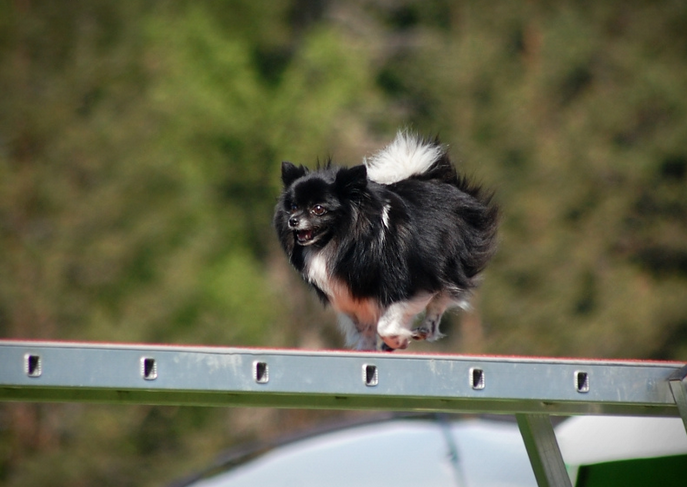
Miniature Spitz dogs are very active and energetic, requiring regular walks filled with playtime and plenty of toys. Various sports, such as agility, freestyle, and flyball, are excellent pastimes. Spitz dogs adapt to their owners' lifestyles in many ways: they'll be calmer around older people, while families with small children are happy to frolic and spend the entire day walking.
Character and psychological portrait
The Kleinspitz's personality is anything but simple. These dogs are intelligent, good-natured, energetic, and sociable, but they can also be moody and jealous, demanding maximum attention and affection from their owners. If left untrained, they will become irritable and disobedient.
Spitz are wary of strangers and are very fond of barking. While this is certainly an individual trait, in most cases these dogs live up to their reputation as "alert guard dogs."
Miniature Spitz dogs are not at all aggressive and get along well with other animals, but they prefer human company. They get along well with children, are patient and docile, though care must be taken to ensure that a small child doesn't harm the dog with excessive attention.
Content
The Miniature German Spitz is designed to grace an apartment or home with its presence and captivate passersby during walks. While the little Spitz spends most of its time with its owner, it also needs its own sleeping and resting area with a wide variety of toys, all of which are safe to destroy.
A Spitz's thick coat requires brushing once or twice a week, and every day during shedding season. Before brushing, it's recommended to lightly moisten the coat with a special spray or a spray bottle of water; brushing a dry coat can cause split ends. Bathe the dog no more than once a month, using a mild shampoo and conditioner to prevent dryness and brittleness. After bathing, thoroughly dry the undercoat with a hairdryer. Allowing the undercoat to dry on its own can take a day or more, which can lead to fungal infections and colds. Clean the dog's eyes, ears, and teeth, and trim its nails as needed. If desired, a Spitz can be trimmed during the warmer months, but the standard does not stipulate trimming; only light thinning on the ears, groin area, and paws is recommended.
Diet and health
There are certain rules to follow when feeding a Spitz. First and foremost, remember that this is a carnivore, meaning the basis of their diet should be meat, about 60-70%, with the remainder consisting of grains, fruits, vegetables, fish, cottage cheese, a little vegetable oil, and occasionally an egg yolk. You can choose a commercial food for your pet, but super-premium options are preferable. Most cheap foods don't meet all of their needs and don't contain enough protein. Spitz are very food-hungry and will eat anything, anytime, but this shouldn't be allowed. Feed your dog only portions and strictly adhere to a feeding schedule. Drinking water should be freely available. For the first couple of weeks after purchase, feed the puppy the same diet as the breeder. If a new diet or diet needs to be introduced, do so gradually.
Miniature Spitz are considered a robust and healthy breed, but they are not immune to hereditary health issues. A predisposition to hip dysplasia has been noted, but it is typically mild and causes no discomfort. Some members of the breed develop epilepsy as early as two years of age. Thyroid or adrenal dysfunction is also common, which in turn affects the entire body. Some dogs are prone to allergies. Life expectancy is 14-15 years.
Choosing a Miniature Spitz Puppy and Price
The process of choosing a puppy can be roughly divided into three stages. The first is choosing the breed and gender. This is entirely individual. The second stage is the most crucial: choosing the breeder and the future puppy's parents. It is known that many exterior traits and character traits are inherited, but so are breed-specific diseases. Therefore, it is important to familiarize yourself with the pedigree of the breeders. The third stage is choosing a puppy from the litter. The puppy should be active and inquisitive, but not shy or aggressive. Exterior qualities are always assessed; they should largely meet the standard. All puppies in the litter must be healthy and vaccinated. It is worth keeping in mind that the color may vary slightly until the puppy's coat completely changes to the adult color. White Spitz are the most expensive, as they are quite difficult to breed, but sometimes puppies with a cream color are born completely white, and unscrupulous breeders take advantage of this.
The price of a puppy depends on the pedigree of the parents, the breeder, and the puppy's prospects, so it varies widely. On average, a Miniature German Spitz puppy costs $750-$1200.
Photos
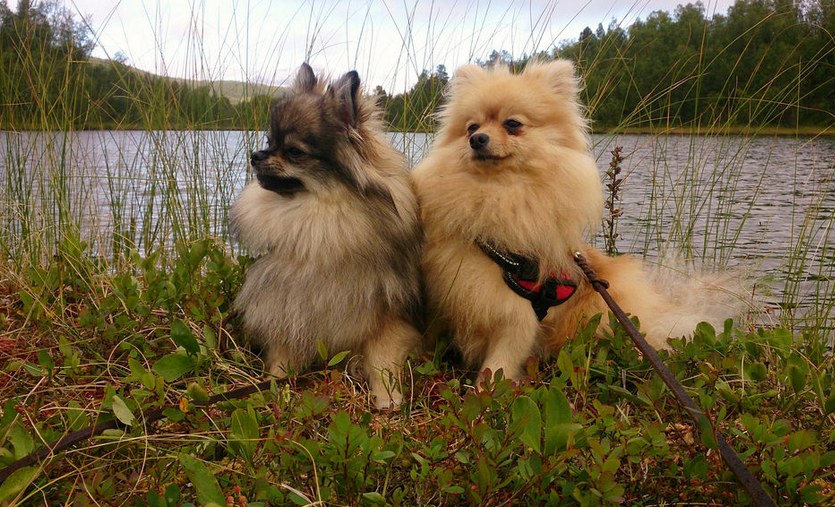
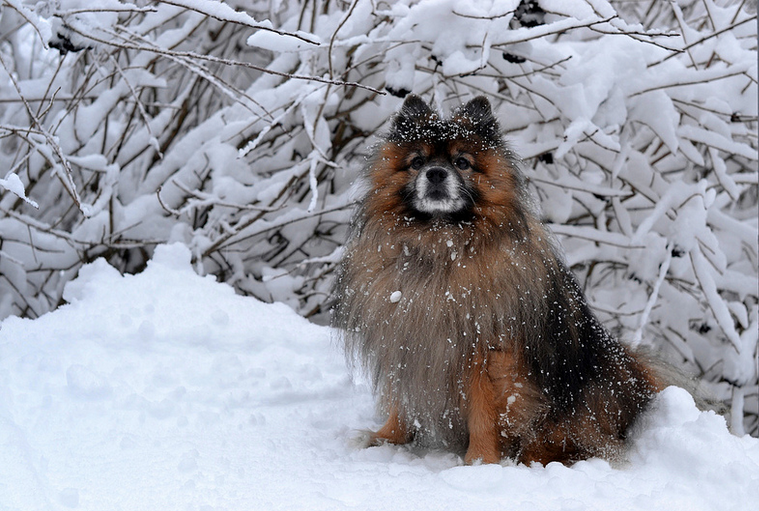
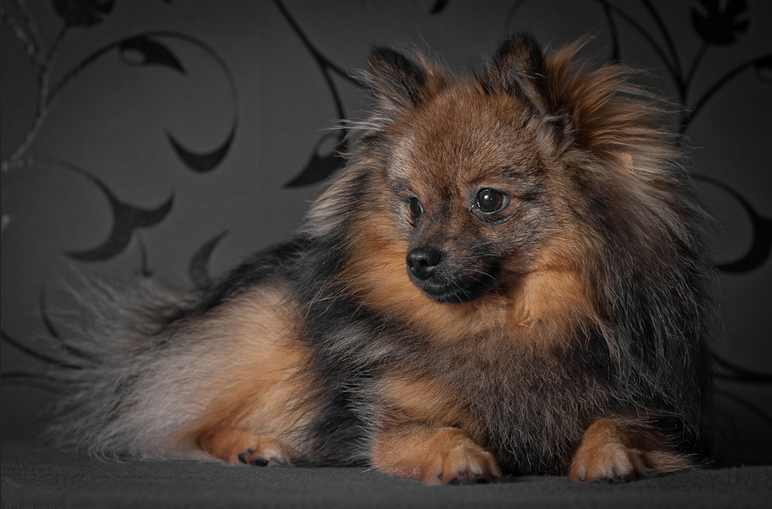
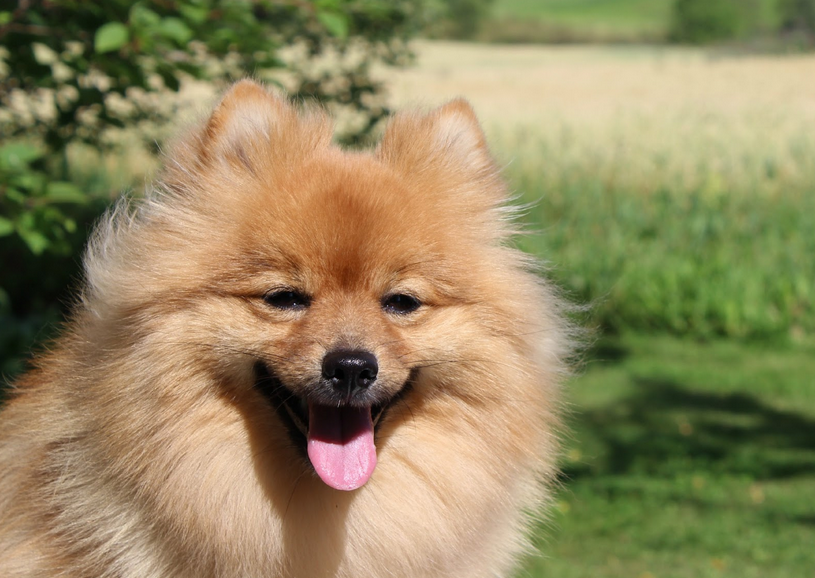
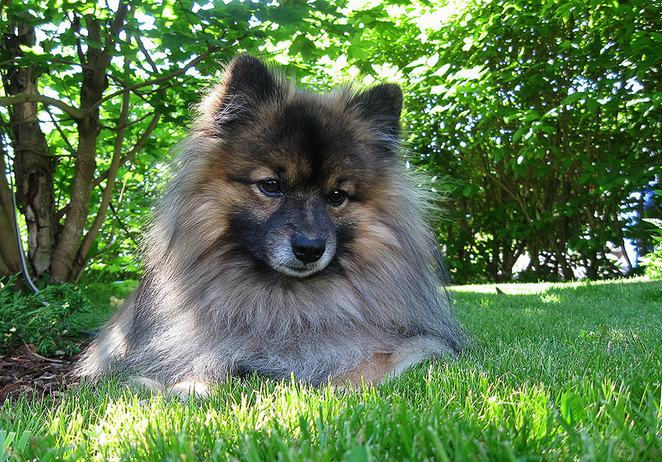
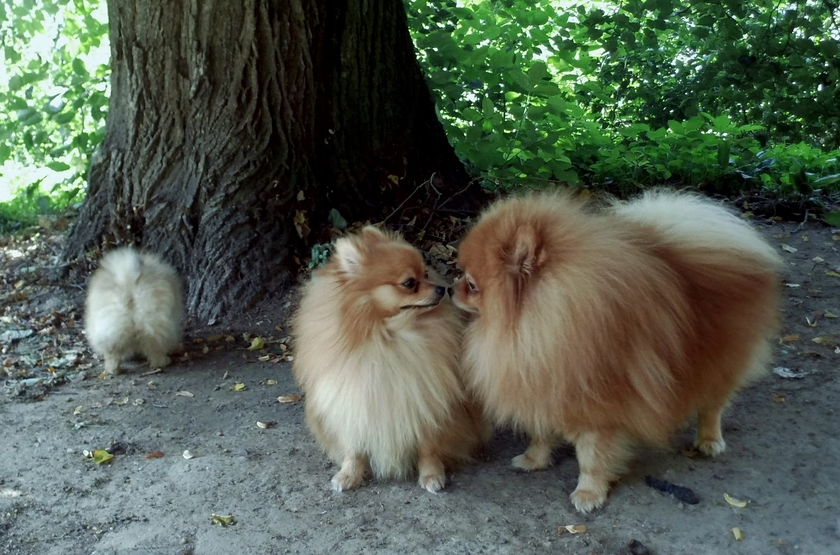
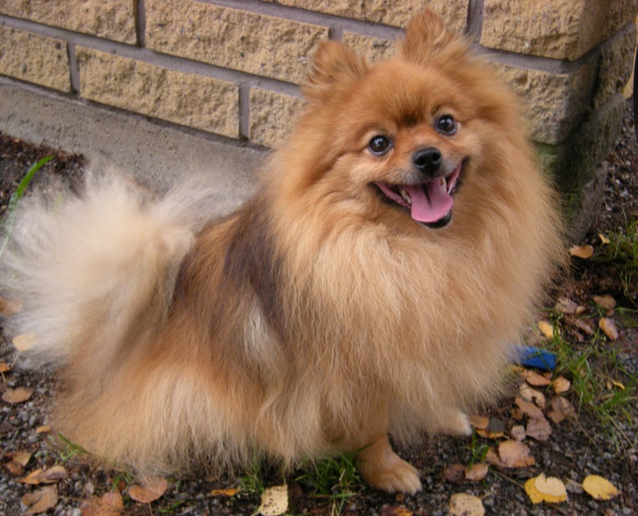
Photos of the Kleinspitz, a German miniature spitz:
Read also:


Add a comment