
Nephritis in cats: symptoms and treatment
Due to their anatomical and physiological characteristics, cats' urinary systems are extremely vulnerable, so kidney problems, including nephritis, occur more frequently in cats than in other animals. Nephritis can present without any obvious clinical symptoms. To avoid delays and initiate treatment promptly, pet owners need to be aware of the symptoms characteristic of this disease.
Content
Nephritis: Definition and Causes in Cats
Jade (Nephritis=«nephos»+«itis" – "bud»+«inflammation"Kidney disease" isn't a specific disease—it's a term for a group of kidney diseases. A number of factors influence their development in cats.
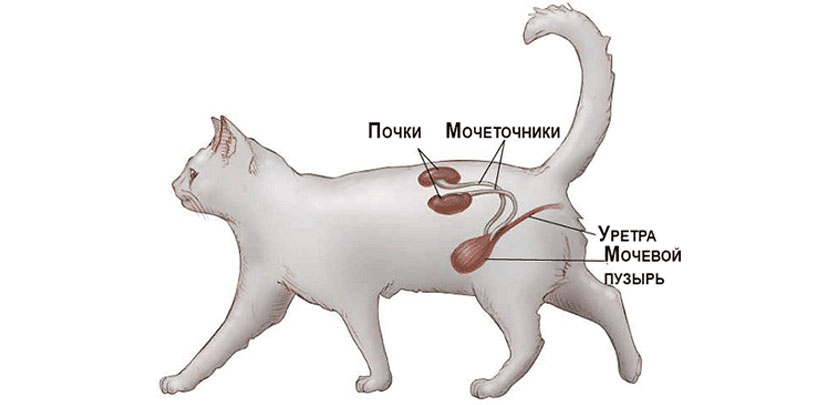
Main reasons:
- Pathological microfloraIf an animal's body is infected, it will inevitably pass through the kidneys along with the blood, which can cause inflammation.
- Unjustified or incorrect use of medicationsSelf-prescribing, erroneous prescription, or failure to follow recommended dosages may impact the functioning of the excretory system.
- Poisoning low-quality products, household chemicals.
- Helminthic infestationParasite waste products are toxic to the body and negatively impact the functioning of internal organs. The kidneys, which filter blood, take the brunt.
- Skin diseasesDermatitis, burns, abscesses, and mechanical injuries can damage the epidermis, creating an open door for infection. Once in the bloodstream, the pathogen often causes kidney inflammation.
Knowing the cause of the disease, the owner of a cat will be more attentive to the conditions of keeping and the health of the pet.
Types of jade
Nephritis can be acute or chronic. Its location also varies – it can be focal or diffuse.
Note! In young cats, the incidence of acute nephritis is 0.5-0.8% of all non-communicable internal diseases; in older cats, the incidence is higher: 0.8-2.5%. Chronic nephritis accounts for 0.5-1.5%.
Acute (Nephritis acuta)
The development of kidney inflammation is triggered by previous bacterial and viral infections, and less commonly, food or chemical poisoning or dermatitis. Contributing factors include frequent hypothermia, stress, and trauma. The inflammatory process progresses rapidly, affecting the glomerular vessels and interstitial tissue.
Signs of the underlying disease appear first, followed by nephritis. When palpating the lumbar region, the cat is restless and nervous.
Symptoms:
- high temperature;
- loss of appetite;
- thirst;
- lethargy, apathy;
- swelling;
- paleness of the mucous membranes;
- frequent wheezing, coughing fits;
- Urination is frequent, but the volume of urine decreases.
The duration of the acute phase depends on the severity of kidney damage. It sometimes lasts 7-14 days and ends in recovery; in cases of severe renal failure, the prognosis is poor.
Chronic (Nephritis chronica)
The inflammatory process is infectious and allergic in nature, sometimes due to congenital diseases. It damages the renal blood vessels, causing renal failure. It develops due to improper treatment of the acute phase, recurring infections, and toxicity.
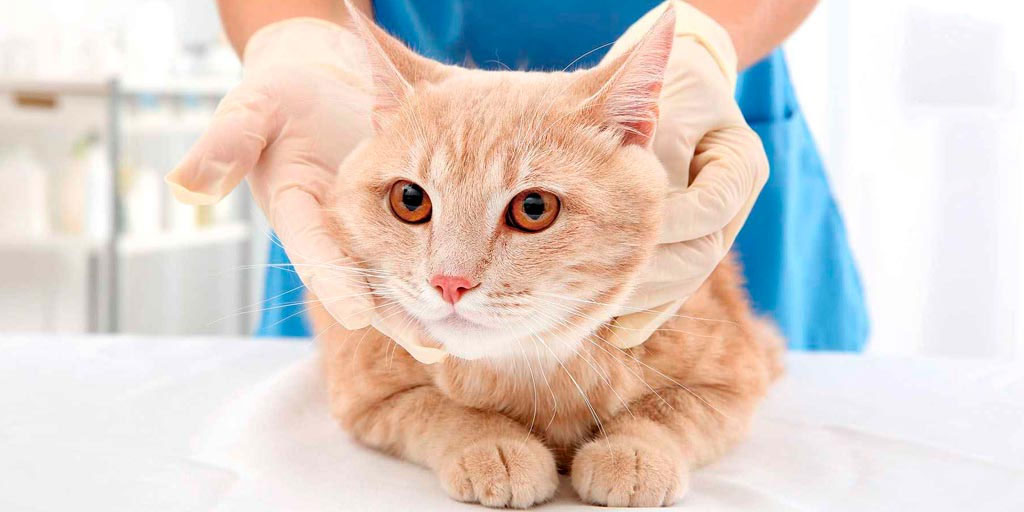
Treatment for both forms begins with eliminating the underlying cause (viruses, bacteria, hypothermia) and prescribing a half-day fast. Feedings are then divided, protein intake is reduced, and salt is prohibited. Antibiotics are administered for 10-14 days.
Severe intoxication is eliminated by intravenous administration of saline, glucose, calcium chloride, and swelling is relieved with diuretics.
Glomerulonephritis (glomerular nephritis)
The decisive factor in the development of the disease is an allergic reaction to various pathogens entering the body and their toxins. The inflammatory process develops in the glomeruli (the filtering vascular glomeruli).
The acute form lasts 1-12 months or becomes chronic. It all depends on the individual cat's characteristics. Treatment is complex and based on diagnostic data.
Interstitial (fibrosis)
Bacterial and viral infections and chronic diseases cause kidney tissue to be replaced by fibrous, or dysfunctional, connective tissue. As a result, the kidney shrinks. Symptoms are similar to other types of nephritis. Treatment is prescribed by a doctor after specific tests.
Causes: toxic effects of drugs, chemical poisoning, viral and parasitic infections.
Pyelonephritis
It is caused by various microorganisms in cats that spread from abscesses in the genitourinary system and intestines, causing inflammation in the renal pelvis and kidneys. The course of the disease can be acute or chronic.
Acute is characterized by:
- fever;
- rapid breathing;
- high pulse;
- lack of appetite;
- weight loss.
Duration: 1-21 days, outcome: becomes chronic or the pet dies.
In chronic cases, the condition improves and then worsens again. The cat stops eating, urination becomes painful, and the urine contains blood clots, mucus, and pus. This condition can last for months. The prognosis is poor.
For treatment, antibiotics are prescribed (a course of 1-2 weeks, then a week's break and the course is repeated), diuretics, and a light diet.
Note! In rare cases, pyelonephritis develops as a complication of pyelitis—an inflammation of the lining of the renal pelvis. Pyelonephritis is rarely observed as an independent condition in cats.
Veterinarian's advice
Any form of nephritis in cats is diagnosed after certain tests:
- biochemical and clinical blood analysis;
- Ultrasound of the urinary system;
- urine analysis.
You shouldn't rely on recommendations and treatment advice from various forums – it's impossible to make an accurate diagnosis without research.
Read also:
- Urolithiasis in cats
- Blood in a cat's urine: causes and treatment
- Protein in Urine in Cats: Causes and Treatment


Add a comment