
Urinary Incontinence in Dogs: Causes and Treatment
Urinary incontinence is a problem that can affect dogs of any age. This article will cover the possible causes of urinary incontinence in dogs, what owners should do if they notice their pet leaking urine, how conditions that cause such symptoms are diagnosed, and what treatment a veterinarian may recommend.
Content
Is my pet really incontinent?
From a medical point of view, urinary incontinence means the involuntary loss of urine or the uncontrolled release of urine by the animal (so-called leakage).
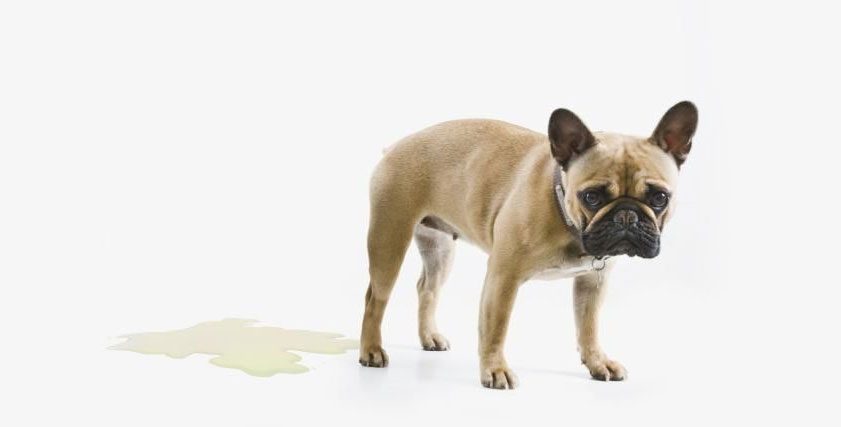
It is important to understand that not every puddle left by a dog in an inappropriate place (for example, in an apartment) is a symptom of incontinence.
Minor "failures" that can result in puddles appearing in the apartment may be dictated by completely different reasons:
Obviously, in these situations, it's impossible to say the dog has urinary incontinence, and treatment won't help. Addressing the problem will require more time and more serious training, reinforcing desired behavior using various methods.
Symptoms of urinary incontinence
You can suspect that your dog has urinary incontinence if you notice the following symptoms:
- lack of control over the urination process (during sleep or during the day);
- night leakage (small wet spots may remain in place);
- anxiety (the dog understands that it is not allowed to leave puddles at home, which is why it worries, often asks to go outside, and looks for a secluded corner away from prying eyes);
- constantly wet fur in the genital area;
- the smell of urine (can appear either from the pet or in the apartment);
- skin inflammation (may occur due to prolonged contact with urine).
Please note that incontinence in dogs can occur at any age, and the causes can also be very varied. Therefore, if you notice a problem, it is imperative to consult a veterinarian and determine the underlying causes.
Causes of incontinence
All reasons can be conditionally divided into physiological and psychological.
Congenital malformations
In this case, the puppy's urine leaks from birth, and the problem is obvious already in the first months of the baby's life.
The problem is corrected surgically, which in most cases gives the dog the opportunity for a long, full life.
Age-related changes
Aging is a natural process common to both humans and animals. As we age, muscle tone declines, causing older dogs to occasionally leak urine in small amounts (at night or during the day).
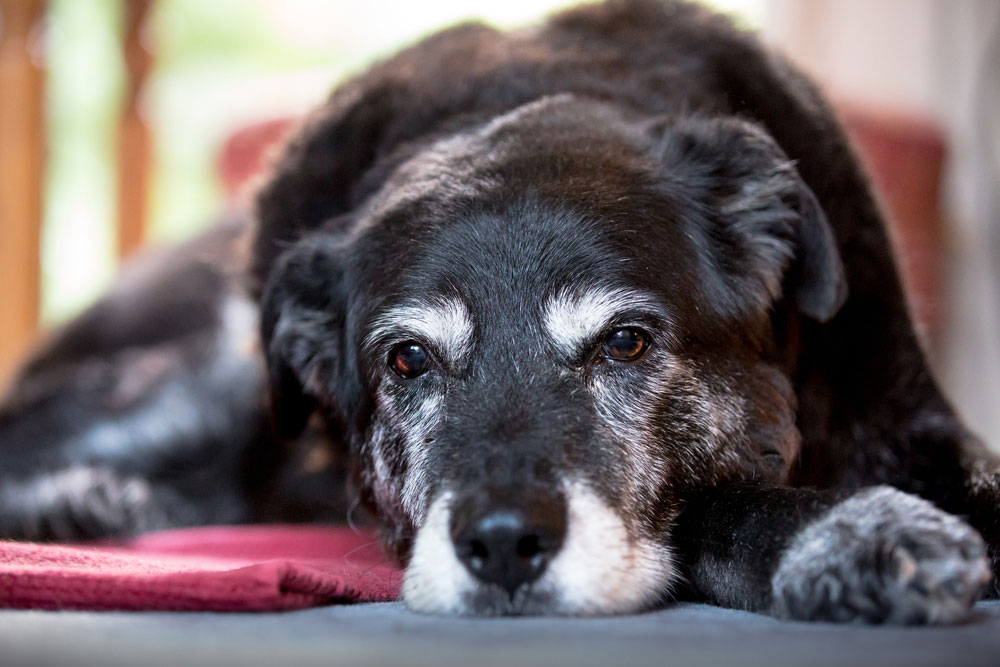
This process is involuntary, so you should not scold or punish your pet for leaking urine and leaving wet spots on the carpet or sofa (usually where the dog lies or sleeps).
In the early stages, age-related changes are reversible (inexpensive and effective medications are available), but very old animals suffering from incontinence may require the constant use of diapers.
Hormonal changes after sterilization
This problem most often occurs after spaying in female dogs. Symptoms may appear approximately several months after the surgery.
The cause is a change in the body's hormonal levels, which affects the tissues of the mucous membrane of the bladder and urethra, as well as the tone of the muscles of the urinary sphincter.
Many veterinarians warn clients about potential problems before the procedure, so owners know what to do if their dog develops urinary incontinence due to hormonal changes. However, some deliberately omit this information to prevent clients from canceling their scheduled neutering procedure.
If you suspect that your pet's spaying is the cause, contact the veterinarian who performed the procedure, and they will recommend a medication that helps with urinary incontinence in dogs in this situation.
Urinary tract infections
Infectious diseases are one of the most common causes of problems in young animals.
The cause of the inflammatory process may be:
- sexually transmitted infections;
- infections causing urethritis, cystitis and pyelonephritis.
To determine the specific pathogen causing the inflammatory process and to select the most effective medications for treating the animal, the veterinarian will recommend testing for the pathogen.
Urolithiasis
In a young or old dog, urinary incontinence can also be caused by sand or stones in the kidneys. We wrote in detail about what to do if the animal has previously been diagnosed with this in the article “Urolithiasis in dogs".
Injuries
Incontinence may occur in animals if the following are injured as a result of an injury:
- spinal cord;
- brain;
- nerve endings responsible for transmitting nerve impulses from the bladder;
- bladder or sphincter muscles.
What to do if your dog's incontinence appears some time after an injury? It's natural to further examine the animal and determine what exactly caused the new symptoms.
Stress and hyperactivity
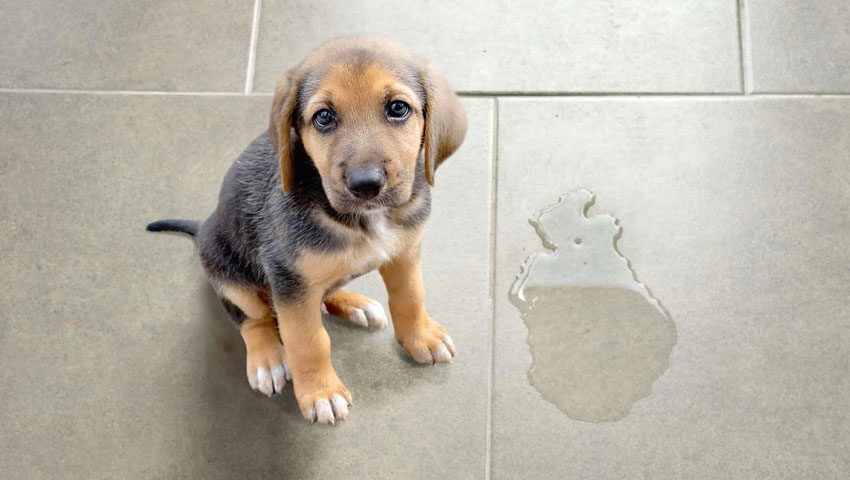
Involuntary urination can occur in dogs due to severe stress or fear. In hyperactive animals with inherited psychological instability, the problem can also manifest itself despite positive emotions.
In most cases, the problem can be resolved by addressing the animal's psychological state and behavioral modification. Since psychological causes can be quite varied, each individual approach requires an individualized approach.
Diagnosis and treatment
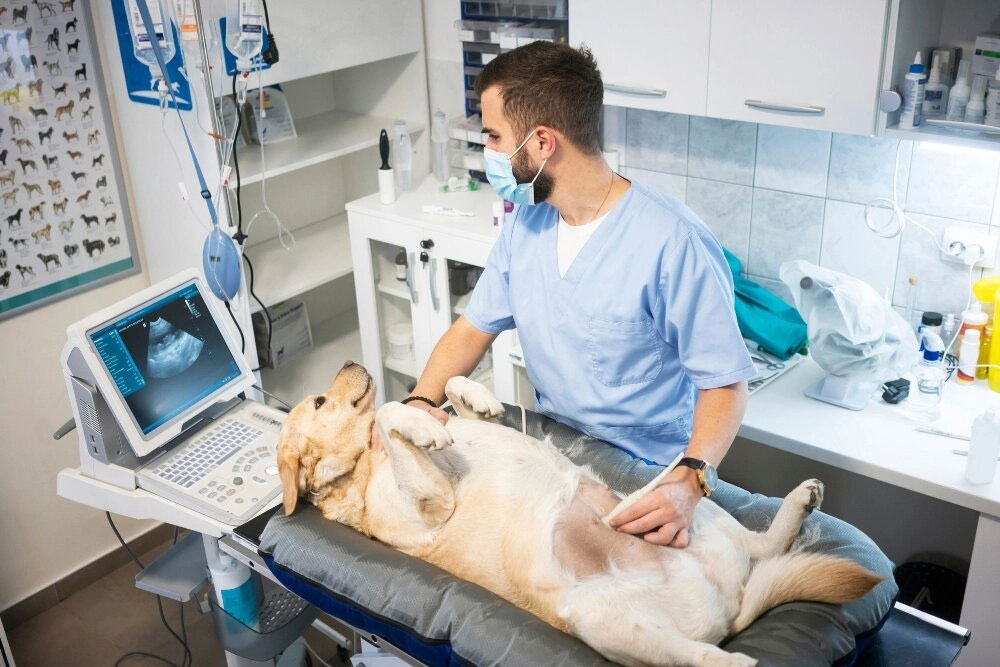
To help your veterinarian select the optimal medications for quick and effective treatment of incontinence, it's important to correctly determine the cause of the condition. This will require a comprehensive examination of your pet, including:
- general blood tests and biochemistry;
- tests for genitourinary infections;
- Ultrasound of internal organs;
- monitoring of hormonal levels (if endocrine diseases are suspected);
- X-ray (if neurology is suspected).
Treatment options depend on the diagnosis:
- at cystitis and urethritis - antispasmodics and antibiotics (depending on the pathogen isolated from the tests);
- at diabetes mellitus a diet and optimal insulin dose are selected (if necessary);
- dogs with Cushing's syndrome prescribe hormonal pills;
- at chronic renal failure prescribe complex treatment taking into account the animal’s condition;
- in some cases they prescribe sedatives or antidepressants;
- upon detection pyometra (can also produce similar symptoms in the early stages), urgent surgery is required.
Important! It's only possible to determine whether a dog's urinary incontinence is caused by psychological factors or age-related changes after a comprehensive examination has shown no other infectious or hormonal causes.
Veterinarian's advice
Read also:
- Prostatitis in dogs: symptoms and treatment
- Frequent Urination in Dogs: Causes and Treatment
- Uterine Prolapse in Dogs: Causes and Treatment


Add a comment