
Scientific description of a dog
The scientific description of the dog is a generalized description of all placental mammals of the order Carnivora, family Canidae. Kingdom: Animalia, phylum: Chordata.
The text about this description includes both domestic and stray animals, since both groups have identical “roots” - ancient wolf-like and ancient jackal-like.
Domestic dogs differ from their wild counterparts in a number of ways:
- their reproduction is controlled by people;
- they are bred to satisfy human needs;
- They are differentiated into breeds.
Content
Scientific Description of the Dog: Origin
Scientists' opinions on the origins of dogs differ, and they can be described from various perspectives. Some believe that these domesticated animals arose as a result of the natural crossbreeding of several species of wild mammals, thus placing them in a polyphyletic group.
Others believe that they are the result of the evolution of one specific species of wild animals and belong to a monophyletic group.
The first domesticated dogs appeared approximately 14,000 years ago. It's highly likely that the domestication of wild animals actually occurred earlier, but this information hasn't reached our time.
In turn, the most ancient breed today is considered to be the Pharaoh Hound, which appeared about 5,000 years ago.
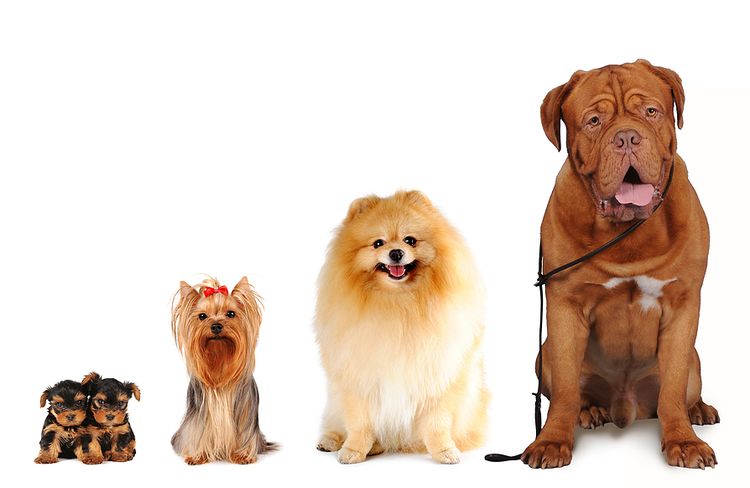
Over the course of evolution, domesticated animals lost some "wild" characteristics, acquiring new ones in their place. The number of species expanded, ultimately leading to the current worldwide population of approximately 400 dog breeds.
Physiological parameters, skeleton
Weight and height
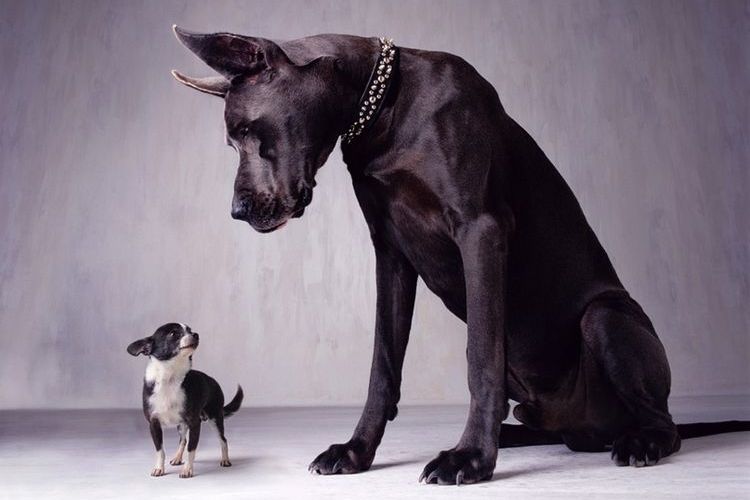
It's best to talk about the variations in height and weight of these mammals in numbers. So, today, the smallest individual is considered to be Chihuahua breeds, whose minimum height is 15 cm and weight is no more than 2 kg.
The Great Dane is considered the tallest dog, with individual specimens reaching a maximum height of 111 cm. The heaviest is Pyrenean Mastiff weighing more than 100 kg.
Voice
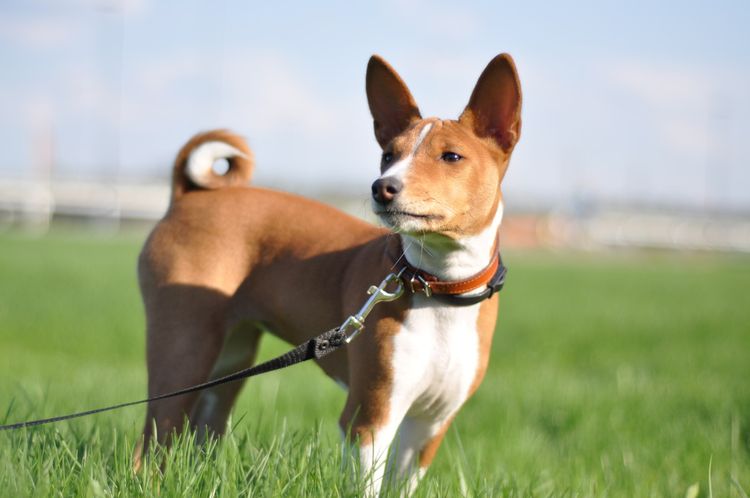
Various types of barking (low, high) or their replacement by howls and squeals are considered normal. In some cases, a complete absence of barking is acceptable if the breed requires it (for example, in the Basenji).
Ears
Dogs have different ear shapes and different auricle positions. These include:
- High-set, low-set ears;
- erect, hanging, semi-erect, semi-drooping ears.
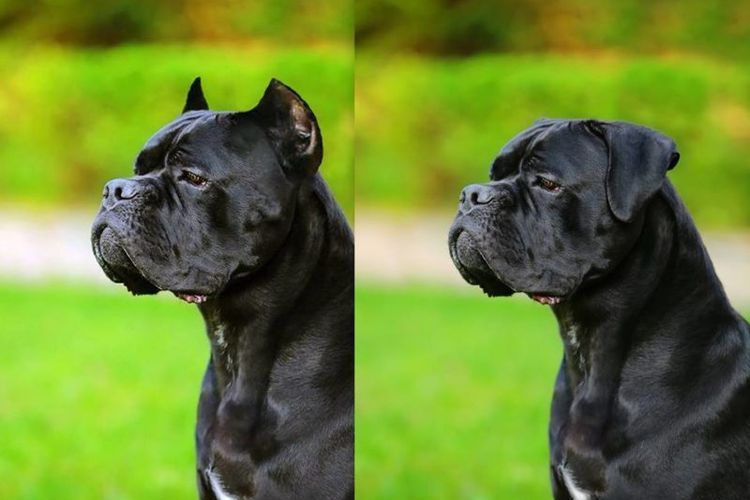
An important digression in the brief scientific description of the dog: in order for the animal to begin to meet the FCI standards, some breeders and owners resort to docking, this allows you to artificially correct the shape of the ears.
Teeth
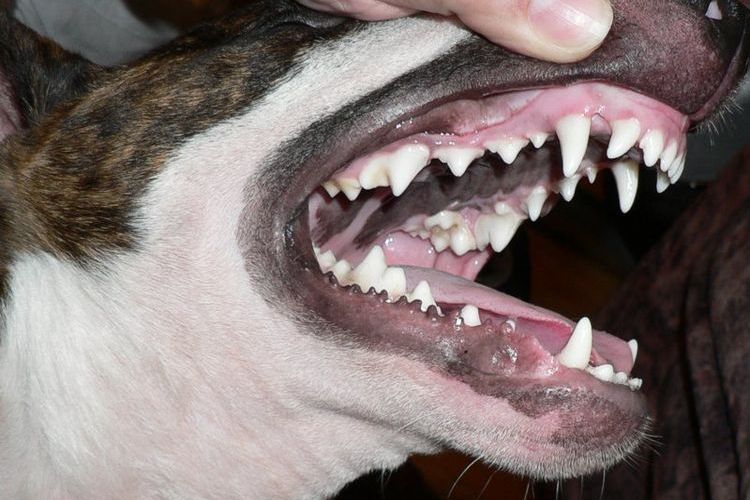
All members of this species have two sets of teeth: baby teeth and permanent teeth. The former are typically replaced by the latter by the puppy's fifth month of life.
Well-developed canines, pre-root and root teeth allow the placental mammal to consume food of animal origin without problems, and small front incisors allow it to consume food of plant origin.
Fingers and claws
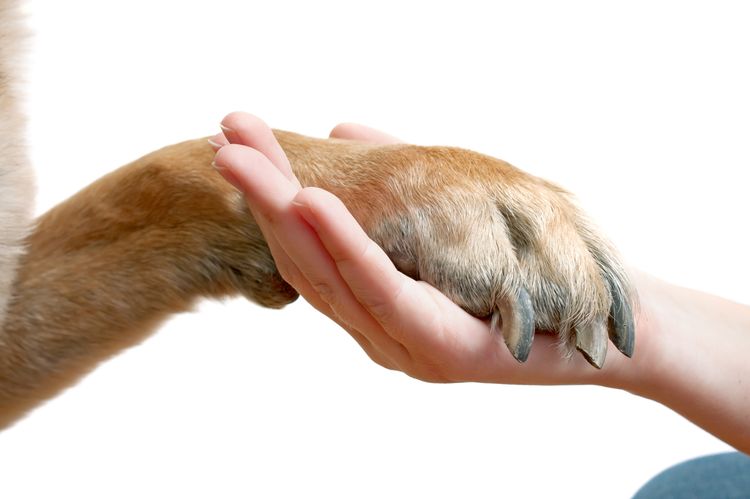
Dogs have five toes on their front paws and four on their back paws (some dogs have five toes on their hind paws as well). Their nails are hard, non-retractable, blunt, and predominantly dark in color.
Tail
The tail is given a special role, since it is an indicator of the animal’s working qualities and its psychological state.
Color
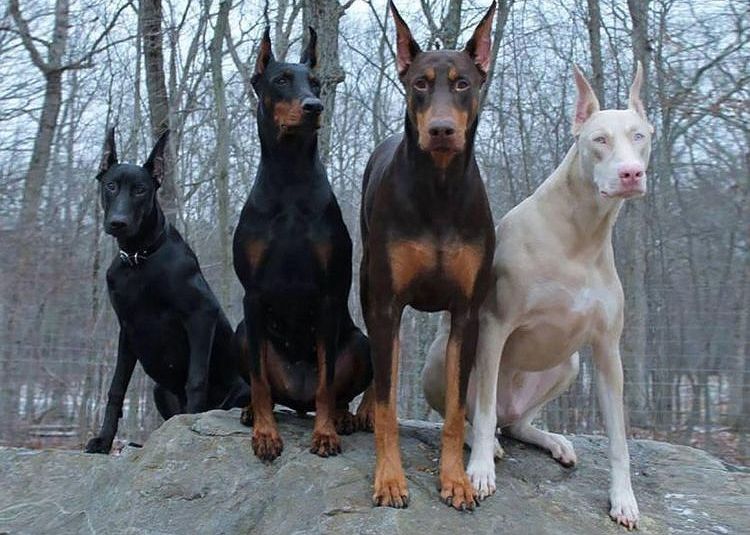
The animal's color is directly dependent on the so-called "pigment granules," which are responsible for blue-black, brown, yellow, and orange colors.
The fewer black granules, the lighter the coat. If a dog's coat lacks yellow pigment granules, the coat will appear gray, silver, or blue.
Moreover, yellow and/or black hair is predominant in the fur of almost all breeds, this is another “reminder” of the relationship between dogs and wolves.
It's worth mentioning the rare albino dogs. They have completely white fur and red eyes.
In turn, the structure of animal hair also differs in diversity, with four main groups noted:
- direct;
- curly;
- twisted;
- curly.
Additionally, coat types can be short, long, a combination of both, silky, and harsh. For certain breeds, such as the Mexican Hairless Dog, the norm is a near-total absence of hair.
Behavior and Psychology
The dog's main characteristic is its ability to quickly switch between sleep and wakefulness, with the animal exhibiting equal amounts of daytime and nighttime activity.
This predatory mammal's second unique quality is its ability to discern human speech intonation, gestures, and mood. However, this skill is only fully developed when the animal is in continuous contact with humans for extended periods of time.
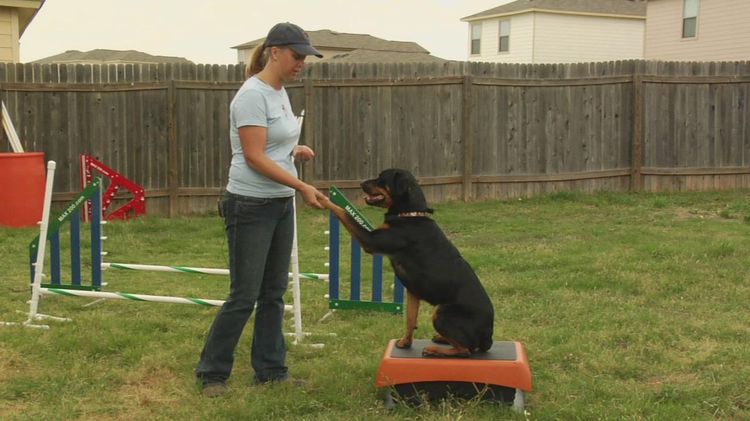
The speed of learning service commands depends on the breed and the level of trust in the owner. Any dog can learn training, if you train her from puppyhood.
Habitat and lifespan
Under normal conditions (adequate nutrition, sufficient exercise, vaccinations and timely veterinary care), the animal's life expectancy can reach 16 years.
In this case, both the breed and the mammal's genetic predisposition to certain diseases play an important role in the scientific description of the dog.
Their natural habitat is human habitation, but most animals quickly adapt to the wild. Moreover, each subsequent offspring raised without human contact becomes increasingly feral.
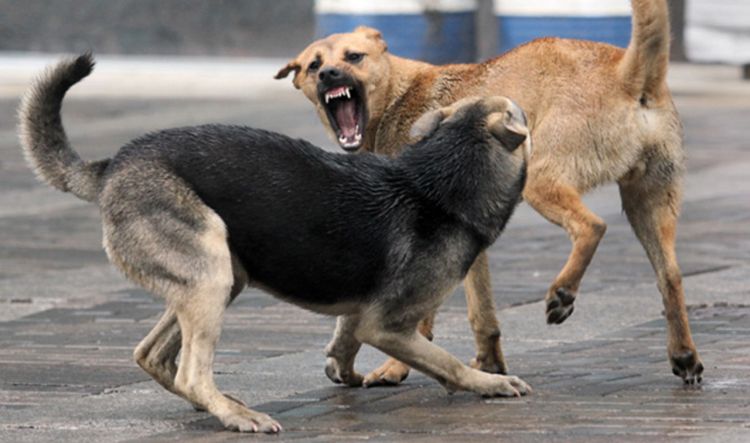
The main enemies are large predators and people.
Hierarchical structure
Dogs have a pack-like nature, so they desperately need a leader or pack leader to thrive. If a dog can't find a dominant figure in a human family, it will try to become one in any way possible.
The first signs that indicate an attempt to seize power include growling during feeding or playing.
An attack on a human occurs only when the individual has completely gained confidence in its own strength. Children are most often the victims of such attacks, as they are physically and emotionally weaker than adults.
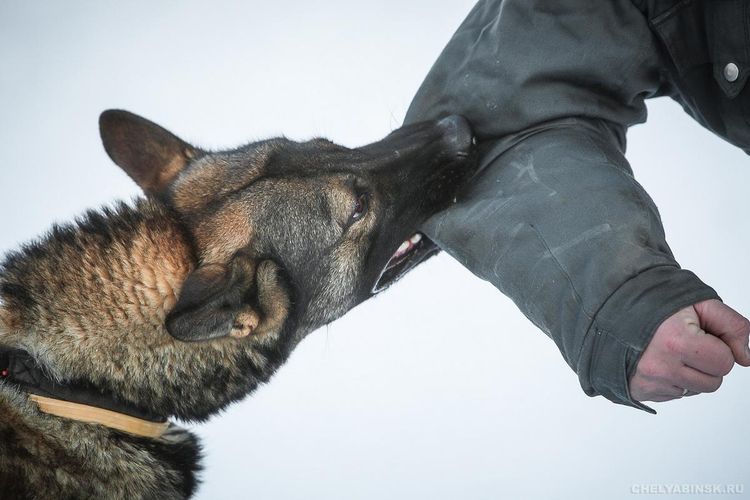
For this reason, training your dog basic commands is a necessary measure that should be applied to all individuals without exception. After all, small dog breeds are just as dangerous as larger breeds.
Reproduction
Here a brief scientific description of the dog should be divided between domestic and stray individuals.
- The reproduction of domestic animals is controlled by humans using zootechnical techniques.
- Mating of stray animals occurs according to the principle of monocyclicity, that is, dogs can reproduce every six months.
Pregnancy lasts approximately two months, and immediately after birth, the puppies are completely helpless. This is why most females have a highly developed maternal instinct.
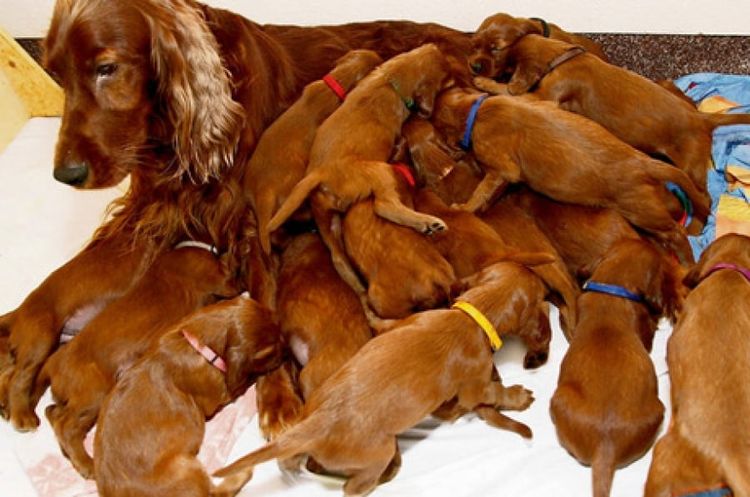
Males, on the contrary, are absolutely calm towards their offspring, and attacks of aggression towards them are not uncommon.
Functions
Domestic dogs are man's best helpers, and depending on their breed and the task assigned to them, they have performed and continue to perform the following functions:
- security;
- guards;
- search;
- rescue;
- auxiliary (guide dogs, healers, companions);
For example, canistherapy is a branch of animal therapy. Its primary goal is to use dogs for the rehabilitation and treatment of sick people.
- shepherd's;
- hunting;
- riding;
- combat (miners, medics);
- starting the mechanisms.
So-called "spit dogs" disappeared completely by the end of the 19th century. They were primarily used in English kitchens to power spits, various threshing machines, and pumps.
Read also:



1 comment
Misha
Aggressive behavior can be caused by various mechanisms. Understanding the causes of aggressive behavior helps avoid accidents and unnecessary euthanasia. Sometimes, due to ignorance of dog psychology, people provoke aggressive behavior themselves. Most aggressive behavior in dogs is related to protecting their offspring and territory.
Add a comment