
Natural dog food
Most dog owners strive to provide their pet with an optimal diet, which is rightfully considered the key to the animal's well-being, good health, cheerful mood, and longevity.
Natural food advocates and veterinarians acknowledge that this type of diet has both its undeniable advantages and disadvantages.
Content
Pros and cons of natural food
Before making a final decision, a dog owner needs to know in detail what he will face when feeding his dog such food.
Positive aspects:
- You can select a diet based on the individual characteristics and breed of the animal, taking into account all its physiological characteristics (puppy or adult, taste preferences, well-being and the presence of certain diseases, time of year, pregnancy, lactation period, etc.)
- When purchasing food, a person can verify its quality and expiration date. Furthermore, the preparation date and processing method are always known.
- This diet helps maintain the chewing apparatus at the desired level, as the exercise strengthens the jaw bones and muscles involved in chewing. The opportunity to chew on hard objects even affects the dog's emotional state, as this factor is a natural requirement for this species, often ignored in home care.
The disadvantages include the following:
- Not all products that are purchased for people can be used as dog food, as they can cause digestive disorders (constipation or diarrhea), trigger the onset of illnesses, and in rare cases, very severe conditions that can lead to death. It's important to plan your diet in advance, trying to vary it and keep it balanced.
- It's important to spend sufficient time preparing new portions, as using old ones can lead to upset stomachs. This factor often becomes a stumbling block for those short on time.
- Owners of large breeds are faced with the fact that purchased semi-finished products take up a lot of space on the shelves of the refrigerator or in the freezer, just like prepared food.

It is important to control portion sizes and discard uneaten food promptly, as natural food spoils very quickly compared to dry food.Composition of a natural diet
It can be difficult for a novice dog owner to determine on their own which foods are best for their pet, as the diet must contain essential components such as proteins, carbohydrates, fats, vitamins, and many minerals.
At the initial stage, you can use the following hint, which indicates all the products permitted for natural nutrition:
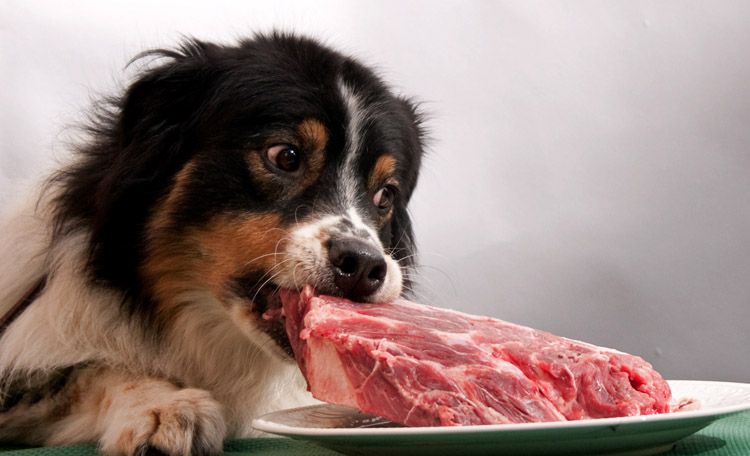
- MeatThe primary and essential source of protein for dogs. Beef is the best choice for dogs, but other meats are also excellent: horse meat, lean lamb, rabbit, and chicken. Pork is not a good option; some pets don't tolerate it well at all. For adult animals, cooked organ meats (lungs, heart, liver, etc.) can be used. Read more on our website. Can dogs eat raw meat? and the peculiarities of feeding them.
- BonesBones are not a suitable food for dogs, but they are suitable as a base for broths. Furthermore, pets use bones as exercise to strengthen their jaws and remove plaque from their teeth while chewing.
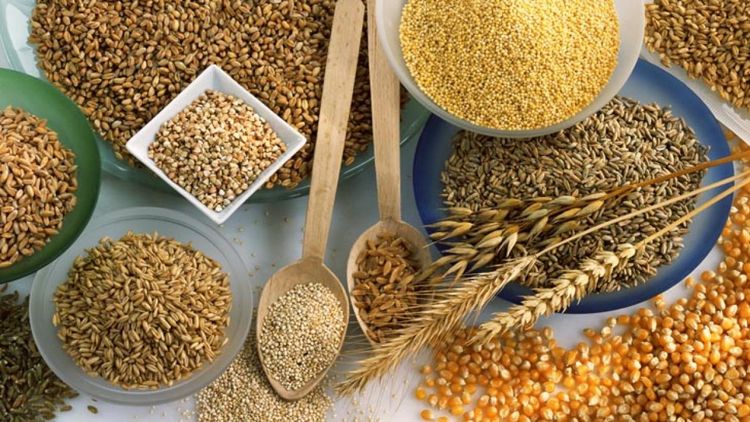
- PorridgeThe fiber they contain significantly speeds up digestion, which is especially important for dogs with a slow metabolism. For the same purpose, many dog owners use bran, which is pre-steamed in boiling water. Among cereals, you can buy rolled oats, rice, and buckwheat. Semolina porridge is well suited for the recovery stages after serious illnesses.
- FishRiver and lake fish are preferred. Raw fish should not be fed; briefly boiling it is healthier for dogs.
- Fermented milk productsFat content is an important parameter. It shouldn't exceed 9%; it's better to buy low-fat or low-fat dairy products.
- Vegetable oilIt can be added to main dishes in small quantities.
- Vitamin and mineral supplementsIf your diet is balanced, there's no constant need for such supplements. However, periodically (during the off-season, during pregnancy, and after recovery), this component is necessary.
- VegetablesPepper, carrots, cabbagePumpkin, cucumbers, and other vegetables and greens often excite dogs because they are a desirable ingredient in their diet. They should be fed raw, chopped, or grated.

It is important to know which foods are strictly prohibited from being introduced into natural dog food:
- tubular bones (may cause damage to the esophagus);
- fast carbohydrates – bread, barley, pasta, etc.;
- sausages and smoked products;
- from vegetables - spinach, potatoes and beets;
- sugar and sweets, chocolate.
Eating such food will lead to many problems for your pet, which will affect its appearance and well-being.
How to switch to natural food
Before weaning your dog off dry food, make sure your dog's digestive system is completely healthy. The transition should be gradual, as a sudden change in diet can be quite stressful for the animal. The adaptation process typically takes a couple of weeks, after which all mechanisms are fully established and return to normal.
When introducing solid foods, it's important to assess your pet's bowel movements. A slight loosening of bowel movements during the first or second day is considered normal, as the enzyme composition of the pet's gastric juice undergoes changes during this time.
If your animal experiences diarrhea, loose stools, or a fever, you should consult a veterinarian who can help you identify the cause of such an acute reaction.
Mixing dry and natural food
Experts do not approve of this diet, since the digestion time of these two types of food is completely different.
A couple of times won't cause any harm to your dog, but it will cause unnecessary damage to his digestion. If this approach is used on a regular basis, it's guaranteed to cause serious digestive and nutrient absorption problems.
Principles of feeding dogs natural food:
Read also:
- Feeding Dogs Porridge: Everything a Responsible Owner Should Know
- What cereals can and cannot be given to dogs?
- Obesity in dogs



Add a comment