
Natural food for dogs
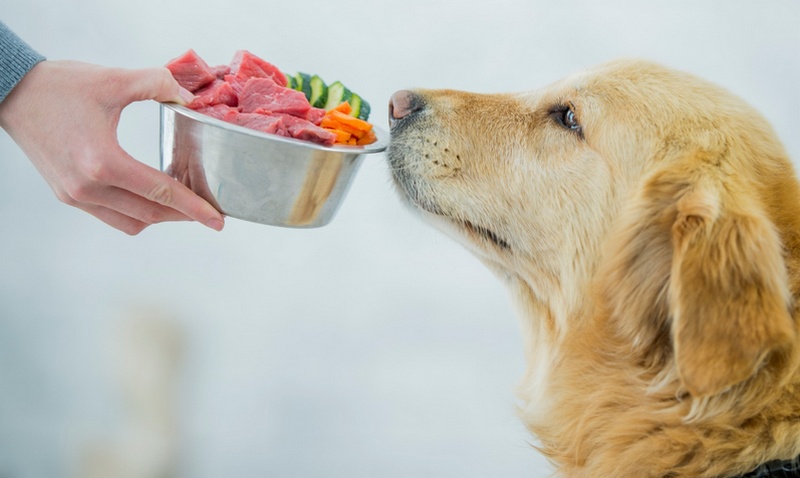
A proper diet for a pet ensures its resistance to disease. Feeding natural food normalizes the functioning of the gastrointestinal tract and other systems. It helps prevent obesity, kidney problems, and allergic reactions. When feeding dogs a natural diet, it's important to approach the creation of a diet responsibly.
Content
Why is it better to feed your dog natural food?
Natural food is healthier for pets because it offers variety. However, it's important to maintain a balance to ensure the body receives all the necessary nutrients (vitamins, macro- and microelements). Natural food is slightly more expensive than dry food, but you can be assured of your pet's health.
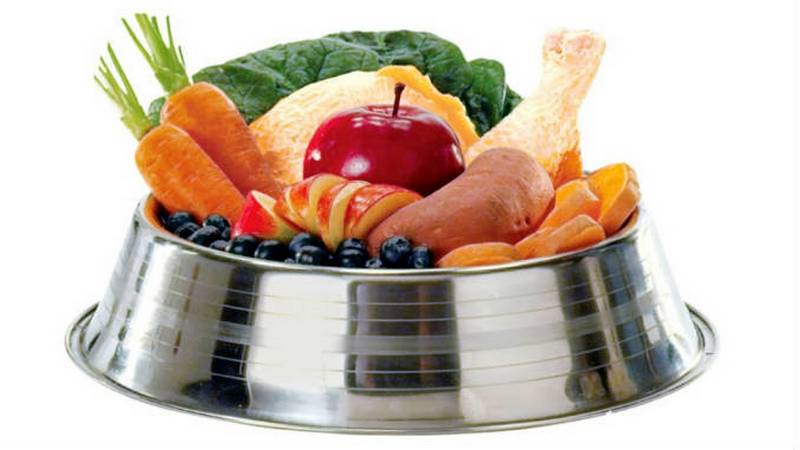
A dog's diet on a natural diet should not require any additional processing. It includes meat, organ meats, medium-fat dairy products, vegetables, and unsweetened fruits. A small amount of grain bran can also be added.
Meat in a dog's diet
When feeding a dog a natural diet, a proper menu is essential. It's important that it includes fresh beef, not necessarily premium grade. Pork is not recommended due to its high fat content. The following high-calorie meats are acceptable:
- mutton;
- horse meat;
- rabbit meat.
Poultry (chicken, turkey) can be included in the diet. Offal (stomachs, heart, liver) is also beneficial, but should be offered with caution, paying close attention to the animal's digestion and skin. Meat should be fed raw, but frozen first.
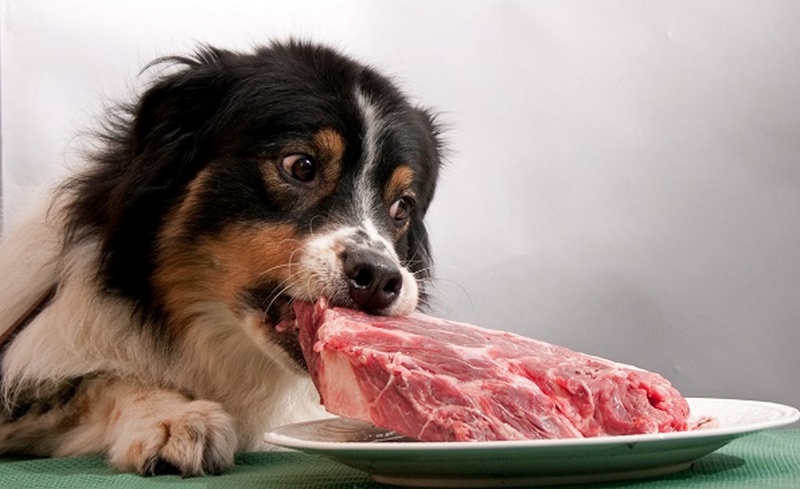
Organ meats can be boiled. Dogs shouldn't be given lungs and liver too often, as not all animals digest them easily. It's best to start the transition to real meat with unpeeled and unprocessed beef tripe to help your pet's stomach adjust better.
Protein-rich foods
A dog's daily menu on a natural diet can include frozen fish fillets. Never feed raw fish that has just been caught in the water, as it may be contaminated with dangerous parasites.
Natural dog food also includes foods with fermented milk products. Dogs don't always tolerate high-fat foods well, so cottage cheese should contain 5 to 9% fat, and kefir up to 3.5%. The shelf life of these products is a maximum of 7 days. Avoid yogurts with sugar and preservatives, as they can cause digestive upset. Be careful with fermented baked milk, as it can cause fermentation.
Please note that the menu cannot include both dairy and meat products. Raw eggs should be added to dairy products no more than three times a week. Otherwise, there is a risk of poisoning and allergic reactions. The rest of the time, your pet should eat boiled eggs.
Vegetable and grain crops
To properly feed your dog natural food, you need to include greens and vegetables. However, avoid giving your dog potatoes, tropical fruits, or cereals containing 50% corn. These can negatively impact the dog's digestive system.
Also, avoid feeding pure grains (without mixing them with other foods). They contain easily digestible carbohydrates, which can cause problems with the intestinal microflora, weakening the immune system, and lowering the body's resistance to infection.
Bones
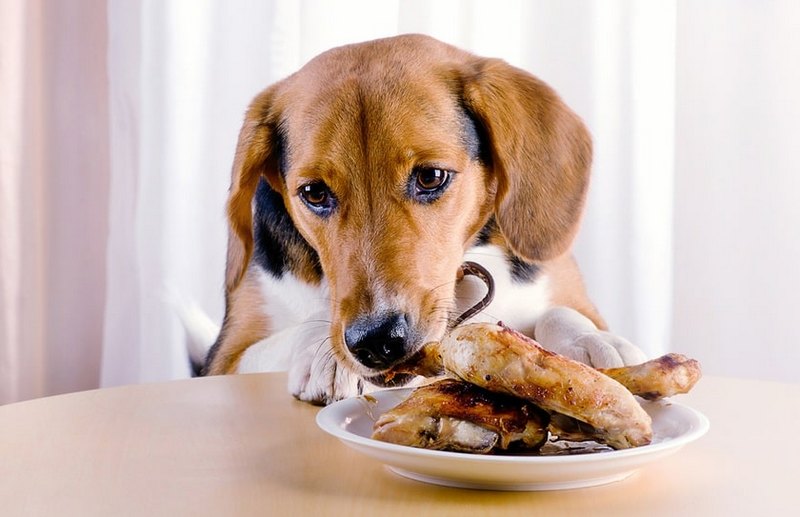
Animals shouldn't just chew on bones. If this product is turned into a jaw trainer, it won't have much value. Besides, bones should be offered with caution, as there is a risk of damage to the enamel and teeth themselves, gums, and tongue. Tubular bones of birds often become lodged in teeth and the digestive system, so it's best to avoid them.
Large beef bones are suitable for pets. Commercially produced bones containing gelatin and tendons can be used instead. It's best to start giving bones to puppies at 3 months of age.
You can purchase a rubber or silicone exerciser as a training device. It's safe and helps remove plaque from your teeth.
Feeding rules
There are several rules for feeding your dog natural food:
- Unless your pet is sick or young, do not grind food to a smooth consistency. Meat should be cut into pieces, and vegetables should be grated using a coarse grater.
- It's essential to provide an adult dog with balanced vitamin and mineral supplements, including vitamins D, A, and E in oily solutions. It's also a good idea to add dry yeast and kelp to their diet.
- Dietary imbalances should be avoided. They can cause dysbiosis, allergies, obesity, and chronic diseases.
- Bones should only be fed raw. Cooked bones are difficult to digest and often cause intestinal obstruction.
The nutrition of a pet also has its own characteristics depending on its age.
How to feed adults
An owner who decides to switch their pet to natural food should heed the following recommendations:
- Food should be freshly prepared. Large pieces or finely chopped food are excluded, even for small dogs.
- River fish should always be cooked.
- You can't add milk to porridge.
- Foods that are processed differently, such as boiled meat and raw vegetables, are not allowed.
- You shouldn't add seasonings to your dishes.
- There should be equal intervals of time between feedings.
- Offal and meat should be frozen to kill parasites.
- The water in the bowl should be clean and cool and should be changed regularly.
- Do not mix fish, meat and dairy products in the same meal.
- It is not advisable to give rolled oats too often, otherwise the paranal glands may become inflamed.
The diet of babies differs in many ways from that of adult dogs.
How to feed a puppy natural foods
Until he reaches two months, the only proper nutrition is breastfeeding. Cow's or goat's milk can be used, but only for a few days and if necessary. If the puppy is fed this way for a long time, he will avitaminosis will occur.
Complementary feeding should begin at three weeks of age, with cereals, meat, and vegetables. These foods should be pureed. Fermented milk products such as kefir, sour cream, and cottage cheese are allowed from one and a half months, and seafood and fresh cabbage from four months.
Proper feeding of puppies has a certain frequency.
|
Age, months |
Number of feedings per day |
|
up to 2 |
from 6 to 8 |
|
2-3 |
5-6 |
|
3-6 |
3-4 |
|
6-12 |
No more than 3 |
Dogs over one year old should be fed twice a day—morning and evening. Feeding more frequently is not recommended, as the animal's stomach will not be able to digest the food quickly, and the dog will feel very full. Feeding once a day is also unacceptable, as it will make them hungry.
Rules for feeding different breeds of natural food
Each type of domestic animal has its own characteristics.
Therefore, their nutrition will also be different:
- Natural food for small breed dogs should include more protein-rich food.
- For large breeds, cartilage is more beneficial.
- Japanese dog breeds prefer fish and seafood rather than meat.
- Dachshunds, English bulldogs, and basset hounds benefit from a low-calorie diet. These breeds are prone to obesity, so owners should monitor their weight.
When transitioning small breeds to a natural diet, veterinarians advise taking into account their distinctive characteristics:
- Fast metabolism. Dwarf dogs lose energy much faster than their larger counterparts. They should be fed a more nutritious diet with high-quality fats. Omega fatty acids, found in fish, for example, should be added to their diet at least once every seven days. Protein should make up half of their daily food intake. Don't forget lean lamb and beef, which are rich in fats and proteins.
- Small stomach. The daily food intake is divided into 2 or 3 meals, in equal proportions and at equal intervals.
- High gastrointestinal sensitivity. Small breed dogs should be fed easily digestible foods. Avoid grains, as they can take a long time to digest and cause allergies. Rice is the best source of carbohydrates. Veterinarians recommend avoiding potatoes, cherries, and apricots, as they can cause gas.
- Risk of allergies. It's best to replace chicken with turkey, which is free of hormones and antibiotics. Be careful with dairy products, brightly colored fruits, and vegetables. Monitor your pet's reaction to each dish.
Small breed dogs often overeat and ask their owners for treats. Therefore, you can add some dried treats to their diet. These should be free of MSG and synthetic preservatives.
For dwarf breeds, eating sinews, liver, and trachea is beneficial. These by-products are rich in collagen and chondroitin, which, in turn, are the key to a beautiful coat, strong ligaments and joints, and a tartar-free tartar.
To prevent constipation and other digestive issues, don't forget about fruits and vegetables in your pet's diet. Add more carrots, spinach, apples, and broccoli to their food.
Do not give small breed dogs under any circumstances:
- food with an unknown or expired expiration date;
- food that contains a lot of salt and sugar;
- canned and smoked dishes;
- tubular bones - they can get stuck in teeth or internal organs.
Keep in mind that dwarf breeds were bred artificially, so they are more likely to have health problems than larger varieties. Therefore, they require special living conditions, including diet.
Calculating the amount of natural food for your pet
The calculation is carried out using a special formula:
- Up to 6 months, a puppy should eat food in an amount of 6 to 7% of its body weight.
- After 6 months - from 3 to 3.5% of body weight.
- A dog's daily diet on a natural diet should consist of approximately 30% dairy products and 50% meat (or fish). The remainder should consist of plant foods, eggs, and grains.
For example, an adult dog weighing 15 kg needs about 600 g of food per day. This could consist of 300 g of kefir and cottage cheese, 300 g of meat and offal, and 100 g of grated and raw vegetables.
Remember that overfeeding pets is unacceptable. It's important not only to follow the rules for feeding dogs natural food, but also to monitor the amount of food they eat. Overfeeding is just as harmful as feeding them the wrong food.
A natural menu for dogs for every day can be as presented in the table:
|
Day |
Meal #1 |
Meal #2 |
|
Monday |
Buckwheat porridge with vegetable oil, boiled fish |
Cottage cheese with dried apricots |
|
Tuesday |
Boiled beets, chicken meatballs and rice |
Boiled liver with stewed cabbage |
|
Wednesday |
Boiled beef, pumpkin and carrot stew |
Ryazhenka, rolled oats |
|
Thursday |
Rice, beef tripe and stewed pumpkin |
Beef broth, steamed turkey cutlets |
|
Friday |
Boiled fish, grated broccoli |
Oatmeal, kefir |
|
Saturday |
Beef heart with stewed zucchini and buckwheat porridge |
Cabbage and carrot salad dressed with flaxseed oil |
|
Sunday |
Rabbit with rice and tomatoes |
Buckwheat porridge with minced chicken |
Rules for switching a dog from dry food to natural food
The main thing is not to change your diet abruptly. Do it gradually, starting with cereals and one type of protein food. Then you can gradually add other proteins, grains, low-fat dairy, and, at the final stage, berries and fruits.
During the first week, it's best to feed your dog boiled turkey or beef, along with a little buckwheat. Initially, it's best to divide the daily food ration into seven portions. Six of these portions should contain dry food, and only one portion should contain natural food. The second day can be spent with a 5:2 ratio. Continue this pattern throughout the week, so that by the last day of the week, your dog is eating only natural food.
If your pet is fussy and refuses regular food, don't panic; it's best to wait a couple of days. This is a normal adaptation process, which can be difficult, as dry food contains added flavorings, making natural food taste bland. However, once their taste buds are cleared, your pet will begin to appreciate the taste of real food. Monitor your pet's condition, and if you notice any health issues, consult a veterinarian.
Read also:


Add a comment