
Natural food for cats
The idea of feeding a natural diet to a cat appeals to many owners seeking to provide their pets with ideal living conditions. Before making the final decision to switch to this diet, it's important to consider all the pros and cons, clarify all important points, and consult a veterinarian who can help you choose a balanced diet tailored to your pet's needs.
The idea of feeding your pet human table food is untenable, as the nutritional balance for cats is radically different from the fat/protein/carbohydrate ratio for humans. Such a diet will not provide adequate nutrition and will quickly negatively impact the animal's health.
Content
Pros and cons
The natural nutrition system has its advantages and disadvantages.
The advantages include the following parameters:
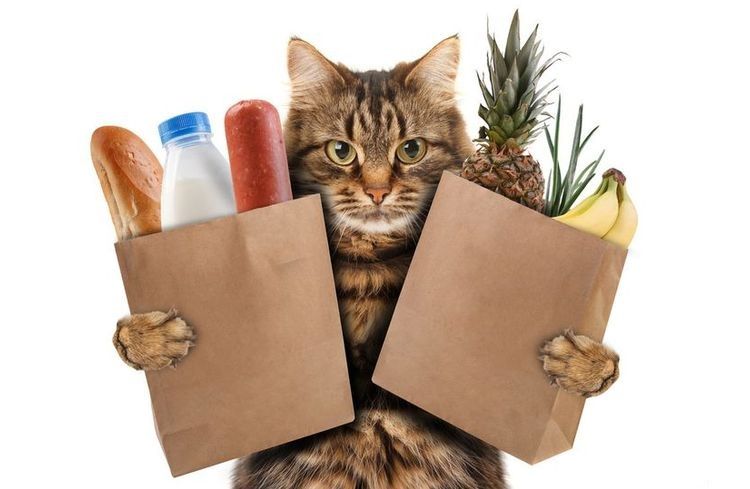
- Naturalness. You can only be 100% sure of the ingredients in your pet food if you prepare it yourself using ingredients purchased from trusted sources. Various manufacturers list the ingredient ratios on their labels, but not every pet owner trusts this information.
- No preservatives or flavor enhancers. Even high-quality commercial pet foods contain certain additives that help preserve the product before sale or encourage cats to enjoy it. These additives are not considered beneficial.
- Possibility of correction. Adjustments are much easier when breastfeeding than when using commercial foods. This is important during illness, pregnancy, breastfeeding, age changes, allergies to certain ingredients, etc.
The following are among the disadvantages:
- The need to thoroughly study the issue. A diet should be developed with an individualized approach. Consulting a veterinarian is essential for determining the basic composition, but even minor adjustments require extensive knowledge. Failure to consider these factors can result in a cat on a natural diet receiving too little or too much of the necessary nutrients, both of which can lead to health problems.
- Cost. Preparing such food requires both financial investment and time. The food must be made from fresh, high-quality ingredients, so the cost of the ingredients will exceed that of commercially prepared food. Since the menu must consist exclusively of fresh ingredients, preserving it in advance is not possible. Furthermore, the menu development stage requires significant time.
- Inconvenience when moving. When traveling to the seaside, visiting friends, etc., it's much more convenient to use prepared foods, which don't require special preparation conditions. Furthermore, for natural feeding, a refrigerator is essential for storing the prepared ingredients.
To accurately determine which type of feeding is best for your cat, you should realistically assess your strengths, willingness to spend money and time.
Optimal balance
Since cats are carnivores by nature, their diet reflects the natural diet of this category of animals. However, even in the wild, felines don't eat exclusively meat; their diet is much more varied. In the wild, cats intuitively sense their needs, but in captivity, the responsibility for choosing their diet falls entirely on the owner. Therefore, a pet's nutritional health directly depends on what humans put in their bowl.
The basic diet of middle-aged cats should be consistent with the following indicators:
- proteins – 70-75%;
- vegetable crops – 20-30%
- cereals – 10%;
- fats and oils - 1-0.5%.
This ratio allows us to satisfy the basic requirements for natural feeding of cats:
- The presence of arginine, an essential amino acid found in animal proteins.
- The presence of the aminosulfonic acid taurine is an essential element for the functioning of the nervous and cardiovascular systems, as well as for reproductive function.
- Provides arachnidic acid, saturated and unsaturated acids. These substances are sources of energy and flavor enhancers in natural diets. They ensure healthy coat condition and provide fat-soluble vitamins.
Protein sources
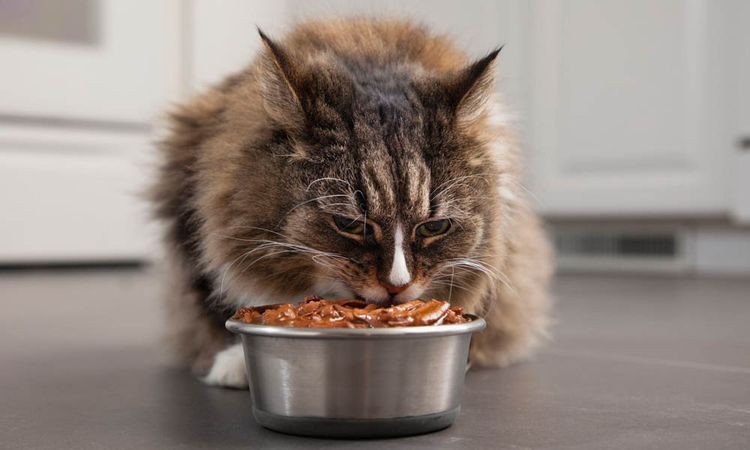
Protein is the foundation of a cat's natural diet. Many of the amino acids found in animal proteins are essential, meaning they are not produced by the animal's body and can only be obtained through food.
The main sources of protein in cat nutrition are:
- meat - beef, lamb, rabbit, chicken and turkey;
- offal – beef or chicken heart, kidneys, lungs, liver, etc.;
- seafood – river and sea fish;
- milk and fermented milk products – kefir, vorog, ryazhenka, cheese, curdled milk;
- eggs of any birds.
Sources of fats
Fats are essential for healthy skin and coat, but too much of them can cause various diseases, so choosing a source of vegetable and animal fats should be done very carefully.
A cat can get fats from the following products:
- oil (butter, corn, flaxseed, sunflower);
- yolks;
- fish oil;
- offal.
Sources of carbohydrates
Cereals and grains that provide carbohydrates to your pet should be cooked in water, weak broth, or milk diluted with water. No need to add salt.
The following cereals are suitable for cats:
- buckwheat;
- oatmeal;
- rice;
- wheat;
- corn.
Besides cereals, the following vegetables also provide carbohydrates:
- black Eyed Peas;
- zucchini;
- zucchini;
- cauliflower and broccoli;
- carrot;
- beet;
- green;
- pumpkin.
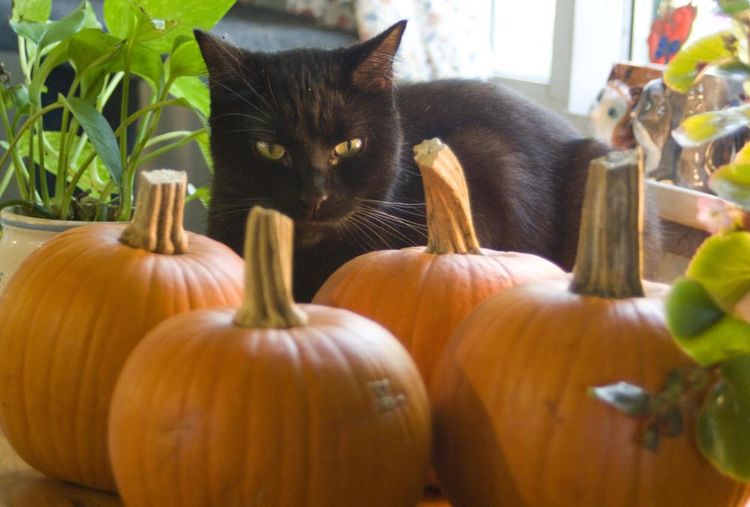
Pets can be offered them raw or as a vegetable puree. Pets often refuse to eat vegetables on their own, so they are often mixed with meat puree.
Vitamins and supplements
With a well-balanced diet, there's no need for vitamin supplements on a regular basis. However, during certain periods, such as pregnancy, recovery from illness, or old age, the body places increased demands on vitamin supplements.
In other cases, when breastfeeding, vitamins should be given in courses. It's best to use vitamin and mineral supplements that contain micro- and macroelements. Multivitamin supplements should definitely contain calcium and phosphorus.
Prohibited foods
In addition to knowing what to feed cats, before introducing natural food, it's worth familiarizing yourself with the list of foods that should not be fed:
- flour products;
- baked and fried;
- sweet and salty;
- sharp;
- smoked;
- pickled;
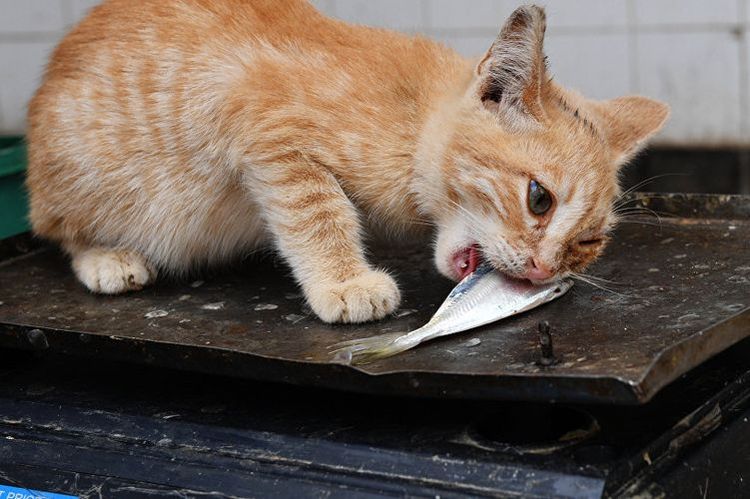
- fish and meat with bones
- potatoes and cabbage;
- beans;
- spices;
- salo;
- eggplants;
- pork;
- onions and garlic;
- alcohol and coffee.
Consuming these products will cause health problems for your pet.
Advice from veterinarians
Veterinarians remind cats that natural feeding is an excellent way to maintain their health for many years, but it's important to remember the increased risk of worm infestations when preparing homemade food. Infection can occur from consuming unprocessed meat or seafood. Heat treatment destroys most vitamins and amino acids, so this method of preparing cat food is not recommended.
Veterinarians recommend pre-freezing meat and offal at -12°C or below for at least three days. As for fish, boiling is recommended.
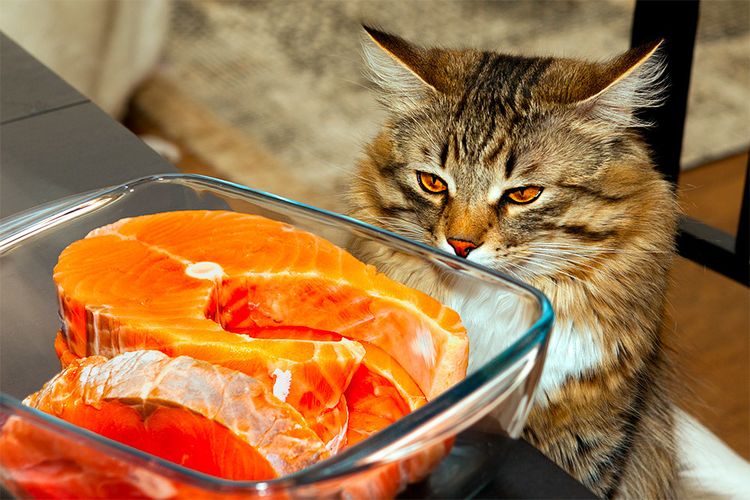
Experts emphasize that fish is not a natural food for cats, so it should not be used as a primary source of protein. Fish is high in salts, and an excessive amount of it in the diet can lead to various kidney diseases.
An important question is the amount of food a cat on a natural diet should receive. Veterinarians recommend the following ratios:
- kittens over 9 months – 12-13% of body weight per day;
- cats over 9 months old - 7-8% of body weight per day.
Veterinarians do not recommend feeding cats both natural and dry food, as it is virtually impossible to calculate the correct protein/fat/carbohydrate ratio.
Special cases
When creating a personalized menu, remember that it will need to be adjusted based on individual needs. Even within the same breed and age group, nutritional needs may vary.
Large and small breeds require different protein/fat/carbohydrate ratios. Health issues are also taken into account when formulating a diet. Kittens and pets that have undergone surgery or recovered from a serious illness also require special attention.
Adjustments should be made for animals that have been castrated or sterilizationThese pets are at risk of becoming overweight, so the fat content of their diet should be reduced. Furthermore, a strict salt balance must be maintained, as this increases the risk of kidney disease.
Cats living in private homes and enjoying outdoor spaces lead a more active lifestyle. Their diet should contain increased amounts of fat and protein, as well as be supplemented with chondroprotectors.
In any case, the development of a special diet should be carried out in conjunction with a veterinarian who can professionally take into account all the nuances and needs of the animal.
How to feed correctly
When feeding natural foods, you should know how to do it correctly:
- portions should be divided into several doses: for adult cats - 2 times a day, and for kittens - 4-5 times a day;
- food should be at room temperature, not cold or hot;
- Feeding should be carried out during periods of highest activity: 5-6 am and 6-7 pm.
Transfer to a new feed
Ideally, a kitten will become accustomed to the owner's chosen food immediately after introducing solid foods. However, this isn't always the case. For a number of reasons, an owner may decide to transition their cat from commercial food to a natural diet.
In this case, the translation must be carried out according to separate rules:
- You cannot transfer your pet to a new type of food at once - this is fraught with eating disorders;
- a gradual substitution is carried out, starting with 5% of the total menu with an increase in the dose by 10-15% daily;
- When refusing a new food, you should wait for a break of 2-3 days - such a refusal to eat is not dangerous to the cat's health;
- It is normal to ignore minor weight loss during the transition period;
- At this time, it is advisable to give the cat probiotics to improve digestion.
Read also:
- Cat Treats: A Rating of the Best with Reviews
- How to increase a cat's appetite
- What tastes do cats not sense?


Add a comment