
Anesthesia for dogs: how long does it take to wear off and the consequences
Pets sometimes require surgery performed under anesthesia. Most commonly, this involves castration or sterilization. In the former case, the ovaries and sometimes the uterus are removed in female dogs, and the testicles in male dogs. In the latter case, the fallopian tubes are tied in female dogs, and the spermatic cords in male dogs. It's helpful for owners to know what type of anesthesia can be used for dogs, how it's tolerated, and what measures can be taken to alleviate their pet's condition after surgery.
Content
Types of anesthesia for dogs
Veterinary medicine uses various anesthesia methods to ensure painless and safe surgical procedures. The choice of a specific method and medications should be based on the specific situation, the animal's condition, and the type of surgery. The most common methods are:
- general anesthesia;
- local anesthesia;
- sedation;
- regional (spinal, epidural, conduction) anesthesia.
General anesthesia (inhalation or injection)
This is a controlled induction of deep sleep. This type of anesthesia is indicated for virtually all abdominal surgeries to completely suppress consciousness and ensure deep anesthesia. Induction agents such as Propofol or Thiopental and maintenance agents such as Isoflurane, Sevoflurane, and Pentobarbital are often used.
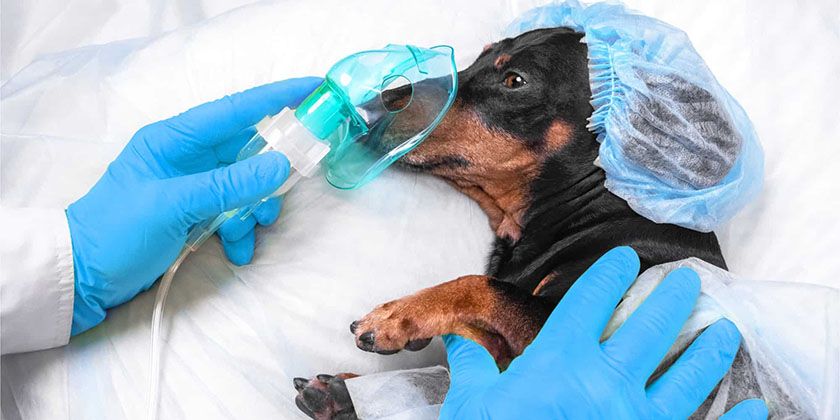
Inhalation anesthesia is considered the safest for animals; dogs wake up quickly after this type of anesthesia, as the drug is eliminated from the body upon exhalation.
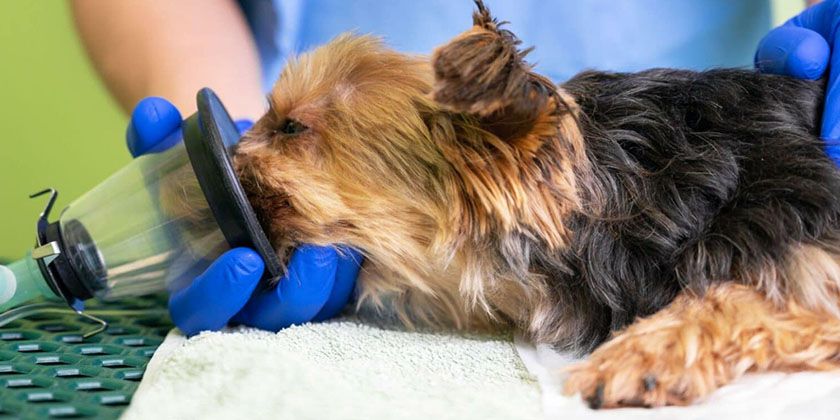
The procedure is usually performed using a special device that delivers a gas mixture through a mask placed over the dog's muzzle.
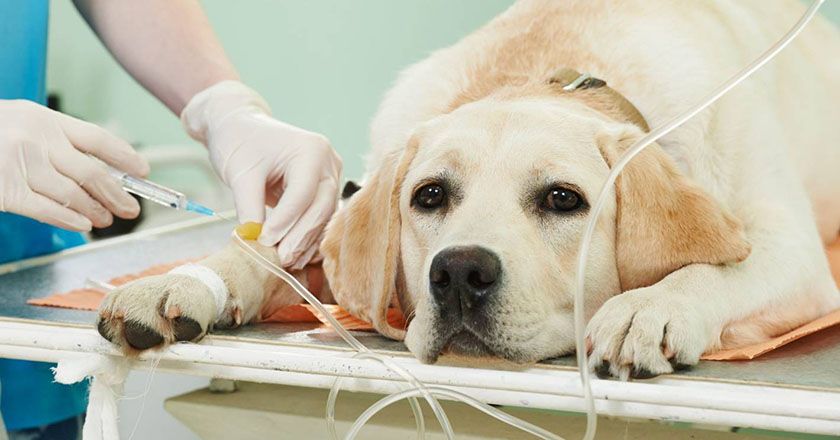
Injectable anesthesia is administered by injecting the drug into a vein through a needle. It works faster and more predictably than inhalational anesthesia.
Local anesthesia
In veterinary practice, to relieve pain, Novocaine, Lidocaine, the opioid drug Fentanyl, or the long-acting anesthetic Bupivacaine are most often used to block nerve endings in certain areas.
Regional anesthesia
This is a method of numbing the desired area of the body by injecting a local anesthetic into the spinal cord with a thin needle or catheter. Regional anesthesia allows the animal to undergo the procedure awake but without experiencing any pain, as the nerves in the surgical area are blocked by the spinal cord. This method typically uses drugs such as lidocaine, procaine, marcaine, and articaine in combination with the sedative medetomidine. Dogs recover from this type of anesthesia easily, and it typically has no side effects.
Sedation
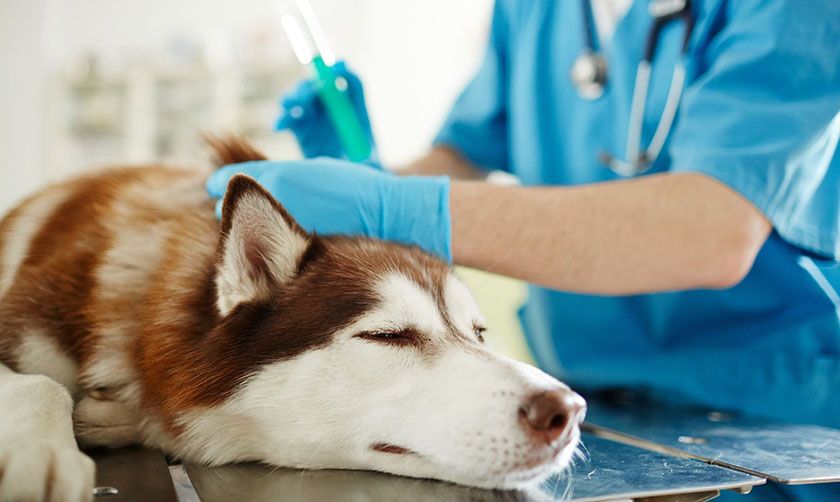
Medication-induced sedation is a drug-induced depression of consciousness, characterized by a decrease in physical and mental activity, loss of voluntary activity, and preservation of reflex activity. Preoperative sedation is administered intravenously or intramuscularly. These may include barbiturates (Thiopental, Brietal, Hekesenal) or benzodiazepines (Clobazam, Gibazapam, Midazolam), the NMDA antagonist ketamine, or the potent short-acting hypnotic diisopropylphenol (Propofol).
Dog behavior during recovery from anesthesia
After general anesthesia, the dog may remain drowsy for some time, trying not to get up. When attempting to walk, dizziness may cause problems with coordination—the animal may stagger or fall to one side. Convulsions, tremors, and involuntary muscle twitching (tremors) may also be observed.
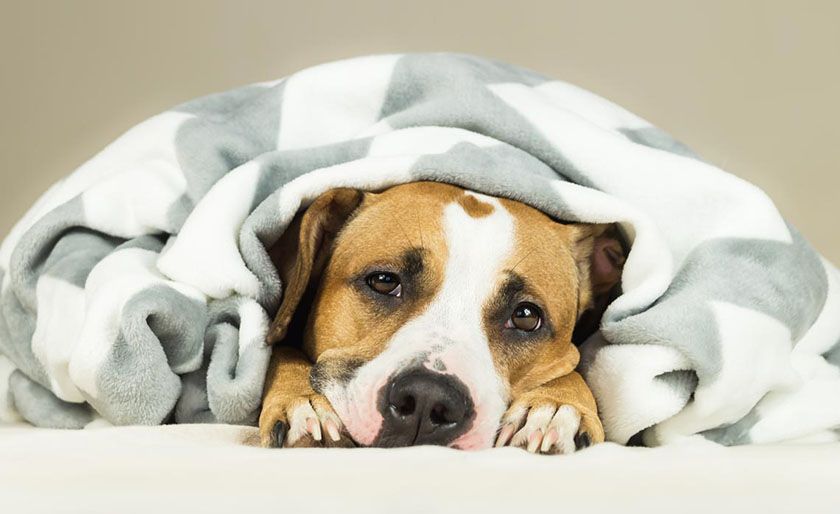
Another common side effect of anesthesia is coughing and nausea. A one-time episode of vomiting is not serious and may even improve your overall condition.
While a dog recovers from anesthesia after spaying, changes in its behavior are possible. Losing control of its own body is extremely stressful for an animal. The dog may whine, not understanding what has happened, become withdrawn, avoid interaction, try to hide, or even become aggressive. If the owner provides adequate attention and demonstrates love and compassion for their pet, this will help the dog cope with the stressful situation and recover more quickly.
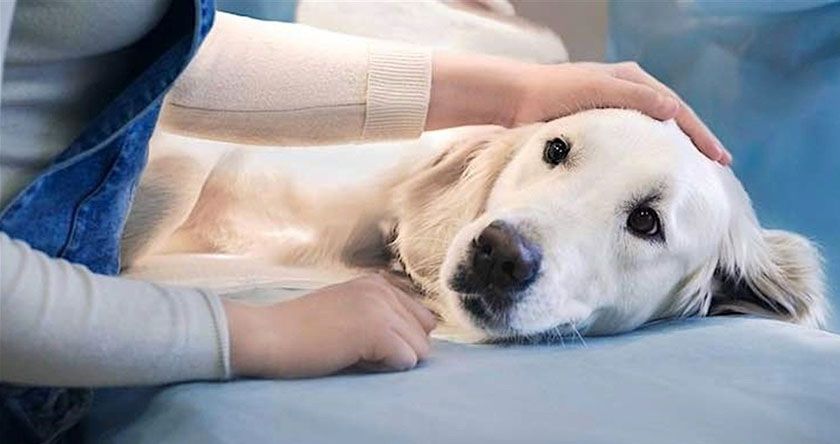
You should immediately consult a veterinarian if your dog experiences any of the following symptoms within a few hours of surgery:
- lack of consciousness;
- respiratory dysfunction (frequent, heavy breathing);
- heart rhythm disturbances (tachycardia or bradycardia);
- elevated body temperature;
- severe chills at normal room temperature;
- the dog vomits repeatedly after anesthesia;
- difficulty urinating;
- refusal to eat for more than 24 hours.
Caring for a dog after anesthesia
During this transition period, to prevent any adverse effects of anesthesia on your dog, it's important to take measures to ensure their safety and comfort. After the surgery, it's recommended to place your dog in a warm place, wrapping them up if necessary, and regularly monitor their breathing, pulse, and behavior for several hours. Ensure they're breathing normally and aren't experiencing any significant pain or discomfort.
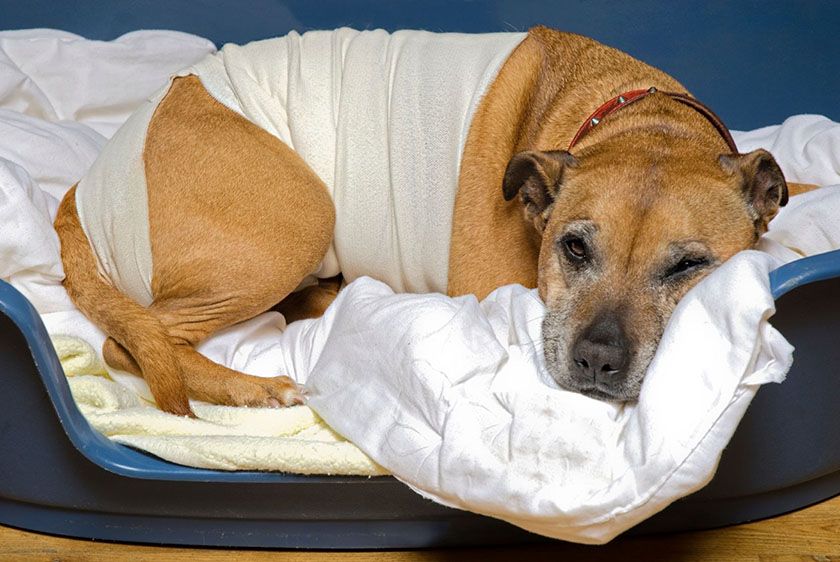
During this time, your dog may need your support and reassurance. Stay close to them, calming them with soft voice commands and affection. Physical support may also be necessary to prevent falls or injuries due to slow reaction times when attempting to walk. Be careful and avoid vigorous play or other physical activity that could be harmful during this period. Give your pet ample time to recover and rest.
You can feed and water your dog 4-6 hours after coming out of anesthesia, when it is fully awake and already reacting well to its surroundings.
During the first 24 hours, it's best to offer warm liquid foods (meat soup, ground meat porridge diluted with broth)—they have a more appealing aroma, are easier to eat, and are more easily digested. Initially, your pet may not show interest in food, but she should have free access to clean water at all times.
How long it takes for a dog to recover from anesthesia depends on its individual characteristics, the type, and duration of anesthesia. Full recovery from general anesthesia typically takes no more than 24 hours. If you have any questions or concerns, please contact your veterinarian.
Read also:
- After castration, the dog wets itself: why and what to do
- Yellow Vomit in Dogs: Causes and Treatment
- Treatment of dog sutures after sterilization


Add a comment