
Napoleon Minuet
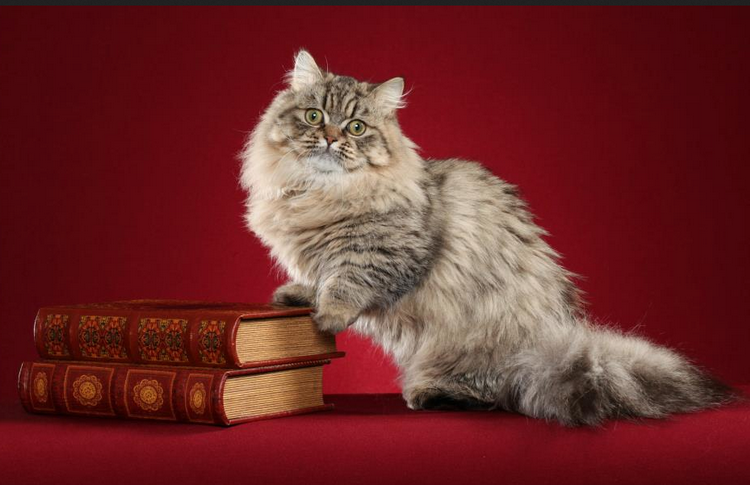
Cat breeds Napoleon Despite their name, they have nothing to do with France or the great military leader who suffered from delusions of grandeur and ailurophobia. In fact, their name is now slightly different—the Minuet. To avoid confusion, you often see a double name—Napoleon Minuet. This is a relatively new breed, originally from America, whose members have a striking, unique appearance: they have an incredibly cute face with large, round eyes, short legs, a small, sturdy body, and thick, long fur.
Content
The origins of the Napoleon and Minuet breeds
The Napoleon breed's history began in 1995. Joseph Smith, an American basset hound breeder, once came across an article about tiny Munchkin cats, which fascinated him. The breeder had the idea to create a new breed, equally miniature but with long fur. Leg length wasn't a key factor, and it would have been impossible to produce completely short-legged offspring, given that the gene responsible for the mutation is recessive in Munchkins.
Smith developed a breeding program and began crossing munchkins With Persians. Also involved in the breeding process were Exotic Shorthair catsAs a result, the Napoleon Classic (cats with normal-length legs) and the Napoleon Extreme (miniature pets) were born.
Smith invested considerable time and money in his project, but the bureaucratic paperwork system, designed to torture humanity, stood in the way of Napoleon's recognition. Having spent his last resources and in utter despair, Joseph destroyed all documentation and notes on his work on the breed, sterilized most of the animals, and gave many away to friends and acquaintances.
Fortunately, the breed's history didn't end there. A group of enthusiasts quickly revived and continued its work. In 2005, Smith's creation gained official recognition and worldwide acclaim. The Napoleon breed was recognized by TICA (USA) and Assolux (Russia).
The breed was called the Napoleon until 2015. Then the name was changed to Minuet, and on January 5, 2016, the TICA association published a new standard.
Video review of the Napoleon cat breed:
Appearance and standards
The Minuet's doll-like face and low-slung body have won many hearts. However, their diminutive appearance doesn't hinder their robust build. Napoleons have strong, broad bones and well-developed muscles, allowing them to remain active well into old age. If one were to describe the Minuet's appearance, the word "round" would be most appropriate.
Muzzle
The muzzle is rounded, broad, and moderately short, with well-defined whisker pads. The ears are medium-sized, with rounded tips, and are set wide apart. The eyes are also large and round, set very wide but not protruding, and moderately deep-set. The color of the iris matches the coat color. The nose is short and wide, not upturned.
Physique
The body is elongated, strong, and rounded in all contours. The neck is moderately short. The topline is straight. The back is level and broad. The legs are short or long depending on the type, but are always strong and stable. The tail should be proportionate to the body, not short.
Coat and colors
Based on the length and structure of the coat, there are three types of cats in the breed:
- Longhaired – well-developed undercoat and long guard hairs. The coat is light, smooth, and shiny.
- Semi-longhaired cats have a well-developed undercoat and dense guard hairs. Their coat type is similar to that of the Persian group of breeds.
- Plush - thanks to the thick undercoat, the short guard hair stands almost vertically, forming the so-called plush coat.
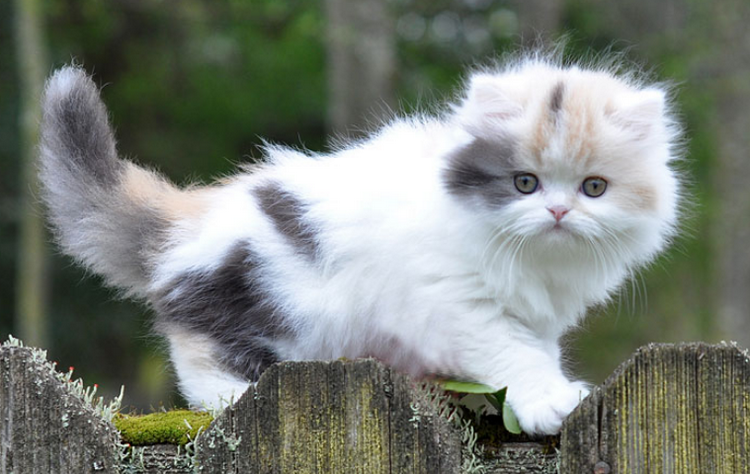
Absolutely any colors are allowed without restrictions, including Siamese.
Types of Napoleons
There are two types of Napoleon Minuet cats:
- Classics are animals with standard, long legs that are of little value for breeding or exhibition purposes. While crossbreeding is possible, they are rarely used for breeding.
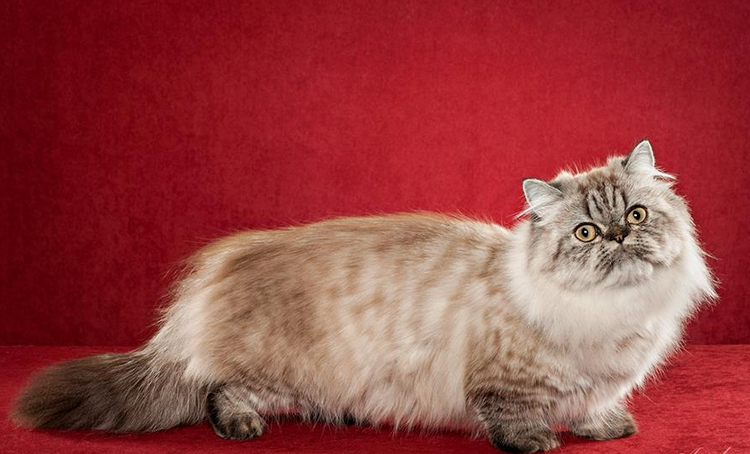
- Extreme – short-legged cats are 2 times smaller in height than normal ones.
Regardless of leg length, all Napoleons are dwarfs. Adult males weigh no more than 3 kg, and females no more than 2 kg.
Character
Most dwarf cats are friendly, patient, and calm, moderately curious and playful. They quickly learn good manners and are very intelligent and sociable. They form strong bonds with their owners and try to participate in all household chores. They inherited their gentle nature from Persians, and their energy and curiosity from Munchkins, which drives them to get into every nook and cranny, especially at a young age. Their character is completely non-aggressive, making them safe to introduce even to very young children. Napoleons generally get along well with other pets and are tolerant of small rodents and birds.
Maintenance and care
Napoleons are strictly indoor cats and don't require regular exercise, much less free-roaming. If you want to introduce them to the outdoors, they should be walked only on a harness and under close supervision. It's important to consider some minor care considerations related to their small size and short legs. For example, a litter box should have low sides, and a cozy bed can be smaller than for most breeds. Kittens require extra attention in terms of housing and care.
Napoleons don't require any special grooming; it all boils down to a list of essential procedures: brushing, bathing, eye, ear, and oral hygiene, and nail trimming as needed. Brushing frequency depends on the quality and length of their coat. Bathing frequency varies from person to person, but is typically every six months. Shampoos and conditioners are selected based on their coat type. Blow-drying is acceptable, but not recommended.
For long-haired animals, special pastes or food for hair removal are recommended.
Eyes and ears are regularly examined and cleaned as needed. Claw problems are usually resolved by getting the kitten a scratching post and training it to use it.
Feeding
The few Napoleon breeders feed their pets super-premium or holistic dry food. Some feed a mixed diet, adding meat and dairy products to the main diet. When choosing food, consider your pet's age, coat length, physiological condition (pregnancy, lactation), medical conditions, and, of course, taste preferences.
Health and life expectancy
Since the breed is still under development, it's difficult to objectively assess illnesses and potential genetic problems. However, it's important for potential owners to understand that Napoleons are hybrids and carriers of mutations, and therefore many are not in good health. Even when mating top-quality breeding stock, there's a risk of defective offspring, congenital deformities, and unexplained deaths.
It is known for certain that the breed inherited from Persian cats a predisposition to:
- Polycystic kidney disease;
- Cardiomyopathies;
- Ophthalmological diseases (including non-life-threatening increased lacrimation).
In addition to hereditary diseases, as with any other animal, it is possible to develop many diseases associated with improper care or feeding.
Cats without health problems live on average 13-14 years.
Breeding features, kitten selection and price
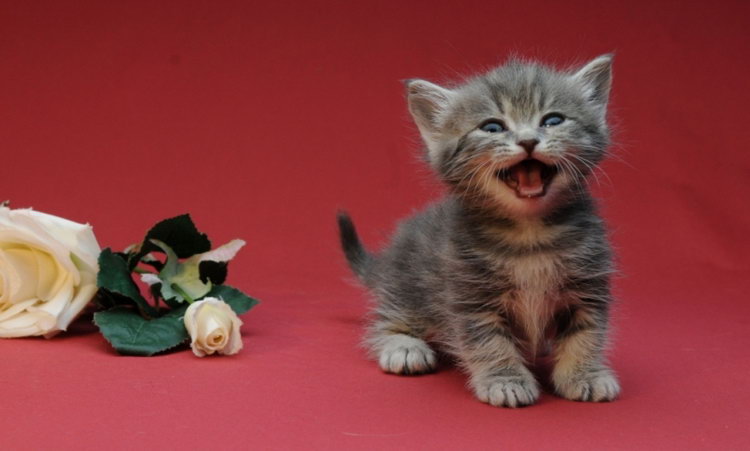
Napoleons are considered a rare and relatively expensive breed. This is due not only to their exclusivity but also to the difficulty of breeding them. Crossing Munchkins and Persians often results in kittens with various defects. The culprit is the capricious genes of Persian cats. To obtain excellent offspring, you need more than just a selection of beautiful animals; you also need to understand pedigrees, bloodlines, and genetics.
Obtaining healthy offspring that meets all standards is not an easy task and can only be accomplished by experienced breeders.
The TICA standard allows for a variety of crosses within several breeds: Napoleon - Persian cat (including Himalayan and Exotic Shorthair) - Munchkin.
Prices
In Russia and the CIS, the price of Napoleon kittens ranges from 35,000 to 70,000 rubles. The price is influenced by the breeding quality, color, size, and future prospects of the cat. Long-legged cats are significantly cheaper than short-legged ones, costing 5,000 to 15,000 rubles. In catteries abroad, a Minuet kitten costs an average of 500 USD.
Photos
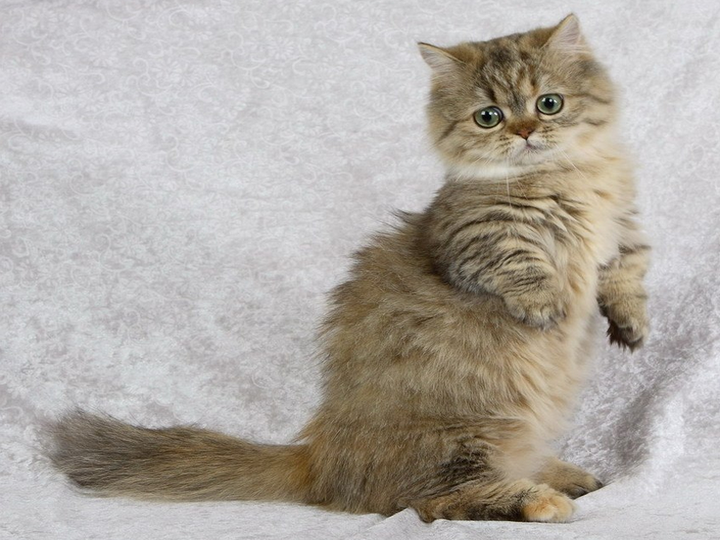
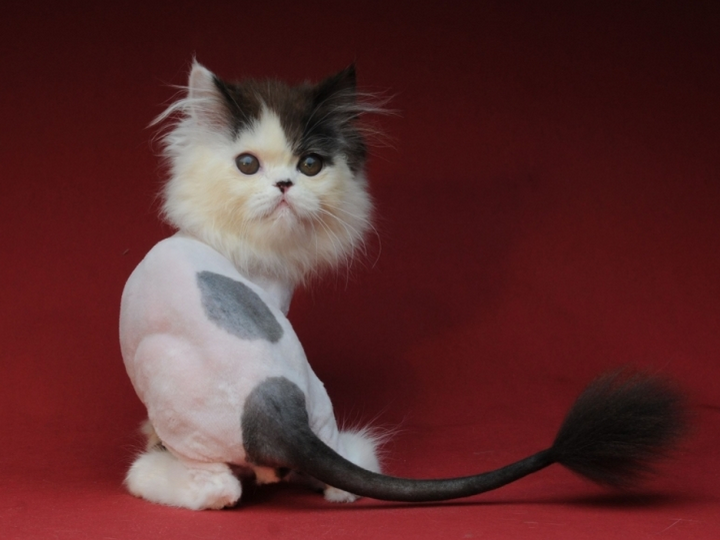
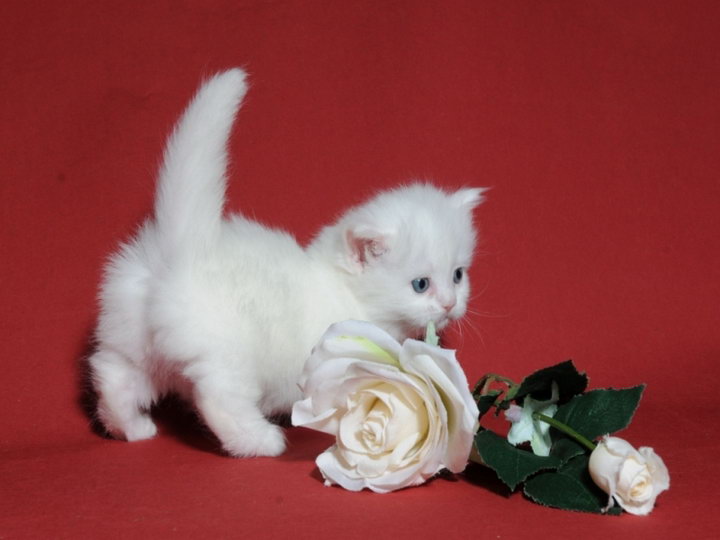
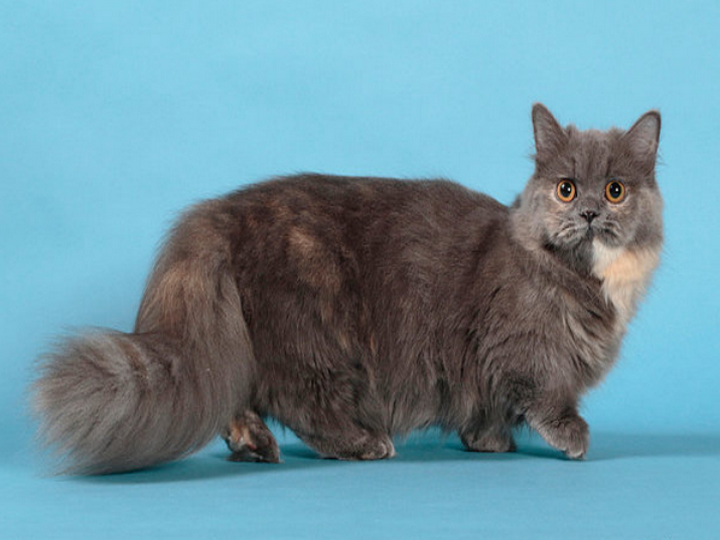
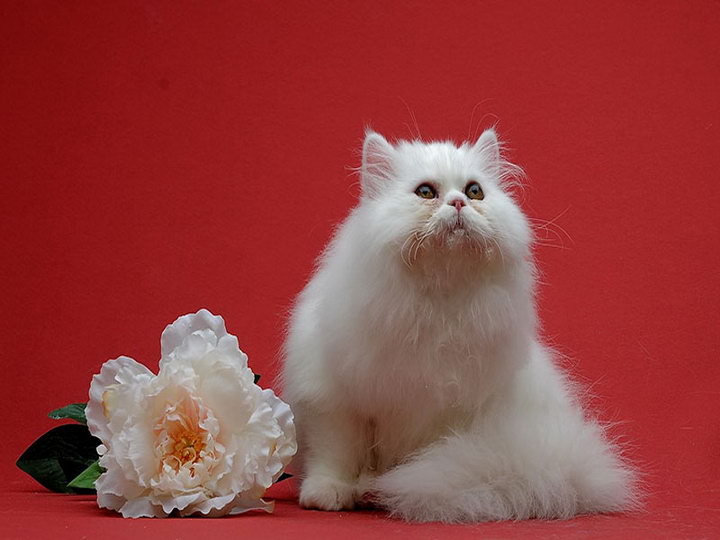
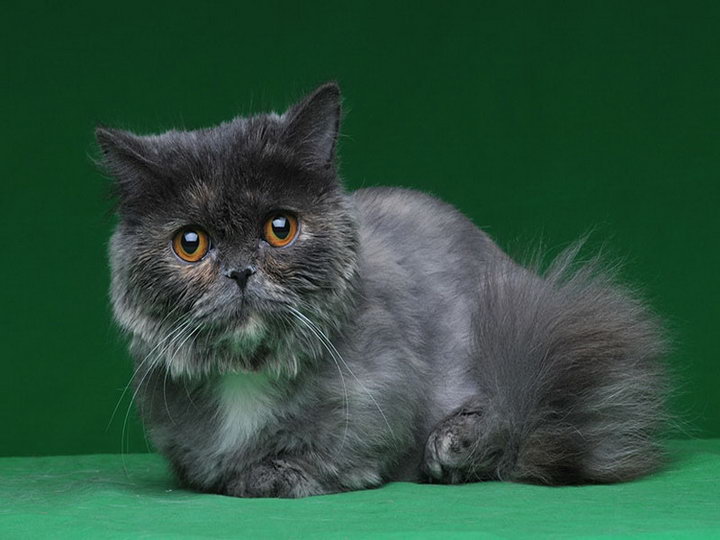
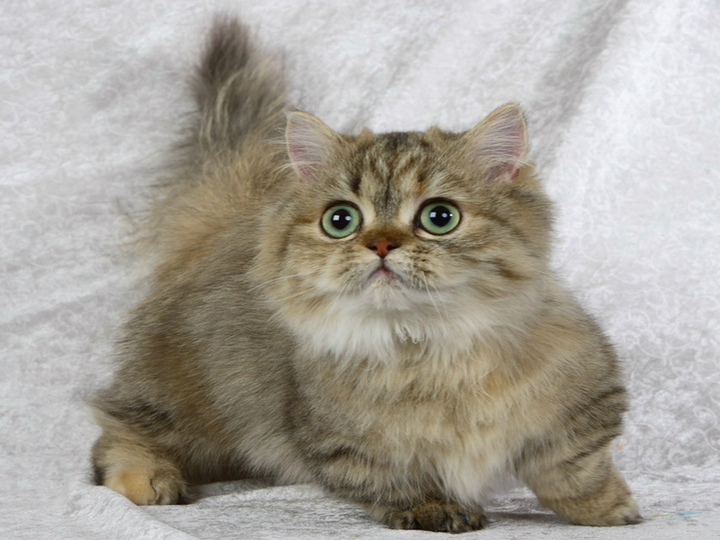
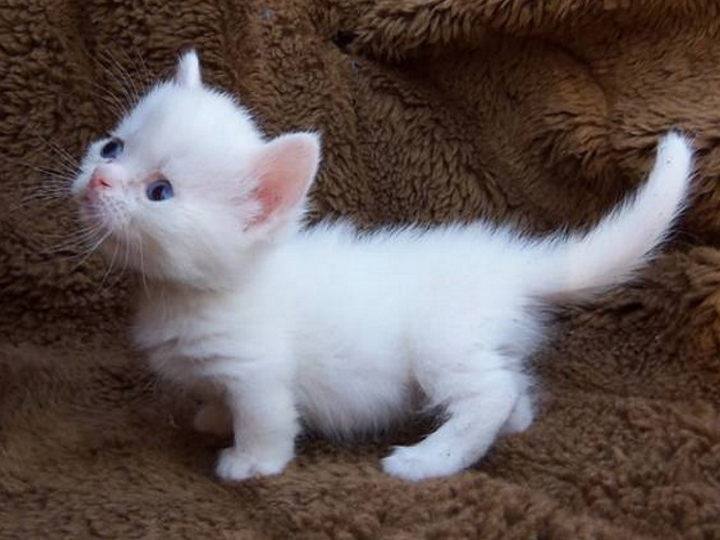
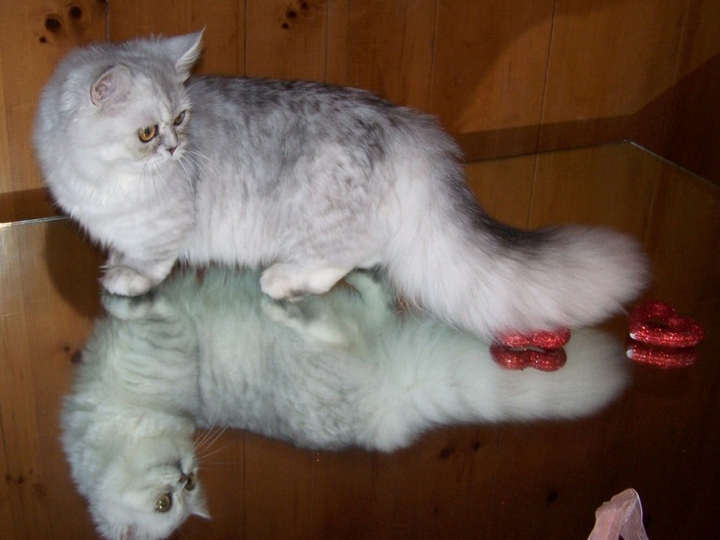
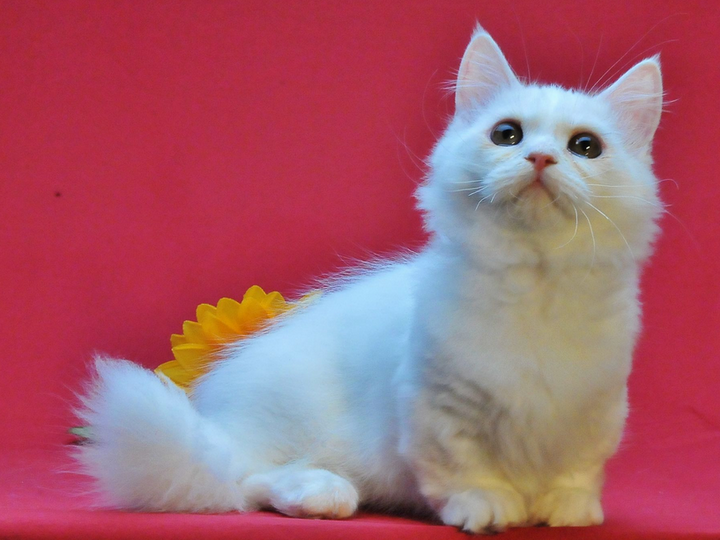
Photos of Napoleon Minuet cats, male cats, and kittens:
Read also:


Add a comment