
How long can you leave a cat alone in an apartment?
Are you planning a long trip, but taking your pet along is out of the question? Let's discuss the best course of action in this situation, how long you can leave a cat alone in an apartment with food and water, how forced solitude can affect your pet, and what alternatives you can consider.
Content
How do cats cope with loneliness?
A cat's attitude toward loneliness depends largely on its individual personality traits, activity level, and overall sociability. Some breeds enjoy spending a lot of time alone and are excellent at entertaining themselves, while sociable, people-oriented breeds experience significant stress even if their owner doesn't return home from work on time.
Important! Even among cats of the same breed, there are always some that can't live without a person for even a day. To determine whether your pet will suffer from loneliness, analyze its behavior and level of attachment to people.
How does a cat feel when left home alone?
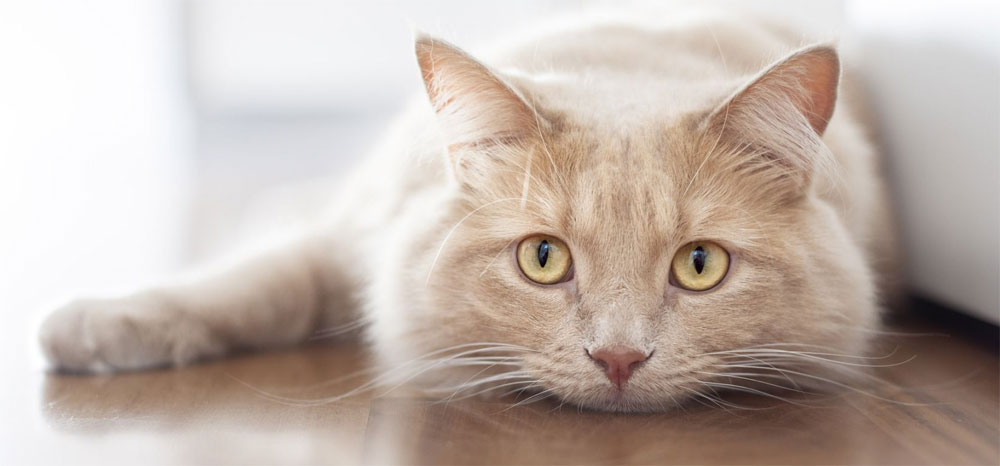
If an animal is trained to wait for its owner to return from work, is provided with food and water throughout the day, and has access to a litter box, it will likely spend most of the day simply sleeping. A cat is likely to become anxious only if the owners don't return at the usual time and the animal's normal routine is disrupted. The cat may become nervous, running around the apartment, calling for its owners, and annoying neighbors with loud noises. However, many pets are quiet and simply wait for their owners to arrive.
Animals that have a hard time coping with loneliness are those that:
- accustomed to the constant presence of the owners;
- found themselves in unfamiliar conditions (at home after moving, or if the cat is given to someone else’s home while away);
- in case of lack of food or water in sufficient quantities.
Physiological needs of an animal
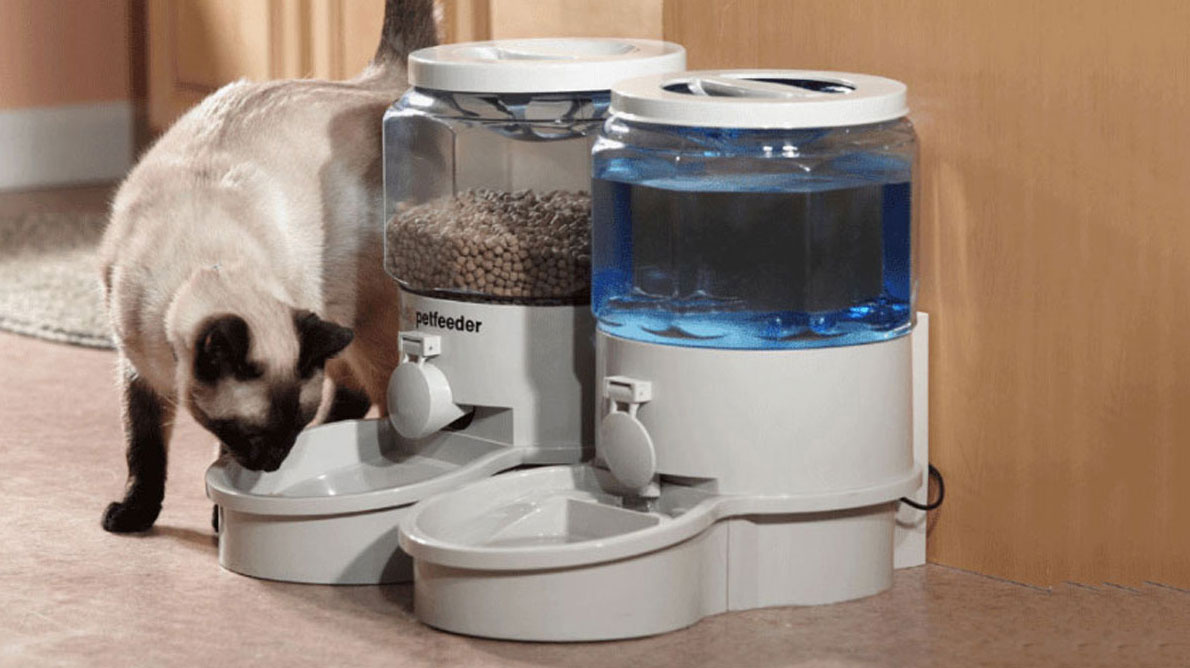
If you know you'll inevitably have to leave your pet alone in the apartment for more than a day, it's worth getting them used to dry food and useful gadgets like:
- electronic feeder;
- drinking fountain;
- automatic tray.
Electronic feeder
Remember that not all cats (and especially kittens) know their limits, so the "two-day supply" approach can be dangerous. A cat can overeat with unlimited access to food, which can lead to illness at the very least, or, at worst, to needing help without anyone around.
Therefore, an automatic feeder that will dispense food at specific times is a must for those who leave their cat alone in the apartment for more than 12 hours.
https://www.youtube.com/watch?v=llUKlhprzmA
Automatic drinking bowl
If your cat, kitten, or cat eats dry food, they should have constant, unlimited access to water! This is one of the most important rules you can't break if you care about your pet's health.
Many owners know that cats dislike stagnant or dirty water and would rather go to the tap than drink from a dirty bowl. An automatic waterer is great because it constantly filters the water.
The volume of the device should be chosen based on the expected number of days of absence. On average, a cat should receive approximately 50 ml per 1 kg of body weight per day. Thus, a 5 kg cat needs at least 250 ml of water per day.
Automatic tray
You can often find reviews online from owners claiming that their cats won't use a dirty litter box. Therefore, if you leave your cat alone for three days without anyone cleaning its regular litter box, expect "surprises" in the most unexpected corners of the apartment. This isn't revenge or resentment on the part of the animal, but rather its normal physiological needs, which must be met if it has to be left alone.
An automatic litter box solves the problem perfectly, but it's best to get your pet used to it while it's still young.
How many days can you leave a cat alone in an apartment?
Important! Veterinarians warn that it is unacceptable to leave cats without companionship and supervision for more than one week, even if the animal is provided with food and water.
The owners were absent for 2 days.
Two days is a perfectly acceptable amount of time alone for any animal. If you're worried about leaving your cat home alone for two days, simply follow these guidelines:
- Use an automatic feeder! Set feeding times according to your pet's usual time (2-5 times a day).
- Place several bowls of water at once (choose a stable dish that the cat will definitely not knock over).
- Clean the litter box. If possible, place two clean litter boxes in your cat's usual area to avoid the need to look for an alternative toilet spot in the house.
- Leave your pet's favorite toys within reach, as well as a cardboard box that will keep him occupied for a while.
- Consider your cat's safety. Close doors to rooms containing potentially dangerous objects (wires, houseplants, etc.).
Many animals feel calmer if they smell their owner. Experienced breeders recommend leaving your sweater or robe on your cat's bed to help them cope with your absence.
Absence of owners for 3-4 days
In case of urgent need, leaving the cat alone for 3 or 4 days is also possible, having thought through all the points described in the previous paragraph.
What can you expect?
- The cat may start looking for a new place for the toilet, since even 2-3 trays will be full during this period.
- The standard volume of an automatic waterer is about 2 liters, but if you just put out a few bowls of water, then by the fourth day it may already be empty.
- If the automatic feeder has a small volume, then by the 4th day the food in it may run out.
Important! Four days is considered a critical period, as an animal without access to water will not survive more than four days! However, in extreme situations, a cat can survive up to three weeks without food.
Absence of owners for 5-7 days
When discussing how long a cat can be left alone in an apartment with food and water, veterinarians recommend not leaving the animal unsupervised for more than four days. This means that if you're away for a week, someone you know should visit the cat once or twice during this period to:
- clean the tray;
- add food to the automatic feeder;
- pour clean water;
- make sure the cat is feeling well;
- play with the animal (if, of course, the pet will make contact with a stranger after a long period of loneliness).
Ideally, a person can come once a day (for example, in the evening after work). However, the minimum required is a follow-up visit every 3-4 days.
Absence of owners for more than 7 days
If you need to leave for 7-10 days or longer, it's worth considering alternative options:
- Ask a friend or relative to stay in the apartment so as not to leave the pet alone for so long.
- Find a foster home where your cat will be well cared for.
- Contact a special "cat hotel".
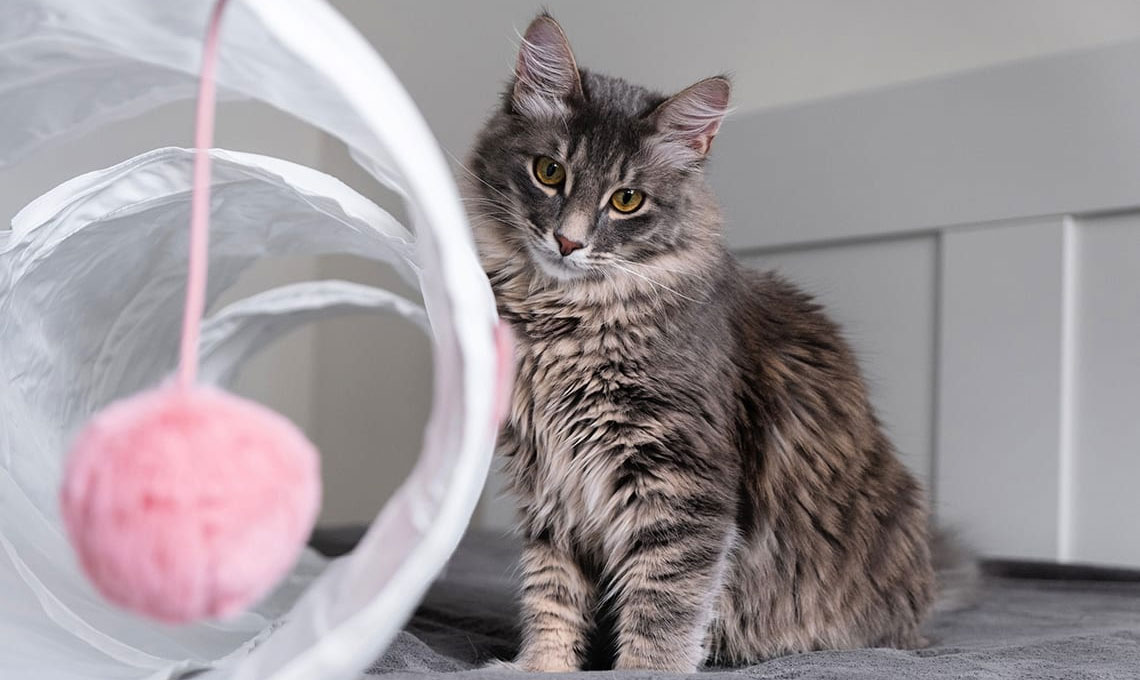
When you can't leave your cat alone at home
When considering whether it's safe to leave a cat alone in an apartment for a week, it's always important to consider factors such as:
- animal activity level;
- age;
- health condition;
- diet and usual menu.
Young kittens and older animals should definitely not be left unattended. Animals with chronic illnesses or those that have recently undergone surgery (such as spaying or neutering) will also require human supervision.
A sudden transition to dry food is also not recommended if the animal was previously fed only natural food. In this case, daily monitoring of the cat's condition is essential.
Also, you shouldn't leave cats suffering from it alone for a long time. hyperactivity.
Read also:


Add a comment