
Peppermint Balls for Cats: How to Use, Benefits, and Harms
A catnip ball is a toy that has gained immense popularity after a series of videos demonstrating how pets react to this natural gift from their owners. We suggest taking a closer look at how catnip affects animals, the benefits and harms of regular use, how to make your own catnip ball, and how to use it properly.
Content
How does catnip work?
Catnip (Nepeta cataria) is a perennial herb whose leaves contain approximately 3% essential oil with a pleasant lemon aroma. Due to the plant's particular appeal to furry creatures, it is often called "catnip."
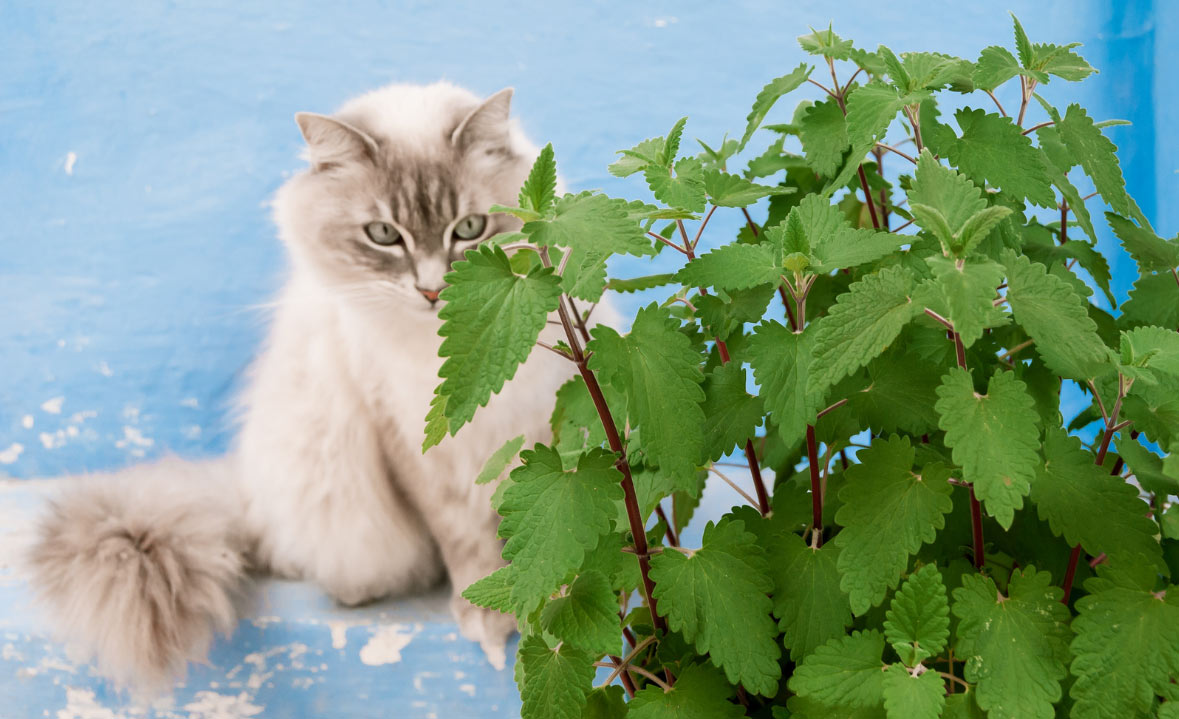
Catnip's aroma isn't as intense as classic mint or lemon balm. It's barely noticeable to humans, but cats' more developed sense of smell can easily detect subtle lemon notes.
The main active ingredient in catnip is the organic compound nepetalactone, which is part of the essential oil.
Unlike valerian, catnip doesn't have a narcotic effect on animals, but rather lifts their mood, improves concentration, and stimulates brain activity. Inhaling the herb's aroma or tasting a mint lozenge, your cat will initially feel a surge of energy and an uplifted mood, and after a while, a gentle relaxation and peace will follow.
Methods of application
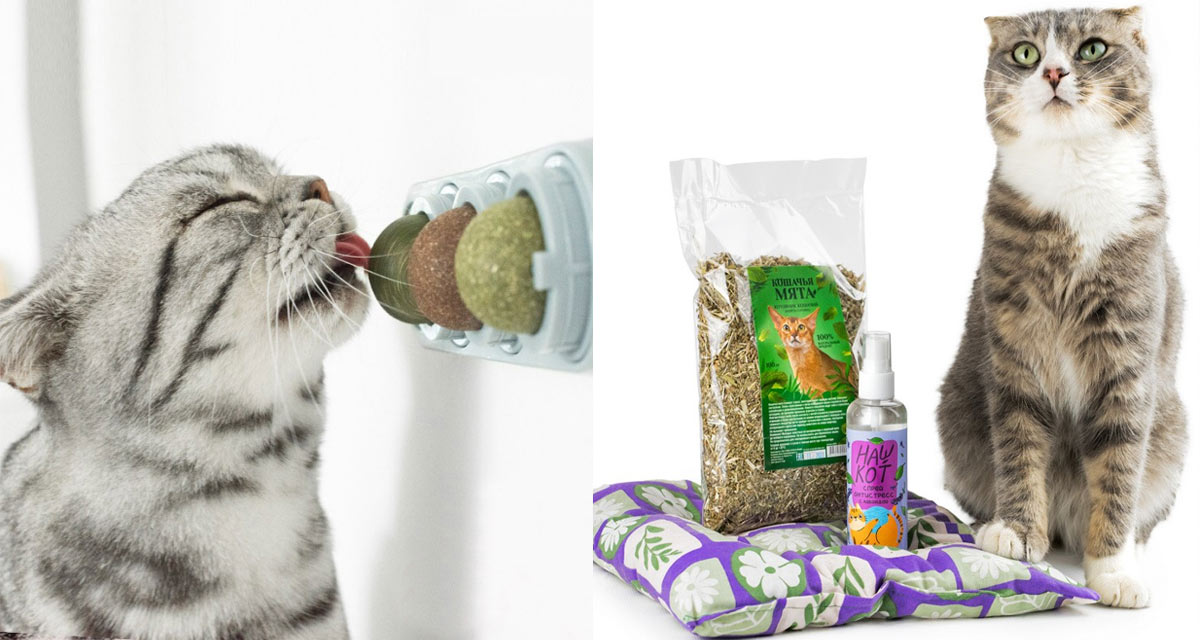
There are several ways to use catnip:
- Placing a small amount of grass in the animal's resting area.
- Spray mint infusion in the area to which you want to attract the animal’s attention (a new scratching post or bed).
- Filling a soft toy or a special ball for playing with something.
- Making balls from pressed dried leaves.
- Making mint candies (can be used for play or given to your pet as a treat).
The benefits and harms of catnip
Veterinarians recommend using catnip toys to:
- stress reduction;
- establishing contact with your pet;
- activating the motor activity of passive animals prone to depressive states;
- improved appetite;
- correction of unwanted behavior that occurs due to a lack of emotional stimulation and activity in the animal.
Interesting fact! A catnip ball will become a favorite toy for most cats, but not all. Scientists believe that about a third of animals are immune to the herb's distinctive aroma and taste.
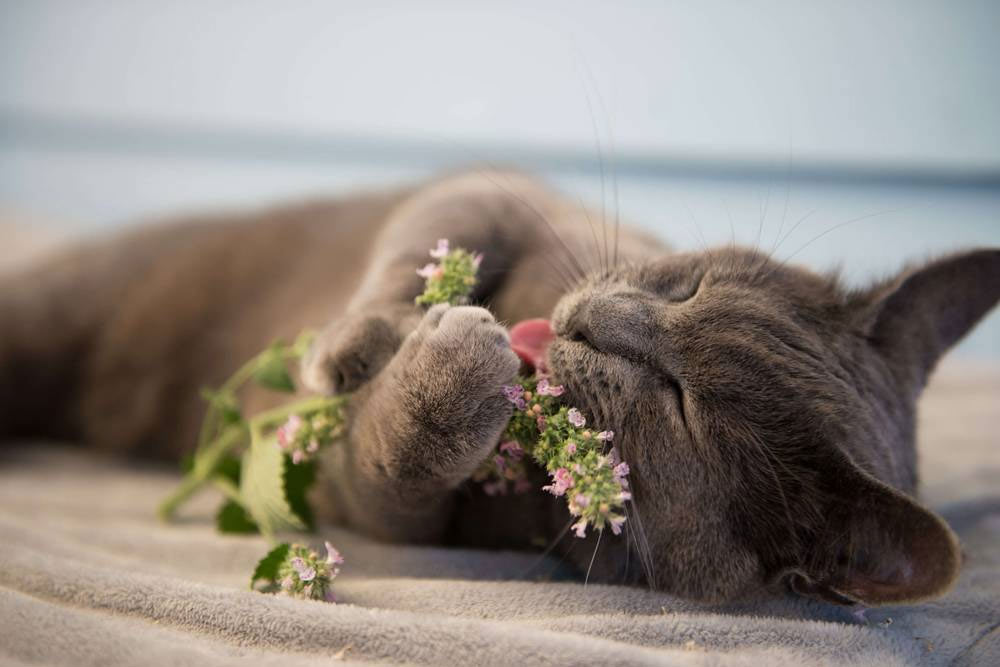
When offering your pet catnip toys, it's important to remember that, despite the naturalness of the product, it can be both harmful and beneficial. Veterinarians note the following potential negative effects:
- allergic reactions (if the animal has a history of allergies, it is worth offering it catnip with caution);
- overstimulation (the body's reaction is individual, so for some cats the herb may have a more relaxing effect, while for others it may cause periods of hyperreactivity);
- gastrointestinal disorders (if cat lozenges are used without supervision);
- fights between animals (you should not offer one ball to two cats living in the house).
https://www.youtube.com/watch?v=4aGVu4LA6rA
How to make a peppermint toy
You can buy a ready-made rotating mint ball in a plastic holder in stores, which is easy to mount on the wall. This option is extremely simple, but owner reviews point to the following drawbacks:
- The price can vary from 175 to 700 rubles.
- There is no certainty that the composition does not contain components whose harm will outweigh the expected benefit.
- It is difficult to give such a treat to your pet while controlling the amount consumed.
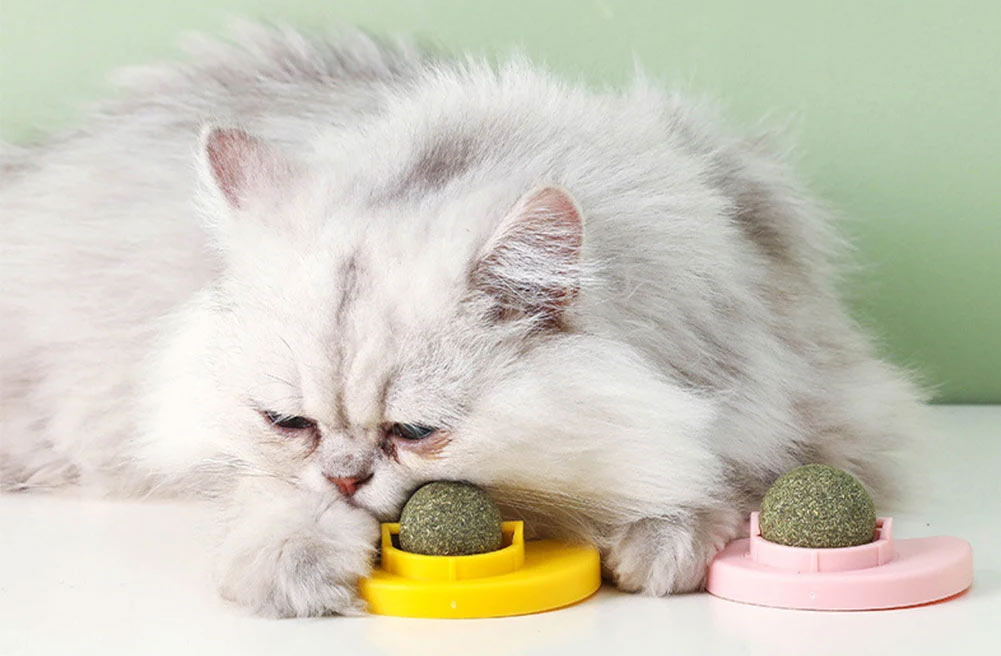
To make a play ball or lollipop at home, we need catnip.
Today, you can buy grass in many pet stores, not only in large cities (Moscow, St. Petersburg, and Yekaterinburg), but also on many online platforms, such as Ozon, Yandex Market, and others. The price for 15 grams of dried grass ranges from 70 to 150 rubles, depending on the manufacturer.
Making a ball (toy)
Ever wondered how to use catnip to lift your pet's spirits without ingesting it? Make a DIY catnip ball filled with the aromatic herb.
For these purposes, you can use special hollow balls sold at pet stores or Kinder Surprise egg shells with holes punched in the plastic. It's even easier to make a fabric ball by simply tying some compressed catnip into a knot made of sturdy fabric. And with a little more creativity and time, you can sew a mouse or fish and stuff it with catnip.
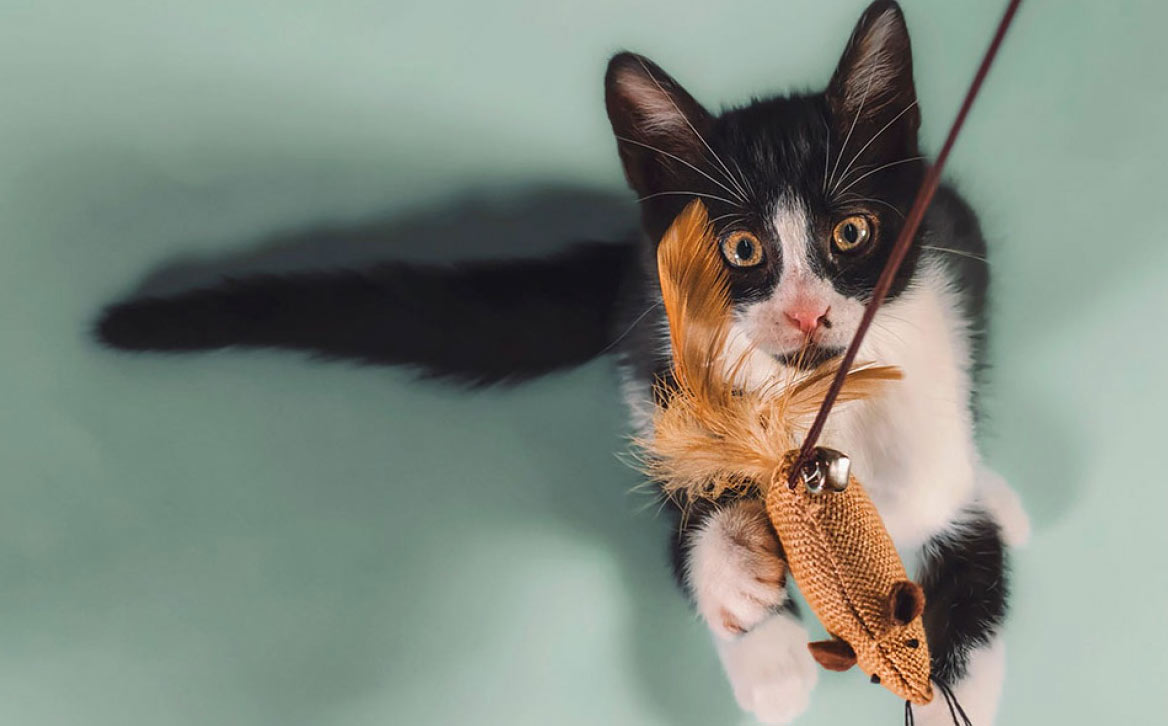
If your cat is sensitive to the scent, such a ball or mouse will quickly become their favorite plaything. However, don't leave it within easy reach, as this will lead to addiction and diminish the scent's effectiveness. It's best to offer your pet 20-30 minutes of playtime with a scented homemade ball daily.
Making a lollipop (treat)
On a hot summer day, you can offer your cat a frozen mint infusion as a cooling toy. To do this:
- Pour a small amount of dried catnip with hot water.
- Let it brew for 2-5 minutes and strain.
- Pour into molds to make round ice.
- Freeze in the freezer.
The result is a natural and extremely safe toy.
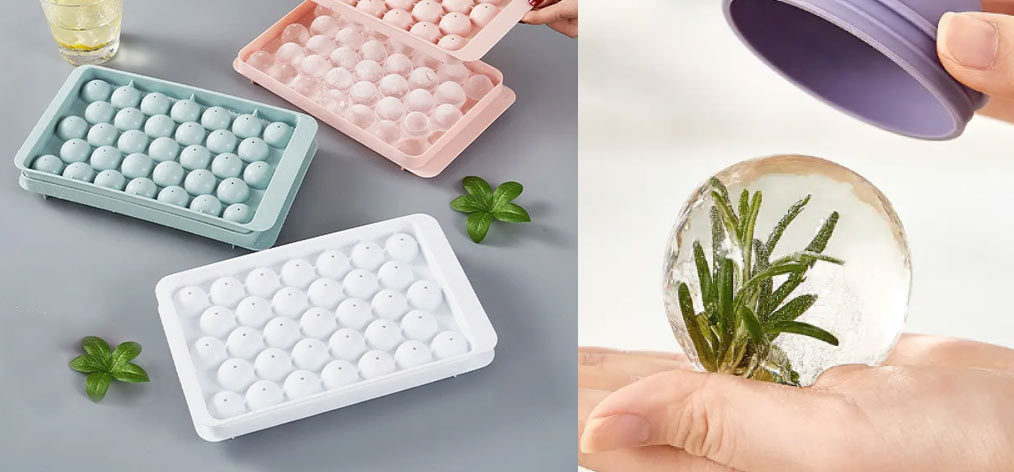
You can also make lollipops with regular food-grade gelatin, which is also very beneficial for pets as it's a source of collagen. Small homemade mint gummy candies can be used as a rewarding treat during training.
How does mint affect dogs?
Owners who have both cats and dogs in their homes often wonder whether catnip works on dogs and whether they can offer this natural treat to them too.
Indeed, catnip won't harm dogs either. The herb has been noted to have a calming effect on dogs, although it doesn't elicit the same level of interest and excitement as cats, which are sensitive to nepetalactone.
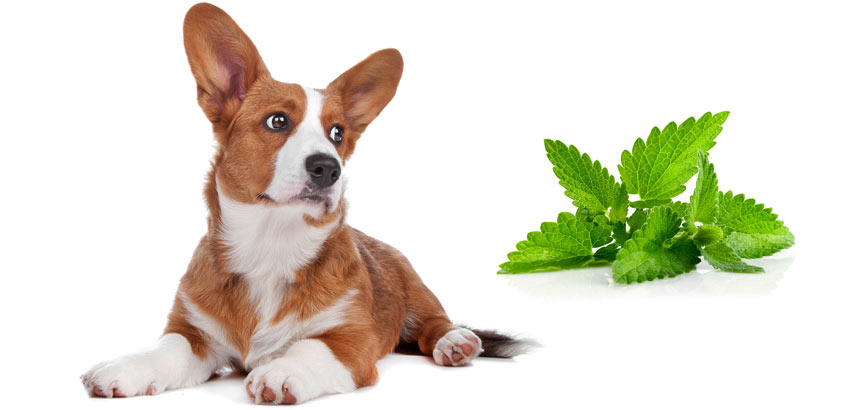
Using dried grass as a component of litter is believed to help animals cope with stress, but catnip-flavored treats are not always appreciated by all dogs. However, if a dog accidentally takes a toy from a cat and eats it, nothing serious will happen. The worst that can happen from a dog eating a whole mint ball at once is an upset stomach.
Read also:


Add a comment