
Soft Paws for Cats: Reviews
"Soft paws," or onychiectomy, is a surgical procedure to remove the claws of domestic cats. It's considered a permanent solution for pets who repeatedly destroy furniture and household items or exhibit aggressive behavior. But is this procedure as safe as some veterinarians claim, and what are the potential consequences for your pet?
Content
How is the procedure performed?
"Soft Paws" isn't just declawing a cat, but removing the claws along with the terminal phalanges. It's performed under combined anesthesia, using both general and local anesthesia. The procedure itself takes approximately 30-40 minutes, during which the claws are carefully removed using surgical instruments, and the incisions are sutured.
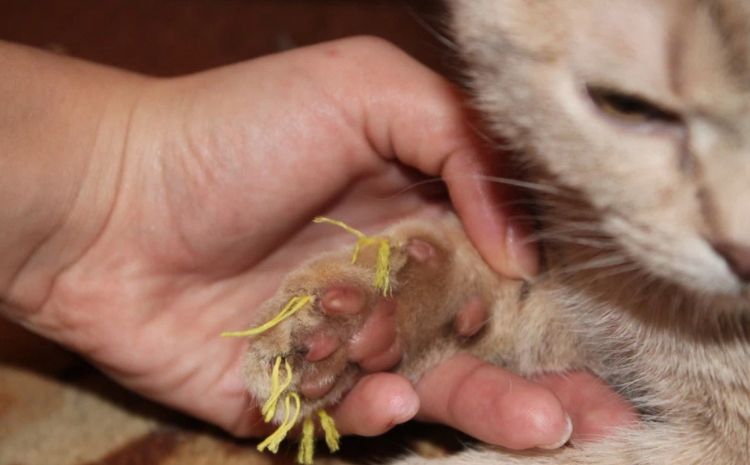
Postoperative recovery takes about 3-4 weeks, during which time the following is required:
- daily treatment of sutures with antiseptic;
- a protective collar to prevent the cat from licking the stitches, which are removed after 7-14 days;
- Antibiotic therapy as prescribed by a doctor to reduce the risk of infection;
- using silica gel or paper instead of cat litter.
In addition, the cat needs the owner’s close attention and care while it gets used to its new living conditions.
Possible indications and contraindications
Although the surgery is often performed due to complaints from pet owners such as "scratching all the furniture in the house," "scratching everything," etc., there are possible medical indications for it, including:
- advanced stages of onychomycosis (fungal infection of the nails);
- epilepsy in an animal, to protect it from possible injuries during seizures;
- developmental anomalies that cause frequent problems with ingrown claws (they constantly curl and cut into the pads of the paws, causing pain and lameness).
Other relative indications include:
- aggressive nature of the animal, provided that it is impossible to use alternative options (paw attachments, claw trimming, etc.)
- risk of occurrence cat scratch disease For people with weakened immune systems, complications from scratches caused by Bartonella henselae bacteria, which live on claws. When ingested, these bacteria can cause fever, swollen lymph nodes, and, in some cases, damage to the eyes, nervous system, and blood poisoning.
As for contraindications, Soft Paws is strictly prohibited for cats with outdoor lifestyles, as they will not be able to defend themselves, climb a tree, or catch themselves if they fall.
Consequences for the animal
Like any medical procedure, the "Soft Paws" procedure has its consequences. The advantages, at first glance, include the preservation of home furniture and walls and protection from scratches from pet owners, especially children. However, this "comfort" for owners comes at a high cost to the animals, as they are deprived of their usual defense mechanism. The cat feels defenseless, which can lead to behavioral changes and psychological problems: it becomes withdrawn or, conversely, aggressive and may use its other weapon—its teeth—more frequently. The operated pet becomes less agile and loses the ability to balance on slippery or vertical surfaces.
The above are only the psychological consequences, but this risky procedure has a number of physiological consequences, including:
- harm and painful recovery after anesthesia (even a gentle one);
- painful sensations when walking for a long time;
- high risk of infectious complications, since it is difficult to protect the operated paws from contact with the floor and ground;
- impaired coordination and gait changes associated with a change in the support area (instead of toes, the cat has to step on the foot);
- problems with the musculoskeletal system caused by improper load distribution (spinal curvature, osteomyelitis);
- a possible regeneration process if the operation is performed incorrectly, which can cause the claws to grow into the paw and cause pain.
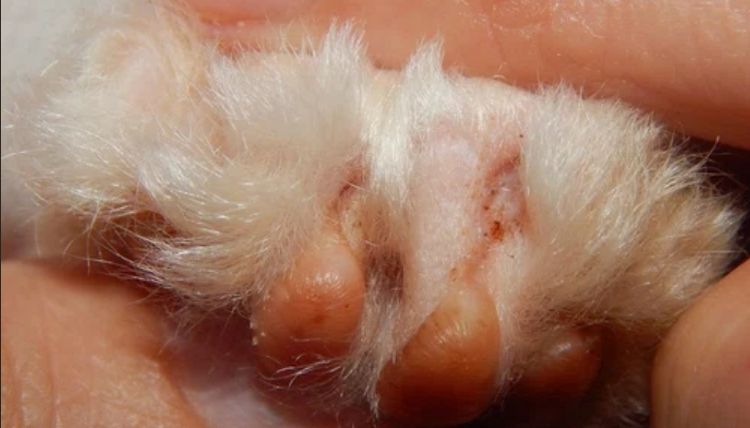
Given the psychological and physiological consequences, the "Soft Paws" procedure often evokes negative reviews from pet lovers. In some European countries, onychectomy is prohibited by the European Convention for the Protection of Pet Animals. But even in countries where the procedure is not prohibited, including Russia, veterinarians often refuse to perform such procedures.
By deciding on surgical intervention, the owner assumes full responsibility for the life and health of the pet, which loses one of its protective tools.
Cost of the operation
The cost of the "soft paws" procedure depends on the location (at home or in a clinic), additional services, and the number of paws being treated. Often, only the front paws are removed. Furthermore, the procedure is performed exclusively under general anesthesia, so the quality of the anesthesia also affects the final cost.
In Moscow clinics, prices start at 3,000 rubles for two paws and 5,000 rubles for four paws. Additional post-operative costs should be added to these amounts.
Reviews
Elena Viktorovna, owner of two Siberian cats:
"I consider this surgery to be pure cruelty to an animal. I don't understand why anyone would want to have a pet whose natural instinct is to sharpen their claws and then deprive them of this pleasure. My two cats are over 10 years old, but I never even considered giving them Soft Paws, even though the wallpaper in the rooms and the sofa were damaged."
Julia, owner of a mongrel cat:
"Right after the renovation, my cat started sharpening her claws on everything in sight, and a colleague told me she was planning to have her pet have the 'Soft Paws' procedure. When I called the vet to find out more, the information shocked me. Despite the cute name, they actually remove the animal's outermost phalanges along with the claws! It's almost like removing the first phalanges of a person's fingers and rendering them disabled! Incidentally, my colleague later told me that her cat's personality had deteriorated after the procedure: he stopped sitting and cuddles, and he became aggressive and timid."
Nikolay, Persian owner:
"We decided on surgery because our cat has a jealous and aggressive nature, often even attacking guests. It was especially scary when he spent almost two days recovering from anesthesia: he moved like he was drunk, spent most of the time lying down, and had to be given water from an eyedropper. Then he started tearing the bandages off his paws prematurely, so we had to constantly monitor him (even at night!) to make sure he didn't chew through the sutures. The recovery was long and painful, so surgery is only recommended in extreme cases. Now the cat can't hurt anyone, although his aggressive behavior hasn't gone away."
Read also:


Add a comment