
Multikan 4 for dogs
Multikan 4 is a vaccine for dogs that prevents distemper, enteritis, and adenovirus infections. A small amount of weakened or inactivated viruses contained in the vaccine is administered to stimulate the pet's immune system to produce antibodies. These antibodies will provide future protection, creating a type of immunological memory. The product is produced as an injectable solution; the packaging consists of a lyophilized component (liquid components removed by freezing and subsequent sublimation) and a liquid used to form the solution.
Content
Why should you immunize your dog?
Four-legged pets need to be vaccinated, regardless of age, to protect them from many dangerous diseases or to alleviate pathological conditions. Before vaccination Multikan 4 should consult with a veterinarian to determine which viruses should be protected from your pet.
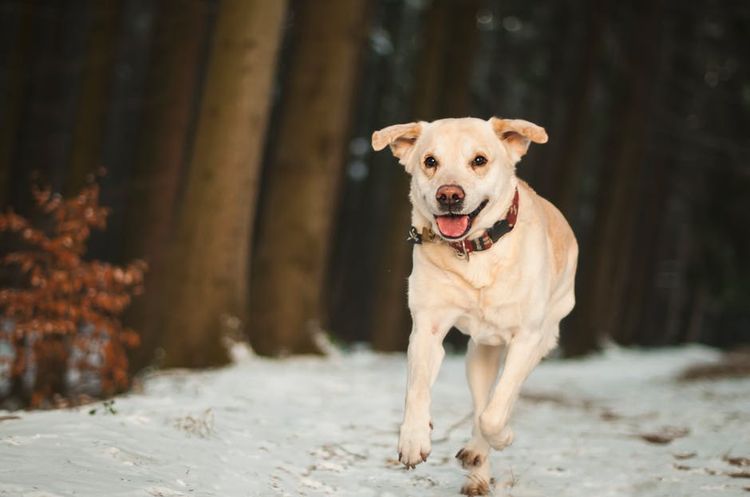
Canine distemper is particularly prevalent in both young and old animals. The disease affects the respiratory, digestive, and nervous systems, and the mortality rate for infected pets is quite high.
Parvovirus and coronavirus are characterized by bloody diarrhea and weakness. Prompt treatment offers a good chance of recovery for adult dogs, but therapy is lengthy. These diseases are often fatal in young animals.
Adenovirus infections are accompanied by coughing and inflammation of the respiratory system. Although these symptoms resolve, the disease can cause irreversible damage to a pet's lungs.
Price
The medication can be purchased at veterinary pharmacies and online pet stores for approximately 106 rubles. The final price depends on the pharmacy's pricing policy and your region of residence.
Properties
Multikan 4 is a quadrivalent vaccine (against four diseases). It appears as a dry, homogeneous, yellowish-pinkish substance. The liquid contained in the preparation is colorless, odorless, and transparent.
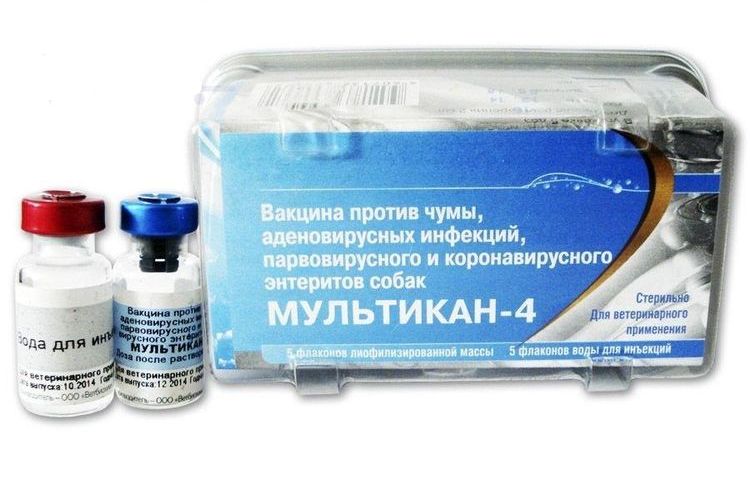
The vials contain 1.0 and 2.0 ml (single dose) of the active ingredient or a 3.0 ml ampoule. They are sealed with rubber stoppers secured with aluminum caps, and the ampoule is hermetically sealed. The vials containing the vaccine are packaged in cardboard boxes, and instructions are included with each vial. The vaccine has a shelf life of one and a half years, after which it is discarded.
The product is stored and transported in the refrigerator, out of the reach of children and animals. Any active ingredients in the product without manufacturer's markings or showing signs of damage or tampering that have not been used within 15 minutes should be boiled for 30 minutes and then discarded.
Instructions
If the mother has a healthy immune system, the puppy will likely receive antibodies in her milk during nursing. However, pets should subsequently receive a series of vaccinations, beginning at eight to ten weeks of age. A veterinarian should schedule at least three doses, spaced three to four weeks apart. The final dose should be administered between 11 and 14 weeks of age. A booster dose should be given at twelve months, followed by annual immunization with Multikan. For small dogs, the recommended dose is 1 ml, while for medium and large dogs, 2 ml. There is no single, appropriate schedule for every puppy, and the choice should be determined individually with your veterinarian.
Before use, dilute the preparation in 2 ml of liquid and bring to a temperature of 36-38 degrees Celsius. Shake well before use. Vaccination must be performed in accordance with all aseptic standards, using only disposable syringes.
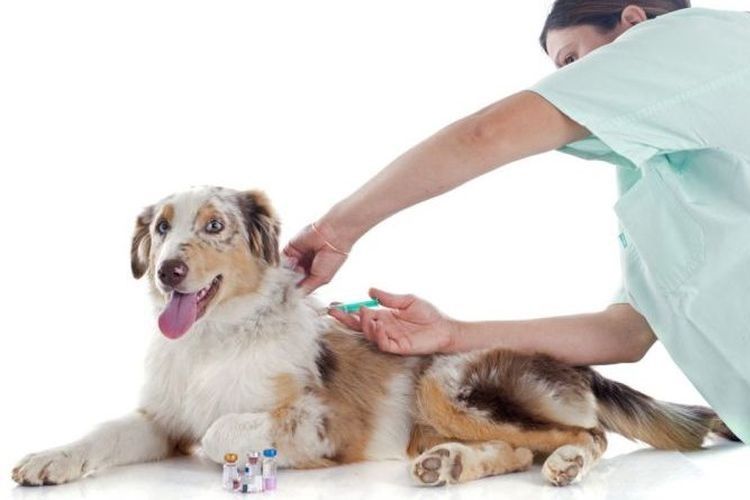
Vaccination schedules should not be disrupted, as this will inevitably reduce the vaccine's effectiveness. If an unexpected interruption occurs, the injection should be administered as soon as possible.
Depending on the pathogen and the vaccine, pets' natural defenses can last from several months to many years after vaccination. Most immunizations, including Multikan 4, provide significant protection for twenty-four months, after which time booster vaccinations are required.
Stages of vaccination
Vaccination should take place in several stages:
- Reconstitution. The vaccine should be inspected to ensure it was properly transported and stored at the temperature stated on the label. After mixing, draw the solution into a syringe and remove any excess air bubbles by tapping the side of the syringe. The needle should point upward.
- Preparing the pet. Make sure the dog is clean and the skin around the neck is free of any visible dirt. Lift the pet's skin near the neck to pinch it. This will create a small area under the skin where the medication can be injected.
- Administering the injection: Carefully puncture the skin with the needle and insert the syringe. Slowly press the plunger of the syringe to inject the Multican 4 vaccine.
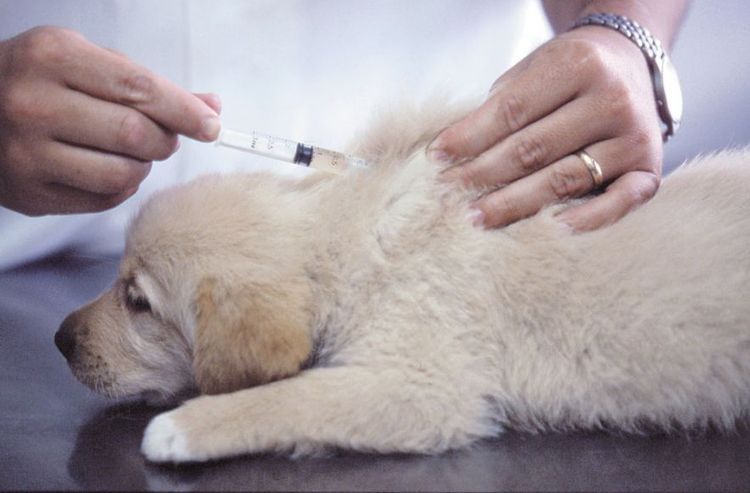
Caution! If you see blood in the needle, find another injection site. This means you've hit a blood vessel, which is not a good place to inject.
- Removing the needle. Once the needle is removed, apply pressure to the injection site with your fingers for about 30 seconds. This will prevent bleeding. Place the needle and syringe in an appropriate waste container or a glass jar for disposal at a veterinary clinic.
Precautionary measures
When using the drug, personal hygiene and safety precautions consistent with veterinary injections must be followed. First aid supplies must be available at the vaccination site.
If the vaccine comes into contact with skin or mucous membranes, wash them with running water. If the vaccine is spilled, treat the affected area with chloramine or caustic soda.
Contraindications
Do not vaccinate a sick animal, and in case of chronic diseases, consult a veterinarian to ensure the safety of the vaccine. Before administering Multikan 4, deworm the animal, administering a parasite control medication one week prior. Pregnant female dogs and very young puppies (under six weeks of age) should also not be vaccinated.

Possible side effects
As with any medical procedure, there is a small risk of side effects. In most cases, the risks are much less than the risk of the disease itself. Most dogs respond very well to the medication, but serious side effects or allergic reactions of varying severity are possible. If any adverse symptoms occur, consult a veterinarian.
The reasons for the negative consequences of vaccination are very common:
- incorrect injection administration or incorrectly compiled vaccination schedule;
- hypersensitivity to the components of the drug;
- weak immune system of the animal.
In case of negative symptoms, it is necessary to contact a veterinarian, as there are various acute reactions that can lead to death.
The most common side effects are:
- apathy;
- lethargy;
- loss of appetite;
- fever;
- vomiting and diarrhea;
- pain at the injection site;
- abscess;
- swelling of the mouth and salivation;
- aggressiveness;
- local irritation;
- abnormal coordination.
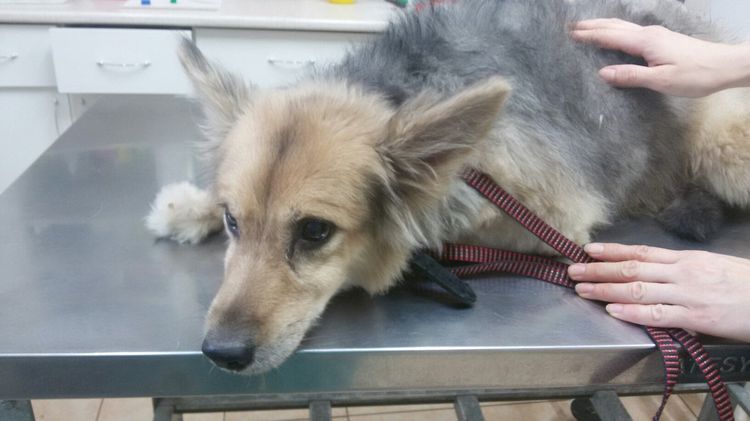
If your dog exhibits any of these symptoms, consult your veterinarian and request a different vaccine in the future. It's important to emphasize that severe allergic reactions are relatively rare.
Owner reviews
Svetlana, the owner of the mixed breed:
"I found a puppy of an unknown breed on the street, about 8 weeks old. My dog died of distemper a month ago, so I decided to vaccinate him right away. The pharmacy recommended Multikan 4, which is a vaccine against four viruses. The puppy tolerated the vaccine well and had no side effects."
Andrey, owner of a border collie:
"I vaccinated my puppy, Flik, with Multikan 4 at the veterinary clinic. There are also Multikan 6 and 8 for viruses 6 and 8, but the vet said it was too much for a puppy's body. Flik tolerated the procedure well. He did have some diarrhea, but it quickly resolved."
Arina, the poodle's owner:
"We recently got a poodle. We're completely unfamiliar with dog vaccinations and nutrition, so we went to the vet, who recommended Multikan 4. He said it was excellent and inexpensive. We trusted him and gave her the first shot at six weeks, followed by a booster shot a few days later. Our Betsy tolerated both shots well, except for sleeping more than usual. The main thing is to deworm her seven days before the shot and avoid introducing anything new into her diet, and everything will be fine."
Veterinarian Reviews
Alexey, a veterinarian with 20 years of experience:
"I recommend this inexpensive domestic vaccine, which is sold in every veterinary pharmacy, for my four-legged patients. It has minimal side effects when administered correctly."
Irina, a veterinarian with 4 years of experience:
"Multican 4 is indicated for the prevention of viruses dangerous to dogs. I am happy to use it in my practice because it is reliable and safe."
Read also:


3 comments
Artem
I gave my dog the Multicam 4 vaccine and after the vaccine he became very ill. He is extremely weak and can't stand on his feet. He drinks water and immediately vomits water. He won't eat anything. What should I do?
Daria is a veterinarian
Hello! Was the animal examined before vaccination? Were there any contraindications? Did the animal have any illnesses (including infectious ones) in the 2-4 weeks prior to vaccination? Was the animal's temperature taken during the vet visit? Or was the animal vaccinated immediately and sent home? According to the regulations, only CLINICALLY HEALTHY animals are vaccinated. Vaccination of emaciated and/or weakened animals (including those who have recovered from an illness) is prohibited. Ideally, the animal should begin treatment.
Oksana
After the vaccine, less than half a month later, our family member was gone... until about 10 years later, there was no problem... problems suddenly started with the liver, kidneys, over the course of the next year, dropsy disappeared and finally... the dog... Whose body was completely healthy...
Add a comment