
Mudi (Hungarian Shepherd)
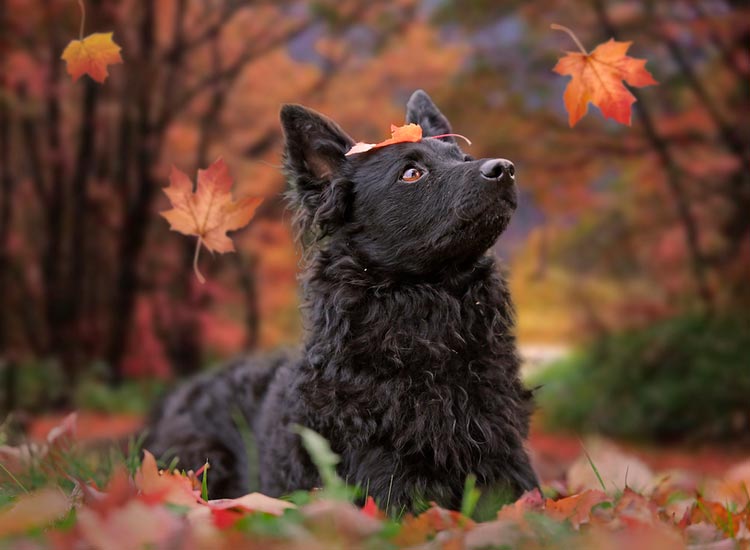
The Mudi is a Hungarian herding dog breed easily recognizable by its small size, sharp muzzle, pointed erect ears, and curly hair on its body, which is noticeably shorter on the legs and muzzle. This lively, energetic, and intelligent shepherd has a strong herding instinct. Suitable for active people. as a companion, shows good results in agility and other similar competitions.
Content
History of origin
It's difficult to say when dogs like the Mudi first appeared. Hungarians constantly used four-legged shepherds, which varied greatly across regions, interbreeding with each other and with dogs from neighboring countries. Only towards the end of the 19th century did the dogs begin to be differentiated, resulting in the formation of a whole group of herding dogs in Hungary: pumi, bullets, moody and KomondorThe origins of the Mudi breed can be traced back to Dr. Daisy Fenyes, a historian and director of the Paloc Museum in Balassagyarmat. During one of his ethnographic research trips across the country, Fenyes saw a mischievous dog that struck him as an intriguing cross between several breeds. He purchased several specimens and, upon returning home, began breeding them. Several years later, in 1936, the breed and its official standard were first presented at a breeding fair in Budapest. Daisy Fenyes died in 1973 in Los Angeles, California, USA. Despite the fact that the "father" of the breed himself lived in the United States, Hungarian Mudis remained unrecognized for a long time. The breed was officially recognized by the American Kennel Club only in 2015.
At the end of World War II, the breed was in dire straits. It was rebuilt practically from scratch. By 1963, the dogs had deviated so much from the original type that a new standard had to be written, which was later adopted by the FCI.
Video about the Mudi (Hungarian Shepherd) breed of dogs:
Appearance
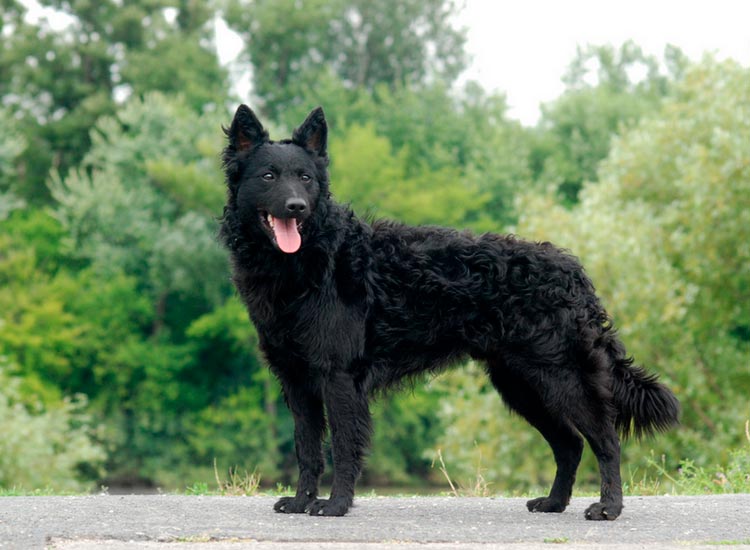
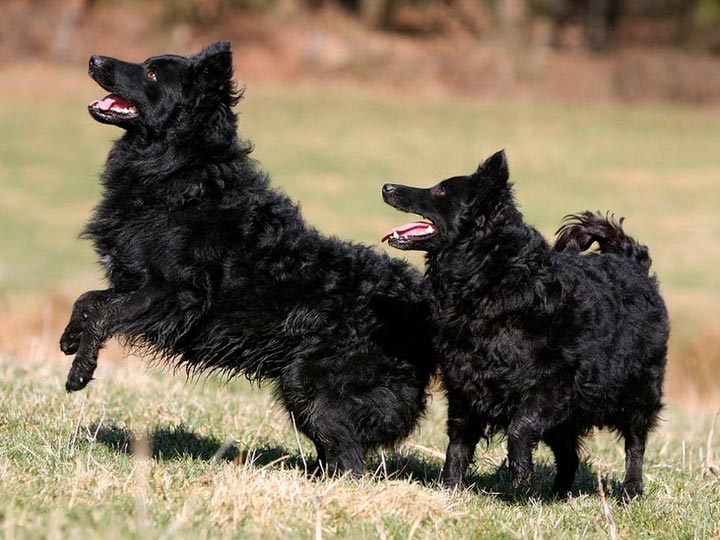
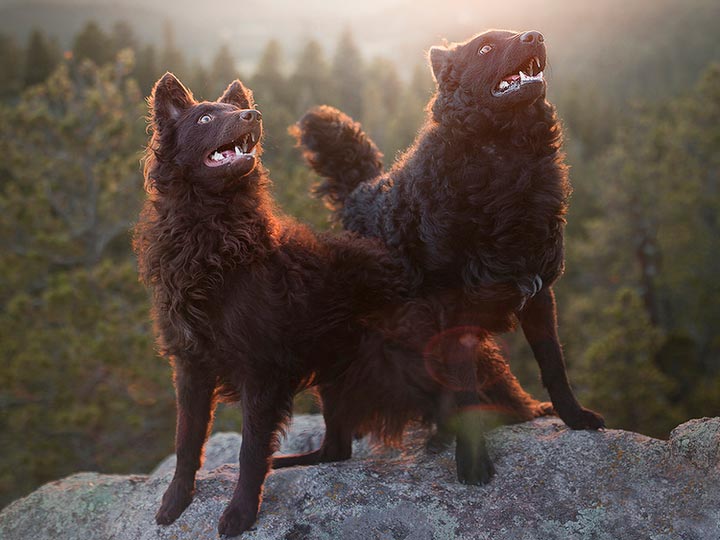
The Mudi is a medium-sized dog with an elongated muzzle and erect, pointed ears. The body slopes noticeably toward the croup. The coat on the body is wavy, curly, and significantly longer than that on the legs and head. Color variations can be varied. The height at the withers of males is 43-45 cm, weight 11-13 kg, while the height at the withers of females is 40-42 cm, weight 8-11 kg.
The head is wedge-shaped, tapering noticeably toward the nose. The nose is narrow, with pigmentation varying depending on the coat color. The forehead is slightly domed. The stop is moderately pronounced. The muzzle is elongated, with a straight nasal bridge. The lips are tightly fitting, forming humps at the corners, and the pigmentation matches the color of the nose. The bite is scissor-like. The teeth are complete and medium in size. The eyes are narrow with pointed corners and should be as dark as possible. Only in merle-colored dogs are blue or white eyes permitted. The eyelids are evenly pigmented. The ears are set high, V-shaped, abundantly covered with hair, very mobile, and can rotate independently of each other. The pinna is 10-15% longer than the width of the base.
The neck is long and slightly arched, set at an angle of 50-55 degrees to the horizontal. A slight mane is permitted in males. The body slopes clearly toward the croup. The back is straight and short. The loin is of medium length. The croup is short and slightly sloping. The chest is deep, reaching to the elbows. The tail is set at a medium height. At rest, it is lowered, but when moving, it is carried higher than the back in a sickle-like curve. Sometimes Mudi dogs are born with a short tail, which is not a fault. The tail is very well furred, especially underneath, and can reach 12 cm in length. The forelimbs are straight and parallel. The hind legs are set slightly back. The paws are compact, rounded, and have strong, dark gray nails. Dewclaws are undesirable.
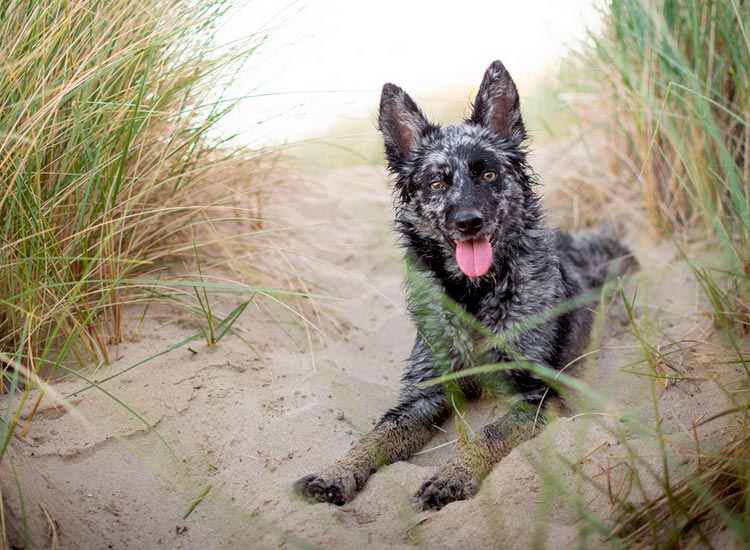
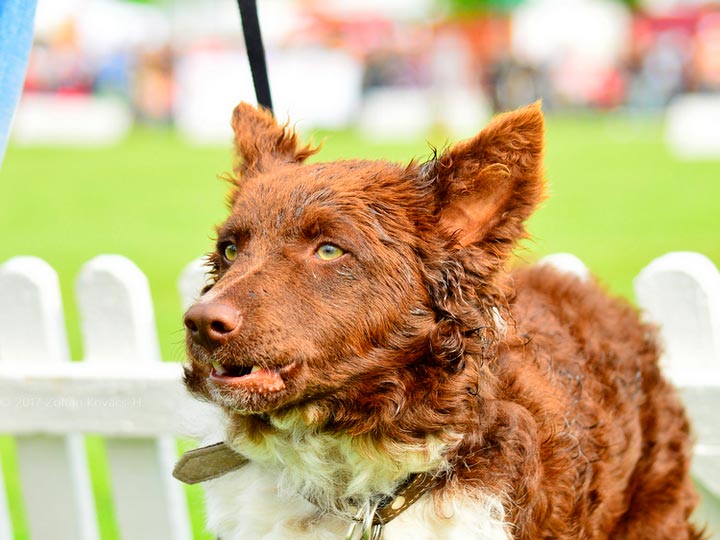
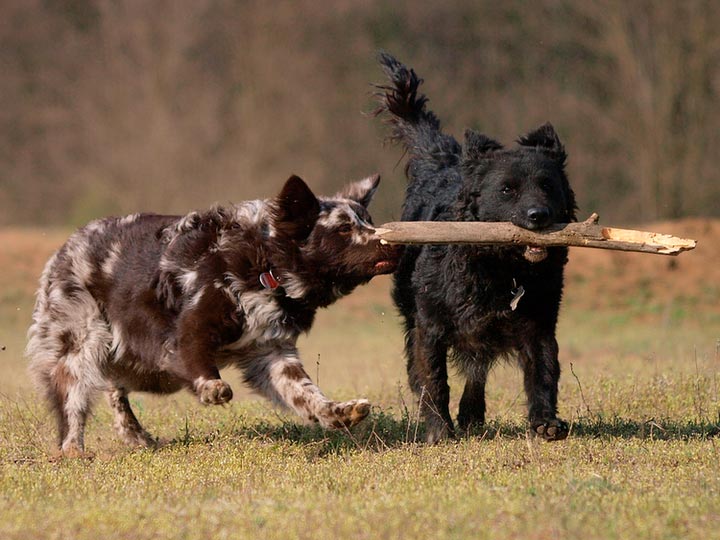
The skin is tightly taut. The hair on the head and legs is short, straight, and close to the body. On the rest of the body, it is thick, wavy, and shiny, reaching up to 7 cm in length. Colors can vary: black, white, yellow merle, ash, and brown. A white spot on the chest is permitted in solid colors.
Character and behavior
The Mudi is tireless in its work, strong and resilient, and at other times switches to energy-saving mode. It is soft, affectionate, and obedient. Strongly people-oriented, it is easy to communicate with, and it is trainable. Its main interests in life are its owner and activities with them, as well as work, but again, it is related to people and their interests. Shepherds are not aggressive toward people or other animals, get along well with dogs, live peacefully with cats and birds, and occasionally show a hunting interest in small rodents. Judging by the fact that some Mudi catch moles and mice, it is likely that they have terrier ancestry. The Mudi is known as a shepherd with a capital "S." He is strong and intelligent, and can even handle a herd of cattle.
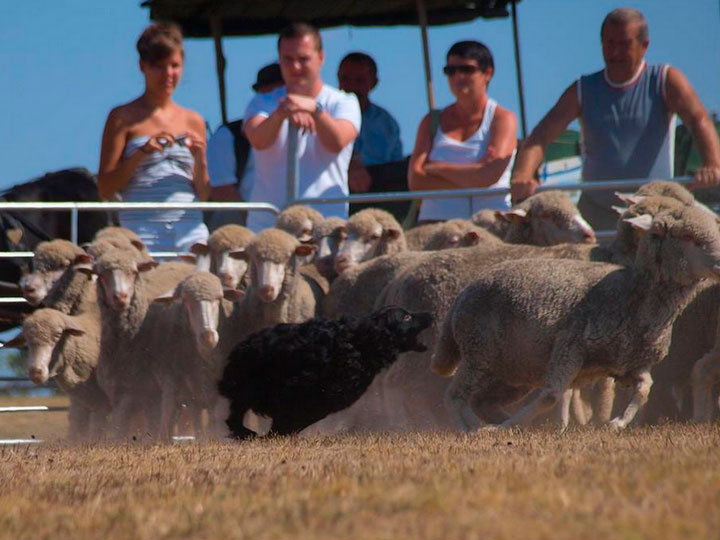
Courage, agility, vigilance, and endurance make the Mudi a wonderful shepherd's assistant. Not only is he capable of rounding up the herd and helping to move it, but he will also, if necessary, engage in a fight with a wild boar without hesitation.
Hungarian Shepherds are very courageous and energetic. They make excellent watchdogs and love to bark, but with proper training, they won't pay attention to every sound, only alerting you to things that deserve attention. They follow their owners like shadows, but never get underfoot. They are always ready to keep company. Owners note that Mudis are almost never in a bad mood; they are always cheerful, curious, and mischievous, energizing those around them.
A Mudi will never become a couch potato. This breed is suited to energetic people who are willing to devote a lot of time to their dog and working with it. It can be used for its intended purpose if it lives in the countryside. In the city, the best way to spend time is by playing some kind of sport. The closer the Mudi is to its owner, the happier it is.
Owners joke that this is a dog you can't lose. It seems like it's already run hundreds of meters away when you trip over something soft and fluffy, wondering why you're calling its name so loudly.
Education and training
Mudis are very intelligent dogs. Even as puppies, they are so people-oriented and eager to learn that training takes minimal time and effort. Even a novice can handle training a puppy. Mudis quickly understand house rules and readily follow them. Occasionally, they may exhibit stubbornness or independence. As they mature, they adapt to the rhythm of family life and learn to understand their owners without words.
Mudis are practically universal in their uses. Of course, they are primarily shepherds, successfully managing flocks of sheep and goats, and can also work with poultry, pigs, and even cattle. They are also suitable for a variety of active sports: agility, freestyle, obedience and the like. Many owners proudly and enthusiastically pursue a show career with their pets, but that's not the limit.
A Mudi dog named Darcy has been certified by the Russian Ministry of Emergency Situations. All victims of man-made and natural disasters were found and identified during the tests. The dog is actively working in the field.
Content Features
The Mudi sheds heavily only in the off-season, and with regular brushing, shedding can be minimized indoors. Due to their small size, cleanliness, and self-cleaning coat, Mudis are ideal for apartment living. They can also live in a private yard. They are absolutely not suitable for kennel living. If kept indoors with family, they require long walks filled with play and exercise. Without exercise, they wither and develop bad habits.
Mudi will not disappoint those getting a dog in the city. Thanks to his highly adaptable and social nature, he behaves extremely well, avoids conflicts, doesn't run headlong after cats, almost never pays attention to cyclists or cars, and reacts calmly to strangers around him.
Care
Mudis are completely low-maintenance when it comes to grooming. Even the longest coat on their body is not prone to matting, tangling, and requires little washing or brushing. They shed quite heavily during the winter and spring. Bathing is recommended as needed. Apartment owners typically wash their dogs with shampoo and conditioner once a month. Mudis are bathed a couple of times a year. Dirty and wet fur develops a distinctive odor, but with proper grooming, this odor is virtually eliminated.
Owners should also periodically check their ears to ensure they are clean and clean any excess wax buildup. Their eyes are well-ventilated and generally don't require any special care. Their nails wear down naturally during walks on hard ground. If your shepherd spends most of its time on soft ground or is inactive for any reason, they should be trimmed regularly.
Nutrition
According to reviews from owners and breeders, Mudies are rarely picky eaters. They quickly adapt to a set menu and eat relatively little on a regular schedule. They are not prone to overeating, but they rarely refuse treats. Diet: natural products They are developed according to standard dog nutrition guidelines. The BARF feeding method, developed by Australian dog trainers, is optimal. If desired, the dog can be introduced to commercial dry food, which is selected based on its age, size, and physiological condition. Mudi dogs are suitable for small and medium-sized dogs with active lifestyles.
In case of allergy or intolerance to any food, it is necessary to adjust the diet, but this happens rarely.
Health and life expectancy
Most Mudis boast robust health and strong immune systems. They rarely get sick during their lives and remain active into old age. Given that the breed was recreated from a small group of dogs, it has not yet been possible to completely eliminate hereditary diseases. The most common health problems in the breed include:
- Ophthalmological diseases;
- Hip dysplasia;
- Patellar dislocation;
- Autoimmune thyroiditis;
- Allergic reactions;
- Hypersensitivity to certain medications.
Life expectancy is usually 12-14 years, although for some dogs this is far from the limit.
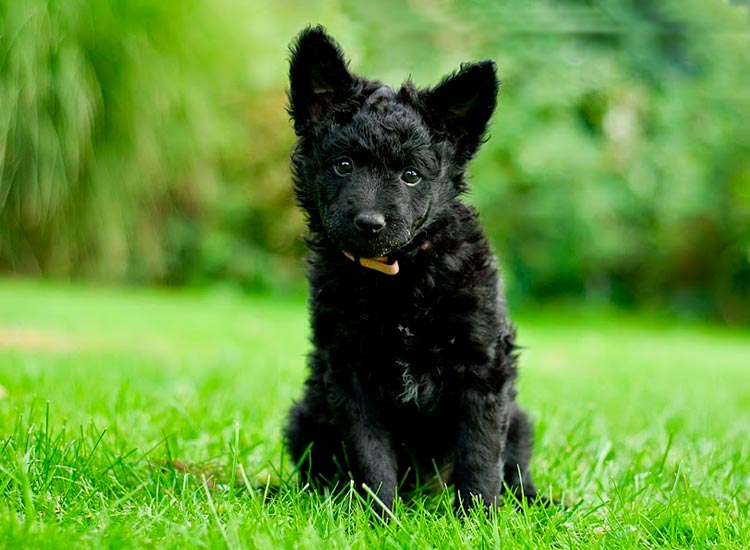
Choosing a Mudi puppy
In Russia and the CIS, Hungarian Shepherds are rare. Litters are very rare. Even puppies sold abroad usually have a waiting list. Occasionally, you can find online ads offering Mudi dogs for sale at low prices. These ads are usually fraudulent. A rare breed isn't cheap, but they're also not among the most expensive. The average price for a good puppy is 35,000 rubles. Dogs in Hungarian kennels cost about the same. It's very difficult for a layperson to judge the breed's qualities from a small puppy. Those dreaming of a Mudi should first and foremost pay attention to the litter's parents, their personalities, and their working qualities. In Europe, dogs aren't divided into working and show types; all dogs must have the correct conformation and character.
Photos
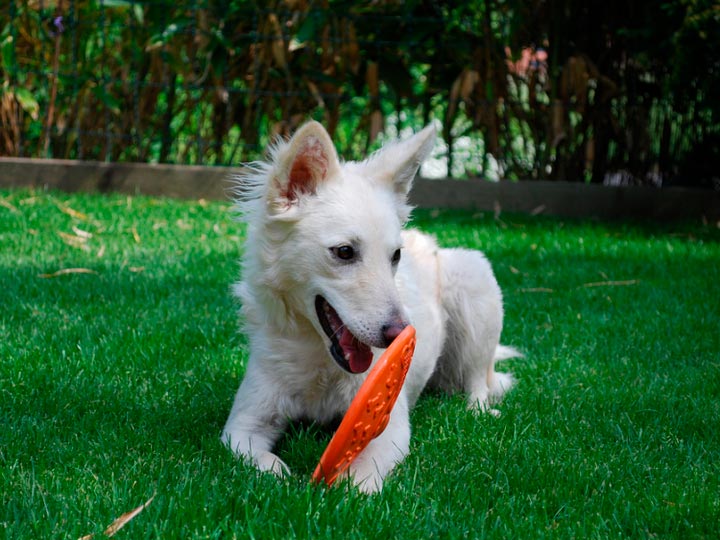
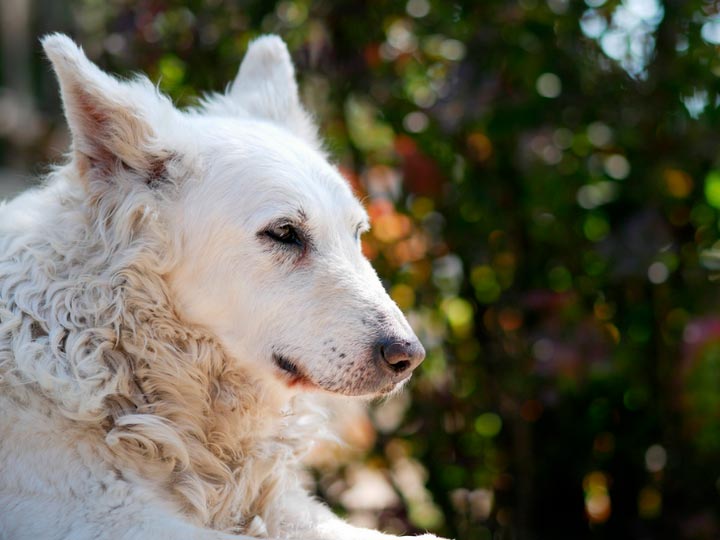
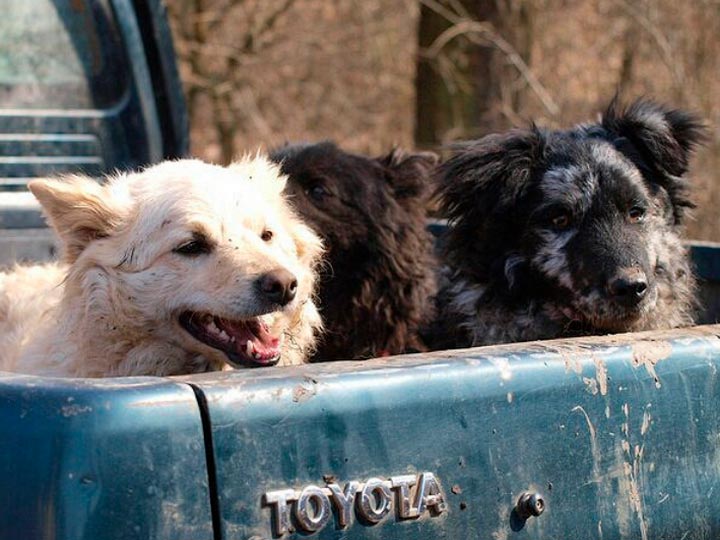
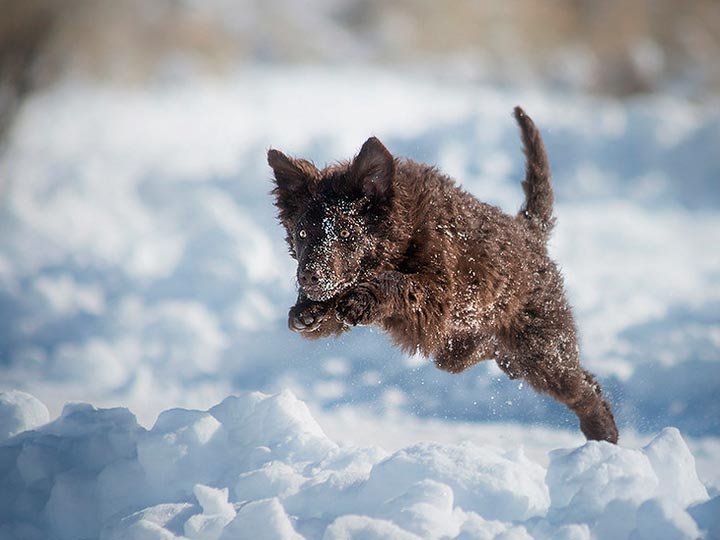
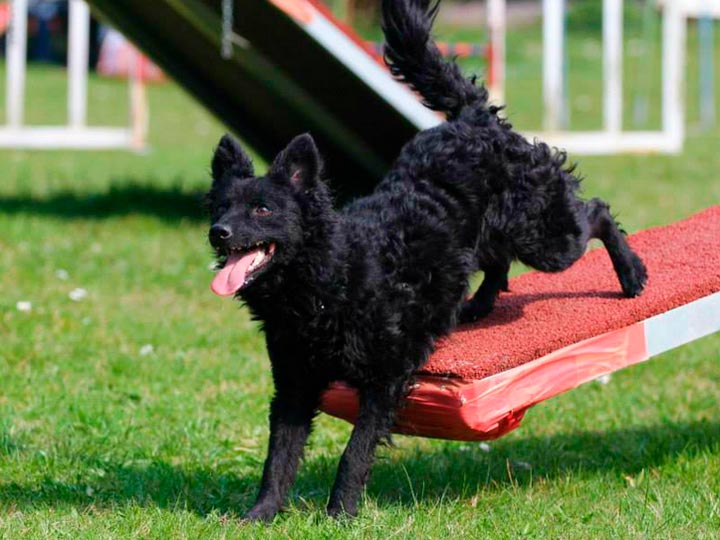
The gallery contains photos of Hungarian Mudi puppies and adult dogs.
Read also:
- Mongolian Shepherd Dog (Bankhar)
- South Russian Shepherd Dog (SRO)
- Bukovinian Shepherd (Southeastern European Shepherd)


Add a comment