
Can a person become infected with worms from a cat?
Parasitic diseases in cats are not uncommon. Stray animals are most susceptible, but infestations also frequently occur in pets who live with caring owners and have no contact with other animals. If you discover the presence of parasites in your feces, worms, people worry about catching the disease from their pets. Parents of young children are especially concerned, as children love to kiss their cats on the nose and show affection in every way possible.

Content
Worms that live in a cat's body
Don't think that cats can only get parasites from food. If that were true, thoroughly cooking the food before feeding it would be enough to protect your pet. However, infection can even occur from insects that fly in through open vents or windows during warmer months.
The following types of worms can be found in the body of cats:
- Nematodes (roundworms). They have an elongated body and can grow up to 10 cm in length. In feces, they appear as white, wriggling threads. Because their bodies are very thin, they are virtually impossible to detect with the naked eye in the early stages. These parasites live in the stomach and intestines of cats. The most common representative of this group is Toxocara, which causes toxocariasis. Ancylostoma, another representative of the same group, can enter the body even through a simple walk on contaminated soil containing eggs, from water, or after hunting insects or mice. Since nematodes live in the digestive system, they cause gradual weight loss in cats.

- Cestodes (flatworms). They have a flattened body, resembling a small ribbon. Another name for this group is tapeworms. The head burrows into the host's epithelial tissue, and segments containing eggs mature on the body. These eggs break off and are excreted in the feces. In addition to the intestines, these parasites infest the nervous system, causing profound damage.
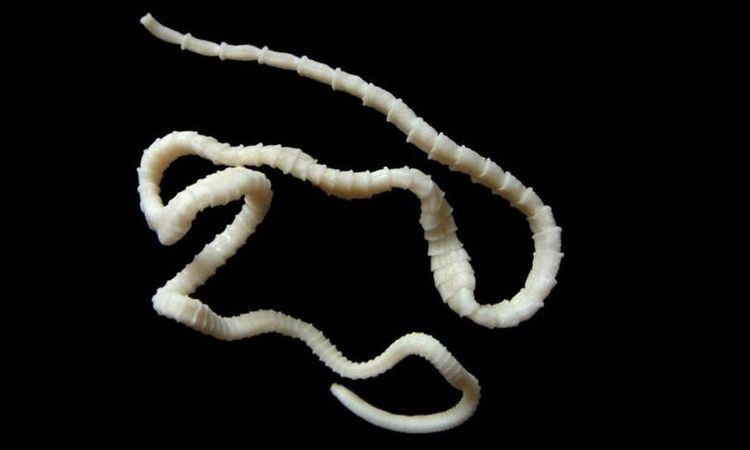
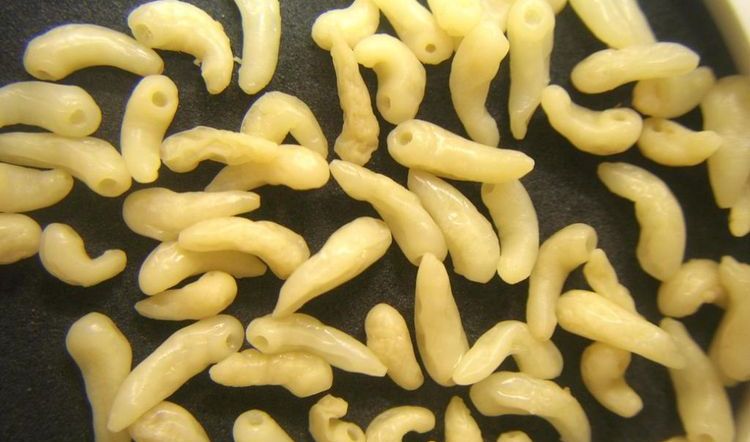
- Trematodes. Their bodies are so small that they are invisible to the naked eye. They invade all of a cat's internal organs, causing various diseases. Large lesions often occur in the liver, causing severe suffering.
Cat worms that are dangerous to humans
Not all types of internal parasites can cause health problems in humans. Some simply don't survive in the human body, as the conditions are unsuitable for them. But some thrive and begin to actively develop. These include:
- Giardia is the causative agent of giardiasis.
- Toxoplasma – are especially dangerous for pregnant women, whose blood does not contain antibodies to these parasites.
- Ascaris – can get into the intestines even after a person simply pets a cat and does not wash their hands with antibacterial soap.
- Echinococcus - their eggs are most often concentrated in the litter box where the cat goes to the toilet, so the person who cares for the pet is first and foremost at risk.
- Pinworms cause enterobiasis, which most often affects children; adults are more resistant to it.
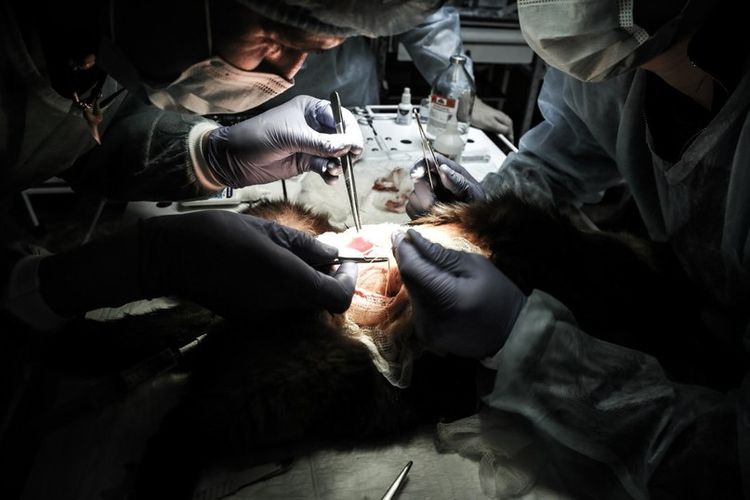
The most dangerous diseases involve parasites entering various organs via the bloodstream and forming cysts. These cannot be cured with medication, as the calcareous shell reliably preserves the eggs, so they can only be removed surgically.
Methods of preventing helminthiasis
The simplest advice that will protect the whole family from infection through a pet is to ensure that the cat is healthy. To reduce the risk of infection, follow these rules:
- Every three months, your pet should be given antiparasitic tablets, even if there are no signs of worms. Many infestations develop gradually, and initially, a person may not recognize them due to the lack of external signs.
- Raw fish should not be fed to your cat, especially freshwater varieties. If your cat likes fish, it should be cooked first.
- It is necessary to ensure that street shoes are inaccessible to the animal, as worm eggs may be found on the soles.
- Mosquito nets are essential on windows. Open windows during warmer months can allow large insects into your apartment or house, which your cat will hunt. Insects are intermediate hosts for many helminths.
In most cases, these simple tips help avoid major health problems for all household members without exception.

What should a person do?
In addition to the preventative measures you take for your pet, don't underestimate your own personal health. You can effectively prevent worms by:
- After handling a cat, wash your hands under running water, always using soap. It contains ingredients that destroy the eggs of some types of helminths.
- Hygienic procedures for cleaning a cat toilet It's best to wear rubber gloves when changing the litter. The sorbent should be changed as often as possible, as dried litter can release worm eggs into the air.
- The entire apartment or house needs to be wet cleaned periodically.

- It's essential to regularly check your cat for fleas and treat the animal's living and sleeping areas for insects. Fleas act as intermediate hosts for some parasites, which can harm both the pet and humans.
- It's forbidden to touch unfamiliar animals, and especially stray animals. Children should be taught this from an early age.
Even if all precautions have been taken for the cat and for worm prevention in the home, cat owners should periodically administer deworming treatment to all family members. This will eliminate the need for lengthy and complex treatment.
Furthermore, if your pet shows signs of a helminthic infestation, it should be immediately taken to an experienced and qualified veterinarian who will determine the diagnosis and prescribe effective treatment.


Add a comment