
Is it possible to cut cats' hair?
Grooming is a comprehensive hygienic and aesthetic care for pets. It includes brushing, washing, trimming, ear cleaning, teeth cleaning, and nail trimming. Unlike dogs, cats are washed less frequently, and many felinologists believe that trimming is unnecessary and even harmful for cats. It should be done only when necessary, for hygiene reasons.
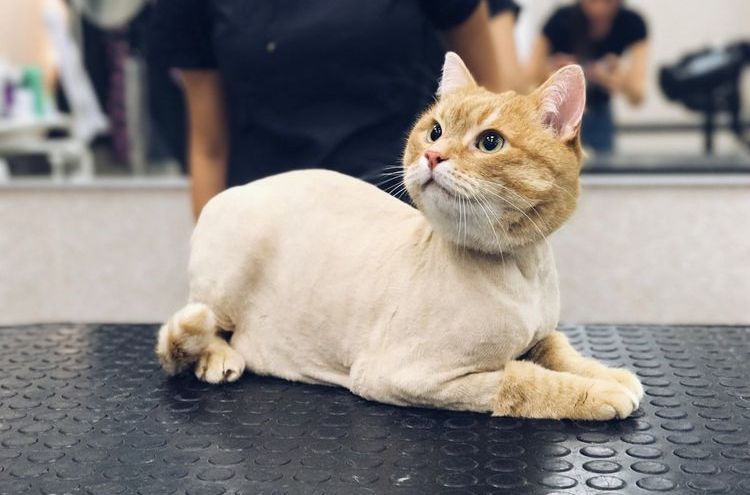
Arguments against haircuts
Cats don't need trimming: their fur serves as a protective barrier, regulating body temperature by creating an air cushion between the skin and the surrounding environment. Cats groom themselves by washing themselves, thoroughly licking themselves and their companions, and scratching themselves with their claws. If an owner feels their cat is suffering from the summer heat, it's best to provide a cool place for them—a bathroom, a shady spot, or an air conditioner—and provide plenty of water sources throughout the apartment.
Veterinarians also cite the following reasons why it is not advisable to shave a cat:
- the trimming procedure is a strong stress, which can lead to a decrease in the body's defenses;
- Frequent haircuts will thin the coat and cause tangles to form more often;
- the animal's skin loses elasticity, becomes drier, and this often causes scratching due to itching;
- Constant haircuts can change the color and structure of the coat.
Experts strongly advise against shaving semi-longhaired cat breeds such as Burmese, Maine Coons, Norwegian Forest Cats, Ragdolls, Siberians, and Turkish Angoras. Their fur has a unique structure: it's double-layered, with different lengths of topcoat and undercoat on different parts of the body. A hairless animal can easily become overheated or hypothermic.
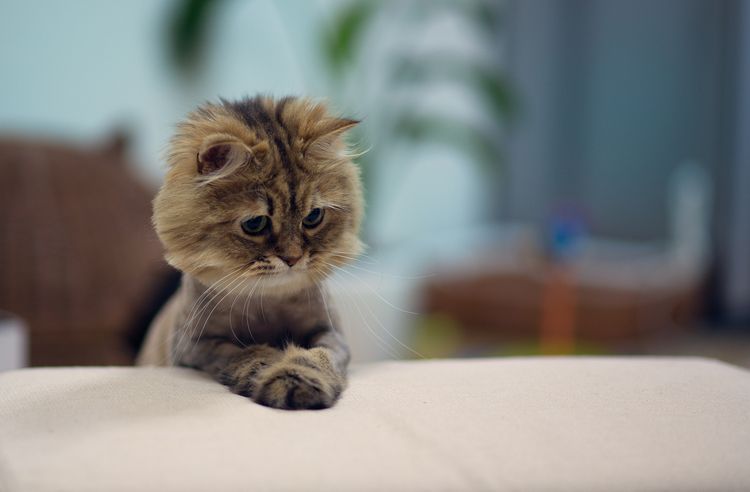
When does a cat need trimming?
A cat's haircut is necessary when:
- The presence of numerous mats. Sometimes, brushing a cat's fur becomes impossible, and in places, the fur becomes matted. Matted fur behind the ears, on the neck, on the upper legs, or on the tail not only looks unsightly but also causes discomfort. Mats, by tightening the skin, impair blood flow and cause itching. Naturally clean cats try to remove them, and while chewing, they can swallow hair, which can clog the digestive tract or cause vomiting.
- A dermatological condition characterized by the formation of weeping ulcers on the skin. Due to the thick fur, the affected areas are difficult to treat with medications and will not receive adequate ventilation.
- Prolonged molting caused by various reasons.
- Someone in the family is allergic to cat hair. However, this method of removing hair from the house is unlikely to be effective. After trimming your pet, the amount of hair will only decrease in weight due to the shorter hairs. However, for someone with a sensitization (increased sensitivity) to cat hair, this is enough to cause an allergic reaction.
- Some cats are physically unable to groom themselves, primarily due to old age. Their coats, soiled and constantly matted, look unkempt and require occasional trimming.
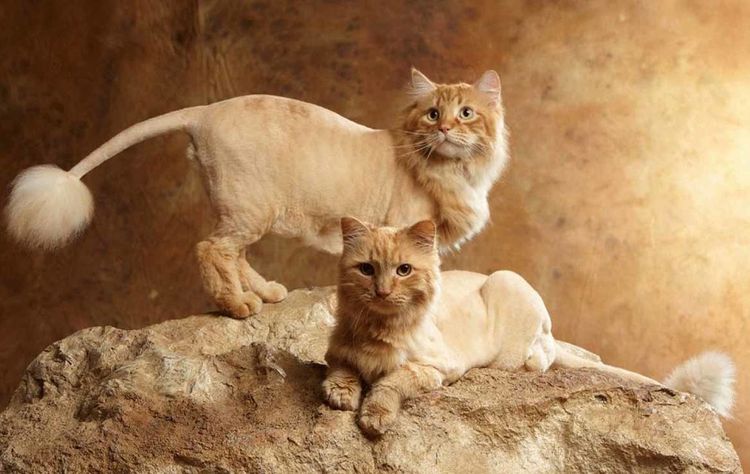
Types of cat haircuts
A hygienic trim should be performed no more than twice a year to avoid damaging the coat and skin. If your cat is going to be exhibiting, its last trim should be performed no later than six months before the event. Trimming is usually done with clippers, leaving the hair approximately 3 mm long. After this procedure, the animal's skin becomes "plush" to the touch. It is not recommended to trim your cat yourself; it is better to consult a professional at a pet salon: high-quality trimming requires specialized tools—various types of hairdressing and thinning scissors, clippers, and a set of combs. Also, learn more on our website about Can you trim a cat's whiskers?.
Don't shave cats completely bald! This disrupts heat exchange and can cause skin irritation. When trimming a cat, at least a small amount of fur must remain to protect it from sun rays and cold.
Sometimes, cats are groomed for aesthetic reasons. There are several variations of the cat grooming style, but here are the most popular:
- "Puma" is a short-cropped body and a head in the form of a lion's mane.
- "Dragon" is a decorative haircut in which various figures and symbols are cut out on the body.
- "Knee-highs" - the hair is removed only on the upper part of the paws.
When performing any form of grooming, there are certain rules:
- To avoid damaging the whiskers and hair in the ears, the hair on the head, muzzle and in the ear canal is not trimmed.
- "socks" are left on the lower part of the paws;
- do not touch the fur on the front paws below the elbow bend and on the hind paws below the jumping joint;
- leave the hair at the end of the tail (there should be a section of at least 3 cm in length left uncut).
When deciding whether to shave your cat, remember that the main goal is to ensure their comfort. With a well-balanced diet containing vitamins and minerals and proper grooming, there will likely be no need to shave. A well-groomed cat's coat always looks thick, shiny, and clean.
Is it harmful to cut cats' hair? video
Read also:


1 comment
tashaniko1970
It is not recommended to trim cats regularly, but in some cases, trimming your cat's hair is necessary for its health.
Add a comment