
Can you trim a dog's whiskers?
Many dog owners wonder whether it's okay to trim their pet's whiskers. It all depends on the breed and the individual dog. Some scientists categorically advise against shaving a dog's whiskers, but in practice, it turns out that this procedure not only doesn't harm the animal but actually makes its life easier.
Content
Why does a dog have whiskers?
To be precise, dogs don't have whiskers, but vibrissae. This is a special type of hair that appears on puppies' noses, chins, lower jaws, and around the eyes. Nerve endings connected to specific areas of the brain connect to the roots of the whiskers. Essentially, whiskers act as antennae, helping the animal navigate. This is easily demonstrated: if you touch the whiskers, the dog will begin to close its eyes and turn its head away.
Vibrissae allow dogs to "feel" objects around them. For example, a person's fingers touching their whiskers are perceived by the animal as an obstacle to avoid. This type of orientation is characteristic not only of dogs but also of cats and other whiskered animals. The most sensitive vibrissae are located on the muzzle, although in breeds with wolf-like fur, they can be found on other parts of the body.

To cut or not to cut
The debate over whether a dog's whiskers should be trimmed is a regular occurrence. This topic is especially relevant in the lead-up to dog shows, as many events require a neat appearance. However, dog handlers and experts consider whisker trimming to be as old-fashioned as ear and tail dockingEverything also depends on the overall grooming and breed of the animal. If you decide to trim a mongrel's whiskers, you'll likely harm your pet. However, trimming the whiskers of a dog bred for indoor living won't cause any harm.
However, there are strict restrictions. Whiskers are not trimmed on puppies until they are two months old. This is due to the immaturity of their nervous system. While the dog may retain its sense of direction and continue to rely on its sense of smell as a supplementary sensory organ to its whiskers, it will eventually be deprived of this important sense given to it by nature. A rare anomaly is when whiskers fall out on their own. If it's just one or two hairs, it's nothing to worry about, but if whiskers are falling out in large numbers, it's a sign that it's time to consult a veterinarian. Regularly trimming a dog's whiskers will cause new hairs to grow in their place, but if they fall out, the animal may permanently lose its vital sense of touch.

Which breeds can have their mustaches trimmed?
It's becoming increasingly common to hear that the ban on whisker trimming is a misconception. There are a number of breeds for which it's absolutely necessary.
- Cocker Spaniel. This is a dog whose hair grows evenly all over its body. Periodically, and this isn't related to show business, a Cocker needs its forelock and sideburns trimmed. The whiskers are also removed along with them. Firstly, it's very difficult to leave them, and secondly, on a well-groomed face, whiskers look too long, like a cat's. Trimming also acts as a massage for this breed.
- PoodleAnother breed that looks odd with whiskers. No matter what hairstyle you choose for your pet, the animal's muzzle will always be neatly trimmed. The Poodle is a domestic dog, so it can easily do without whiskers for some time.
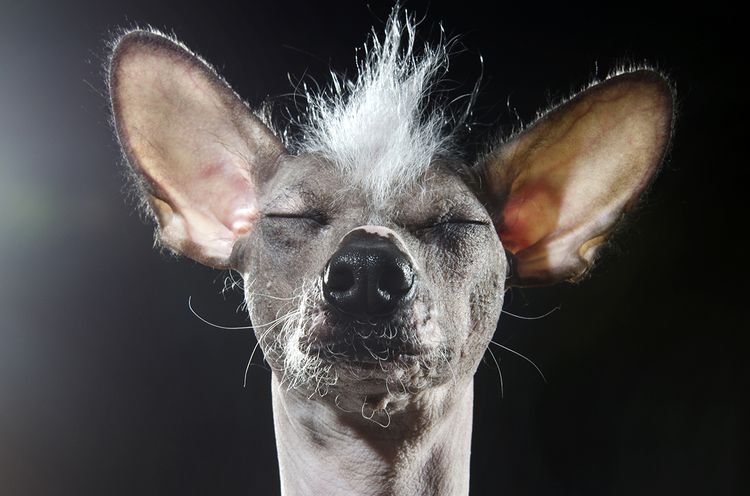
- Chinese CrestedThis is a breed that requires regular trimming. Along with excess hair, whiskers are also removed, not just whiskers but also other hairs that act as a sensory organ. This does not cause discomfort to the dog. It is believed that the Chinese Crested, like the Poodle, has developed subcutaneous whiskers, so trimming does not affect the hair follicles.
- RetrieverThey really do need their whiskers trimmed before shows. Without whiskers, the outline of the muzzle changes dramatically. At shows in England and France, this is mandatory, but in other European countries, it's the opposite.
- Shar Pei and mastiffs. Their wrinkled muzzles would benefit from a whisker-free appearance. These breeds are subject to the same show standards as retrievers. The only restriction is that the whiskers must be trimmed, not plucked, to prevent inflammation at the hair follicle site in the wrinkled muzzle.
Do dogs grow whiskers?
Shortened whiskers grow back, but it takes time. The rate of growth depends on the pet's breed and health. On average, it takes 3-4 weeks, but it's unknown whether the previous sensitivity will return. Therefore, it's worth observing your pet after accidentally trimmed hairs have grown back.
If a dog's whiskers don't regrow, the hair follicle may be damaged. This can happen, for example, after a fight or a poor haircut. Other causes include health issues, stress, and poor nutrition. Therefore, in such cases, it's best to consult a veterinarian to ensure everything is alright.
Why might a mustache fall out or break?
The mustache, like any tissue in the body, periodically renews itself. Normally, this happens almost unnoticeably: hairs fall out one by one, but then grow back. And the remaining hairs always outnumber those that fall out or are broken off.
But if your pet is losing whiskers excessively and the hairs become brittle, this may indicate the following health problems or improper care:
- Inappropriate living conditions. For example, excessively dry indoor air or extreme heat. This can have a detrimental effect on the hair structure.
- Incorrect feeding. This causes the animal's body to experience a nutrient deficiency, causing hair loss or breakage.
- Dehydration. Dogs need to drink plenty of high-quality water. Failure to do so disrupts metabolism and cellular oxygen supply.
- Frequent bathing. Chlorinated, hard water and inappropriate cosmetics can have a negative effect on whiskers. Sometimes, reducing the number of baths is enough to restore normalcy.
- Hormonal changes. These are typical during periods of heat, pregnancy, and nursing. It's important to ensure your pet isn't sick, as dogs are also susceptible to endocrine problems.
In general, all of these disorders will be reflected, among other things, in the main coat, so it will most likely not be difficult for the owner to notice the changes.
Read also:
- Can a cat or a female cat have their whiskers trimmed?
- What kind of nose should a healthy dog have?
- What type of dog are they?


Add a comment