
Can dogs eat raw meat?
When choosing the right diet for their pet, owners often wonder whether it's safe to feed dogs raw meat and whether undercooked pork or beef will harm their puppies. Let's take a closer look at this issue.
Content
Types of diets
Typically, every owner faces a difficult choice. Veterinarians identify three main options for dogs:
- prepared feeds (dry or soft, which can also be medicinal);
- balanced natural nutrition (not food from the hosts’ table! but thermally processed cereals, meat, and offal in the correct proportions);
- raw food diet (imitation of the food that the ancestors of domestic dogs ate).
You can read more about popular, high-quality, premium, super-premium, and holistic ready-to-eat foods, as well as natural feeding, in other materials on our website. This article will discuss whether it's safe to feed your dog raw meat, how to properly organize such a diet, and the potential dangers of a raw food diet.
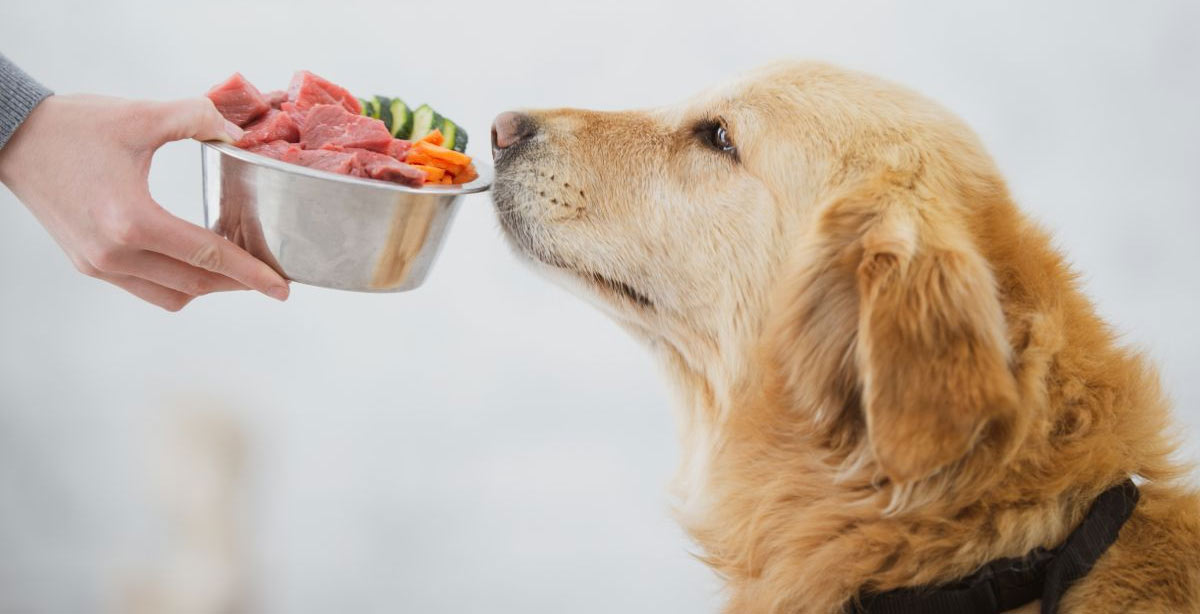
Raw food diet
The concept of "ancestral nutrition" is based on the fact that the diet of wolves, the direct ancestors of all species of domestic dogs, was based on raw muscle meat, internal organs, and bones of various species of birds and mammals.
The philosophy behind this approach to nutrition is that dogs not only can, but should, be fed raw meat daily. Among the key benefits of this diet are:
- maximum preservation of nutrients in thermally untreated fibers (primarily proteins);
- more effective satisfaction of hunger with less meat;
- the optimal operating mode of the animal's gastrointestinal tract, adapted to digesting this particular type of food.
Naturally, a raw food diet has its drawbacks, which shouldn't be ignored. First and foremost, there's the risk of infection with a wide range of helminths if the diet isn't properly formulated or if poor-quality meat is purchased. It's also possible that your dog won't eat raw meat or is allergic to certain types of it.
Types of raw food diets
It's worth noting that breeders today practice several "raw" diets, each with its own characteristics.
RAW Diet
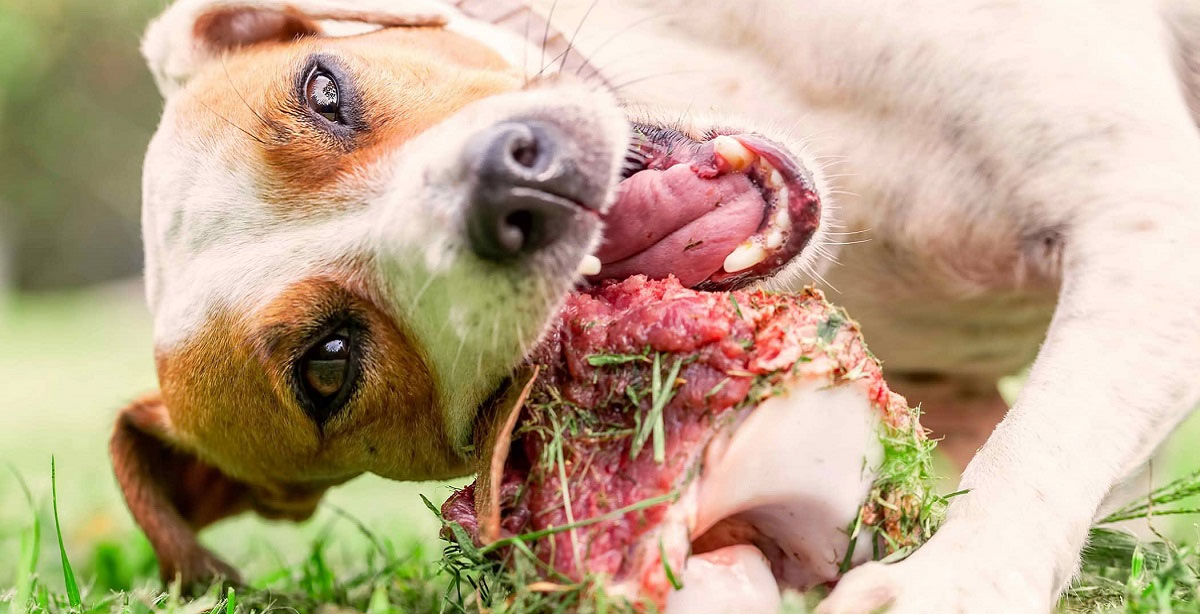
The RAW (prey model) involves feeding prey whole or in large pieces, simulating a hunt. This model is suitable for dogs kept in kennels, as well as those actually participating in hunts. The animal's diet in this case should include:
- muscle meat 80-85%;
- offal 10% (including raw liver at least 3%);
- edible meat bones 10-15%.
Meat is replaced approximately 1-2 times a week fresh sea fishIf your pet doesn't like fish, add fish oil to their diet.
It's worth noting that eggs, dairy products, fruits, or vegetables are not offered to the dog, as in nature, dogs can eat only raw meat and offal for quite a long time, receiving everything their body needs from this type of food.
BARF Diet
Proponents of the BARF (bones and raw food) diet believe that dogs are naturally omnivorous, and while meat is a staple in their diet, it cannot replace the benefits of unprocessed fruits, vegetables, and dairy products.
The menu in the BARF system should include:
- meat 70% (including 10-15% offal);
- fresh vegetables and fruits 10%;
- fermented milk products and eggs 10%.
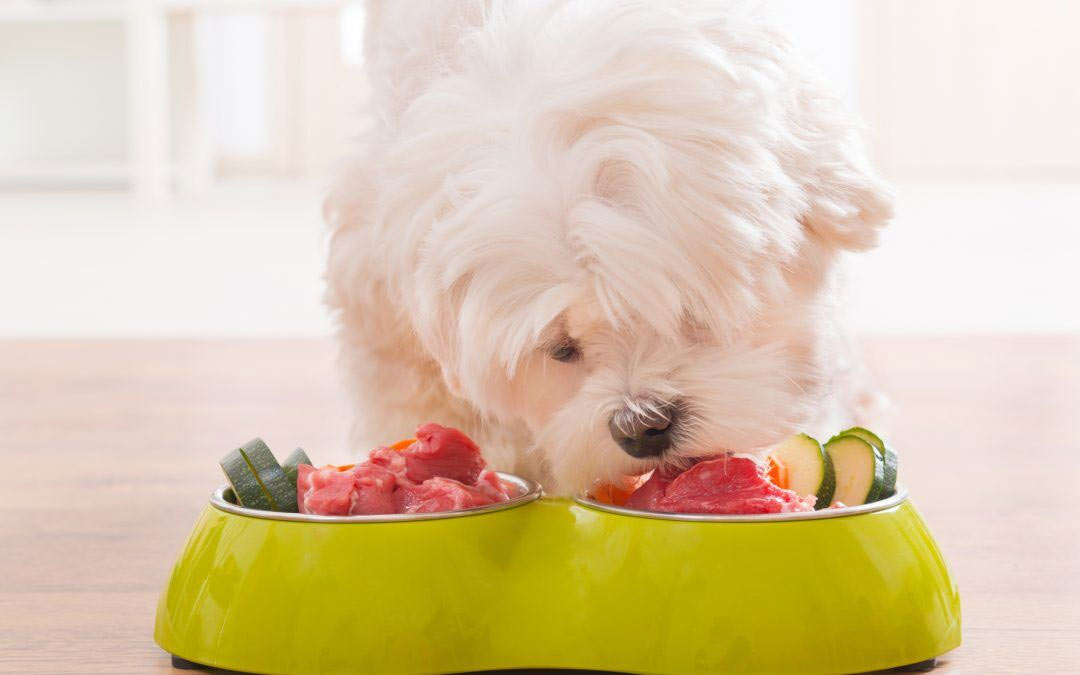
This diet also includes the use of natural supplements such as fish oil, cereal seeds, vegetable oil, and seaweed.
What kind of meat can a dog eat?
So, we've answered the main question: "Can dogs eat raw meat?" Raw meat is allowed under the following conditions:
- purchasing from trusted suppliers;
- availability of sanitary documents confirming safety;
- Natural feeding of meat animals (poultry or fish) without antibiotics, hormonal drugs and other modern additives, which can often significantly undermine the dog's health.
Most often, new dog owners ask their veterinarian about what raw meat is safe to feed their dogs. Experienced dog owners know that not all meat is equally healthy and safe, especially when eaten raw.
Beef
Beef is considered the best choice for a raw diet. If you've asked your veterinarian whether it's safe to feed your dog raw meat, they've likely recommended beef as a starting point.
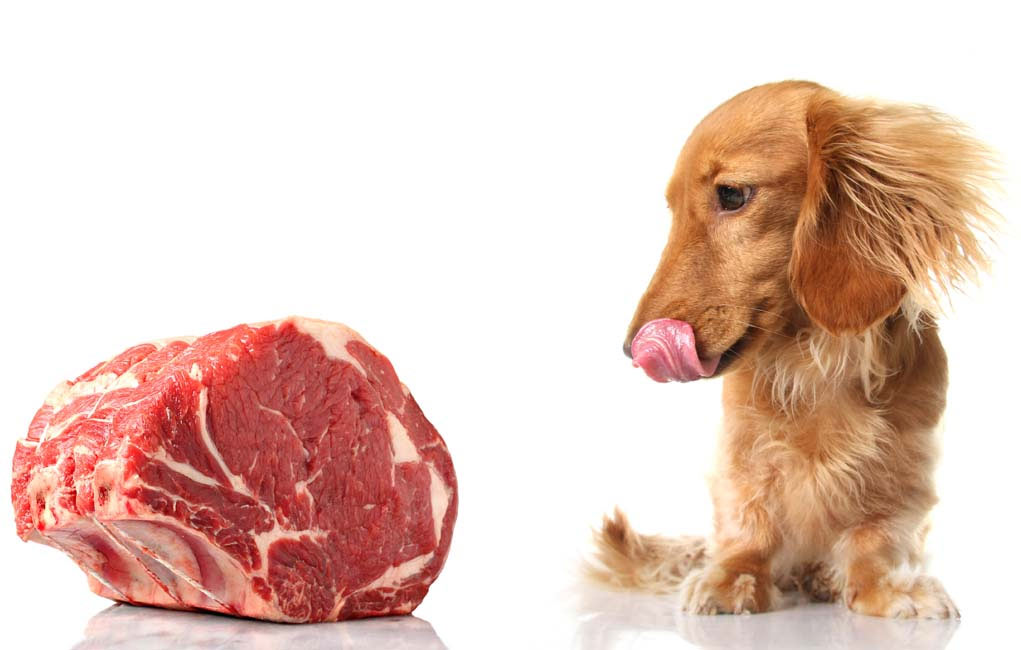
The advantages of this type are undeniable:
- absence of helminths that are dangerous for dogs (unlike pork or wild animal meat);
- moderate fat content;
- hypoallergenic;
- excellent digestibility.
It is believed that raw beef can be introduced into the diet of not only adult animals of all breeds, but also puppies from an early age.
Pork
Often owners do not ask themselves the question, Can dogs eat pork?, after all, raw beef is often touted as an optimal source of protein. But unlike healthy beef, raw pork carries a number of dangers, including:
- helminthiasis;
- obesity;
- constipation;
- inflammation of the pancreas.
Pork can be fed to healthy, strong dogs that get enough exercise. It is not recommended for puppies, or for dogs weakened by illness or in older dogs.
Pork must be deep-frozen before being consumed raw. To kill any potential helminth eggs, a piece of pork no more than 6 inches thick must be kept in a freezer at -15°C (14°F) for at least 20 days. It's also worth noting that some tapeworm larvae only die at -35°C (-22°F).
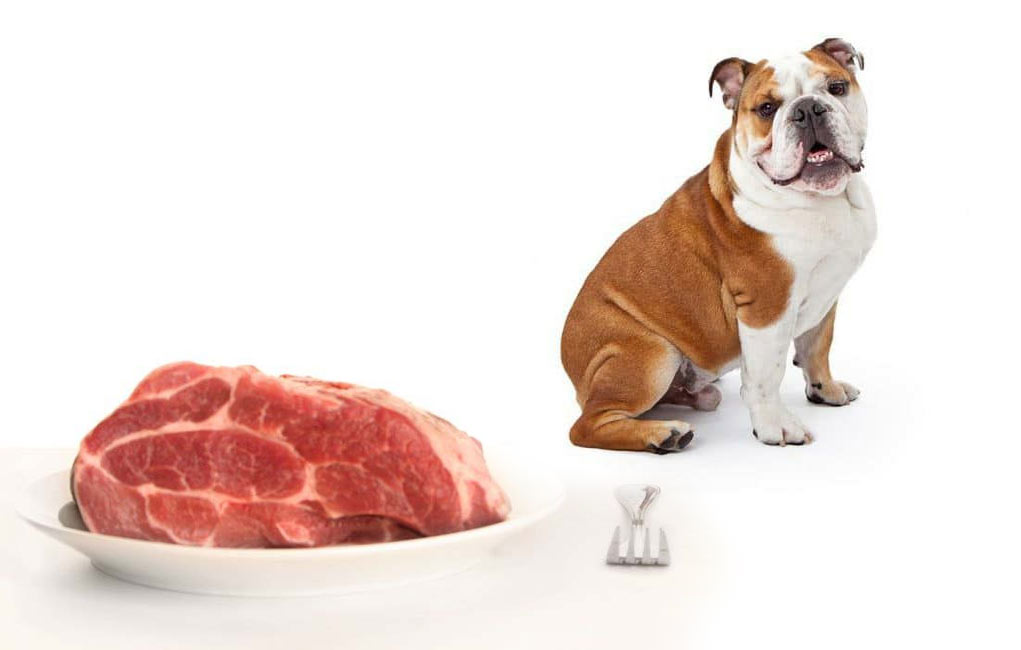
Important! Thawed meat cannot be re-frozen and must be fed to your dog within 24 hours. Therefore, pork should be frozen in portions.
Rabbit
A dietary meat, ideal for those with sensitive digestion. It's also often suitable for dogs with chicken allergies.
However, rabbit meat can also trigger allergies, so it is best to introduce this meat into your diet with caution, starting with small amounts.
Chicken
Although chicken is a key component of the human diet, feeding your dog raw store-bought chicken is highly discouraged. The main concern is the high levels of antibiotics and hormones used in chicken farming.
Moreover, chicken meat is recognized as the most allergenic of the entire line presented in this material.
Duck
Duck meat is generally not used as a main ingredient in raw food recipes. It is recommended to either deep-freeze it or subject it to long-term deep freezing due to the high risk of helminth infection.
Industrially produced meat also faces the same problems as chicken, such as high levels of antibiotics and hormones.
Game
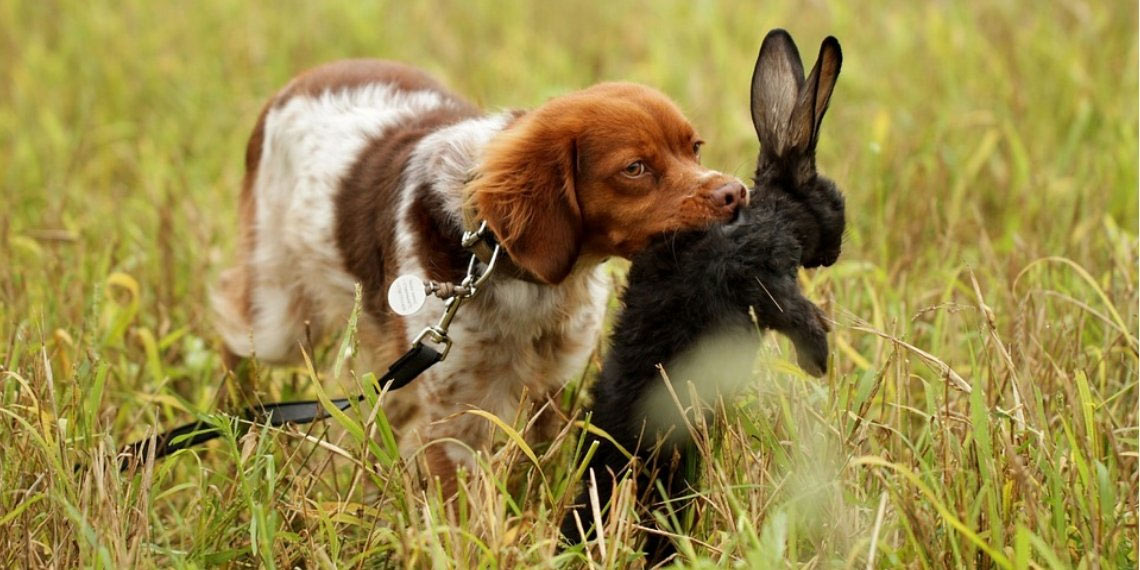
Feeding wild game meat to dogs is highly discouraged, as statistics show it contains very high levels of helminth eggs of various species. Many parasites found in wild animals are resistant even to deep freezing.
Veterinarians' opinion
Raw diets have been rapidly gaining popularity recently, although the percentage of veterinarians who oppose them remains quite high. Opponents of feeding dogs raw meat point out that it's extremely difficult to ensure the pet's safety, as it's often impossible to trace the origin of meat purchased at the market, and even having all the necessary certifications doesn't guarantee the absence of harmful ingredients.
Read also:


Add a comment