
Can dogs have salt added to their food?
When formulating a proper pet diet, many new owners wonder whether it's okay to add salt to their dog's food, or whether salt is even necessary. To answer this question, let's weigh the benefits and risks of this product and learn what recommendations experienced breeders and veterinarians offer.
Content
Is salt necessary in the diet?
Chemically, the table salt we all know is made up of sodium chloride crystals. For centuries, people have used this additive in cooking because it acts as a preservative (it inhibits bacterial growth) and a flavor enhancer (salting food makes it taste more intense).
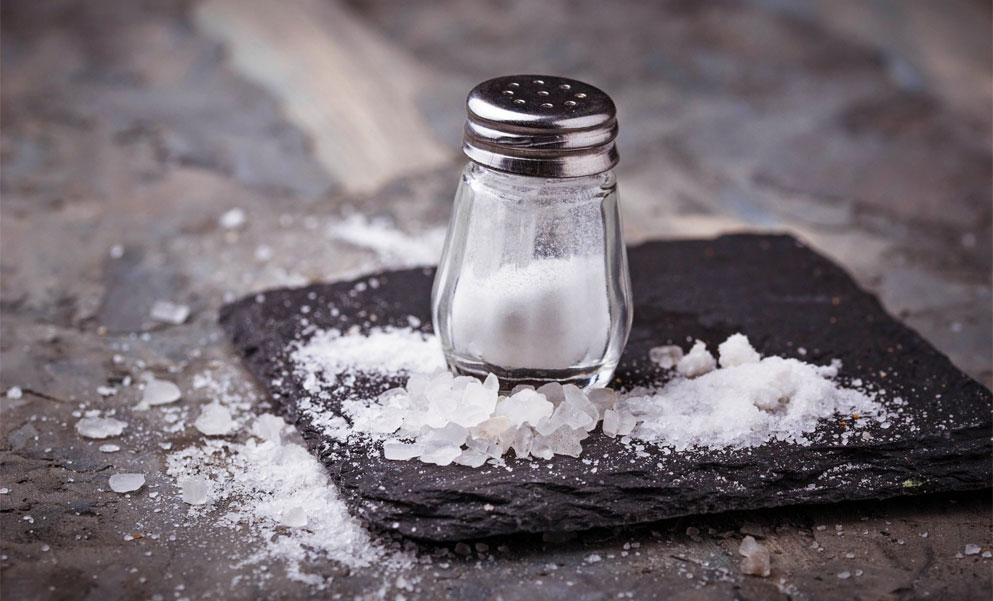
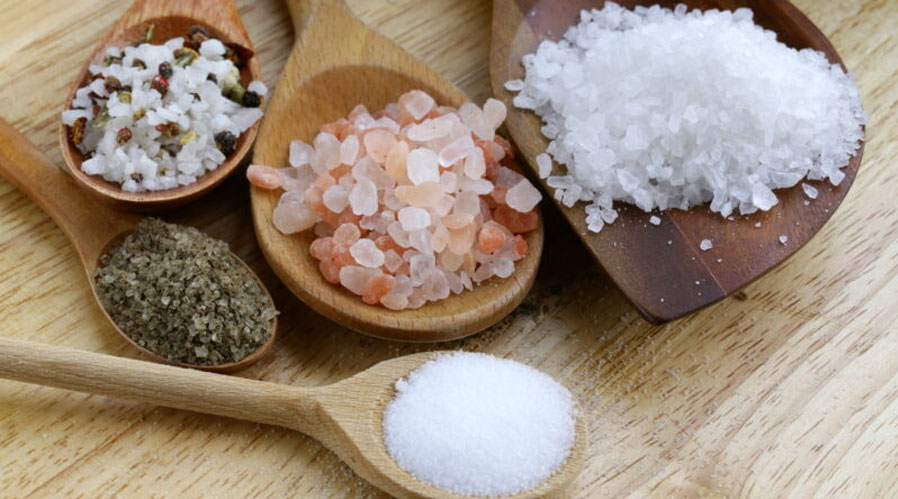
Today, there is a wide selection of salt available on store shelves:
- sea (produced from sea water, richest in a variety of useful microelements);
- stone (mined in mines, consists mainly of sodium and chlorine);
- verified (crushed and bleached rock salt);
- iodized (contains iodine, therefore contraindicated in case of thyroid dysfunction);
- black (unrefined, containing, in addition to the main components, also iron and sulfur).
Sea salt is considered the most beneficial, as this product contains not only sodium and chlorine, but also microelements beneficial for animals and humans, such as potassium, calcium, phosphorus, magnesium, zinc, iodine, etc.
Scientists have proven that the main components of salt (sodium and chlorine) are essential for maintaining many functions of the body, namely:
- maintaining electrolyte balance;
- regulation of the nervous system;
- ensuring the functioning of muscles (including the heart);
- normalization of blood pressure;
- inhibition of the development of opportunistic gastrointestinal flora.
That's why the answer to the question of whether dogs need salt is clear: yes, salt is essential for normal development and the maintenance of certain organs and systems. However, an excess of salt in the body, which can occur with uncontrolled consumption, can lead to sodium excess, which manifests as drowsiness, muscle cramps, and constant thirst.
Interesting fact! Just 1 gram of sodium can retain up to 200 ml of water in tissues.
Regularly consuming large amounts of salt can result in edema (fluid retention in tissues) and high blood pressure (due to vascular constriction and cardiovascular dysfunction). These problems are common to both humans and dogs, but the salt dose required to trigger them varies significantly.
For humans, the daily requirement for salt consumption is 1 gram (in reality, we eat about 4 grams of salt per day), but for dogs, a single dose of table salt at a rate of 4 grams per 1 kg of weight can be fatal!
Should you add salt to your dog's food?
Yes, salt and the components it contains are essential for animals at all stages of life, but this does not mean that this product should be used in preparing dog food, as in preparing human food.
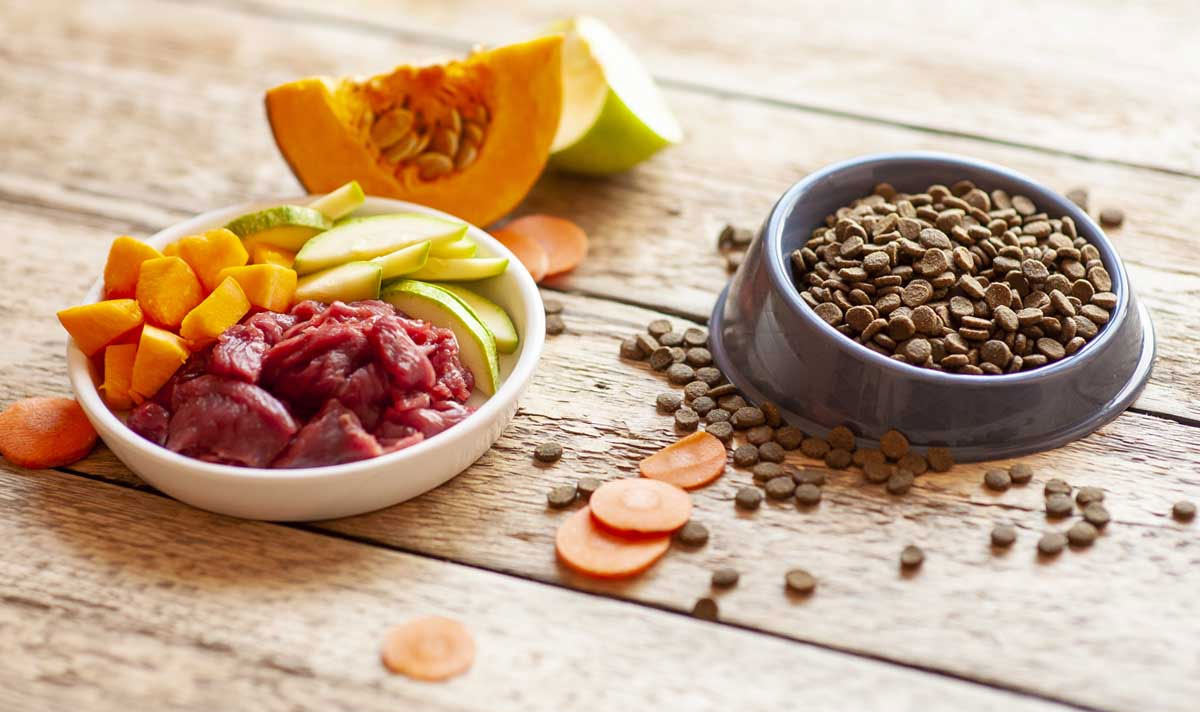
Important! The question of whether salt can be added to dog food is only relevant for owners who prepare their pets' natural food daily, consisting of cereal, meat, and vegetables. Dogs fed commercially prepared food do not require any additional nutritional supplements.
Once you've determined whether salt is safe for dogs, it's important to understand that this product is only beneficial in strictly limited quantities. The amount of salt a dog can eat depends on its size:
|
Size |
daily intake per 1 kg of weight (no more) |
|
small breed dogs |
0.15 g |
|
medium-sized dogs |
0.5-1 g |
|
large breed dogs |
1-1.5 g |
It's important to remember that animals can get some of their essential micronutrients from other foods, so adding salt to the food of miniature and small breed dogs every day isn't recommended. However, shepherds and mastiffs on natural food can be given a little extra salt.
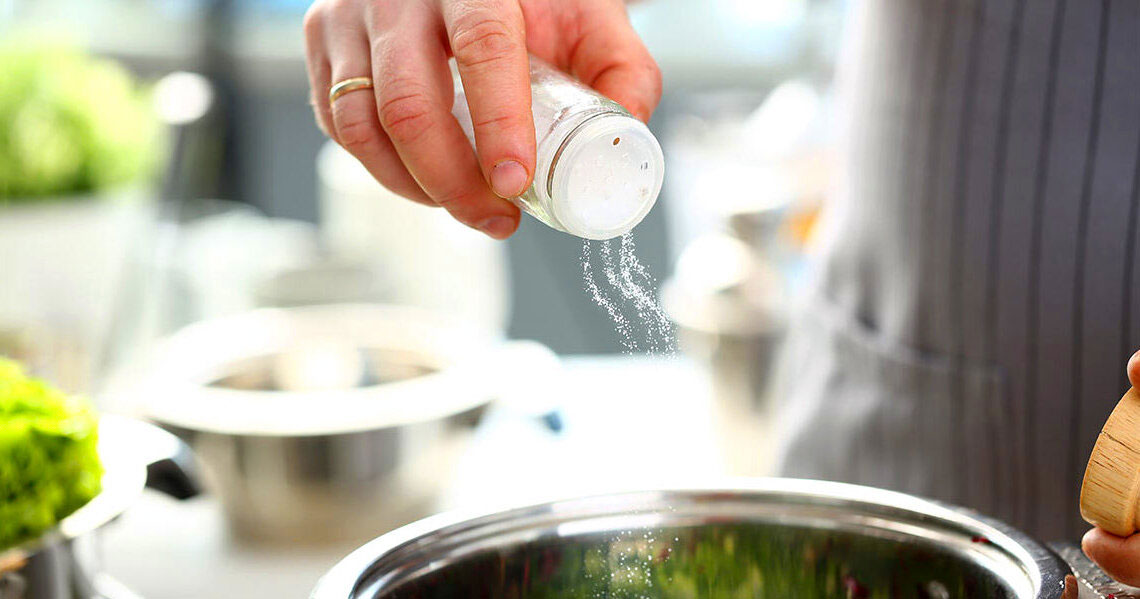
It's best to use sea salt and add it to porridge or meat when cooking. Avoid adding salt to cooked food, as this increases the risk of exceeding the recommended dosage and increasing the adverse effects on the stomach due to the animal ingesting large, undissolved salt crystals.
It is not recommended to use the following types of salt when cooking dog food: iodized, extra, as well as various colored and special types of this product that can be found in stores today.
It's also important to remember that dogs shouldn't be given very salty foods. Foods that can be dangerous for your pet include:
- canned fish and meat prepared for people;
- salted fish;
- salted and marinated meat;
- canned vegetables;
- sausages.
Salt poisoning in dogs
Consuming salt in amounts significantly exceeding the maximum daily intake indicated in the table can cause acute poisoning with the following symptoms:
- vomiting and diarrhea;
- intense thirst;
- redness of the mucous membranes;
- sweetness (drowsiness);
- impaired coordination of movements;
- increased heart rate;
- there may be an increase in temperature.

If you know your dog has accidentally ingested a dangerous amount of salt or a salty food product, you should take them to the veterinarian as soon as possible. In such cases, treatment involves gastric lavage (effective immediately after ingestion) and symptomatic therapy aimed at alleviating the negative effects on various organs and systems.
When salt is strictly contraindicated
You should not add salt when cooking natural foods for dogs that suffer from:
- renal failure and other kidney diseases;
- heart failure and other heart diseases;
- obesity;
- diabetes mellitus;
- hepatitis;
- gastritis;
- cholecystitis.
In animals with chronic diseases, salt can cause a sharp deterioration in condition.
What's your opinion on salt in dogs' diets? Do you add salt to your pet's food? We invite you to share your opinions and personal experiences on this issue in the comments.
Read also:
- Can you mix wet and dry dog food?
- What kind of cereals can be given to dogs?
- What kind of fish can you give to a dog?


Add a comment