
Can dogs have barley?
Rarely does a dog's diet consist solely of dry food or store-bought canned food. Vegetables, raw meat, and grains are often added to the diet. This raises the question: can dogs eat barley, and in what quantities? And is a dog's stomach capable of digesting cereals as well as a human's?
Content
What is pearl barley and what are its benefits?
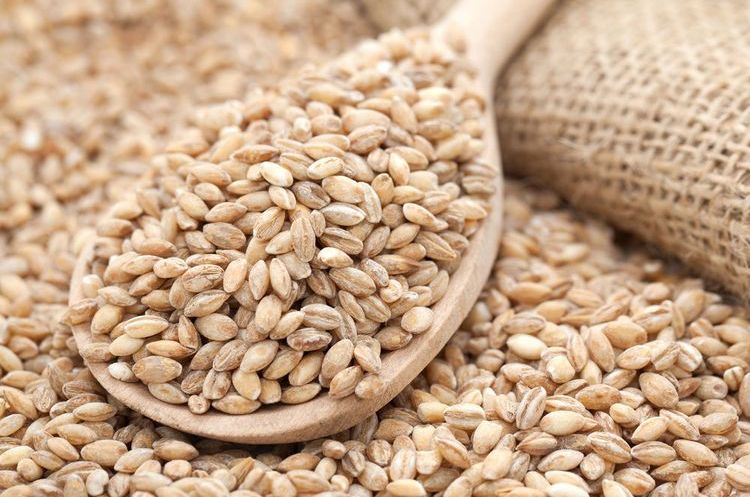
Pearl barley is a direct relative of barley. The grains are processed by polishing, and if you look closely, you'll notice a resemblance to pearls. Hence the name, which sounds similar to the English word "pearl." Beneficial properties:
- High in calories, it helps fill you up quickly. When cooked, the grain expands fivefold in size, so you can save a lot on it.
- It contains a wealth of proteins, vitamins, macro- and microelements. It also contains magnesium, iron, potassium, and phosphorus. This powerful combination helps strengthen the immune system, increase muscle mass, and give your dog plenty of energy.
- A rich source of fiber. Improves digestion when consumed in the right doses.
- It has a mucilaginous texture, making it a good remedy for diarrhea. It's difficult for the stomach to digest, forcing it to work harder. Because of this, some experts recommend including pearl barley in animals' diets.
Read on our website about What kind of porridge can be given to dogs? on our website.
Possible reactions
Because pearl barley is difficult to digest, not all dogs are able to digest it quickly and properly. This can lead to intestinal problems:
- Diarrhea. The stomachs of some breeds of dogs are unable to digest barley porridge, resulting in the dog defecating whole grains—exactly as they were ingested. This often occurs uncontrollably right next to the food bowl.
- Allergies. Signs include itching, pink and pinkish-red spots on the skin, watery eyes, and hair loss. In rare cases, ear infections and other seemingly unrelated illnesses may also develop.
- Constipation. This can be a negative reaction, especially if you feed your pet barley frequently and in large quantities. Large breed dogs, which are naturally prone to intestinal volvulus, are most susceptible to constipation.
- Partial or complete refusal to eat. Unprocessed porridge creates a false feeling of fullness, resulting in loss of appetite. Regularly feeding pearl barley to dogs can lead to obesity, especially in older or sedentary animals.

Rules for eating pearl barley
It's best to alternate pearl barley with other, more easily digestible grains, such as buckwheat, oatmeal, or rice. Eating pearl barley once or twice a week is sufficient. Ideally, it should make up 1/3 of your daily diet, preferably mixed with vegetables or meat.
Important: Even if your dog eats pearl barley with pleasure, you need to carefully monitor the portion size, calculating it based on the animal’s weight.
For better digestibility, it is recommended to cook the cereal in beef broth.
Recipe:
- Make a broth using beef bones. Strain the liquid to remove any small bones or spices.
- Rinse the pearl barley and pour broth over it, covering the level of the grain by two fingers.
- Once boiling, reduce heat, cover, add a little salt, and simmer until fully cooked. Average cooking time is 2 hours. Add more boiled-over water as needed.
- 5-10 minutes before it’s ready, add the already cooked vegetables and meat to the pan so they warm up and mix with the porridge.
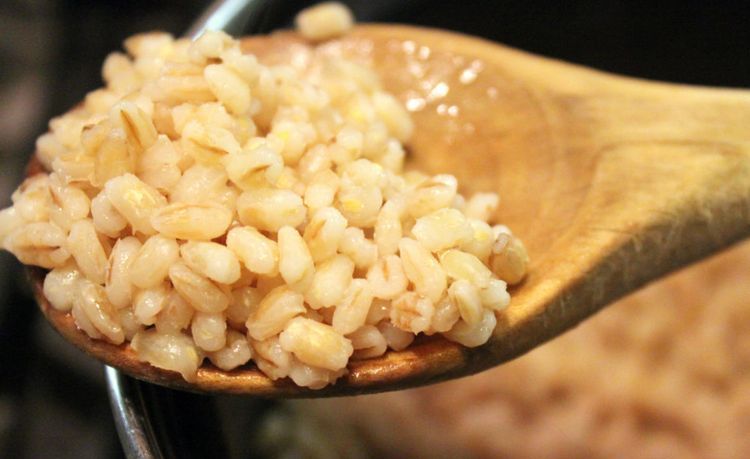
Important: To speed up the cooking time, soak the porridge in water first. The recommended proportions are 1 cup of barley per 1 liter of cold water. It's best to let the "solution" sit overnight or for 5-6 hours. Well-swollen and softened barley will cook in about 30 minutes.
Puppies and nursing bitches - feeding features
Large-breed puppies can safely be fed pearl barley porridge, preferably cooked in milk. It will quickly fill their growing bodies, but it should be introduced into the diet no more than 1-2 times a week. It is also not recommended to feed pearl barley to puppies under 6 months of age.
Pregnant and nursing dogs can be fed small portions of barley, as its protein serves as the body's primary building block. Since barley can promote weight gain, it should be fed in limited quantities to overweight animals.
According to statistics, miniature breed dogs have the most sensitive stomachs to pearl barley (Yorkshire Terriers, Chihuahua, toy terriers), and also German ShepherdsOtherwise, there are no specific restrictions on the consumption of this porridge.
Read also:
- What cereals can and cannot be given to dogs?
- What vegetables and fruits can you give to a dog?
- Can dogs drink milk?


Add a comment