
Can dogs eat nuts and which ones?
Many people who have recently become pet owners wonder whether it's safe to feed dogs nuts, as well as which types are safe and beneficial for their pets, and which ones can cause digestive problems or lead to other undesirable consequences.
Content
Are nuts good for dogs?
Nuts are an essential part of a balanced human diet. Many people know that this food is recommended for children, so they mistakenly assume that they are also beneficial for dogs and cats.
Indeed, most nuts contain such useful components as:
- vitamins A, B, C, D, E, PP, K;
- a variety of micro- and macroelements necessary for the normal functioning of organs and systems;
- replaceable and essential amino acids;
- omega fatty acids;
- vegetable proteins.
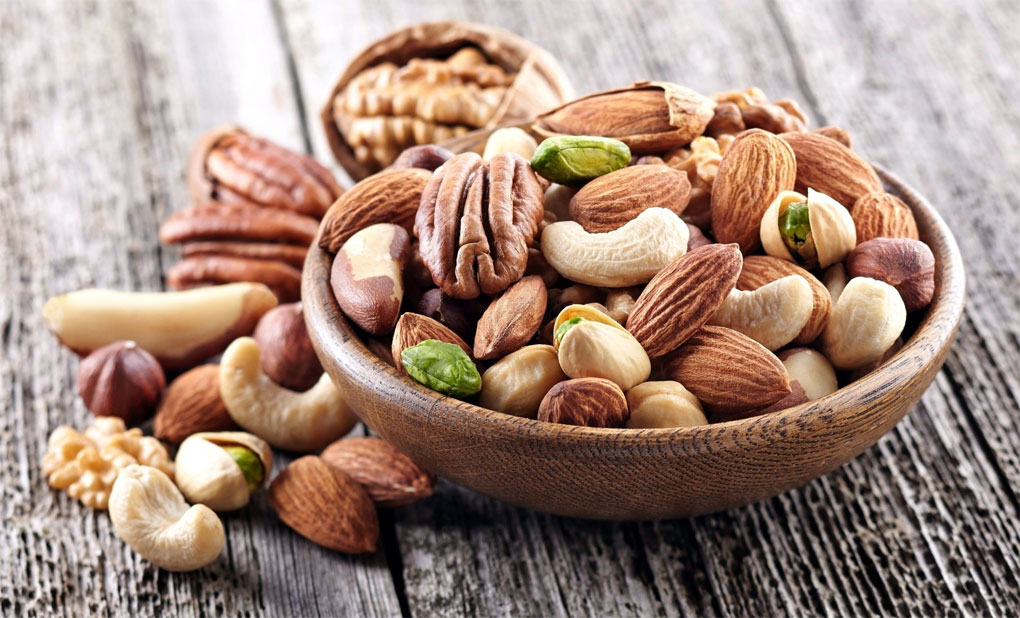
Nuts have a high energy content and are therefore very filling. They contain substances that help strengthen bones and teeth and maintain healthy skin and fur. Nuts have a positive effect on the cardiovascular system, normalize bowel function, and help cleanse the intestines of toxins.
But at the same time, nut kernels contain substances that are mostly harmless to humans, but harmful to the body of members of the canine family.
Why are nuts dangerous for dogs?
Dogs are carnivores, so their gastrointestinal tract is initially better suited to digesting animal proteins and is less able to cope with plant foods.

When your pet eats certain types of nuts, the following may occur:
- injury to the esophagus and intestines from the sharp edges of the nut skin;
- allergic reactions (up to anaphylactic shock);
- indigestion;
- dysfunction of the pancreas and liver (pancreatitis);
- uncontrolled weight gain;
- acute food poisoning if there is mold on the surface of the nuts (microscopic mold fungi produce mycotoxins that can cause liver, kidney, digestive and central nervous system diseases in dogs).
When preparing your pet's diet, it is important to consider that nuts are very high in calories (up to 850 cal/100 g for some species), so their frequent consumption, even in relatively small doses by human standards, can lead to obesity.
What nuts can be given to dogs?
There are several types of nuts that are harmless to a dog's health if eaten not daily and not in handfuls, but a few kernels at a time.
The list of nuts permitted for canines includes:
- Cedar (673 kcal per 100 grams). Relatively easy to digest, rich in nutrients, and toxin-free. Stimulates the hormonal and circulatory systems.
- Brazilian (656 kcal per 100 grams). Rich in selenium, which is essential for maintaining immunity and thyroid function.
- Cashews (553 kcal per 100 grams). Contains a record amount of micronutrients responsible for cardiovascular and muscular health.
- Peanut (552 kcal per 100 grams). Compared to other nuts, it contains less fat but more vegetable protein. It has a positive effect on the endocrine and nervous systems and has a mild choleretic effect.
- Sweet almonds (609 kcal per 100 grams). Thanks to its high content of B vitamins, it has a beneficial effect on bone and coat health.
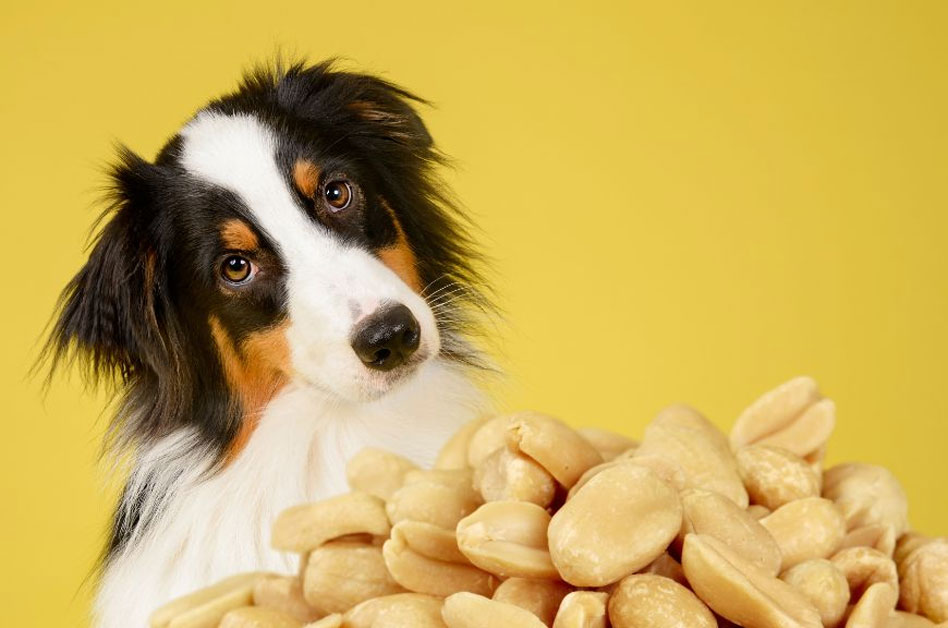
Important! Bitter almonds are contraindicated for dogs—they contain toxic cyanides (hydrocyanic acid salts).
When introducing approved nuts into your pet's diet, follow these basic rules:
- You can offer your pet clean, high-quality nuts from the approved list;
- You should not give fried or salted nuts, as well as various store-bought varieties covered in spices;
- You need to start introducing it into your diet with a minimal amount - 1 nut or even half (during this period, do not introduce any other new products);
- You shouldn't give nuts more than 1-2 times a week.
Dogs digest nuts differently. Often, the deciding factors are not the animal's breed or weight, but rather their individual digestive system, immune system, and age.
Thus, puppies can only be given nuts starting at six months of age, and initially in crushed form. Elderly dogs, pregnant females, and those prone to allergies or those with kidney or liver problems are contraindicated in eating any nuts.
What types of nuts are prohibited?
Please note that many nuts that people love so much are dangerous for dogs and cats!
The list of foods that are prohibited for feeding to dogs includes five representatives of the nut family:
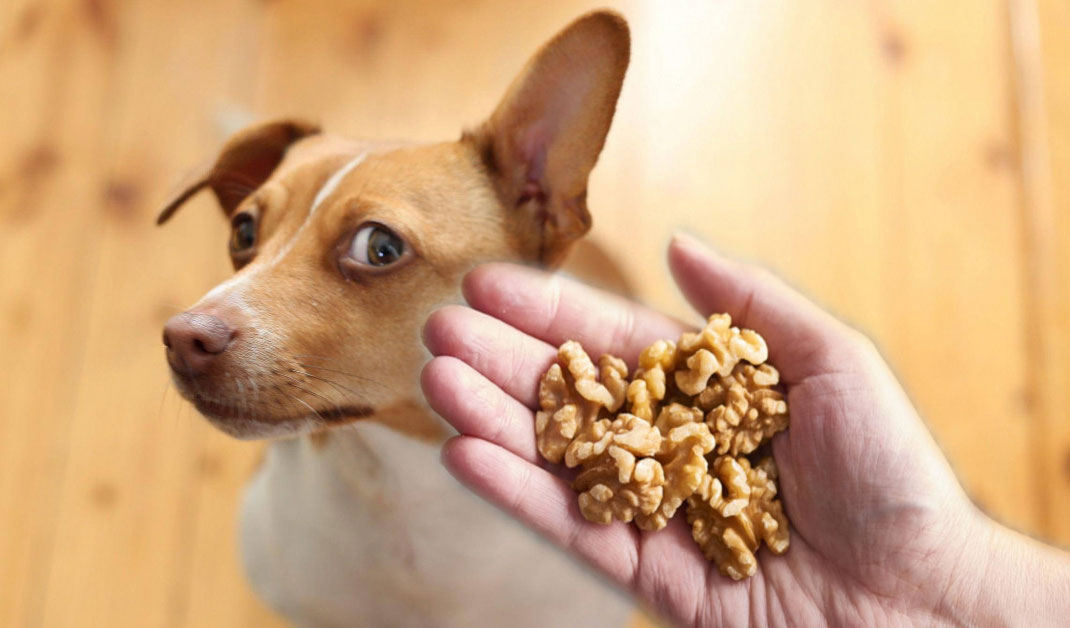
- Walnut. Its fruits are too difficult to digest and often cause indigestion. The high amount of phosphorus in walnuts can cause kidney stones, and the presence of toxic mold on their surface can cause serious central nervous system disorders (tremors, convulsions). Eating a nut with the shell found on the street can result in intestinal obstruction for a dog.
- Macadamia (sormond). This is the second most dangerous nut for dogs. Ingestion of 0.7 grams per kilogram of body weight can cause severe poisoning, characterized by vomiting, fever, and unsteadiness.
- Pistachios. The high fat content creates a risk of developing pancreatic diseases, and mold fungi, which are often found on pistachio kernels (the shells are always slightly open), contain toxins.
- Hazelnut. The main reason why hazelnuts are harmful to dogs is their high iron content; an excess of this microelement can cause the development of urolithiasis (urolithiasis).
- Nutmeg. Nutmeg contains aflatoxins, which destroy liver cells and can cause toxic hepatitis or severe neurological disorders, such as seizures and paralysis.
Frequently asked questions
What to do if a dog ate a forbidden nut?
Typically, symptoms of poisoning or an allergic reaction appear within the first few hours after ingesting the hazardous product. If you're sure your dog ingested just one or two nuts and isn't prone to allergies, there likely won't be any serious consequences. At most, an upset stomach will resolve with the use of sorbents.
If you don't know how many nuts your dog may have ingested or you're sure it's eaten a lot of the dangerous product, you should take your dog to the vet as quickly as possible for emergency treatment (gastric lavage, antihistamines, and monitoring).
How to help a dog with nut poisoning?
If your pet has indigestion after eating a nut, you can alleviate the condition with sorbents (activated carbon, white carbon, enterosgel, etc.).
In this case, the indication for emergency care is:
- acute abdominal pain (may be a symptom of intestinal obstruction);
- severe diarrhea (may lead to dehydration);
- impurities of mucus and blood in the stool (may indicate pancreatitis or an infectious disease, the onset of which simply coincided with eating the nut);
- multiple vomiting (one-time vomiting is allowed to clear the stomach of dangerous contents);
- impaired coordination of movements, convulsions, loss of consciousness;
- the appearance of swelling or other manifestations of an allergic reaction.
Veterinarian's advice
Read also:
- Can dogs eat grapes?
- How many days can a dog live without food?
- What vegetables and fruits can you give to a dog?


Add a comment