
Can dogs drink milk?
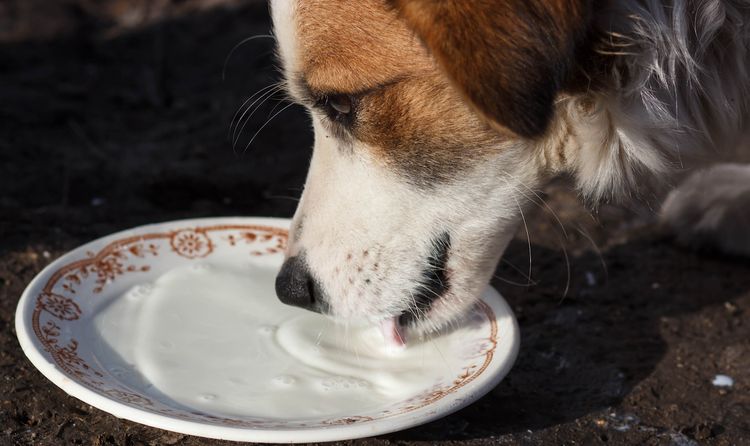
Everyone knows about the healing properties of milk for maintaining human health. This product is a source of valuable micronutrients, as well as the essential building block—protein. But can dogs drink milk, and what nuances should be considered when introducing dairy products into their diet?
Content
Milk in dog nutrition: pros and cons
Animals fed a natural diet require dairy products. Puppies have a particularly acute need for them. The nutritious liquid provides growing animals with a complex of micronutrients that directly contribute to the formation of skeletal and muscular structures. Every owner's goal is to do no harm to their pet. Therefore, when formulating a diet, it's important to consider not only the properties of the product but also the individual needs of the animal.
Opinions differ on whether adult dogs can drink milk. The reason lies in the product's composition. Cow's milk contains a large amount of lactose, a milk sugar. The enzyme lactase is involved in its digestion.
If a puppy's body produces excess lactase, it gradually decreases as the animal develops. The level of this biocatalyst begins to decline when the puppy reaches 3-4 months of age. Therefore, adult dogs often experience intestinal upset when drinking milk.

One of the reasons why dogs cannot drink milk is that this product can cause allergic reactions.
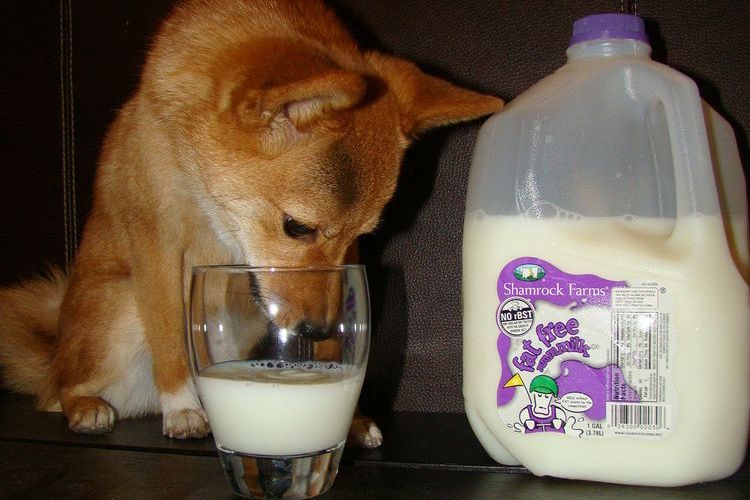
Typically, animals give up this product on their own once they reach adulthood. However, there are cases where four-legged pets retain a fondness for it. What should be done in this case? The solution is as follows:
- Reduce the fat content of the product. To do this, dilute the milk with boiled water. This drink can be given to animals that don't experience diarrhea, and no more than once every 2-3 days.
- Replace cow's milk with goat's milk. This will reduce the risk of allergies, as goat's milk has a lower lactose concentration. If the owner is a plant-based eater, you can try substituting almond, coconut, or soy milk.
- Treat your pet to lactose-free milk—a product in which this component has been hydrolyzed or removed. It can be purchased at pet stores or baby food retailers.
Veterinarians recommend using healthier yet safer fermented milk alternatives as a source of calcium and protein.
Fermented milk products
In products obtained through lactic acid fermentation, lactose is broken down by bacteria. The lactic acid released during this process causes casein to curdle. Therefore, fermented milk products are much more hypoallergenic than unfermented milk.
Kefir
Giving kefir to your four-legged friend is not only desirable but also essential. The drink can be safely introduced into the diet of puppies and given daily to adult dogs, as it has a beneficial effect on the digestive tract.
The only drawback of fermented milk is its ability to not only stimulate peristalsis but also relax the intestines. Therefore, it's worth noting that some dogs may experience diarrhea if they consume kefir frequently.
The easiest way to minimize this deficiency is to treat your pet with kefir, which contains a minimal amount of fat, or to give preference to low-fat drinks.
Cottage cheese
Cottage cheese is rightfully considered a milk concentrate containing a large amount of calcium salts. Therefore, it is essential in puppies' daily diet. Veterinarians even recommend completely replacing one meal with cottage cheese.

To prevent rickets and maintain your pet's muscle tone, it's best to choose calcined cottage cheese. This product can be prepared at home by mixing powdered calcium lactate or calcium chloride (produced as a solution) into regular cottage cheese, or it can be purchased ready-made at pet stores.
For adult dogs, if you decide to feed cottage cheese instead of milk, just 1-2 servings per week are sufficient. In addition to its primary function of enriching the body with calcium, it, like any other fermented milk product, promotes normal digestive tract function.
Cheese
Cheese is a favorite treat for many animals. It's successfully used as a reward during training. For dogs, it's best to use varieties that are free of artificial ingredients and flavor additives. Low-fat varieties are preferable.
When pampering your pet with this treat, it's important not to overdo it. The daily serving should be no more than 100-150 grams. Exceeding this amount can lead to bowel obstruction and trigger allergic reactions such as redness and itching.

Yogurt
A fermented milk product obtained by fermenting milk with yogurt bacteria, it has a taste and consistency similar to low-fat sour cream. The lactobacilli present in it are valuable because they produce niacin and folic acid. These components create optimal conditions for normal digestion in animals.
By deciding to feed dogs yogurt instead of milk, you can solve several problems at once:
- normalize intestinal disorders, especially during the recovery period after infection;
- saturate the body with protein, calcium and B vitamins;
- reduce gas formation in the intestines;
- remove toxins and waste from the body.
To improve digestion, a daily dose of 2-3 tablespoons is sufficient.
Sour cream
The fat content of a product made with sour cream limits its frequency of use. To avoid worsening your pet's health, it's best to use sour cream with a fat content of 10-15%.

Sour cream is added to puppies' diets as a supplement to portions, not as a complete meal. For adult dogs, sour cream is used to flavor cottage cheese.
Clearly, the role of fermented milk products in pets' diets is difficult to overestimate. They create a healthy prebiotic environment, which is essential for the development of natural microflora. The key is to choose the right products and formulate the right diet wisely.
Read also:


Add a comment