
Can dogs eat tangerines?
Feeding dogs apricots, avocados, and grapes is strictly prohibited – these fruits are toxic to animals and contain large amounts of sugar. What about citrus fruits? Can dogs eat tangerines? At what age, in what quantities, and how often? What do veterinarians say about this?

Content
Composition and benefits
Not every dog eats tangerines—some pets are indifferent to this delicacy. Others, on the contrary, beg their owners for citrus fruits at the first whiff. You can determine how harmful or beneficial a particular product is by its composition. Tangerines contain:
- water;
- vitamins A, B, C, E, PP;
- dietary fiber;
- carbohydrates;
- fats;
- proteins (the animal’s body quickly absorbs them);
- fruit acids;
- ash;
- saccharides;
- minerals (potassium, calcium, magnesium, sodium, phosphorus).
All components are essential for the normal functioning of the animal. Citrus fruits in winter help strengthen the immune system and prevent viral infections.
This is important! Scientists believe that citrus fruits are essential in dogs' diets during periods of intense physical activity and stress. Both factors cause vitamin C deficiency, and tangerines quickly replenish it.
Harm
Veterinarians and zoologists disagree on whether tangerines are harmful to dogs. Some experts claim that the citric acid found in the fruit depresses the nervous system, negatively impacting the animal's psycho-emotional state. Excess citric acid often causes problems with the gastric mucosa and leads to digestive problems.
A large group of veterinarians believes that lemon juice is beneficial for animals, while sucrose is harmful. This component often causes stomach upset, other digestive problems, and allergic reactions.
This is important! It's believed that large amounts of vitamin C are harmful to the body. In fact, excess vitamin C is quickly and safely eliminated by the kidneys and liver—provided these organs are healthy and can handle the load. However, consuming large amounts of citrus fruits at one time can lead to an overdose.
Problems due to processing
Exotic fruits destined for export are picked unripe and then treated with special substances to preserve their freshness. The following are most commonly used for this purpose:
- Diphenyl is a solution containing insoluble crystals and organic solvents. The product is colorless, tasteless, and odorless, and is not visible to the naked eye. Diphenyl protects fruit from mold, but it is toxic.
- Gases – these vary depending on the exporting country. Gas treatment protects citrus fruits from rot and mold, and stimulates the ripening process during transportation.
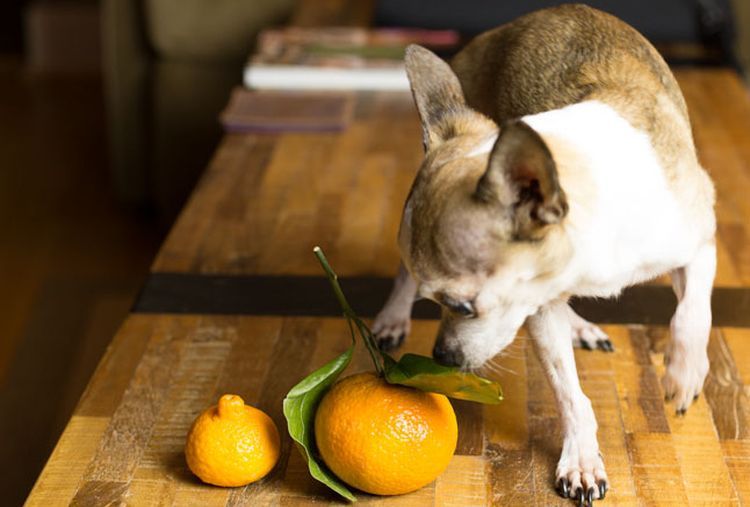
According to regulations, toxic components should remain on the peel. In reality, the risk of stomach upset remains regardless of whether dogs eat tangerines with or without the peel. The longer the citrus fruits are in transit, the more toxic substances they become.
The only absolute contraindication is an allergic reaction or individual intolerance to tangerines.
How often to pamper
Once you've determined whether dogs can eat tangerines, you need to determine the frequency and quantity of treats. This depends on the animal's age and condition.
- Pregnant and nursing dogs should avoid introducing them into their diet to avoid triggering allergies in the puppies. Apples can be used instead of citrus fruits, but if the animal is bothering its owner, one slice every 3-4 days can be given.
- Puppies can be given tangerines starting at 7 months of age, once their digestion has matured. A single slice is sufficient to begin with, and the reaction should be observed for 2-3 days.
- Adult dogs with normal digestion are allowed to include 2-3 cloves in their diet - no more.
- Mandarins and other citrus fruits are off-limits for older animals. The acid irritates the intestinal lining and can cause digestive and bowel problems. Vitamin deficiency It is advisable to replenish with pharmaceutical drugs.
In what form should I give fruit?
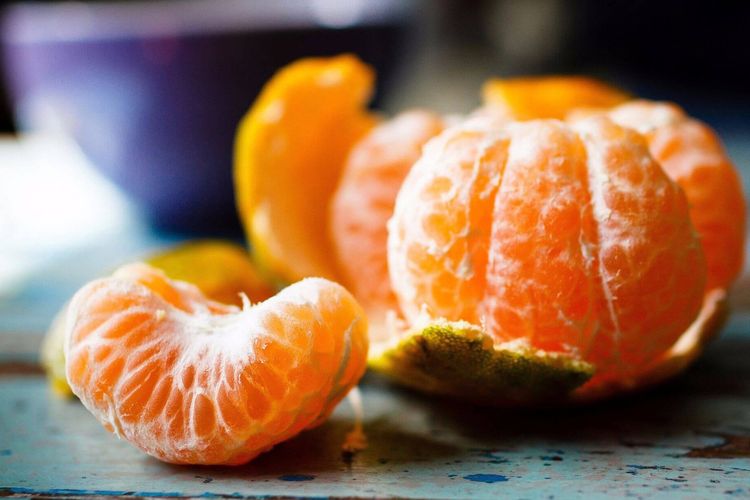
It depends on the pet's taste preferences. Some dogs prefer whole tangerine slices, while others prefer them as an addition to their cereal. A small amount of apples can also be added. The fruit should be thoroughly washed and peeled beforehand. If your dog isn't keen on citrus pulp, don't force it. Not every pet enjoys its sweet and sour taste.
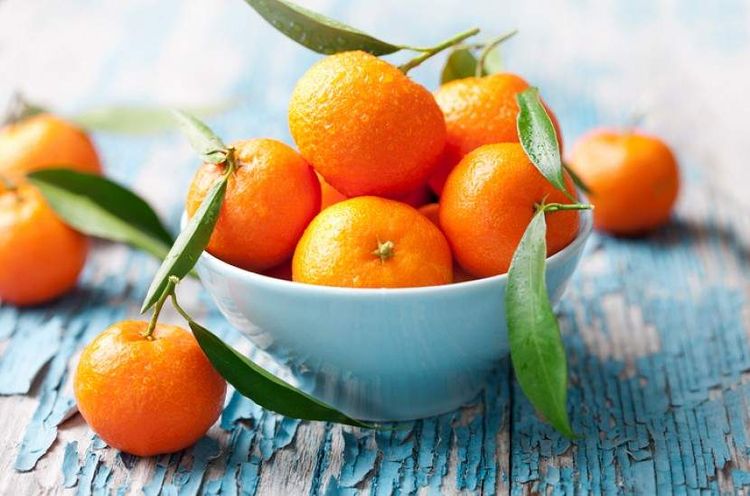
Tangerines, along with other sweets, account for only a tenth of animals' daily diet. Excessive consumption of these delicacies can lead to excess weight, endocrine problems, and joint and bone problems.
Read also:


Add a comment