
Can dogs eat pasta?
Many dog owners, especially new ones, lean toward natural nutrition, wanting to pamper their pets with tasty and (in their opinion) healthy food. In this article, we'll discuss whether it's okay to feed your dog cooked pasta, what a proper diet should consist of, and why "natural nutrition" for dogs and humans has several key differences.
Content
Cereals in the diet
To understand whether it's safe to feed pasta to dogs, let's delve a little deeper into veterinary nutrition and figure out which grains are beneficial for our pets and which can be harmful to their health.
Veterinarians' recommendations are quite clear: grains should not exceed 70% of a canine's diet (optimally up to 50%), as the basis of a carnivore's diet should be muscle meat and offal. However, grains also contain many beneficial substances necessary for proper digestion and activity, so most modern dog foods also include them in some quantity.
- Healthy grains include: rice, buckwheat, oatmeal, millet.
- Harmful: wheat (wheat cereal, semolina, flour) and corn.
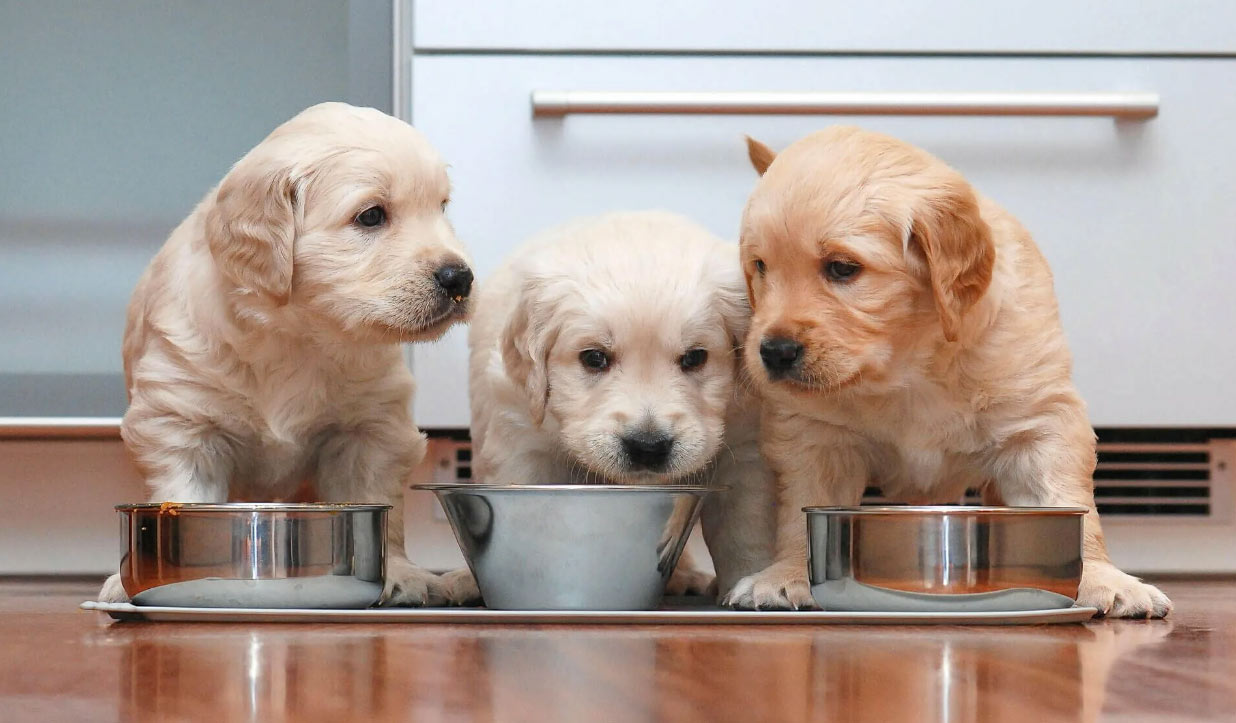
The main drawback of wheat is its high gluten content. This plant-based protein is poorly digested, and every year, just like in humans, the percentage of animals suffering from a specific condition called celiac disease (commonly known as "gluten intolerance") is growing.
But even if a dog eats pasta, wheat porridge, and flour products without showing any characteristic symptoms, there will be little benefit from such a diet, as products containing wheat (or flour) contain a large amount of fast carbohydrates and a minimum of beneficial elements. Read about what porridge can be given to dogs on our website.
The dangers of a “floury” menu
You often hear from breeders that dogs are not allowed to eat pasta, bread, and other flour products, but few explain why such a ban exists and what will happen if it is violated.
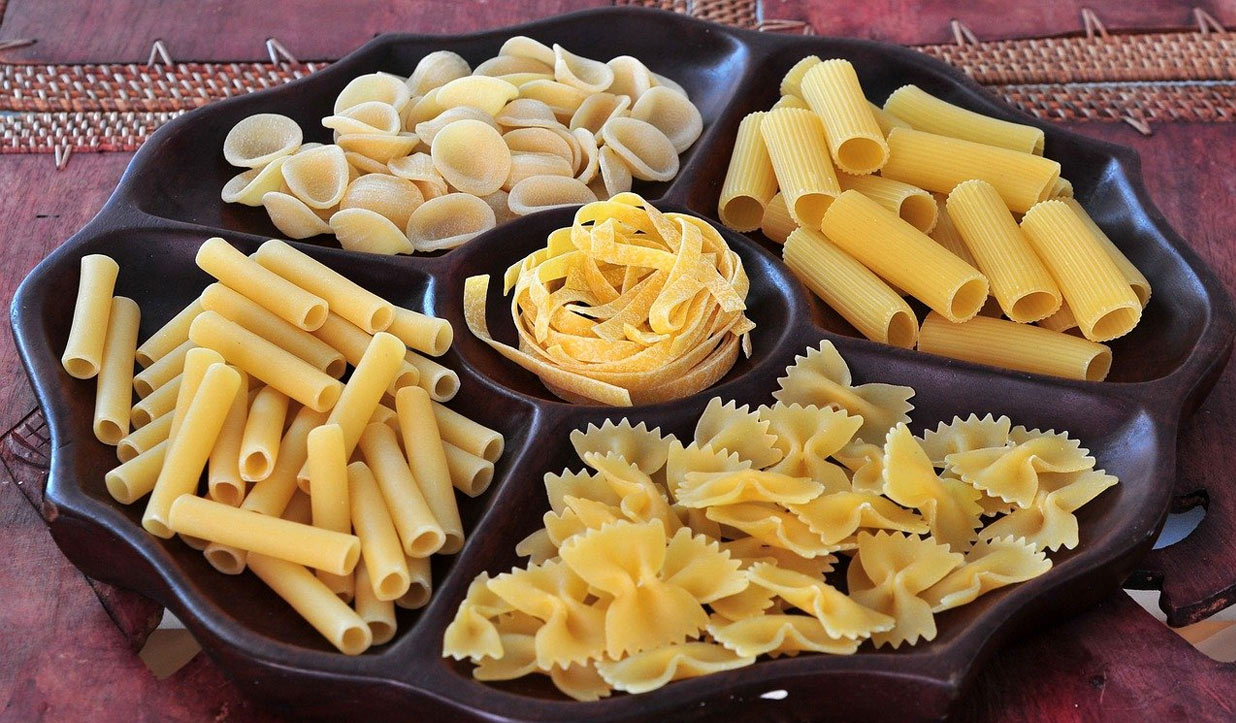
A large amount of flour in the diet can lead to consequences such as:
- an acute reaction to consuming large amounts of gluten (as a rule, if the disease exists, it manifests itself during the first attempts to introduce gluten-rich foods into the diet);
- uncontrolled weight gain (especially in older, sterilized and inactive animals);
- deterioration of the coat quality (the dog will not receive the necessary vitamins and microelements);
- Problems with the gastrointestinal tract and pancreas due to an unbalanced diet, which will subsequently lead to expensive diagnostics and long-term treatment (sometimes with lifelong adherence to a special diet).
Types of pasta and their hazard levels
When discussing whether it's safe to feed pasta to a dog, it's important to clearly distinguish between real-life situations, as "all kinds of pasta are created equal." Let's simulate several scenarios and assess the risk of each.
Pasta from the host's plate
Most pets are "food eaters"—they're constantly hungry and will happily accept a tasty treat from their owner between meals. Naturally, the most appealing food for these pets is what's on their owner's plate.
Important! Feeding your dog "table scraps," particularly foods prepared for humans or left uneaten on plates, is strictly prohibited!
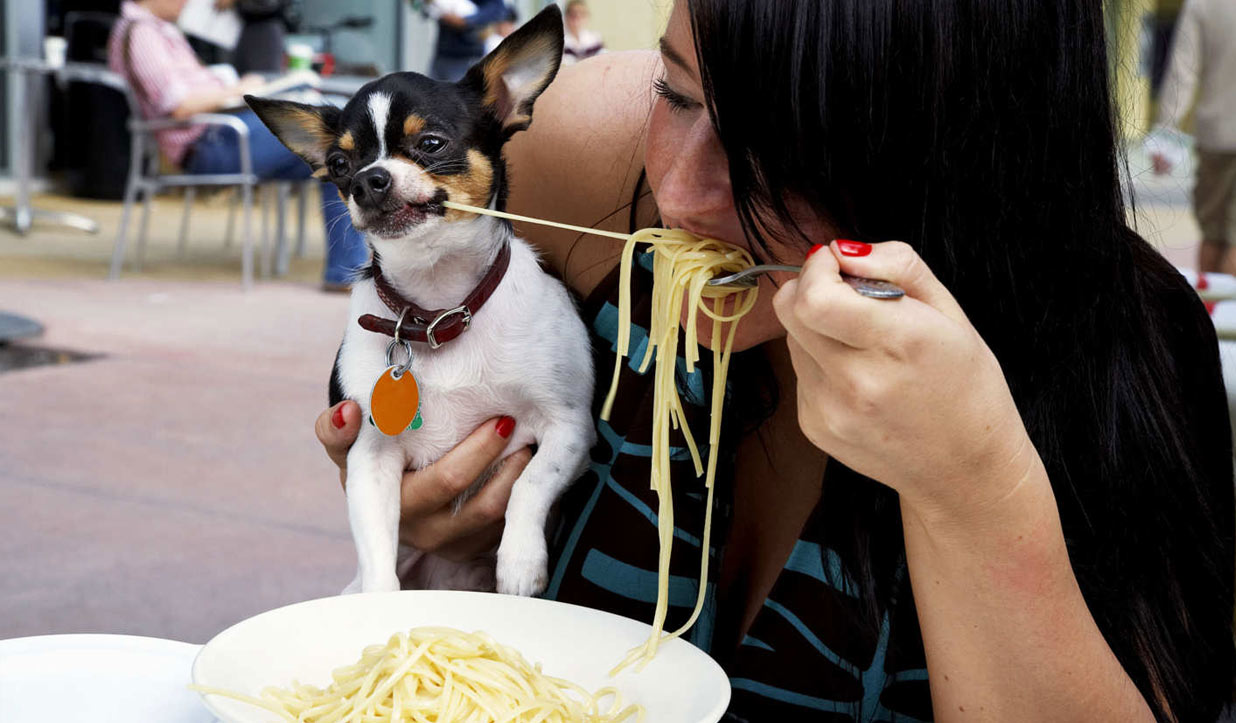
When preparing our own food, we use large amounts of salt, spices, seasonings, and various industrially produced sauces, which aren't particularly beneficial for humans and can be downright dangerous for animals. That's why "pasta from the owner's plate" is the worst option you could imagine for your pet.
Fast food
What do people do when they simply don't have time to cook dinner? They break out the instant pasta. A little boiling water, a couple of minutes of waiting, and the food is ready.
Needless to say, dogs should never be fed this type of pasta. Besides containing wheat, these ready-made briquettes contain large amounts of preservatives, leavening agents, and other ingredients that are very harmful to dogs.
Soft wheat pasta
We've sorted out the first two options, but can dogs eat boiled pasta? without salt, spices, any “human” sauces (mayonnaise, ketchup, etc.)?
Veterinarians do not recommend feeding your pet pasta frequently, even if it's high-quality and prepared without harmful ingredients (see "The Dangers of a Flour-Based Menu"). However, a small amount of pasta, occasionally included in the menu for variety, will not cause significant harm to your dog's health, provided there is no history of gluten intolerance.
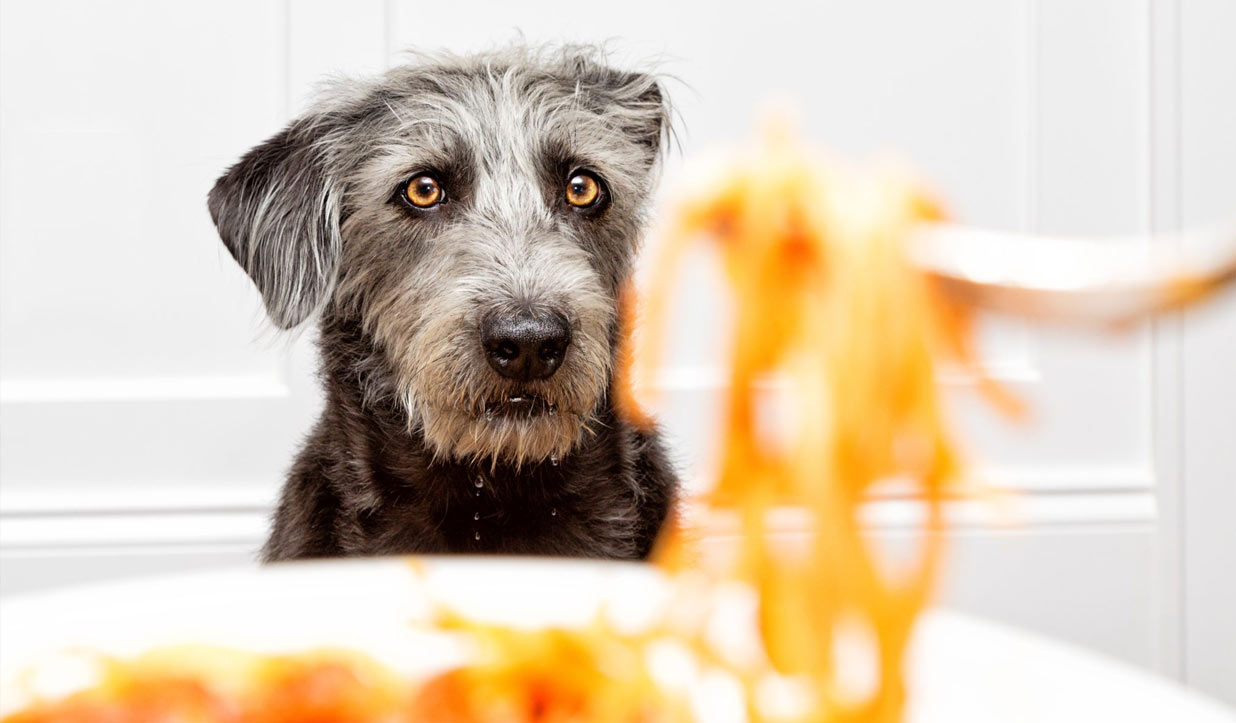
If you're determined to treat your pet to something new, you can mix a little pasta into porridge (rice, buckwheat) and meat, keeping the following proportions:
- 20% - pasta;
- 20% - porridge;
- 10% — vegetables;
- 50% - meat and offal.
Durum wheat pasta
When asked whether dogs can eat durum wheat pasta, veterinarians give an affirmative answer: yes, such elements can be introduced into a pet's diet, but again, in small quantities.
The advantages of this type of pasta are known to everyone:
- high in protein;
- slow sugars that replenish glycogen stores in muscles and liver;
- easily digestible saturated fats;
- crystalline starch, which holds protein compounds;
- useful elements: calcium, potassium, phosphorus, magnesium, iron, B vitamins.
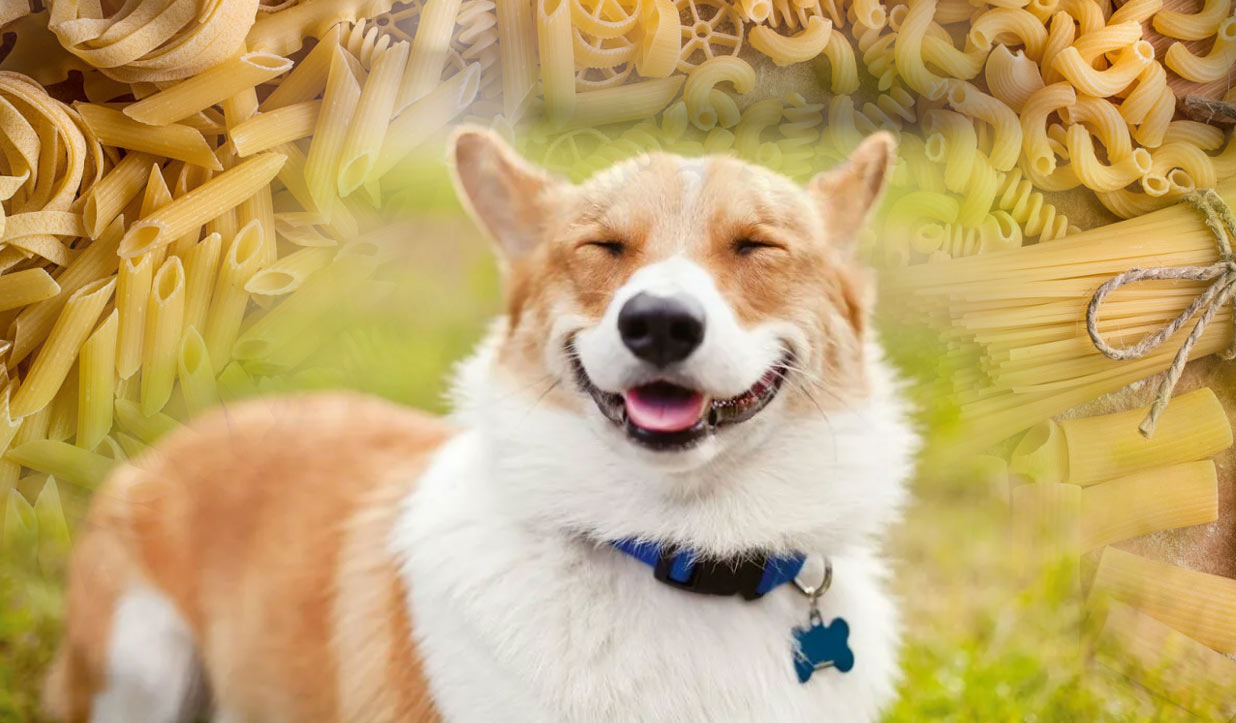
To preserve as much of its nutritional value as possible, it is recommended to cook this type of pasta by throwing it directly into boiling water (without rinsing with cold water).
Thus, we can state the fact that dogs can occasionally be given pasta made from durum wheat, cooked without salt and seasonings.
Veterinarian's advice
We've thoroughly discussed the question of whether dogs can eat pasta, but a veterinarian's opinion can finally settle the debate on grains in a dog's diet. We suggest watching a video in which a specialist
We also recommend finding out what other foods are harmful to dogs:
Read also:


Add a comment