
Can dogs eat corn?
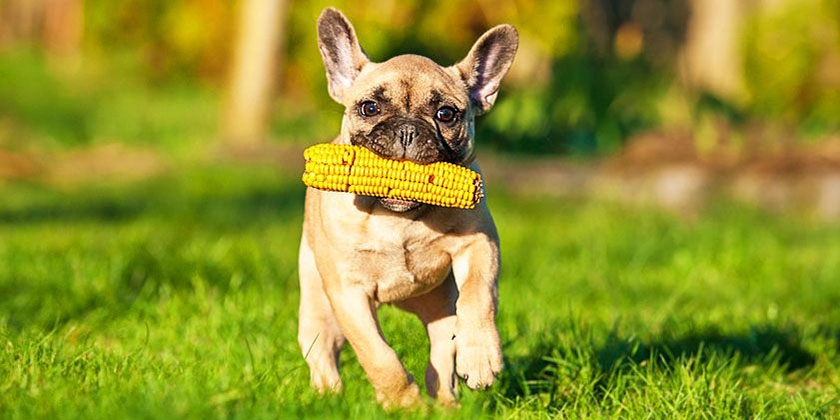
Many dogs love to gnaw on corn cobs. They enjoy the smell and taste of the kernels and the salt or oil residue left on them. To get this treat, pets will do anything: if they can't beg for it, they'll steal a half-eaten cob from the trash can. Is it safe to let dogs eat corn, or is it dangerous for their health?
What is in corn?
The table of nutritional values of corn looks like this:
|
Squirrels |
11% |
|
Fats |
7.5% |
|
Carbohydrates |
43% |
|
Nutritional value per 100 g |
325 kcal |
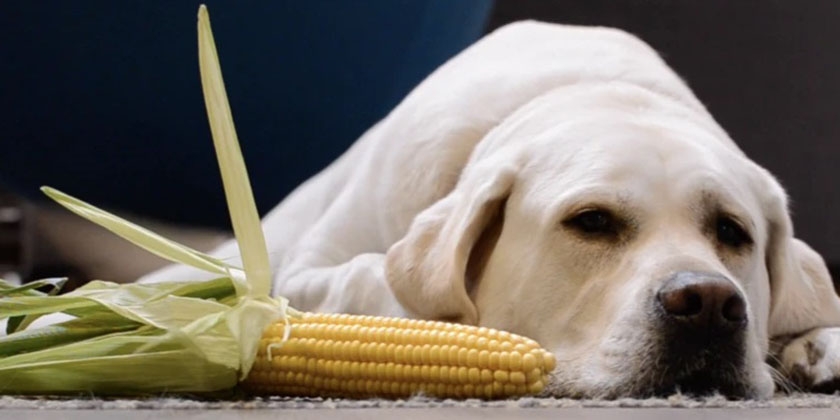
Unlike some other plant foods, corn is toxin-free and rarely causes allergies. This grain contains many beneficial substances:
- vitamins A, C, E, K;
- six representatives of the B vitamin group;
- provitamins A alpha- and beta-carotene;
- trace elements potassium, calcium, iron, sodium, magnesium, manganese, copper, selenium, phosphorus; omega-6 fatty acids;
- plant fiber.
However, despite the presence of such advantages, the most useful cereals From a nutritional perspective, veterinarians consider rice, buckwheat, and oatmeal to be the best grains for dogs, rather than corn. Corn is recommended for dogs only occasionally, added in small amounts to their main diet. The reason for this restriction is the metabolic properties of this grain.
Why is corn bad for dogs?
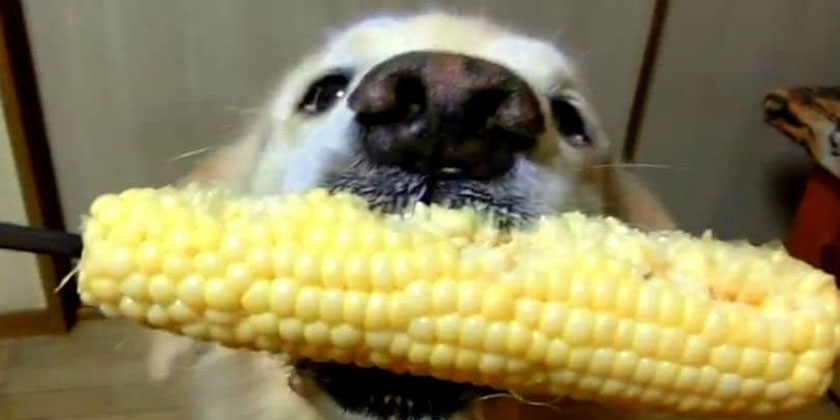
Raw corn should never be fed to dogs. When corn kernels enter the digestive tract, they swell and, due to their increased volume, can cause intestinal obstruction. Signs of intestinal obstruction may include:
- general weakness;
- lack of appetite;
- vomit;
- diarrhea or difficulty passing stool;
- black chair (due to the presence of blood in the stool).
In some dog breeds (bulldogs, dachshunds, German shepherds, Labradors), raw corn can cause allergic reactions, including watery eyes, nasal discharge, rashes, and even fever and hair loss. This sensitization is caused by the gluten protein, which is found in large quantities in corn.
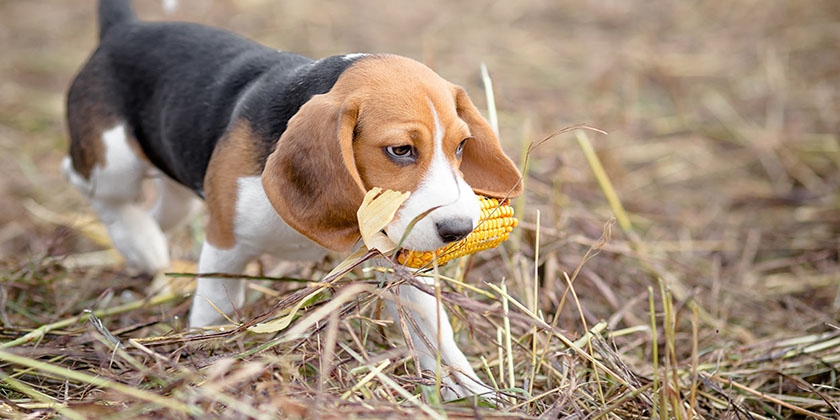
If you feed a dog cooked corn on the cob, the animal may choke, choke, or injure its intestines when swallowing large chunks. Dogs, lured by the smell of cooked corn, often fish the gnawed cobs out of the trash can. Therefore, the trash can should be kept closed.
Canned corn should also be excluded from the dog's diet, as it is prepared using salt, vinegar, and spices that are harmful to the animal's body.
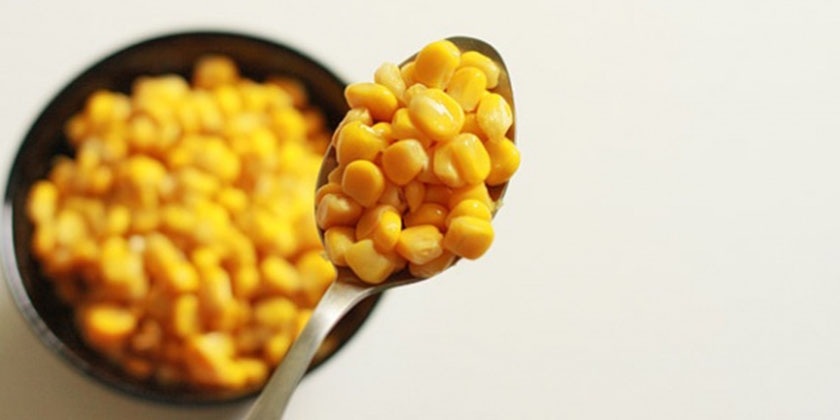
But even if you boil a corn cob and give your dog the kernels, it won't do your pet any good, and here's why:
- Canine carnivores obtain most of their energy from animal products. Plant proteins, including those found in corn, are only partially digested by their bodies, no more than 50%.
- Omega fatty acids in the form in which they come from corn grains are not absorbed at all, but pass through the digestive tract in “transit”.
- Carbohydrates (which make up almost half of the total diet) remain largely unused and are converted into fat reserves. This contributes to the development of obesity and triggers fermentation processes in the intestines, which suppress the natural intestinal microflora. This can result in dysbiosis.
- Corn kernels contain a lot of starch, a mixture of polysaccharides. Excess starch can cause weight gain and diabetes in dogs.

To summarize, dogs should only be fed cooked corn, in small quantities and infrequently. Corn should not be a part of a dog's daily diet.
Read also:


Add a comment