
Can dogs eat cabbage?
A balanced diet is the key to health and a beautiful appearance for dogs of all breeds. Today, we'll explore whether dogs can eat cabbage, what varieties exist, and whether they are equally beneficial.
Content
Vegetables in a dog's diet
A proper natural diet should include a sufficient amount of meat (depending on the size and activity of the dog), as well as cereals and grains that are beneficial for the dog. vegetables.
Important! The total amount of vegetables in your daily serving should not exceed a third of your total food intake, and at least 50% (and preferably up to 70%) should come from lean muscle meats and organ meats.
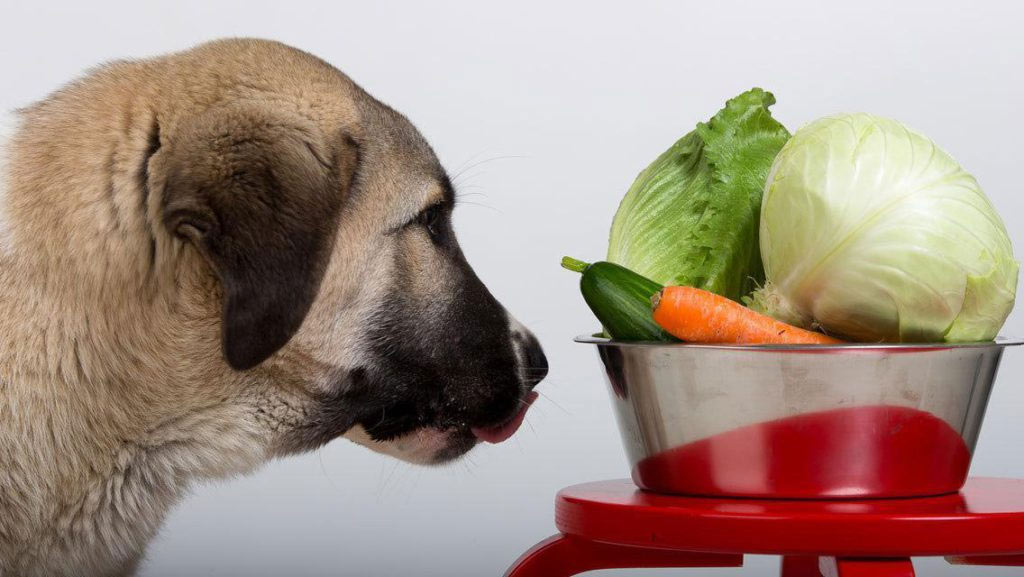
Veterinarians recommend introducing the following vegetables into dogs’ diets:
- carrot;
- pumpkin;
- cabbage;
- bell pepper;
- zucchini;
- cucumbers.
Important! Not all vegetables are equally beneficial. For example, tomatoes, potatoes, radishes, eggplant, asparagus, and onions are considered undesirable (and in some cases, prohibited).
So, in general, to the question of whether cabbage can be fed to dogs, we answered yes. This vegetable is healthy and can be included in a natural diet along with meat, healthy cereals, and other vegetables. Cabbage's value lies in its richness in vitamins (C, A, K), as well as potassium and fiber Low in calories. Moreover, 40% of the vegetable's fiber dissolves quickly, normalizing gastrointestinal function. The remaining 60% of the fiber, insoluble, provides a feeling of fullness in dogs.
Now let's figure out what kind of cabbage and in what form is best to offer to your pet in order to get the maximum benefit and not harm their health.
White cabbage
This is the most common type, widely used in the human diet both raw and cooked. We know many dishes that include boiled, stewed, and sauerkraut. But is it worth pampering your pet with all these delicacies?
Important! Veterinarians warn that it's best to give white cabbage to dogs boiled or stewed.
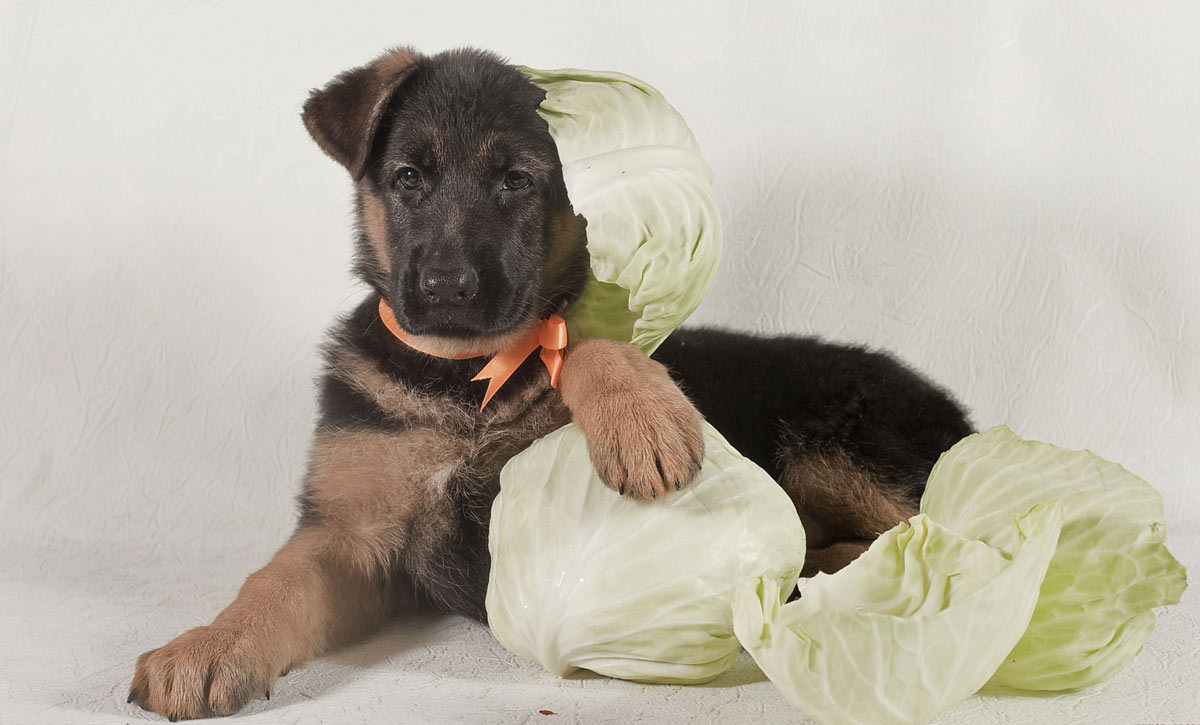
What could be the danger of other options?
Raw
Most often, when asked whether it is possible to give raw cabbage to a dog, veterinarians answer “no.”
The problem is that eating large amounts of raw cabbage can cause excess gas in the intestines, accompanied by bloating, rumbling, and pain. It's also important to know that raw cabbage increases gastric acidity, which can also lead to the development of inflammatory processes (gastritis and sometimes peptic ulcers).
At the same time, a completely healthy and active animal, whose diet has not been restricted by the veterinarian, can be offered a small piece of raw cabbage as a treat between meals.
Boiled
An ideal option from a nutritional standpoint. Adding a small amount of cabbage during cooking can enhance the flavor of the food, which your pet will definitely appreciate. Furthermore, as long as the vegetable isn't overcooked, it will retain its maximum nutrients.

Stewed
If you offer your dog cabbage stewed with meat and carrots (a kind of ragout), they'll definitely appreciate the new treat, as the roasting intensifies the flavor and makes the dish even more appealing. Giving this treat occasionally and in small quantities is perfectly acceptable, as long as your dog leads an active lifestyle, has no gastrointestinal or pancreatic issues, or is overweight.
Eating too much fatty stewed cabbage can lead to problems with the pancreas and excessive weight gain, as this dish is very high in calories.
Pickled
Remembering that veterinarians do not recommend feeding animals any kind of pickles, it's easy to determine whether dogs can eat sauerkraut. This is especially true if it's a dish originally prepared for humans, which means it may contain large amounts of salt and spices that are too high for dogs.
When eating sauerkraut, dogs can also suffer from gastrointestinal upset, flatulence and associated pain.
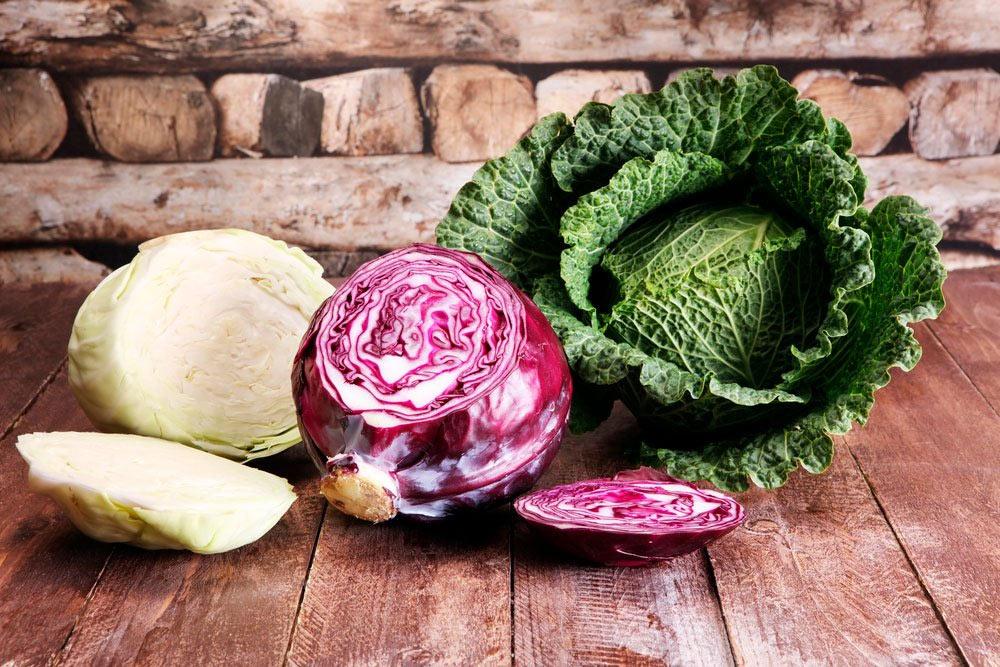
Red-headed
In terms of nutritional properties, the colored version of the vegetable is practically no different from its white counterpart, so we will assume that we have already fully answered the question of whether dogs can eat cauliflower in the previous paragraph.
Cauliflower and broccoli
Essentially, these two types of cabbage are very similar. They differ from classic white cabbage not only visually but also in their nutritional content. In nutritional science, these vegetables are considered dietary and healthier, as they can be consumed even in cases of peptic ulcers and chronic constipation.
However, cauliflower and broccoli have contraindications – they should not be given to animals suffering from urolithiasis.
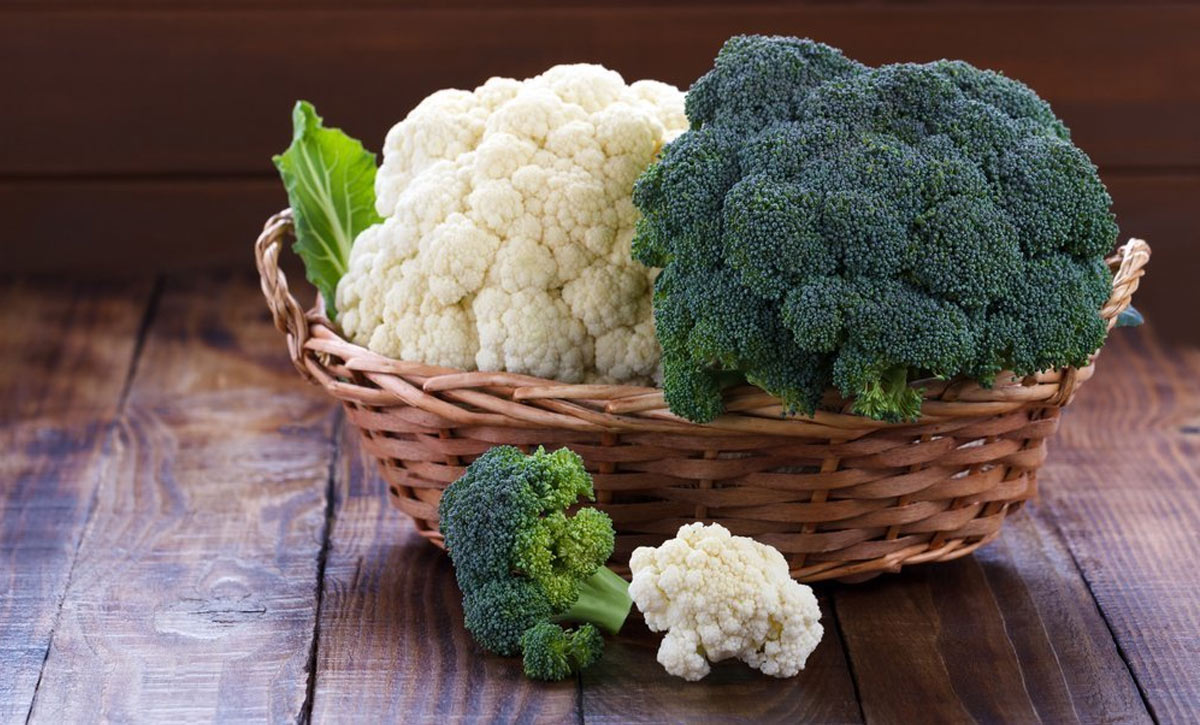
So, is it safe to feed cauliflower and broccoli to dogs? Definitely yes, as long as there are no contraindications and the food is pre-cooked (boiled or stewed).
Seaweed
Although this product stands alone on our list and has a completely different origin than the cabbage varieties we're accustomed to, it's still worth keeping in mind when creating a balanced diet for your pet. Veterinarians agree that dogs can and should be given seaweed as early as 1.5 months old, as this seaweed is very rich in iodine.
An ideal option for such complementary feeding is to introduce dried, ground seaweed into the diet, which can be purchased at veterinary stores.
Important! Offer the dog a dish from the human menu It's not worth it, since they usually use a lot of spices, vinegar, and other additives that are harmful to animals to enhance the flavor.
Dog owners should also be aware that the iodine contained in this product can enhance fur pigmentation. This will only benefit dogs with red fur, but white dogs may lose their "snow-white" hue. The fur will appear slightly yellowish, which may not be to everyone's liking. Naturally, this minor flaw will disappear after eliminating kelp from the diet.
For more information on which vegetables can and should be given to your dog, the best form to offer them, and what should not be given, watch this video:
Read also:





Add a comment