
Can dogs eat plums and prunes?
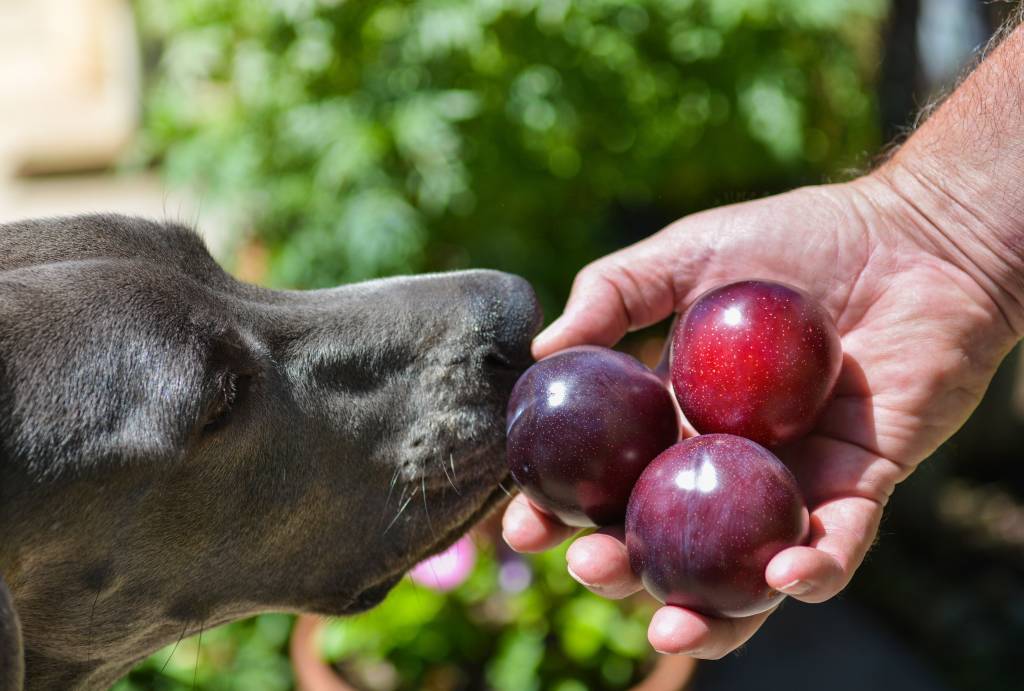
Pet owners often wonder whether plums are safe for dogs and what the health benefits and dangers of this fruit are. At first glance, plums seem like harmless berries rich in vitamins and fiber, but for animals, especially dogs, the situation is more complex.
Content
Can dogs eat plums?
Plums do contain beneficial nutrients: vitamin C, vitamin K, potassium, and antioxidants. These nutrients can support the animal's immune system and overall health. However, plums have some unique properties that limit their inclusion in a dog's diet.
The main danger lies in the pit. It contains amygdalin, which can release hydrocyanic acid, which is dangerous to animals. Even if a dog chews on the pit accidentally, it can cause poisoning. Therefore, only fresh, pitted fruit and small amounts are considered acceptable for consumption.
Veterinarians note that plum pulp itself is not poisonous to dogs, but it does contain a lot of sugar and has a laxative effect. This can lead to diarrhea or bloating, especially if your pet eats more than a few slices.
Can dogs eat prunes?
The question of whether dogs can eat prunes deserves special attention. Prunes are dried plums, which contain significantly higher concentrations of sugar and fiber. While healthy for humans, they can be a dangerous source of digestive upset for dogs.
Prunes can:
-
cause diarrhea and dehydration,
-
increase gas formation,
-
lead to abdominal pain.
This is why veterinarians don't recommend feeding dried prunes to pets. Even small amounts can be harmful to a dog's sensitive stomach.
Can a Spitz eat prunes?
Small toy breeds like the Spitz are particularly vulnerable. Their digestive system is sensitive to foods high in sugar and fiber. Can a Spitz eat prunes? The answer is a resounding no. Even a small piece of dried fruit can cause severe upset in such an animal.
For Spitz and other small dogs, it is best to avoid not only prunes, but also any other dried fruits that contain concentrated sugar and have a laxative effect.
What can replace plums and prunes?
If you want to add fruit to your pet's diet, you can choose safe alternatives. Suitable options include:
-
apples (pitted and seeded),
-
pears (without seeds),
-
watermelons (seedless),
-
bananas (in small quantities),
-
blueberry.
These products contain vitamins, fiber, and antioxidants, but are not as harsh on your dog's digestion.
The benefits and harms of plums for dogs
To clearly demonstrate the features of plum consumption, you can look at the table.
Table: Plum for dogs
| Factor | Benefit | Risks |
|---|---|---|
| Vitamins (C, K, potassium) | Supports the immune system and cardiovascular system | No |
| Antioxidants | Slowing down cell aging | No |
| Fiber | Gut support | May cause diarrhea if taken in excess |
| Bone | No | Toxicity (amygdalin), risk of choking |
| Sugar | Energy source | May cause obesity and diabetes |
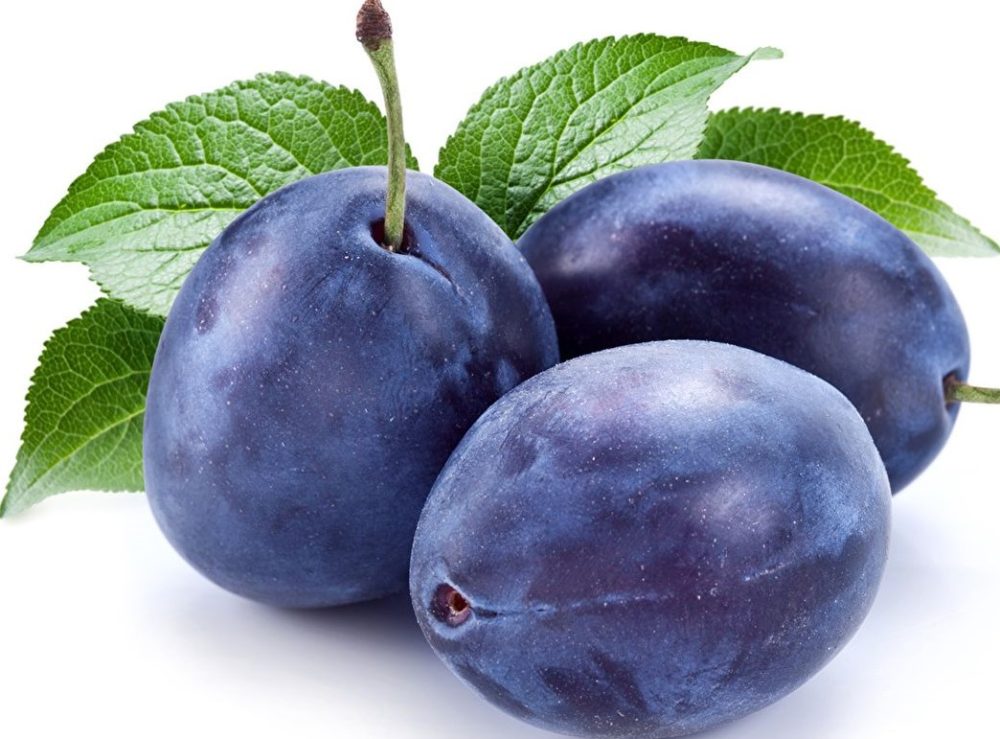
So, plums can be beneficial, but only if the quantity is strictly controlled and the pits are removed.
General rules for owners
The question of whether dogs can eat plums and prunes is directly related to their safety. It's important to consider several rules:
-
You can only give fresh plums without pits and in very small quantities.
-
Prunes, as well as dried and canned plums, are prohibited.
-
At the first signs of stomach upset (vomiting, diarrhea, lethargy), you should contact a veterinarian.
-
It is better to coordinate your pet's diet with a specialist, especially when it comes to small breeds.
Total
Dogs should not be given prunes or dried plums, as they are hazardous to their health. Fresh, pitted plums are acceptable only occasionally and in very small quantities. For toy breeds such as Spitz, it's best to avoid such experiments entirely. A pet's health directly depends on how attentive its owner is to its diet and how carefully they select treats.



Add a comment