
Can you mix wet and dry dog food?
Continuing with the topic of proper pet feeding, we suggest taking a closer look at mixed feeding and finding out whether it's possible to mix wet and dry dog food, as well as dry food and natural food, in the same bowl.
Content
Types of diets and their features
There are three types of diets for cats and dogs:
- Natural nutritionIn this case, the animal receives raw or heat-treated natural foods (meat, cereals, fermented milk products, vegetables, fruits, berries).
- Industrial feedThe diet may include dry food or wet food (spiders, canned food).
- Mixed nutritionWith this type of feeding, cats and dogs can have both natural products and industrial feeds in their diet.

When preparing a diet for your dog, it is important to understand that different types of food are digested differently in the animal's digestive tract, so combining them in the same bowl can cause digestive upset.
Is it possible to mix dry food and natural food?
Natural and dry foods can be offered to animals at different mealtimes, but they should not be mixed in the same bowl. For example, you can feed a dog dry food in the morning and natural food at night, or offer natural foods as treats during training.
Experimenting with diets for small breed dogs prone to allergies, gastrointestinal problems, and pancreatic dysfunction is not recommended. This category primarily includes Yorkies, Chihuahuas, Maltese, Pugs, and French Bulldogs.
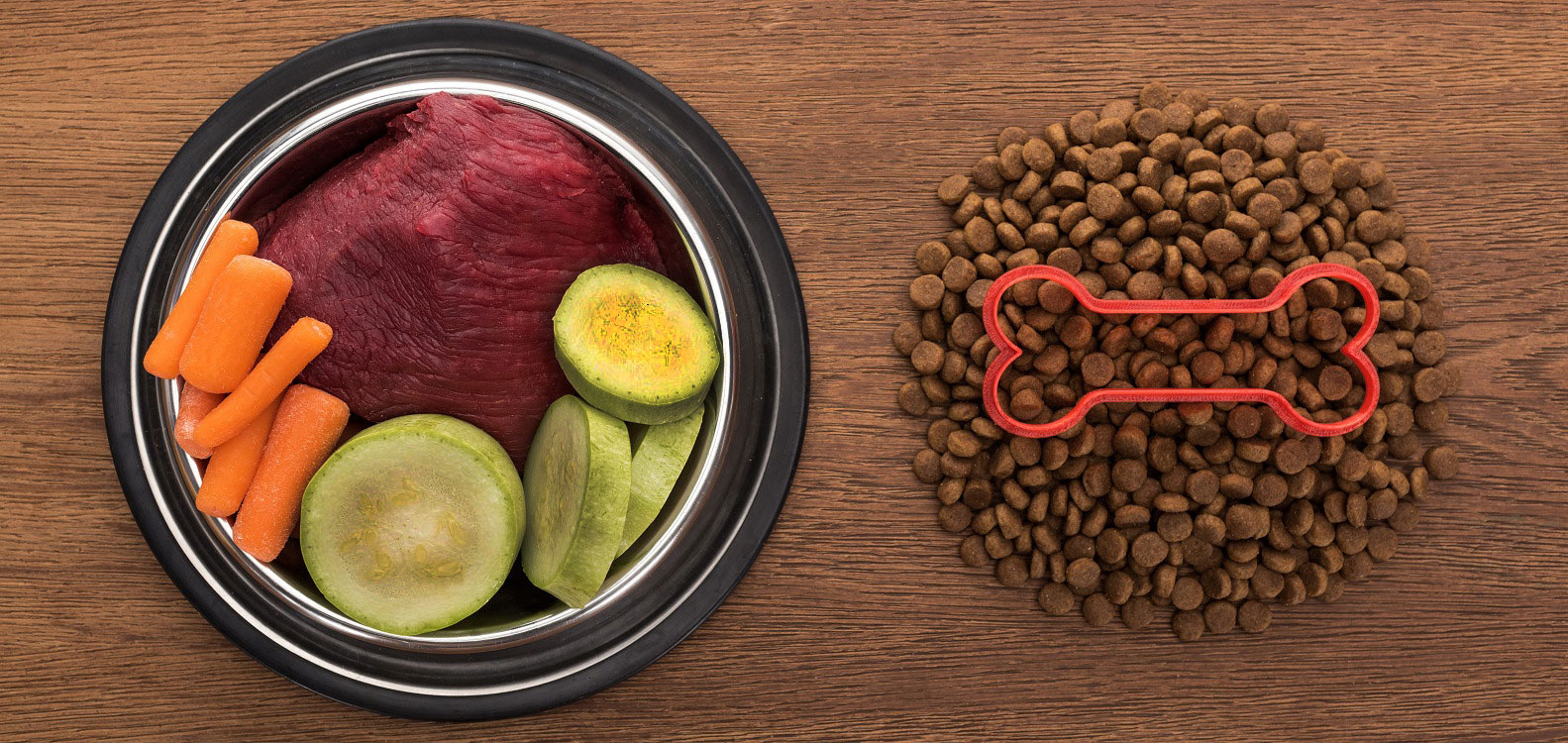
If you feed your dog both dry food and natural foods at the same time, the following consequences are possible:
- gastrointestinal disorders (diarrhea, vomiting, increased gas formation, rumbling in the stomach);
- pancreatitis;
- obesity (it is impossible to correctly calculate the number of calories on a mixed diet);
- deficiency or excess of vitamins (both the first and second options have a negative impact on health);
- poor appetite (the dog may refuse to eat due to gastrointestinal problems or simply not wanting to eat dry food that it finds less tasty).
Dogs fed a mixed diet are also more likely to experience allergic reactions. However, determining the cause of the allergy is significantly more difficult due to the inconsistency of the diet.
Can you mix wet and dry food?
Knowing the undesirable consequences of combining natural products and industrial feeds, many owners doubt whether it is possible to combine dry and wet food in their dog's diet.
When asked whether it is possible to feed a dog both dry and wet food, veterinarians unequivocally answer – yes, such a diet is significantly better than a combination of dry and natural food.
The advantages of wet food are undeniable, because they:
- have a more interesting taste for dogs;
- increase the amount of fluid consumed by the animal;
- are better digested, reducing the load on the gastrointestinal tract;
- Preferred for puppies and older dogs.
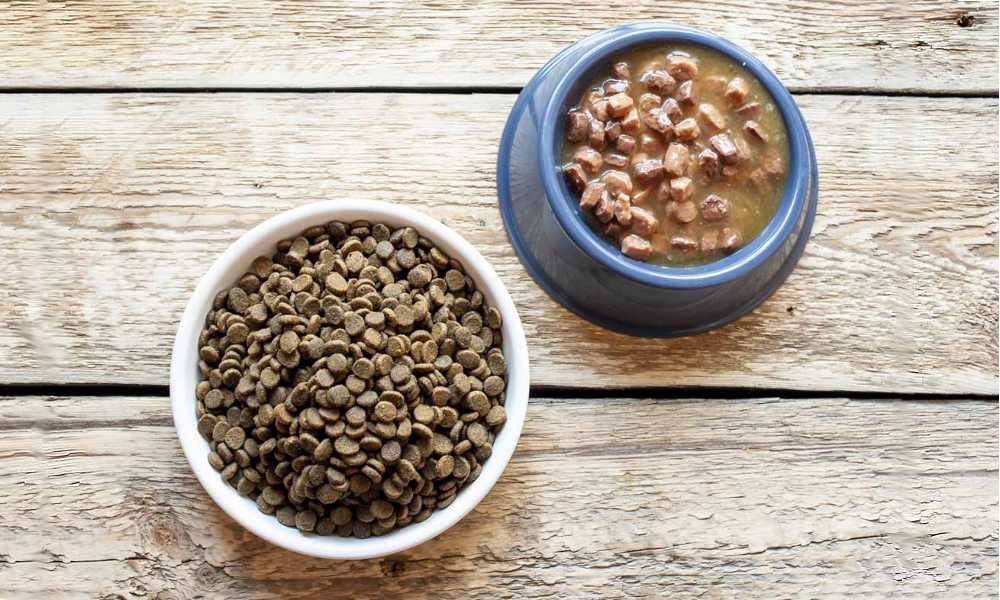
There are only two disadvantages to wet food: feeding your pet only pouches and canned food is quite expensive, and if you frequently mix dry and wet food, your pet may start to reject the less tasty dry food.
How to properly combine dry and wet food
Having figured out whether it's possible to mix dry and wet dog food, you're faced with a new question: how to properly formulate a diet that includes both dry and canned food.
By visiting any forum or consulting with a veterinarian, you will receive the following recommendations for feeding your dog:
- Choose dry and wet food that are as similar in quality as possible (ideally, from the same premium or super-premium line).
- Use dry and wet food of the same brand (food from different manufacturers can differ significantly in composition and be digested differently).
- If the doctor has prescribed a veterinary diet, then both dry and wet food should be dietary and match in composition.
- Don't mix dry and wet food in the same bowl; instead, feed them at separate mealtimes. Pouches can be offered as a meal replacement (for small dogs) or as a treat (for large dogs).
- Do not store an opened can of food for a long time (unlike dry food, wet food spoils quite quickly).

It is always necessary to introduce a new type of food into your dog's diet gradually, especially if your pet belongs to a breed with sensitive digestion.
Maintaining a balanced calorie intake is crucial. To do this, consult the feeding recommendations on the packaging and calculate the optimal amount of each food per day and per meal.
Calculation of the daily feeding rate for an adult small dog weighing 3 kg, using the example of dry and wet Blitz Adult food.
The manufacturer recommends that a 3-kilogram dog receive 50 grams of dry food or 300 grams of wet food per day. If the dog is fed wet food in the morning and dry food in the evening, then the morning feeding should be 150 grams of canned food, and the evening feeding should be 25 grams of dry food. If feeding three times a day, the diet might be as follows: morning (17 grams of dry food), lunch (65 grams of wet food), and evening (17 grams of dry food).
Please note! Different manufacturers recommend different daily feeding amounts based on the calorie content and composition of the product.
The best brands of dry and wet food
Now you know whether it's possible to mix dry and wet food when formulating your dog's diet, and you're ready to choose a high-quality diet for your pet. We recommend trying a combination of premium dry and wet food from the following manufacturers:
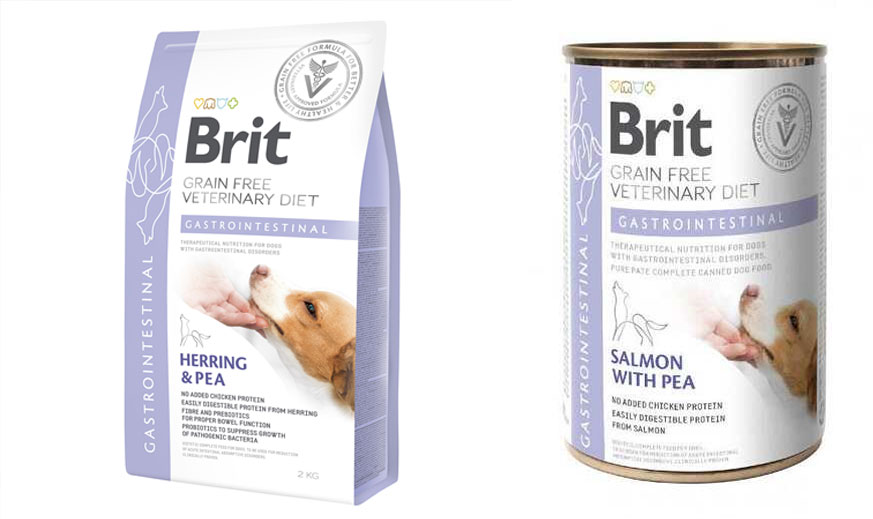
Brit
Specifications:
- complete premium and super-premium class rations;
- production – Czech Republic;
- high content of meat products;
- a large selection of flavors;
- a wide range of veterinary diets.
More about feeds Brit.
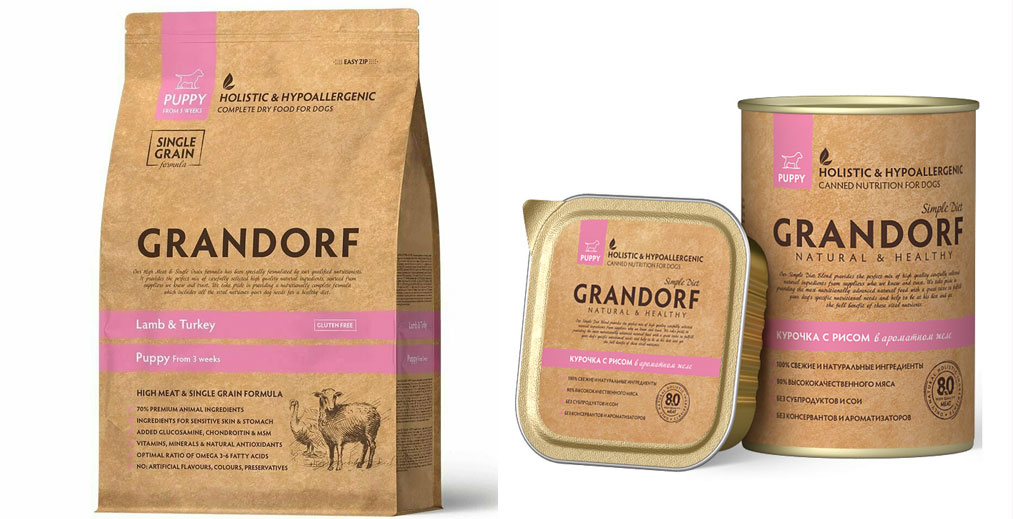
Grandorf (Grandorf)
Specifications:
- complete super-premium and holistic diet;
- production – Italy, Belgium;
- there are grain-free foods;
- a varied palette of flavors;
- There are dry and wet veterinary diets.
More about feeds Grandorf (Grandorf).
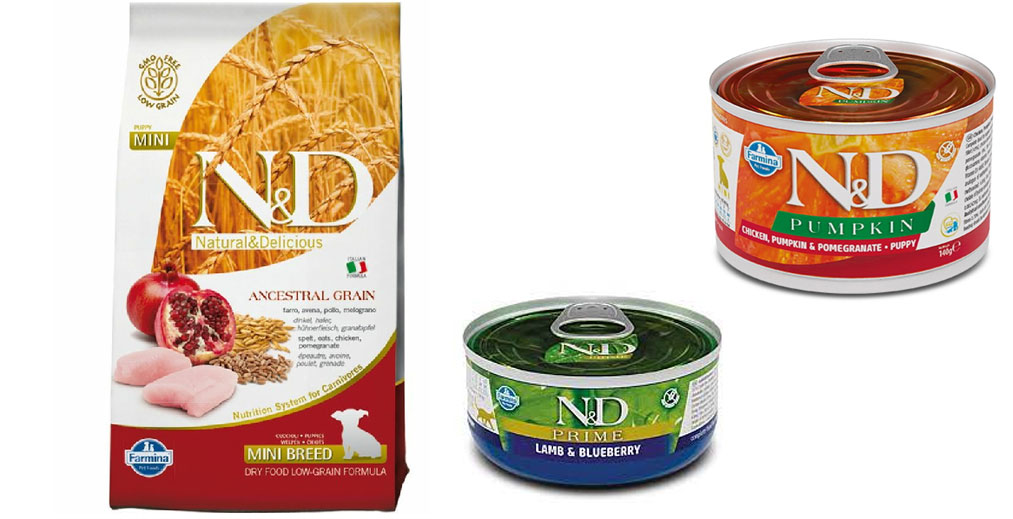
Farmina N&D (Farmina)
Specifications:
- complete super-premium diet;
- production – Italy, Serbia, Brazil;
- high content of meat products;
- a large selection of single-flavors and their combinations;
- the presence of veterinary diets.
More about feeds Farmina N&D (Farmina).
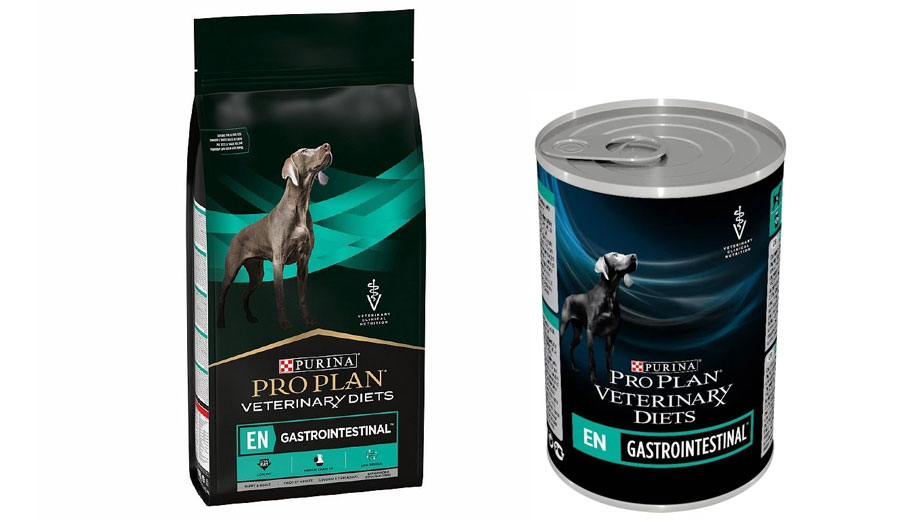
Purina Pro Plan (Purina Proplan)
Specifications:
- complete premium diet;
- production – Italy, France, Russia;
- high content of meat products;
- a wide selection of flavors (chicken, lamb, salmon);
- a wide range of veterinary diets.
More about feeds Purina Pro Plan (Purina Proplan).
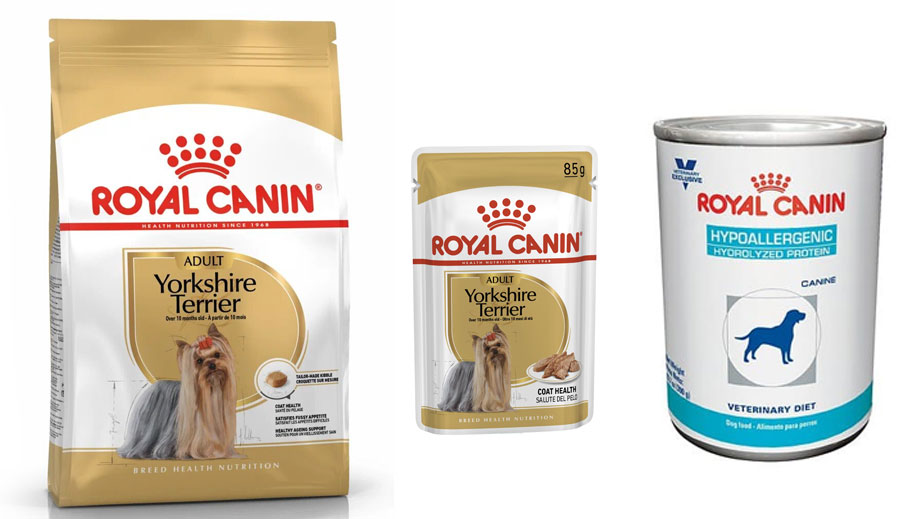
Royal Canin
Specifications:
- complete premium diet;
- production – Russia;
- quality ingredients;
- a wide range of veterinary diets.
More about feeds Royal Canin.
Advice from veterinarians
Read also:
- What to feed a German Shepherd at home
- Fiber for dogs: what foods contain it?
- What to feed a Labrador at home


Add a comment