
Can you soak dry cat food?
When answering the question, "Can I soak dry cat food?" experts offer no arguments against this feeding method. While this method won't harm the cat in any way, it's not suitable for everyone. Some cats simply refuse to touch soaked food, but in certain situations, this feeding method is the only possible solution, provided the recommendations are followed.
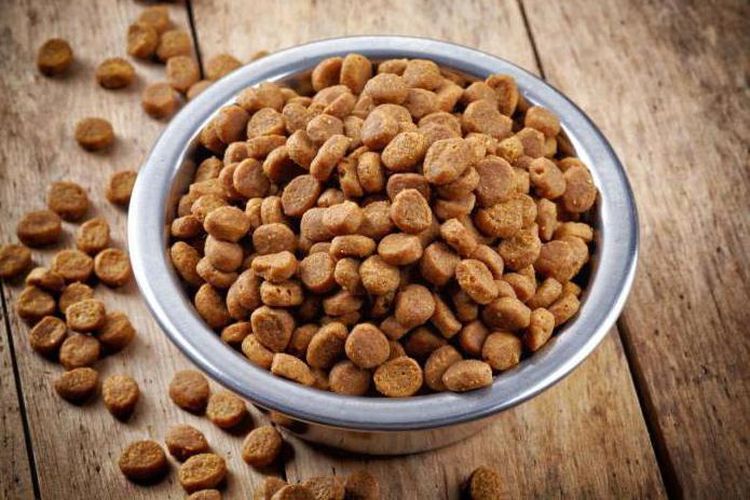
When to soak
In certain situations, even the most vitamin-rich and balanced dry food simply must be soaked. These include:
- Cats don't drink enough liquid, which prevents the dry ingredients from dissolving completely in the stomach and leads to stagnation. This can lead to constipation and toxicity. Therefore, to ensure proper digestion of the dry food, experts recommend drinking water not only after, but also during meals.
- The emergence of dental problems during periods of dental changes or due to age-related changes, which does not allow the dog to thoroughly chew dry granules.
- Rapid swallowing of food without chewing can result in injury to the gastrointestinal tract walls from large food particles, which can lead to the development of gastritis, ulcers, and other digestive diseases.
- The appearance of vomiting Almost immediately after eating, when whole pieces of food are present in the vomit. This indicates that the animal's body is not receiving enough water or that the food is simply not suitable for it.
There are other situations where feeding a cat without soaking the kibble becomes difficult or impossible. For example, if a pet is unable to consume dry food or solid food due to old age or other objective reasons, this does not mean they should be deprived of meat products, plant fiber, grains, and other nutrients necessary for normal functioning.
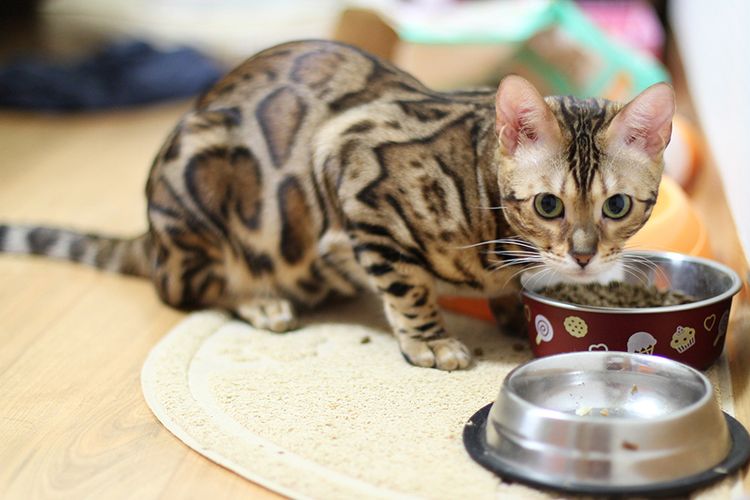
To minimize potential harm and discomfort to the body when one of the situations listed above occurs, dry food should be soaked, and this must be done correctly.
Note! Some cat owners consider it unacceptable to soak dry food. They explain this by the fact that the hard particles train and clean teeth, helping to remove tartar, but they don't take into account that most teeth remain unused with this type of diet (for example, canines). A competent veterinarian will confirm that tartar increases when feeding dry food in the same way as when using wet food.
How to soak and store properly
To ensure proper dissolution, use purified, boiled water no hotter than 50-60°C, as hotter water will destroy the beneficial elements in the food, rendering it ineffective. Cold water is also not recommended, as the hard kibble will take a long time to dissolve. Soaking the food in warm milk, which is sometimes done for kittens, is also not beneficial, as the substances in milk can react adversely with the ingredients in the dry food, compromising its nutritional value.
To soak a portion of dry food, add enough water to cover the bowl and let the mixture sit for 10-15 minutes, covered. This will allow the kibble to swell and be ready to eat.
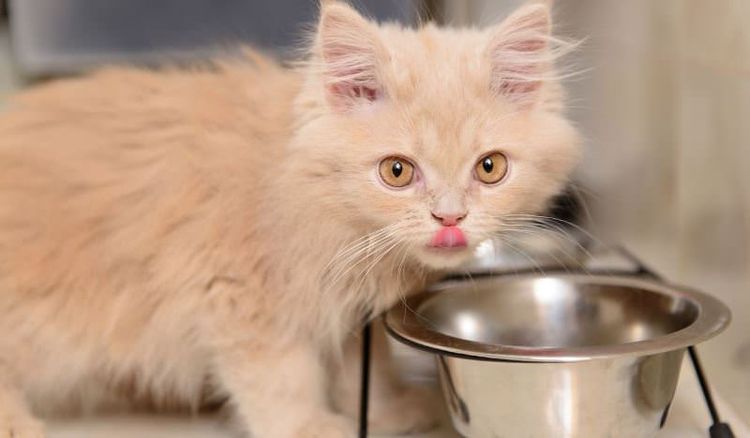
Soaked food spoils quickly, so it is not recommended to store it for a long time (maximum 30-60 minutes), especially in rooms with high temperatures. Consuming spoiled food may cause poisoning, which will be accompanied by vomiting, diarrhea, and fever. To avoid serious harm to your pet's health, it's best to discard any uneaten food immediately after feeding. To avoid this, it's best to soak only the amount of food your cat can eat in one sitting. When doing this, follow the manufacturer's recommendations based on your pet's age and weight.
Read also:
- Is dry food harmful to cats?
- What to do if your cat starts eating poorly?
- How to feed a cat correctly?


Add a comment