
Is it possible to punish a dog for disobedience and how to do it correctly?
Training a pet is a complex and ongoing process, during which a variety of difficulties can arise. Today, we'll discuss whether it's appropriate to punish a dog for disobedience and how to properly respond to certain unwanted behaviors.
Content
Reasons for disobedience
It's easy to attribute disobedience to the animal's personality. However, experienced dog trainers recommend first analyzing the possible underlying causes of the problem, as behavioral issues are often caused by mistakes made by the owner or improper training approaches.
Puppies
Disobedience in a puppy may be due to the following reasons:
- Misunderstanding of the owner's requirements. You shouldn't scold your dog during the first few lessons; you first need to give it the opportunity to understand what each command means.
- Unwillingness to learn certain commands. A puppy may not be physically or mentally mature enough for a certain activity, so training should be gradual (there are age recommendations and a basic training level for each command). For example, you shouldn't teach a 2-month-old puppy to heel if it doesn't yet know basic commands or even know how to walk on a leash.
- Lack of interest in the training process. A dog should have fun and enjoy spending time with its owner – this is the main secret to successfully training any commands.
- Instability of requirements. If in one situation the owner prohibits a certain action, and in another – allows or even encourages it, then as a result the dog simply does not understand how to act correctly.
- Fear. If a dog is severely scolded or hit during training, the animal will be in a constant state of stress and will likely not respond to any demands, fearing that any action will result in further aggression from the person.
- Incorrect walking regime. Often, house-urinating is not the result of protest or deliberate bad behavior, but rather the animal’s physiological inability to tolerate it due to age or physical condition.
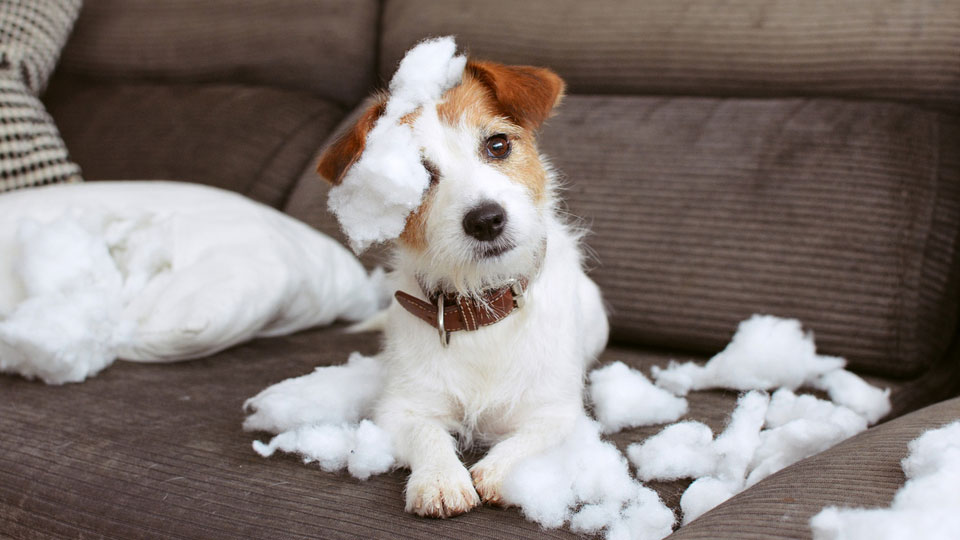
- Boredom, loneliness, lack of personal toys. A puppy sees something it's interested in, but doesn't understand what to do with it. Its only instinct is to try it with its teeth. Therefore, if you don't teach your puppy to play with its toys, you're guaranteed to end up with damaged items in the house.
Adult dogs
An offense such as accidentally stepping on a puddle or damaging things at the age of under 7 months can easily be attributed to the puppy's age. Often, correcting the situation requires not punishing the dog, but rather correcting the owner's actions, and the problem will resolve itself. With older animals, things are much more complicated, as a pet may commit an offense either out of ignorance or knowing full well that the behavior is prohibited and the owner will be displeased. Therefore, before considering how to punish a dog for disobedience or breaking established rules, be sure to analyze why it occurred.
Possible options:
- Feeling unwell (illness).
- It is not the owner who gives the commands (many dogs tend to ignore the demands of anyone other than the primary owner).
- Unwillingness to participate in an activity (here it is necessary to work on motivating the animal, rather than thinking about how to punish it).
- Negative experience (the dog was subjected to physical punishment during training and expects similar actions from any other person).
- Lack of understanding of what is “allowed” and what is “not allowed” (there are animals that have been wandering for a long time, lived on a chain, or were kept in enclosures without proper training).
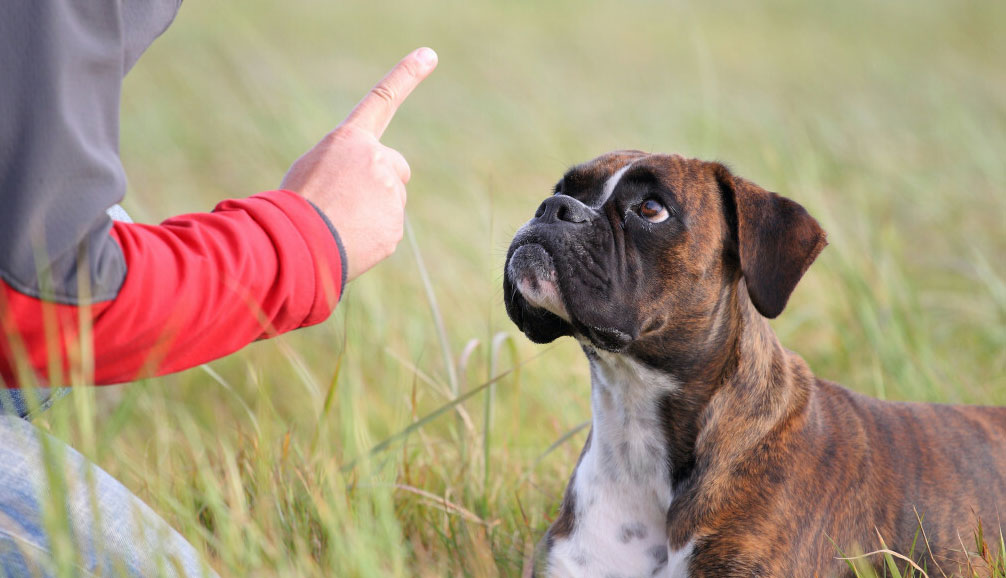
Remember that each animal has its own life experience, its own unique character, and an already formed attitude towards people, so the approach to raising adult dogs should be strictly individual.
Should I punish my dog?
Yes, punishment, like reward, is an important training method that helps a dog understand what's allowed. The main thing is to know how to punish a dog correctly so as not to harm its physical and mental health.
Cynologists and animal psychologists believe that dogs should be punished for the following offenses:
- for damage to things if you caught your pet doing something undesirable;
- for aggression towards other pets or people;
- for failure to comply with requirements (commands).
Important! The severity of the punishment must be proportionate to the severity of the offense.
How not to punish a pet
Before we talk about how to scold a dog for bad behavior, let's clearly outline the "red lines" that an owner who wants to maintain a friendly, trusting relationship with their dog should never cross.
Regardless of the severity of the offense, one should never:
- show aggression towards an animal - to hit, to cause physical pain, to scream loudly;
- keep in isolation – lock in a bathroom or closet, lock in a room for a long time;
- "punish with food" – deprive the dog of its main food (do not feed it), take away its food, give its food to another pet (however, it is possible to deprive it of treats);
- deprive of personal belongings – encroachment on a place or toys can cause severe chronic stress in a dog.

Remember, the main purpose of punishment is to explain to your pet that they did something wrong, something forbidden, and that you're unhappy with their behavior. Your goal is for the dog to understand what they did wrong and learn a lesson for the future, rather than incur pain, stress, and suffering by associating this painful experience with their owner.
How to properly punish a dog (methods of influence)
Don't go to extremes. Between no punishment at all and cruelty, there are a number of effective yet safe ways to teach your dog boundaries and correct behavior.
When explaining how to properly punish a puppy in classes, experienced dog trainers list the following methods:
Advice from dog handlers
In practice, it's often not enough to simply know how to discipline a puppy; you also need to understand when it's appropriate and when it's not. To ensure your discipline is truly effective, remember these basic guidelines:
- Don't give a command if you know your dog won't obey it in a given situation. This will either create a situation where you need to react to noncompliance, or reinforce the dog's disobedience pattern.
- Only scold your dog when it actually performs an unwanted behavior. Punishing it for damaging things in your absence or for a puddle you found when you returned home from work makes no sense.
- Don't prolong the punishment. The dog will associate a stern tone at the moment of the "crime" with its actions, but after 10-15 minutes, it's guaranteed to be confused about why the owner is still angry.
- Try to use rewards more often and punishments less often. Too many prohibitions and punishments will reduce the effectiveness of these methods.
- During the punishment, remain internally calm and restrained, do not show aggression.
https://www.youtube.com/watch?v=CxQQG2c54e8
Read also:
- How to stop a dog from jumping on people out of joy when they meet them
- How to train a dog to stay put
- How to teach a dog the fetch command


Add a comment