
Can cats eat dog food?
Happy owners who share an apartment with a cat and a dog often wonder: can cats eat dog food? This isn't surprising – animals are often happy to nibble on food from the neighboring bowl, and dog food is usually cheaper than cat food at pet stores and easier to find. However, feeding a cat dog food is strongly discouraged.
Content
Why do cats prefer dog food?
Cats may show interest in dog food for several reasons:
-
CuriosityCats are very curious animals. They may try dog food simply out of curiosity about the new smell or texture.
-
Nutritional deficienciesIf a cat is deficient in certain nutrients in its diet, it may seek out alternative sources, including dog food.
-
Attractive smell: Dog food may contain flavorings that attract cats.
Reasons for the ban
Some owners may examine the ingredients of dog and cat food from the same manufacturer and find no significant differences. However, this is a false impression – dog food is not suitable for cats for a number of reasons.
Firstly, cats are obligate carnivores by nature, meaning their diet primarily consists of protein, specifically meat. Dogs, like humans, are omnivores, successfully digesting vegetables, grains, and other plant-based foods that cats cannot digest in large quantities. This is also evident in feline physiology: compared to omnivores, they have shorter intestines and reduced digestive enzyme activity.
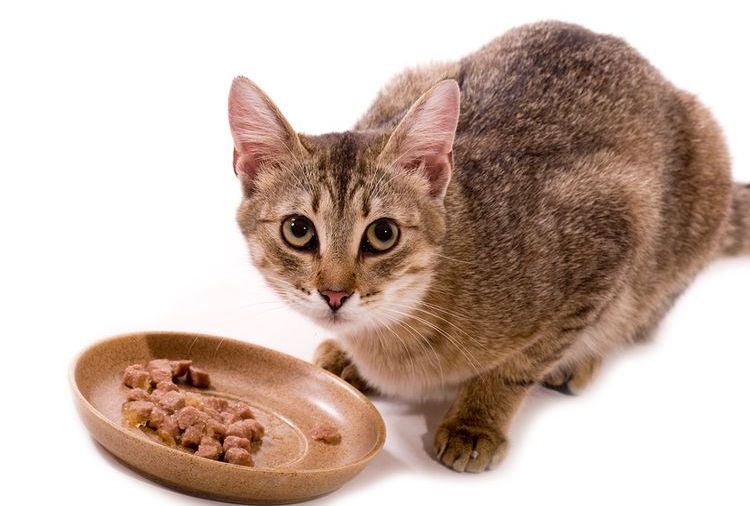
Secondly, cat food contains vital nutrients in the right proportions, including arachidonic acid, vitamins A and B, and, most importantly, taurine. Despite its importance, cats don't produce this nutrient naturally, so manufacturers add it to their food. In the wild, these furry predators obtain it from rodents. Dogs, however, are able to synthesize taurine, meaning it's not present in dog food, nor should it be present. A taurine deficiency in cats can lead to serious problems, including vision impairment (retinal atrophy), digestive issues, heart failure, not to mention poor coat and teeth.
Therefore, a cat's diet is very different from a dog's, because manufacturers of high-quality food take into account the needs of pets.
Consequences of improper feeding
Switching to dog food can pose risks for cats due to the following problems and illnesses:
- obesity – associated with increased carbohydrate content in the dog’s diet;
- anemia, lack of strength and energy - dog food lacks essential amino acids;
- problems with vision, heart, – lack of taurine;
- Taurine deficiency: Cats need taurine, an amino acid that is present in adequate amounts in cat food but may be lacking in dog food. A taurine deficiency can lead to heart disease and vision problems;
- Vitamin deficiency: Cats require more B vitamins, especially niacin, than dogs. Deficiencies in these vitamins can cause skin conditions and nervous system problems;
- Digestive problems: Dog food may contain more carbohydrates than cat food, which can lead to digestive problems in cats.
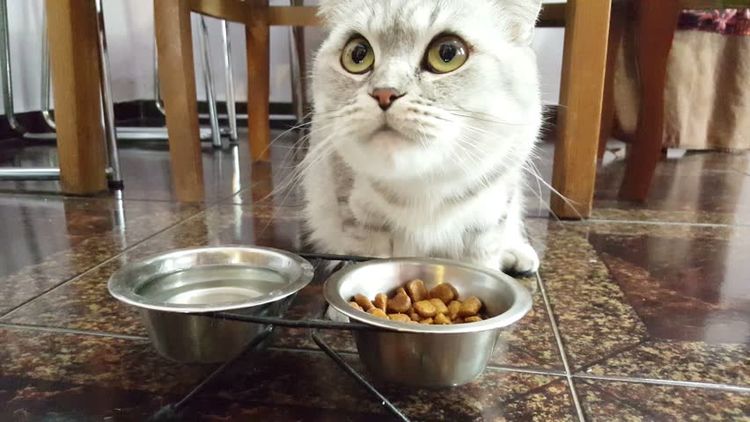
How to wean a cat off dog food
But what should you do if your furry pet has taken to stealing food from your dog's bowl? Here, you need to consider not only the dangers of improper feeding but also the possibility of a fight with dire consequences for both. To help your cat forget about the food as quickly as possible, follow these simple guidelines:
- Feed your pets at different times. It's best to do this so the cat can't see the dog eating. You can distract her or simply move her to another room.
- Don't leave dog food in the bowl. After eating, the container with leftover food should be immediately put away out of reach of animals. Also, avoid adding food overnight.
- Change the food. If your cat stubbornly refuses to eat its food, but regularly peeks into your dog's bowl, try getting it a different food—it's possible your pet is simply tired of the old one.
- Using automatic feedersThey will help you control the time and amount of food consumed.
- Consultation with a veterinarianIf your cat's behavior does not change, consult a specialist for advice.
If the cat is still stubborn, simply leave the new food in an accessible location and don't give it anything else. It won't starve to death in a couple of days and will likely start eating.
In addition, you shouldn't give your cat other people's food as a treat - in small quantities it won't cause any harm, but it's unlikely you'll be able to wean your pet off it.
General feeding recommendations
Veterinarians give the following feeding recommendations:
- Always buy food that is appropriate for the age and characteristics of your pet (for example, for pregnant women, elderly, neutered male and female cats).
- If your cat eats dry food, make sure there is always fresh water in its bowl.
- Keep an eye on the expiration date of your cat's food and do not feed it to your cat if it's spoiled. Before purchasing a new bag at the store, also check the manufacturing date: resist the temptation to buy expired products or food that's close to its expiration date on sale.
- Whatever your cat's diet, you should closely monitor its condition. If your cat shows signs of allergies or stomach upset, or if it has a dull coat or poor teeth, you should immediately change its food, after consulting with your veterinarian.
So, dog food has no place in a cat's diet. Of course, a few kibble won't cause any harm, but if your pet regularly eats someone else's food, this behavior needs to be stopped. Furthermore, you shouldn't intentionally feed a cat dog food, even for reasons of economy—after all, the cost of treatment and recovery will be much higher.
Read also:


Add a comment