
Can cats eat sweets?
In an effort to please their beloved pets, many owners indulge them with various treats. But can cats eat sweets, and are such indulgences harmful to their four-legged friends' health?
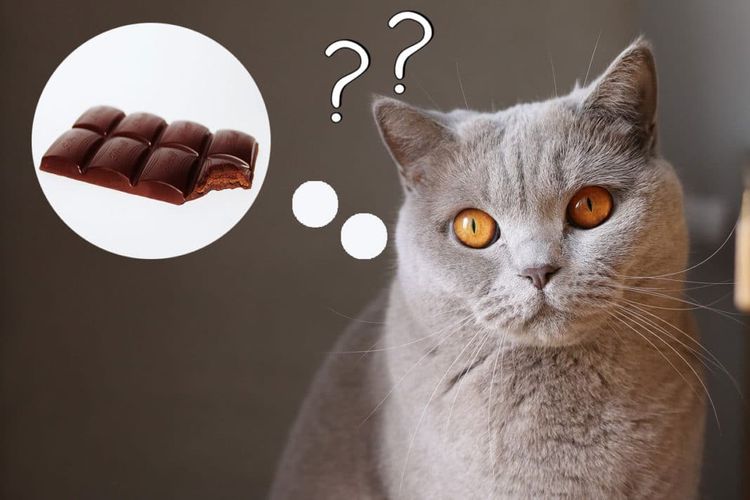
Physiology of taste in animals
The image of a cat licking ice cream or happily crunching on chocolates is touching. It seems as if the cat, with a sweet tooth, shares its owner's gastronomic preferences. In fact, cats, being essentially carnivores, have no sense of sweetness at all.
So why do cats love sweets and eat them with such gusto? Animals experience pleasure from their taste buds, sensing the presence of vegetable fats, amino acids, and milk protein, but not sugar.
The reason for this perception lies in the absence of the gene responsible for the ability to sense sweetness, Tas1r2, in animals. Predators require large doses of protein, making them excellent tasters. Sugar is simply a byproduct of milk- and vegetable-based treats, which are completely useless to cats.
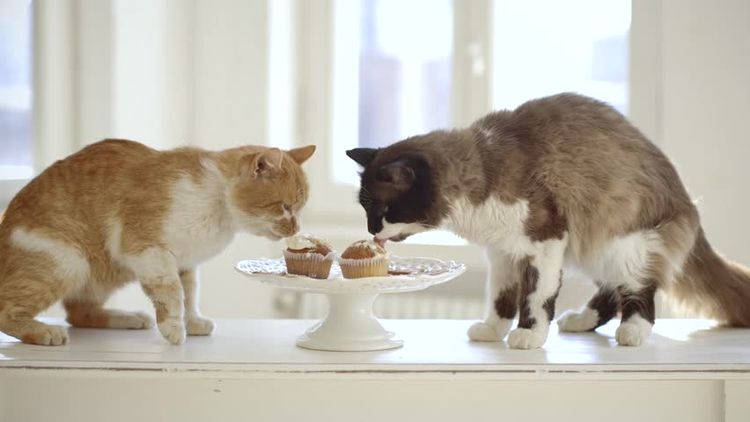
Moreover, an excess of harmful carbohydrates can lead to serious poisoning. Therefore, the answer to the question of whether cats can eat sweets is a clear no! Confectionery treats pose a serious danger:
- for pregnant and lactating cats;
- for aging animals;
- for pets suffering from chronic diseases.
With a weakened immune system, just one candy can trigger allergic reactions, including redness and itching of the mucous membranes, increased salivation, and blurred vision. Overindulging in treats can cause malaise, vomiting, and diarrhea.
The most harmful sweets
Chocolate is the main enemy of animal health. The cocoa beans used to make it contain the alkaloid theobromine. This component, along with caffeine, is dangerous for animals. In small doses, it causes increased heart rate and blood pressure, and in larger doses, it can cause toxicity and death. Knowing the product's toxicity, the question of whether cats can eat sweets is irrelevant. After all, even a small piece of chocolate, by human standards, is a serious challenge for an animal's body.
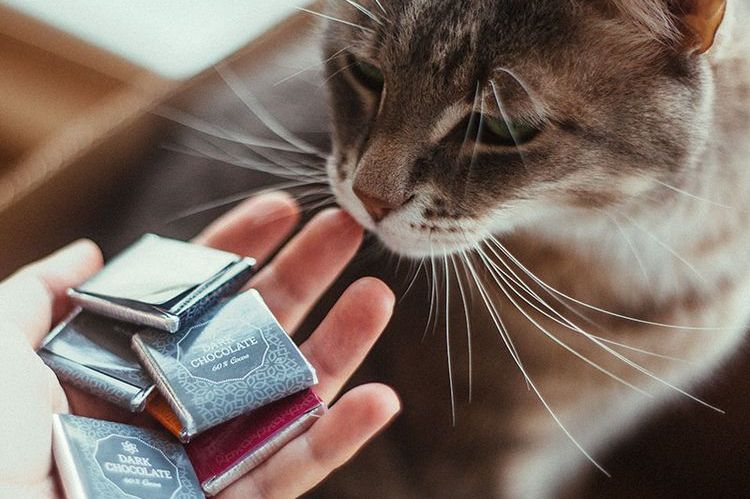
The main reason why you shouldn't feed candy and condensed milk is their high carbohydrate content. Domesticated pets don't expend as much energy as their wild counterparts. As a result, excess carbohydrates consumed are stored as fat. Moreover, fat forms not only subcutaneously but also around internal organs. This leads to decreased performance.
Ice cream is no less harmful. Cats devour the dairy product with gusto, not even realizing it contains sugar. A pet's body isn't designed to handle glucose frequently.
Cats that eat sweets become victims diabetes, as their bodies begin to produce excess insulin. Additionally, xylitol, used by manufacturers to sweeten the product, contributes to this. As a result, diabetes-like symptoms are observed in the form of increased glucose levels in urine and blood.
One of the main reasons why cats should not be given any kind of sweets is that excessive sugar intake in the intestines reduces the number of protective cells several times, which negatively affects the animal's immunity.
Sugar in any form is like a drug: it's quickly absorbed, satiates just as quickly, and is always stored "for later." The body, accustomed to processing simple carbohydrates, subsequently experiences difficulty digesting normal food.
A veterinarian's opinion on why cats shouldn't be given sweets: video
Read also:


Add a comment