
Can cats eat fish?
Let's explore whether it's safe to feed cats fish, and which ones shouldn't. It's best to feed them boiled, boneless, and well-frozen fish fillets. Owners often decide which varieties and in what form to feed their cats, despite veterinarian recommendations. However, it's important to remember that even the finest salmon can cause significant harm to animals and lead to serious chronic illnesses.
Content
Why do cats love fish?
A natural instinct explains cats' love of fresh fish, whether they're British Shorthairs, Sphynx cats, or stray cats. In the wild, these animals hunted not only rodents and birds, but also small roach, perch, and young pike. Sea and freshwater fish were a satisfying source of nutrition, containing virtually all the nutrients necessary for life. Hunting in shallow waters was successful and often played out as a game.
Cats have a keen sense of smell, so they won't eat rotten fish meat even after it's been cooked for a long time.
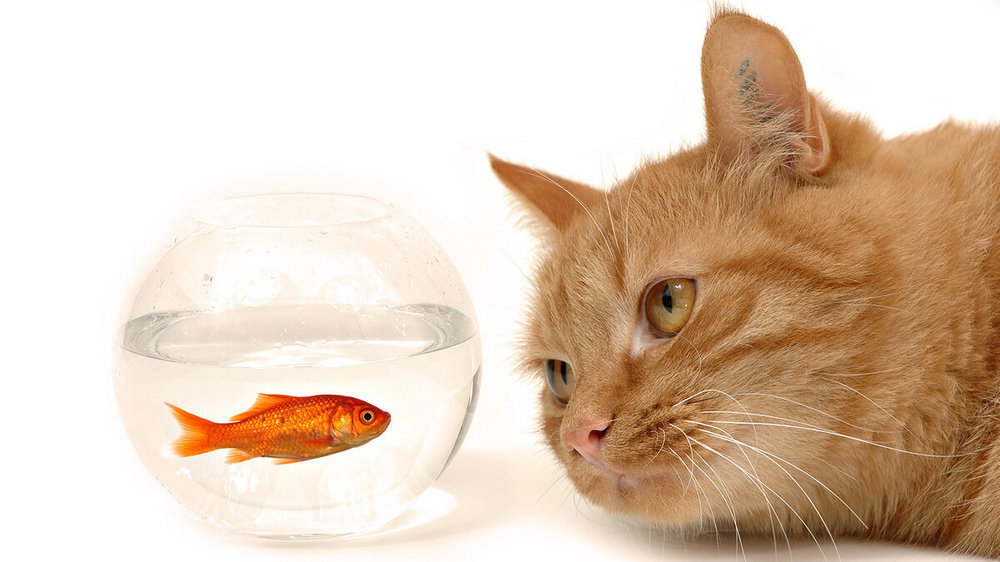
Why shouldn't cats eat fish?
Fish meat can pose a threat to cats' health for several reasons:
- Helminth infestation. The spread of parasites results in opisthorchiasis, which leads to severe damage to the liver, gallbladder, and pancreas.
- They contain high levels of salts. Magnesium and phosphorus are essential for life, but are present in excess in fish meat. Feeding your pet fish every day can lead to kidney problems and, in spayed animals, urolithiasis.
- Allergy development. Fish protein often causes allergies, which can require serious treatment.
- Bone injuries. Small bones entering the larynx or esophagus can injure soft tissue and can lead to suffocation or abscess formation.
- Nutritional imbalance. Fish products contain an enzyme that interferes with the proper absorption of vitamin E and iron.
- Vitamin K content. Research has shown that fish contains a form of vitamin K that is poorly absorbed by cats and can cause internal bleeding.
- Risks of hypothyroidism. Occurs with frequent consumption of seafood, which contains a lot of iodine.
Seafood and river fish often contain toxic substances, such as mercury and pesticides, which can cause severe poisoning. Therefore, if you decide to feed your cat fish, avoid buying this delicacy from private sellers; it's better to buy it from specialized stores.
How often and what kind of fish can be given?
Cats can be pampered, but no more than 1-2 times a week. What is allowed:
- Tuna. Canned fish contains brine or excess oil, which can be dangerous for animals. Therefore, it's best to choose unseasoned, boiled tuna.
- Salmon, pink salmon, salmon, and chum salmon. The noble red salmon is rich in Omega-3, vitamins, and beneficial minerals. Homemade meals are preferable, as commercial feeds are produced from farmed salmon, which contain significant amounts of toxins.
- Sardines, sprats, mackerel, and herring can be included in the diet occasionally in small quantities and only when boiled due to their high fat content. However, you will need to carefully clean the fish, removing all small bones.
Fatty fish is beneficial in the first months of life; it contains abundant fish oil and vitamins essential for kitten growth, proper skeletal development, and muscle mass. However, as kittens get older, it's best to replace this delicacy with leaner options such as pollock, blue whiting, navaga, and flounder. These meats have a lower fat content, making them appear dry. However, boiled fish fillets make a wonderful addition to a cat's diet.
Owners often use canned fish in oil, simply rinsing the pieces in water. This procedure doesn't remove the fat that permeates virtually all canned meat. It's better to use canned fish for soups if your cat is on a homemade diet.
What fish should not be given?
It is not advisable to choose the following fish for feeding your cat:
- raw due to high risks of helminthiasis;
- dried due to its tough structure, presence of bones and high salt content;
- hot or cold smoked - smoked products contain salt and carcinogens, which negatively affect the liver;
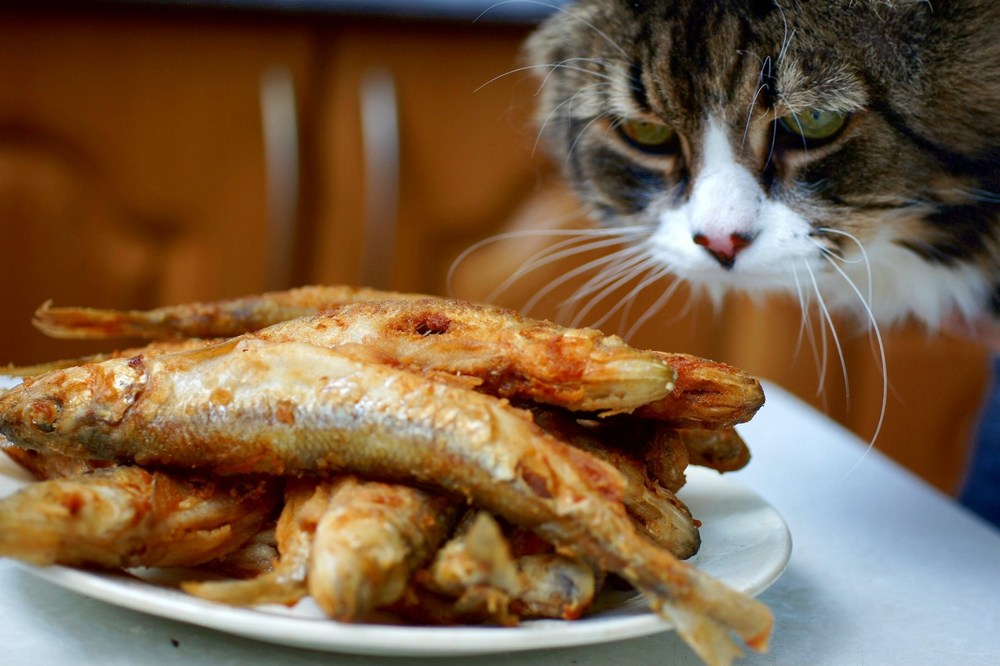
- fried - the problem is excess oil, which can provoke pancreatitis;
- salted - even lightly salted contains too much salt.
It is also not advisable to combine fish with the following products:
- Feeding fish meat in combination with milk causes digestive upset, which may include diarrhea, increased flatulence, and stomach pain.
- It's not advisable to treat your pet with fish and cheese on the same day. Besides the risk of food poisoning, such a diet will lead to uncontrolled weight gain.
Fish that are especially harmful to cats:
- Any freshwater fish. Freshwater fish are more likely to contain helminths than saltwater fish. Small bones, which are difficult to remove even from boiled meat, also pose a danger.
- Sea bass. Contains thiaminase, which interferes with iron absorption and destroys B1.
- Mackerel. Repeated freezing and thawing leads to the release of histamine, an allergy trigger.
If you want to occasionally treat your British or Siamese cat to some fish, you should carefully follow the advice of veterinarians.
How can you treat a cat with fish?
If your pet loves raw fillets, you can indulge them and offer them their favorite treat. However, in this case, don't use fresh fish. Before eating, it should be frozen for at least three days to kill any worms. If you decide to boil the fish, place the fillet in boiling water for 10-20 minutes. You can also bake it in the oven at 180ºC for half an hour.
You can feed cooked fish fillet on its own or mix it with raw or cooked vegetables. Many cats enjoy cereals made with grains and small portions of fish fillet, such as oatmeal, buckwheat, or rice.
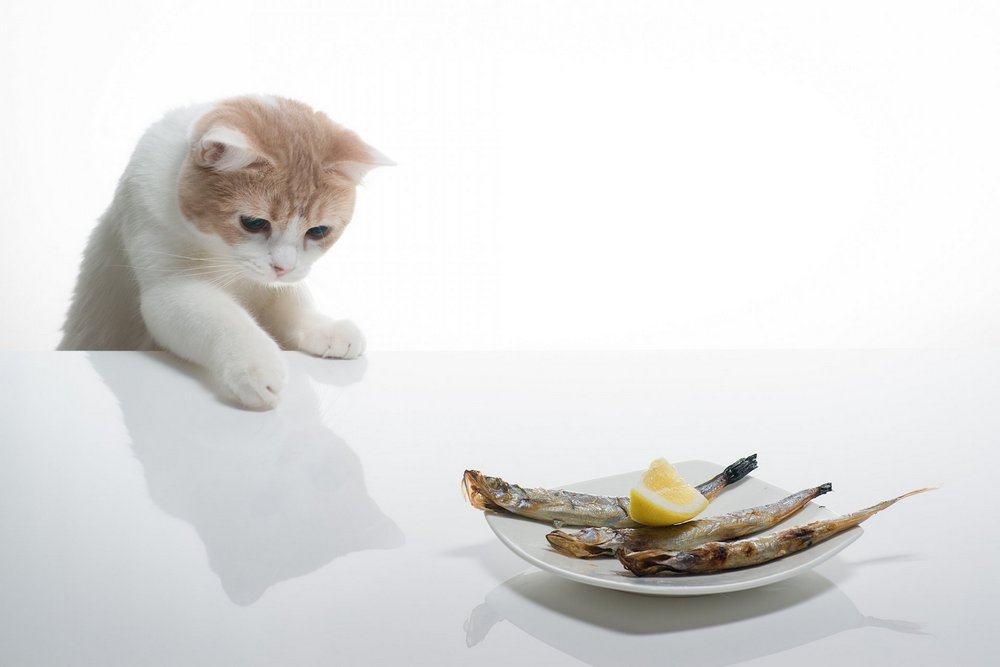
When choosing fish for your pet, it's best to buy fresh and fairly lean fish with minimal or no small bones. Feeding small river fish is not recommended due to the high risk of worm infestation and esophageal injury. Instead of fish products, consider feeding food from a reputable manufacturer that tests its ingredients for heavy metals and toxins.
Read also:


1 comment
Lora
Regarding iodine: it could still be hyperthyroidism—if they're taking in excessive amounts of iodine. Especially since cats are prone to this very condition at the end of their lives. This is a serious problem, and it's not just humans who haven't learned how to treat it without serious interventions—it's even more so in cats!
(I am not saying this without evidence: my cat has gone through a lot, having hyperthyroidism, and I DID NOT FEED her with iodine).
Add a comment