
Can cats drink milk? Benefits and harms
We're explaining whether cats can drink milk, as many veterinarians and breeders believe milk is harmful to their health. The product isn't beneficial because it doesn't contain enough nutrients for a complete diet. The harm comes in the form of increased risk of developing dangerous diseases such as chronic renal failure, diabetes, allergies, and bacterial infections. Only low-fat dairy products are acceptable for occasional indulgence.
Content
The questionable benefits of cow's milk for kittens
Those who advocate feeding dairy products to pets often justify their actions by citing the kittens' "menu." When breastfed, kittens suckle their mother's milk for the first two to two and a half months after birth. If the mother is unable to provide adequate nutrition, the kittens are supplemented with cow's milk, which is tolerated without any significant health problems.
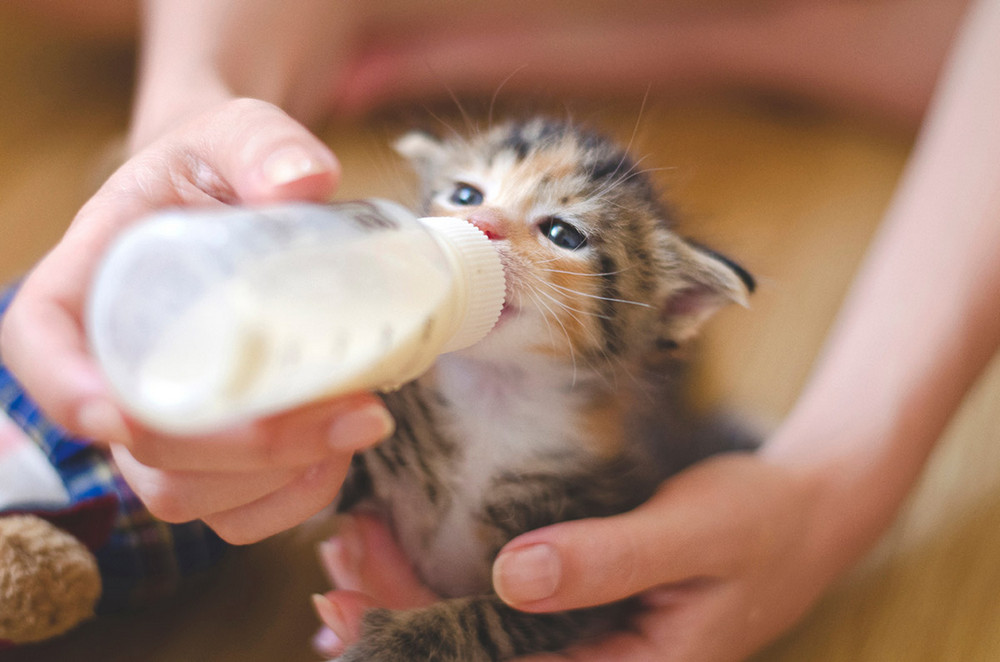
Indeed, cow's milk won't cause significant harm to newborn kittens because their bodies produce a special enzyme that actively participates in digestion. This enzyme breaks down complex food compounds into simpler ones, so the difference in composition between cat's milk and cow's or goat's milk isn't noticeable. However, the presence of this enzyme doesn't make cow's milk any healthier. If you completely switch a kitten to artificial feeding, the diet will be unbalanced, which can lead to health problems later on.
Comparative table of compositions:
|
Substance |
Cat's milk |
Cow's |
Goat |
|
Fat |
9-11% |
Up to 4-14% |
Up to 6% |
|
Protein |
7-11% |
Up to 4% |
Up to 3-4% |
|
Carbohydrates |
3.4-4% |
Up to 21% |
Up to 21% |
|
Taurine |
100 ml contains 26 mg |
100 ml contains 0.2 mg |
100 g contains 4.53 mg |
The product from a cow is also inferior in other respects – the content of potassium, calcium, phosphorus, amino acids and vitamins.
A responsible breeder will never feed young British Shorthairs or Oriental Shorthairs only cow's or goat's milk. They will supplement their milk with mineral and vitamin supplements or prefer specially adapted formulas.
Is milk harmful to adult cats?
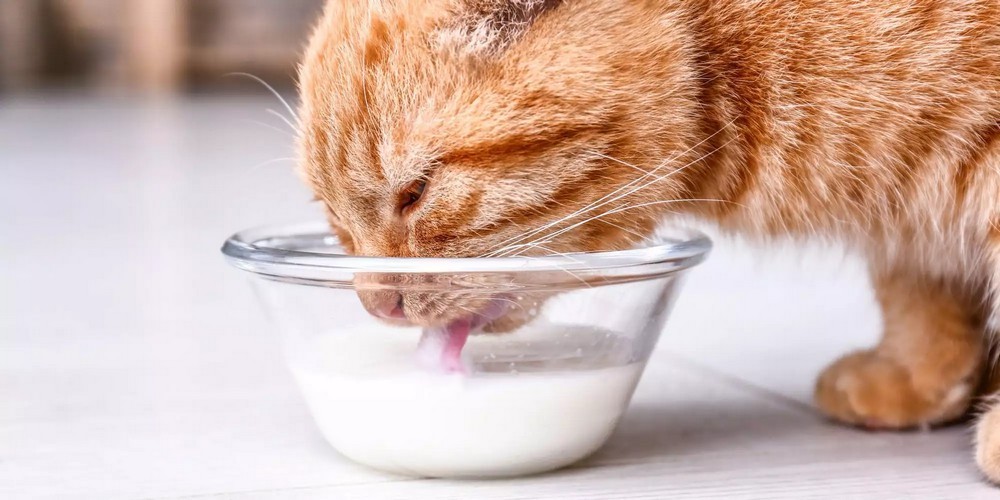
As cats age, their bodies stop producing the enzyme, or produce it in small quantities. As a result, their digestive system is no longer able to break down the milk sugar, lactose. If a cat continues to drink this unwanted product, the following problems are likely:
- Increased gas production and lactic acid production. Consequences can be severe or mild, depending on the immune system – diarrhea, vomiting, stomach ulcers, abdominal pain.
- Diabetes. Cats love milk, but for them, it's a treat, like candy for children. An unbalanced diet can lead to a diabetic cat, whose diet will need to be approached with caution.
- Chronic renal failure. It is advisable to exclude dairy from the diet of spayed or neutered animals. Chronic renal failure often occurs in pets with a sedentary lifestyle. Dairy products can contribute to obesity, which exacerbates the problem in spayed cats. Furthermore, pets with chronic renal failure should limit their intake of calcium-rich foods.
- Urolithiasis. Obesity is one of the causes of bladder stones in neutered cats. After neutering, a special diet low in fat, carbohydrates, and calcium is required.
- Allergies. Some pets suffer from milk protein intolerance, which causes itching and hair loss. This immune disorder is rare and can only be accurately diagnosed by a veterinarian. At home, you can detect an allergy by offering no more than 1 teaspoon of milk and observing your pet's reaction.
Particularly dangerous for the health of cats is the consumption of farm products, which may contain pathogenic bacteria that cause tuberculosis, salmonellosis, listeriosis, and food poisoning.
Is it possible to pamper your pet with dairy products?
To avoid harming your pet's health, it's worth listening to the advice of veterinarians:
- Milk can sometimes be given for constipation—it relaxes the intestines and softens the stool. However, it's important that the cat only drinks warm, boiled milk. Cold milk can trigger respiratory problems, potentially leading to pneumonia, which can be rapid in progression and serious in cats.
- Once every 1-2 weeks, you can treat your pet with low-fat cottage cheese, yogurt, sour cream without dyes, flavors, fruits, berries, or chocolate.
- Strictly prohibited are: cream, butter, ice cream, condensed milk, processed and glazed cheese.
In the debate over the harm and benefits of milk for cats, owners often claim that their pets consume milk daily without problems. These are likely mixed-breed cats with a highly developed immune system or animals that are still producing digestive enzymes. However, the incidence of such cats is less than 5%. In most cases, uncontrolled milk consumption leads to the development of chronic diseases.
Read also:


Add a comment