
Can cats drink milk?
It's very common to see a cat being given milk in its bowl. And for some reason, there's a common misconception that it's so beloved and can't live without it. But is it really okay to give cats milk? Is it beneficial or harmful? What does it contain, and can it be substituted with anything else? Can kittens be given milk, or is their mother's milk sufficient?
Content
Milk is white "gold"
Milk is a secretion from the mammary glands of female mammals, produced under the influence of the hormone oxytocin. It's no wonder the family is called "mammalia": literally, it means "feeding" (nursing) with milk. And that's all. newborns This family's babies can't survive without this valuable and nutritious food because it contains all the necessary immunoglobulins (antibodies), proteins, fats, and vitamins. Babies get their fill of it very quickly.
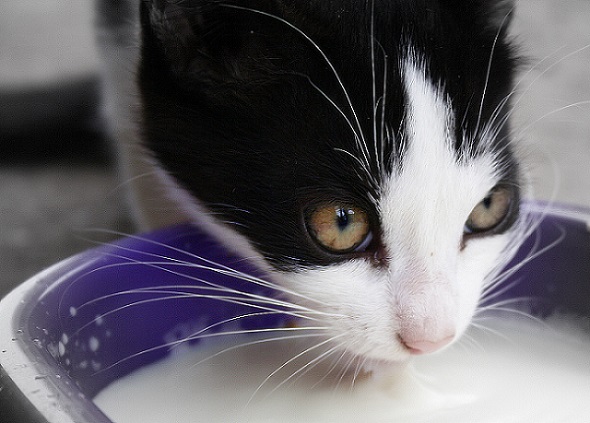
Milk is called "white gold" because it's one of the most valuable animal products. Cow's milk is the most common milk you'll find on the market. But can you feed it to cats?
Cats and milk: can you give them milk or not?
Almost all scientists and veterinary specialists unanimously agree that giving milk to adult cats is not recommended. Why is this? It's simple. While a kitten is young (up to about three months of age), its gastrointestinal tract contains special enzymes that curdle and break down milk. As kittens mature, these enzymes become less and less abundant, and eventually disappear completely. After all, in the wild, cats don't drink milk.
Therefore, it's safe to say that cats shouldn't be given milk. They simply won't digest it; it will turn sour right in their digestive tract. This will lead to dysbiosis, followed by diarrhea.
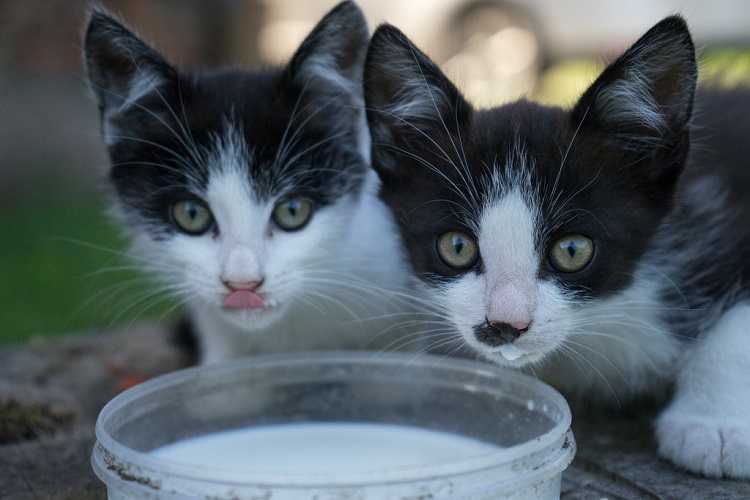
But can you give cow's milk to kittens as a substitute for their mother's milk? This is generally not recommended, as cow's milk is much richer. If kittens are left without their mother's milk, you should either try to find a mother who will nurse them, or purchase a cat milk replacer from a veterinarian, which, after dilution, will be as close in composition to real mother's milk as possible.
Why else shouldn't you give cow's milk to kittens? It's higher in calories (almost five times higher than cat milk) and "heavy" due to its high fat content. And without adequate microflora, the intestines simply won't be able to handle the digestion. The baby will have diarrhea, and maybe even... vomitMoreover, such milk may contain residual amounts of antibiotics, hormones, inhibitors, or detergents (if the raw material was not harvested correctly). These substances can be harmful to the kitten.
When preparing raw milk at a factory, separation, pasteurization/ultra-pasteurization, or sterilization are mandatory. The amount of beneficial substances, including calcium, is significantly reduced.
Even if you're buying milk from a trusted source (like someone who keeps their own cow on a private farm), even if the animal is perfectly healthy, there's a risk to the kitten. Typically, the cow is inseminated 2-3 months after calving, but milking continues until the gestation period reaches 7 months. The milk will contain hormones (estrogen, progesterone) that can harm the growing kitten.
What can I replace milk with?
Since milk isn't allowed for cats, how can you feed and pamper your beloved pet? It's best to give them fermented milk products. Examples include low-fat kefir, fermented baked milk, cottage cheese, and even low-fat cheese (some cats are even gourmets).
Surprisingly, fermented milk products are much easier to digest. They contain bacteria that support the digestive tract of adult cats and growing kittens. However, they shouldn't be given to newborns; it's better to buy a cat milk replacer. Avoid giving sweet foods (condensed milk, cheese curds, etc.).
Milk is especially dangerous for cats with lactose (milk sugar) intolerance. These animals should not have any dairy products at all, even kefir or cottage cheese.
Read also:


Add a comment